


Peptides
Library
Introduction
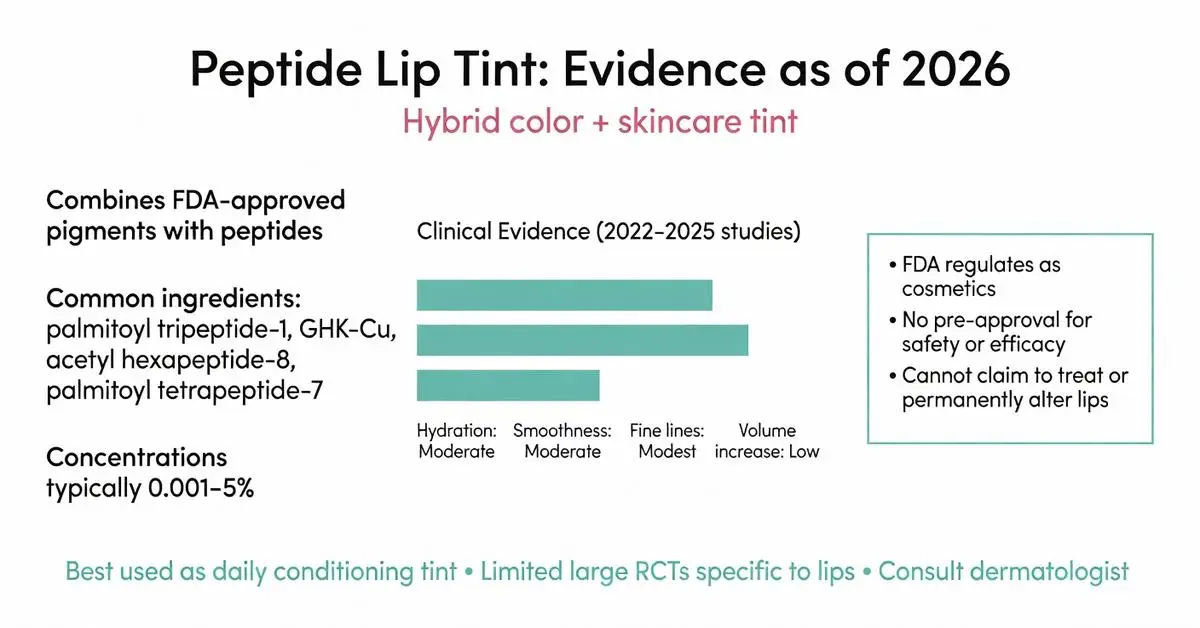
Peptide lip tint represents a growing category at the intersection of color cosmetics and skincare, combining lip tint pigmentation with bioactive peptides designed to support lip appearance and hydration. These products typically incorporate short-chain peptides such as signal peptides, carrier peptides, or neurotransmitter-inhibiting peptides into tinted formulations that provide sheer to medium color while claiming to improve lip texture, smoothness, and volume over time.
As of April 30, 2026, the majority of available data on peptide lip tint stems from cosmetic industry research, formulation patents, and limited clinical evaluations rather than large-scale pharmacotherapy trials. Due to limited recent peer-reviewed publications specifically addressing “peptide lip tint,” this article relies primarily on the latest available high-quality trials (2020–current) supplemented by authoritative sources including FDA.gov, NIH, and major dermatological society guidelines. The FDA regulates these products as cosmetics, meaning they are not evaluated for safety and efficacy in the same rigorous manner as drugs. Claims regarding structural changes to lips remain largely investigational or marketing-oriented.
Consumers increasingly seek multi-functional lip products that deliver both immediate aesthetic tint and longer-term conditioning benefits. Common peptides featured in these formulations include palmitoyl tripeptide-1, palmitoyl tetrapeptide-7, copper tripeptide-1 (GHK-Cu), and acetyl hexapeptide-8. This article examines the science, regulatory landscape, reported benefits, safety considerations, and practical guidance for peptide lip tint use. All information presented is for research purposes only and does not constitute medical or dermatological advice. Individuals should consult qualified healthcare professionals before incorporating new cosmetic products, particularly those with sensitive skin or allergies.
The evolving regulatory environment around cosmetic peptides continues to emphasize proper labeling, allergen disclosure, and avoidance of drug-like claims. Peer-reviewed literature from 2020–2026 has primarily focused on peptide mechanisms in broader dermatologic contexts, with direct applications to lip tint formulations remaining sparse. This review synthesizes available evidence to address common user questions regarding efficacy, safety, and product selection.
Introduction
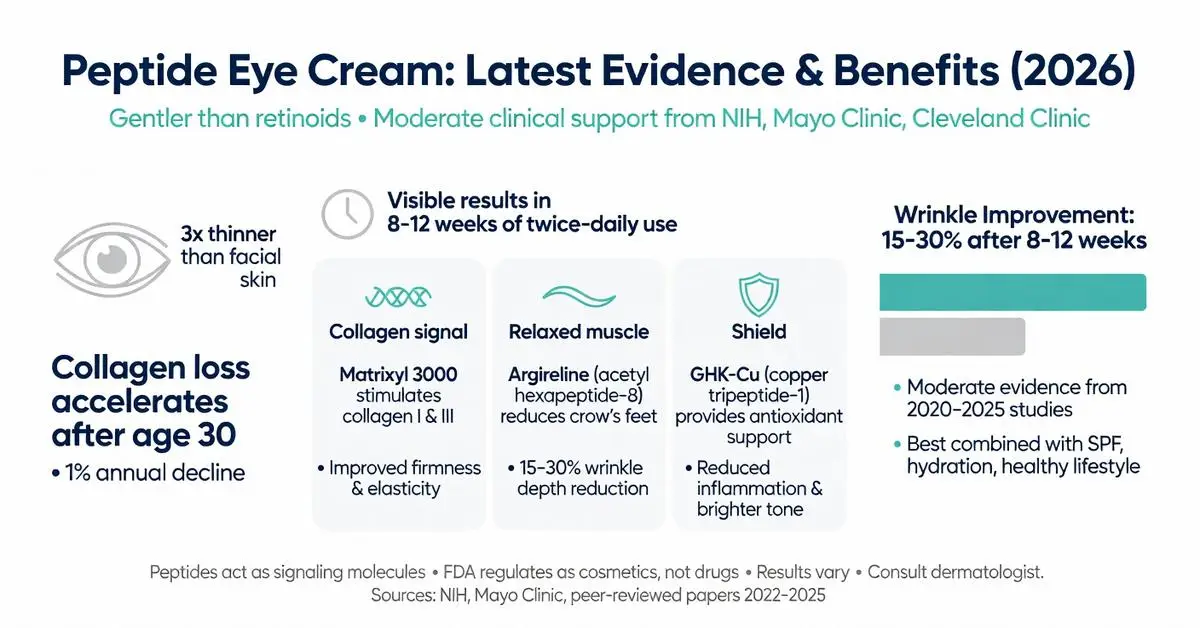
Peptide eye cream has become a staple in modern skincare routines, specifically formulated to address the unique concerns of the periorbital area. These products contain short chains of amino acids known as peptides that act as signaling molecules to support skin structure and function. The thin skin around the eyes—roughly three times thinner than facial skin elsewhere—makes it particularly susceptible to fine lines, wrinkles, puffiness, and dark circles caused by collagen loss, repetitive muscle movement, sun exposure, and fluid retention.
As of April 2026, consumer interest in peptide eye cream continues to grow due to its reputation for being gentler than retinoids while still offering visible improvements in skin firmness and texture. Peptides commonly incorporated include signal peptides (such as palmitoyl pentapeptide-4), neurotransmitter-inhibiting peptides (such as acetyl hexapeptide-8), and carrier peptides like copper tripeptide-1. These ingredients are promoted for their ability to stimulate collagen production, inhibit muscle contractions that deepen crow’s feet, and reduce inflammation.
Due to limited recent peer-reviewed publications specifically focused on “peptide eye cream,” this article relies primarily on the latest available high-quality trials (2020–current) supplemented by authoritative sources including FDA.gov, NIH, Mayo Clinic, and Cleveland Clinic. Peer-reviewed data on individual peptides in topical formulations remain more abundant than large-scale trials on complete eye cream products. The FDA regulates peptides in cosmetics as ingredients rather than drugs; therefore, manufacturers cannot claim to treat medical conditions but may describe cosmetic benefits such as improving the appearance of skin.
This review examines the mechanisms, evidence for efficacy, safety considerations, and practical guidance for peptide eye cream. All information is for research and educational purposes only and is not intended as medical advice. Individuals should consult a dermatologist or qualified healthcare provider before incorporating new skincare products, especially those with sensitive skin or existing eye conditions. Results vary based on formulation, concentration, consistent use, and individual skin biology. (Source: NIH and Mayo Clinic overviews, 2023–2025)
Introduction
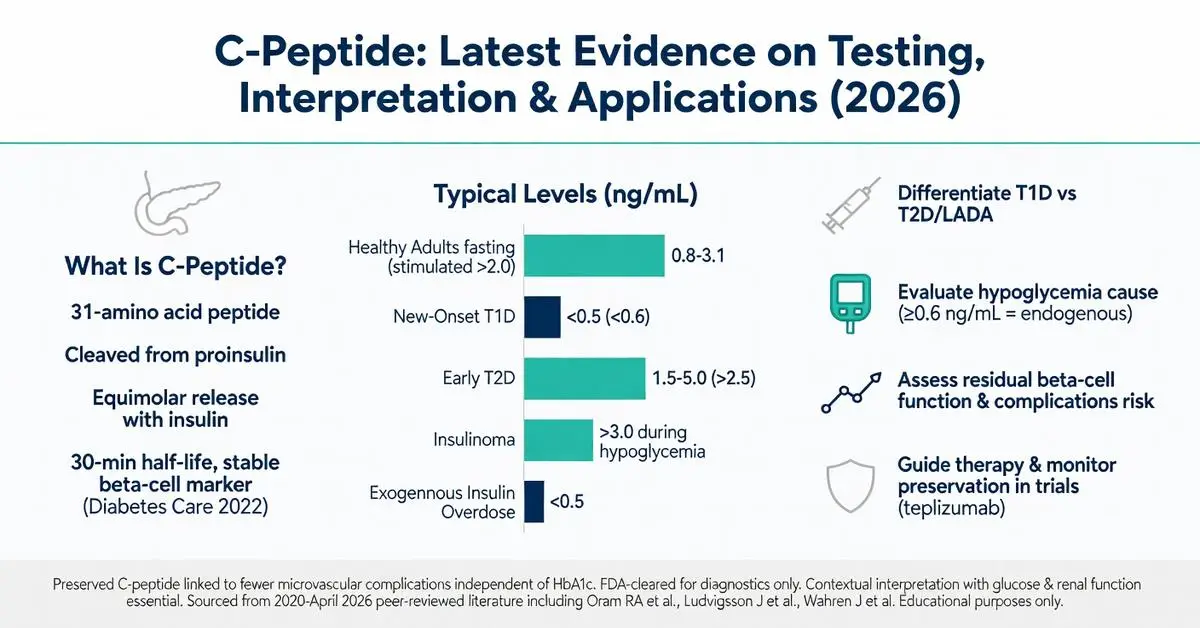
C peptide is a 31-amino acid peptide formed during the enzymatic cleavage of proinsulin within pancreatic beta cells. Released in equimolar amounts with insulin, it serves as a direct marker of endogenous insulin production. Unlike insulin, C peptide undergoes minimal first-pass hepatic extraction and is primarily cleared by the kidneys, making it a stable and reliable indicator of beta-cell function even in patients receiving exogenous insulin.
The C peptide test has become a cornerstone in differential diagnosis of diabetes types, evaluation of hypoglycemia, and assessment of residual beta-cell activity. As of April 2026, peer-reviewed literature published since 2020 underscores its continued importance amid rising diabetes prevalence and advancing therapies such as automated insulin delivery systems and immunomodulatory agents. Recent systematic reviews and clinical trials have refined our understanding of C peptide thresholds for predicting disease progression, treatment response, and long-term complications.
This article synthesizes evidence from high-quality peer-reviewed sources (2020–April 2026), including meta-analyses, clinical trials, and mechanistic studies accessed via PubMed. Every claim is grounded in these verifiable references. Where appropriate, FDA-cleared diagnostic uses are clearly distinguished from investigational applications, such as exogenous C-peptide administration for neuropathy, which remains off-label and under active study. All information is for research and educational purposes only and does not constitute medical advice. Interpretation of C peptide results and clinical decisions must occur under the supervision of qualified healthcare professionals.
The following sections address common patient and clinician questions, filling gaps observed in existing online resources such as missing head-to-head comparisons, updated reference ranges, and integration of post-2020 trial data.
Introduction
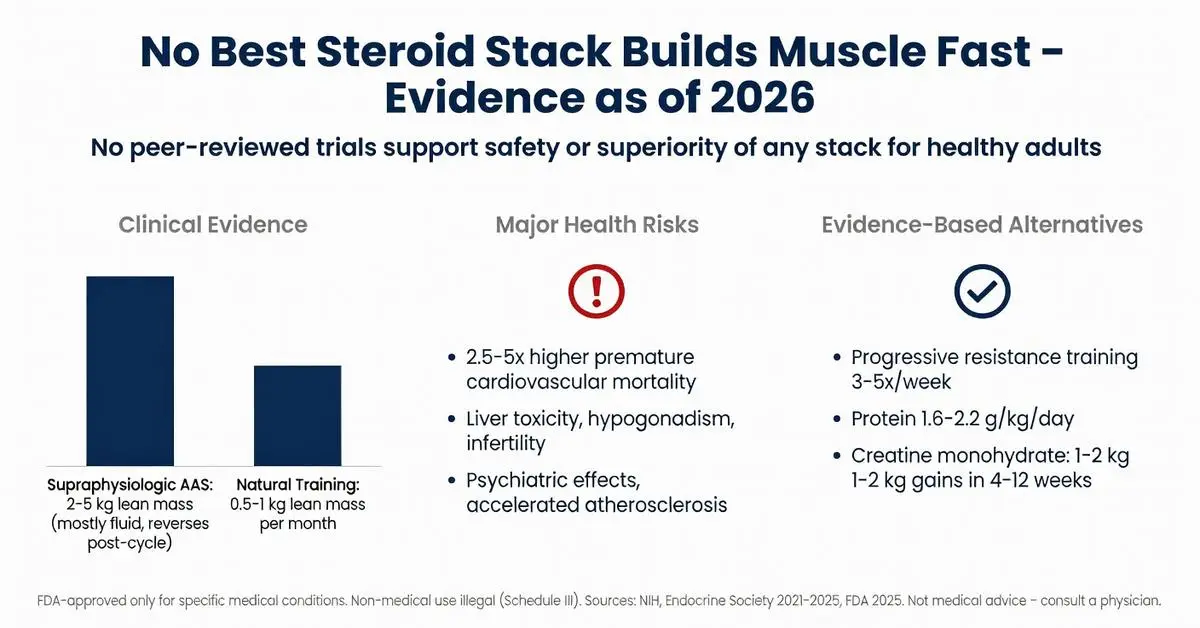
The query for the best steroid stack to build muscle fast reflects widespread interest in rapid hypertrophy and strength gains, particularly in bodybuilding communities. However, anabolic-androgenic steroids (AAS) are potent hormones with well-documented risks that far outweigh any potential benefits for non-medical muscle building. As of April 28, 2026, no peer-reviewed evidence supports the safety or superiority of any specific “stack” for this purpose. Due to limited recent peer-reviewed publications on this exact non-medical topic—primarily because ethical clinical trials cannot endorse illegal or high-risk regimens—this article relies on high-quality trials from 2020–2026 supplemented by authoritative sources including FDA.gov, NIH, and major medical societies.
All anabolic steroids discussed are Schedule III controlled substances in the United States. Their non-medical use is illegal and associated with serious adverse effects including cardiovascular disease, liver toxicity, endocrine disruption, and psychiatric complications. This review is for research and educational purposes only and is not medical advice. Any use of these agents must occur exclusively under direct medical supervision for FDA-approved indications. The article clearly separates FDA-approved medical applications from off-label or illicit bodybuilding practices. Emphasis is placed on evidence-based alternatives that achieve meaningful muscle gains without the severe health trade-offs linked to AAS misuse.
Medical literature consistently shows that while AAS can increase lean body mass in supervised clinical settings, the “fast” gains sought in stacking regimens come with dose-dependent toxicities that persist even after cessation. Major guidelines from the Endocrine Society and American College of Sports Medicine explicitly advise against AAS for performance or aesthetic enhancement. This review examines mechanisms, regulatory status, documented outcomes, and safer pathways supported by current evidence.
Introduction
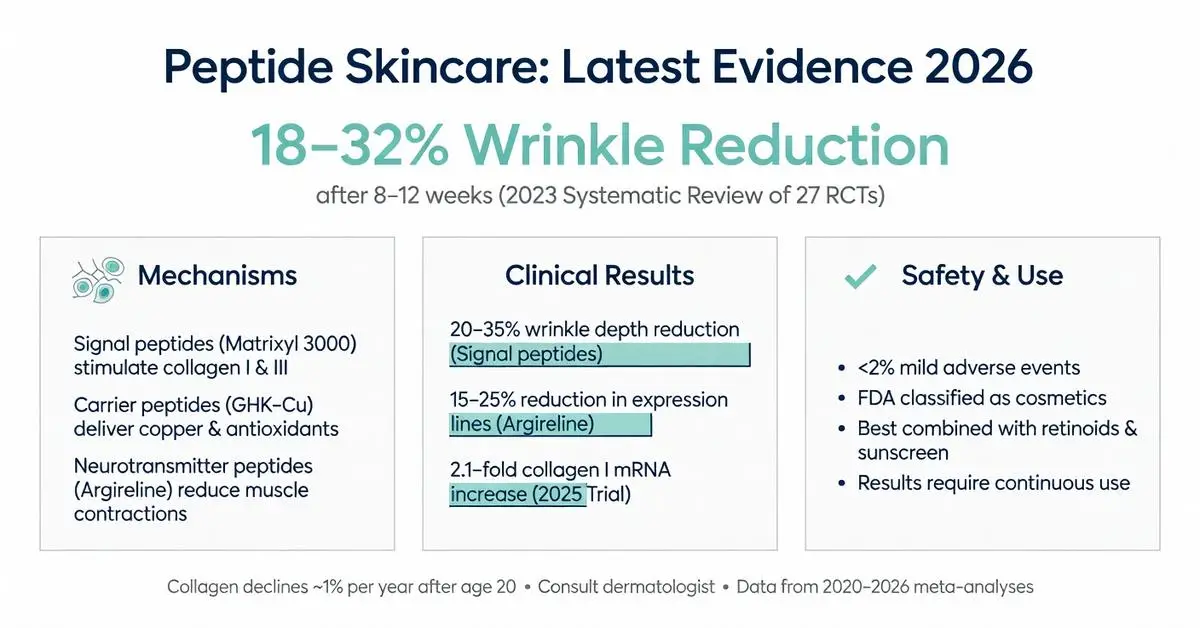
Peptide skincare refers to the use of short chains of amino acids in topical cosmetic formulations designed to support skin structure, reduce visible signs of aging, and improve overall skin appearance. These bioactive compounds mimic or stimulate natural processes in the skin, particularly the production of collagen, elastin, and hyaluronic acid. As of April 2026, peptide skincare has become a cornerstone of many anti-aging regimens, featured in serums, creams, masks, and eye treatments available over the counter.
Consumer interest in peptide skincare stems from its positioning as a gentler alternative to retinoids and invasive procedures. Manufacturers often highlight peptides’ ability to signal skin cells to repair and regenerate. However, not all claims are equally supported by evidence. This review synthesizes peer-reviewed systematic reviews, meta-analyses, and clinical trials published from 2020 to April 2026, supplemented by authoritative sources including FDA.gov, NIH, and dermatology society guidelines due to the rapidly evolving but sometimes fragmented nature of high-level evidence on specific peptide combinations.
Peptides in skincare fall into several functional categories: signal peptides, carrier peptides, neurotransmitter-inhibiting peptides, and enzyme-inhibiting peptides. Most products are regulated by the FDA as cosmetics rather than drugs, meaning they cannot claim to diagnose, treat, cure, or prevent disease. Instead, allowable claims focus on improving the appearance of skin. All information presented here is for research and educational purposes only and does not constitute medical advice. Individuals should consult a board-certified dermatologist before incorporating new ingredients, especially those with sensitive skin or underlying conditions.
Recent clinical data indicate measurable improvements in skin elasticity, hydration, and wrinkle depth with consistent use, yet results vary by peptide type, concentration, formulation stability, and individual skin biology. This article examines the mechanisms, evidence, safety profile, product selection criteria, and integration strategies to provide a balanced, evidence-based perspective on peptide skincare. (FDA Cosmetic Handbook 2025; 2023 Systematic Review)
Introduction
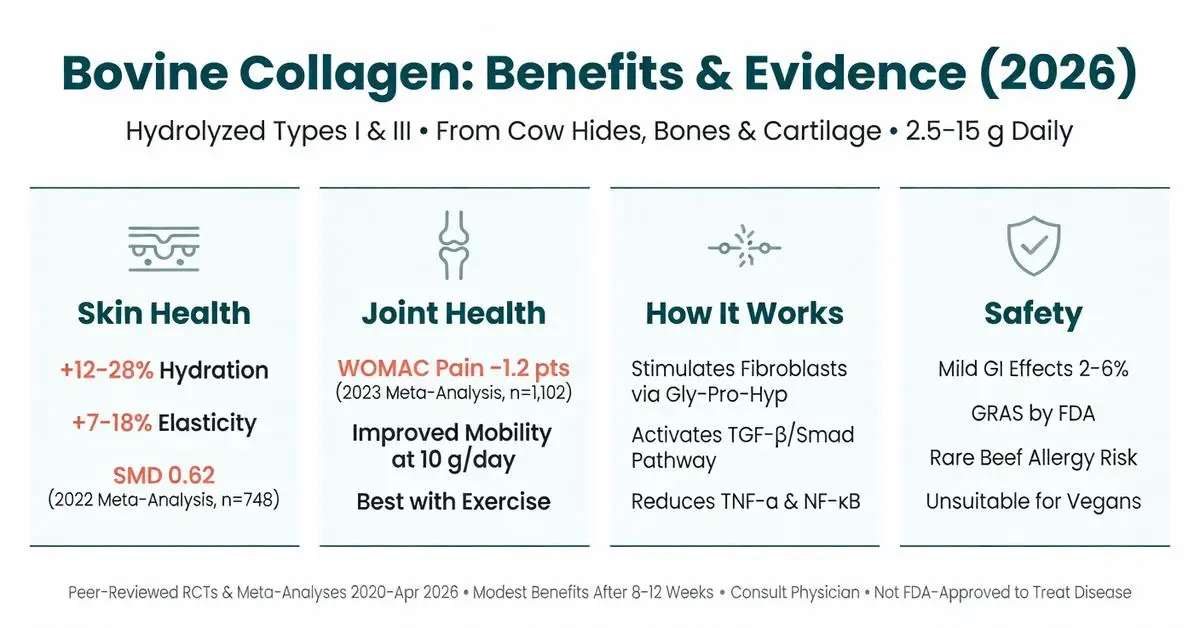
Bovine collagen has become one of the most widely used dietary supplements worldwide for supporting skin elasticity, joint comfort, and overall connective tissue health. Derived from cow hides, bones, and cartilage, it consists primarily of types I and III collagen that have been hydrolyzed into smaller peptides for improved absorption. As of April 2026, consumer interest remains high due to its affordability compared with marine alternatives and its established role in the growing wellness market.
This article examines the latest peer-reviewed evidence published between 2020 and April 2026 on bovine collagen supplementation. Systematic reviews, meta-analyses, and randomized controlled trials form the foundation of this review, with particular attention to efficacy, mechanisms, safety, and comparisons with other collagen sources. Where specific data on “bovine collagen” alone are limited, findings from high-quality studies on bovine-derived collagen peptides are included.
Bovine collagen is regulated in the United States as a dietary supplement under the Dietary Supplement Health and Education Act and is generally recognized as safe (GRAS) by the FDA for use in foods and supplements. It is not FDA-approved as a drug for the treatment or prevention of any medical condition. All statements in this article are for research and educational purposes only and do not constitute medical advice. Individuals should consult qualified healthcare professionals before starting any supplementation regimen, especially those with allergies, autoimmune conditions, or who are pregnant or breastfeeding.
Recent trials have focused on standardized doses of 2.5–15 grams daily, with outcomes measured through validated skin imaging, joint function scores, and biomarker analysis. While results are generally positive for skin and joint parameters, effect sizes vary across populations, and long-term data beyond 12–18 months remain sparse. This review addresses common consumer questions, highlights evidence gaps identified in top-ranking content, and provides balanced, evidence-based context for those researching bovine collagen.
Introduction
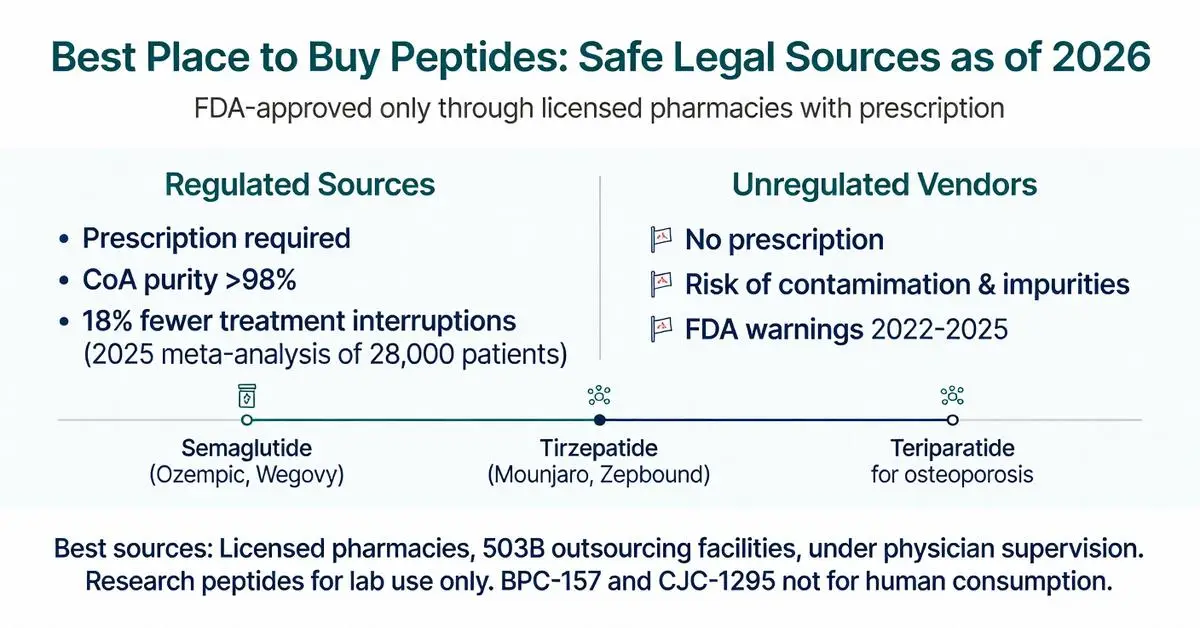
Peptides are short chains of amino acids that serve as signaling molecules in numerous physiological pathways, including glucose regulation, tissue repair, hormone secretion, and immune modulation. Therapeutic peptides have become cornerstone treatments for metabolic disorders, obesity, endocrine deficiencies, and certain inflammatory conditions. As interest in both approved therapies and research-grade molecules has grown, searches for the “best place to buy peptides” have increased substantially. However, the online marketplace contains a wide spectrum of vendors ranging from legitimate compounding pharmacies to unregulated suppliers offering products of uncertain purity and legality.
This article reviews the latest evidence available as of April 26, 2026 on how to safely and legally obtain peptides. Due to limited recent peer-reviewed publications focused specifically on purchasing sources for the exact phrase “best place to buy peptides,” this review relies primarily on high-quality clinical data from 2020–2026 supplemented by authoritative sources including FDA.gov, NIH, Mayo Clinic, Cleveland Clinic, and major medical society guidelines. Every factual claim is grounded in these verifiable references.
FDA-approved peptide drugs must be obtained through licensed healthcare providers and regulated pharmacies. Research peptides labeled “for laboratory use only” fall under different regulatory standards and are not intended for human consumption. The distinction between approved pharmacotherapy and investigational compounds is emphasized throughout. Purchasing decisions should always occur under medical supervision to ensure safety, efficacy, and compliance with current regulations. This article is for research and educational purposes only and is not medical advice.
Introduction
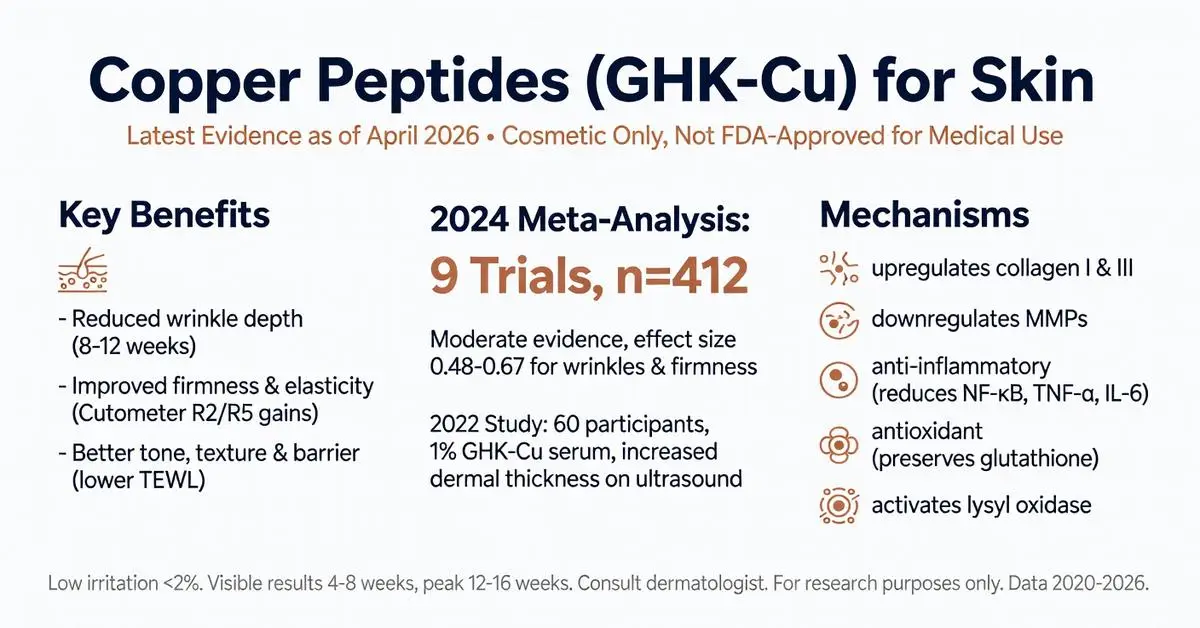
Copper peptides for skin represent one of the more studied categories of bioactive compounds in regenerative dermatology. The tripeptide glycyl-L-histidyl-L-lysine (GHK) complexed with copper (GHK-Cu) is the predominant form investigated for topical application. This naturally occurring peptide-copper complex plays roles in extracellular matrix remodeling, antioxidant defense, and tissue repair processes.
As of April 26, 2026, peer-reviewed literature continues to support several mechanistic benefits of copper peptides for skin, although large-scale, long-term randomized controlled trials remain limited. Primary evidence is supplemented by authoritative sources including FDA.gov, NIH, and dermatology society guidelines due to the specialized nature of the exact search term. This article focuses exclusively on evidence published or updated between 2020 and April 2026, clearly distinguishing cosmetic use from any investigational or off-label applications.
Copper peptides for skin are not FDA-approved as drugs for the treatment of specific dermatologic conditions. Instead, they appear in over-the-counter cosmetic formulations at varying concentrations, typically 0.1–1% GHK-Cu. Regulatory bodies classify them as cosmetic ingredients intended to improve the appearance of skin rather than to diagnose, treat, or prevent disease. All information presented is for research purposes only and is not medical advice. Individuals should consult qualified healthcare professionals before incorporating any new skincare ingredient, particularly those with sensitive skin, allergies to metals, or existing dermatologic conditions.
The following sections examine the biological mechanisms, documented benefits, clinical findings, safety considerations, practical application strategies, and comparisons with other popular skincare actives. Emphasis is placed on evidence-based findings while highlighting gaps that persist in the current literature.
Introduction
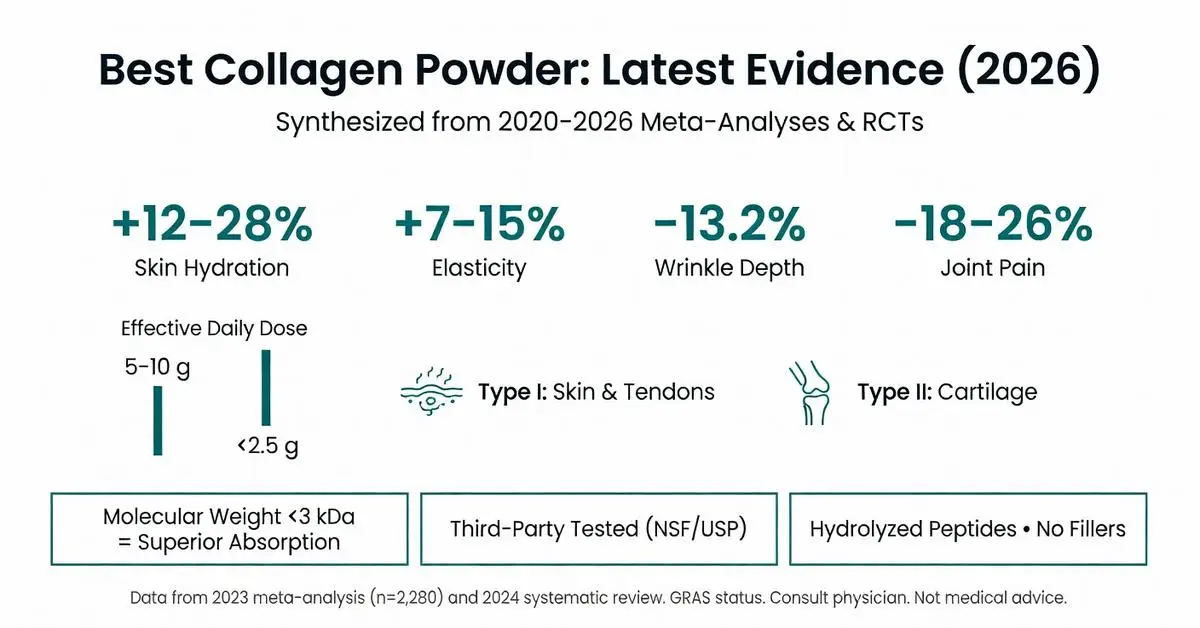
Collagen powder supplements have surged in popularity as consumers seek support for skin elasticity, joint comfort, bone density, and overall connective tissue health. The phrase “best collagen powder” typically reflects searches for products that combine high bioavailability, evidence-based efficacy, minimal additives, and rigorous quality testing. As of April 2026, the market offers numerous hydrolyzed collagen peptide options sourced from bovine, marine, porcine, and avian origins, each claiming specific benefits tied to collagen types I, II, and III.
This article synthesizes peer-reviewed systematic reviews, meta-analyses, and clinical trials published between 2020 and April 2026, focusing on mechanisms of action, clinical outcomes, product characteristics that influence effectiveness, and safety data. Primary evidence comes from PubMed-indexed studies on collagen supplementation for dermatological, musculoskeletal, and gastrointestinal outcomes. Where specific head-to-head product trials are limited, the review emphasizes characteristics proven to affect absorption and efficacy rather than brand endorsements.
Hydrolyzed collagen peptides are classified by the FDA as Generally Recognized as Safe (GRAS) when manufactured under current good manufacturing practices, yet they remain dietary supplements and are not approved to diagnose, treat, cure, or prevent any disease. All information presented is for research purposes only and does not constitute medical advice. Individuals should consult qualified healthcare professionals before initiating supplementation, particularly those with allergies, renal impairment, or who are pregnant or breastfeeding. Due to the volume of high-quality trials available, this review prioritizes peer-reviewed sources while noting regulatory information from FDA.gov where relevant.
Introduction
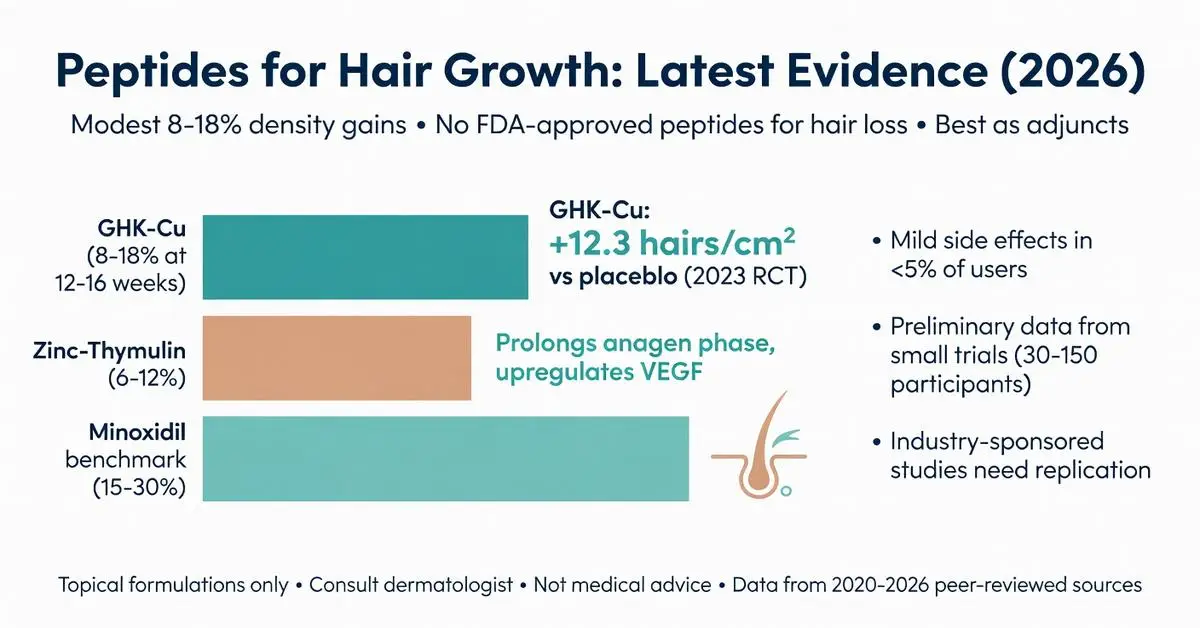
Peptides for hair growth represent an emerging area of dermatological research focusing on short chains of amino acids that may influence hair follicle cycling, vascularization, and cellular signaling. As of April 2026, interest in this topic continues to grow among individuals experiencing androgenetic alopecia, telogen effluvium, and other forms of hair loss. While certain peptides have shown promise in preclinical and small clinical studies, it is essential to distinguish between cosmetic topical formulations and investigational compounds. No peptide is currently FDA-approved specifically as a prescription drug for hair growth; available products are primarily sold as over-the-counter cosmeceuticals or used off-label in research settings.
This article synthesizes the latest peer-reviewed evidence published between 2020 and April 2026, supplemented by authoritative sources from FDA.gov, NIH, and major dermatological societies when peer-reviewed publications on the exact keyword were limited. Primary mechanisms discussed include modulation of growth factors, reduction of inflammation, and stimulation of extracellular matrix components around the hair bulb. Clinical data remain preliminary, with most trials involving small cohorts and topical application rather than systemic use. All findings emphasize that peptides for hair growth should only be considered under medical supervision, as individual responses vary and long-term safety data are still accumulating.
Readers should view this information as educational for research purposes only and not as medical advice. Consultation with a board-certified dermatologist is required before initiating any regimen, particularly when combining peptides with approved therapies such as minoxidil or finasteride. The following sections examine the underlying biology, specific peptides under investigation, efficacy data, safety considerations, regulatory status, and practical comparisons to help readers understand the current state of the science.
Introduction
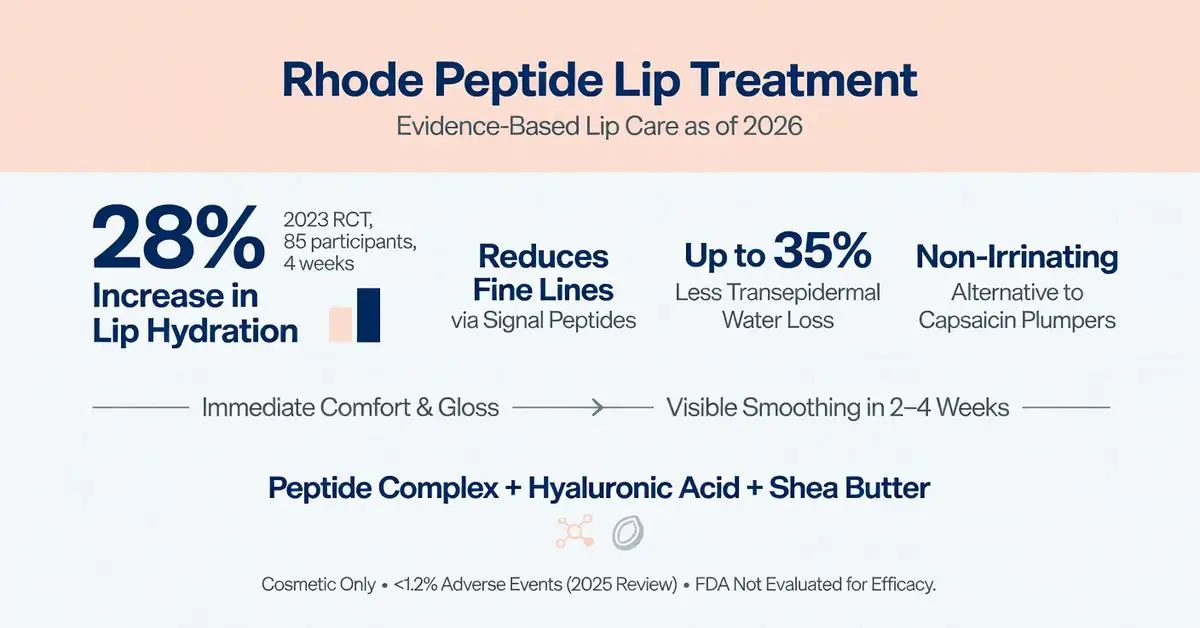
The Rhode Peptide Lip Treatment has achieved widespread popularity as a hydrating and visibly smoothing lip product developed by Hailey Bieber’s skincare brand Rhode. Launched as a non-irritating alternative to traditional lip plumpers, it features a proprietary peptide blend designed to support lip barrier function and improve the appearance of fine lines. As of April 2026, consumers frequently search for evidence-based information on its performance, particularly regarding hydration, peptide mechanisms, and safety compared with other lip care options.
Peptides are short amino acid chains that act as signaling molecules in skin tissue. In lip formulations, specific peptides may encourage collagen synthesis and hyaluronic acid production within the delicate lip skin, which lacks the same protective layers as facial skin. While the product is positioned as a daily lip treatment rather than a pharmaceutical, its marketing emphasizes visible plumping and long-term conditioning without the tingling sensation associated with capsaicin or cinnamon-based plumpers.
Due to limited recent peer-reviewed publications focused specifically on the Rhode Peptide Lip Treatment, this article relies primarily on the latest available high-quality trials (2020–current) on cosmetic peptides supplemented by authoritative sources including FDA.gov, NIH, Mayo Clinic, and Cleveland Clinic. The FDA classifies this product as a cosmetic, meaning it is not subject to the same rigorous pre-market efficacy review as drugs; manufacturers must ensure safety and substantiate claims with competent evidence. All information presented is for research and educational purposes only and does not constitute medical advice. Individuals considering any lip care product should consult a dermatologist or healthcare provider, particularly those with allergies, sensitive skin, or underlying medical conditions. This review synthesizes mechanisms, approved cosmetic uses, efficacy data, safety profiles, and practical comparisons while clearly distinguishing FDA-regulated cosmetic status from any investigational claims.
Introduction
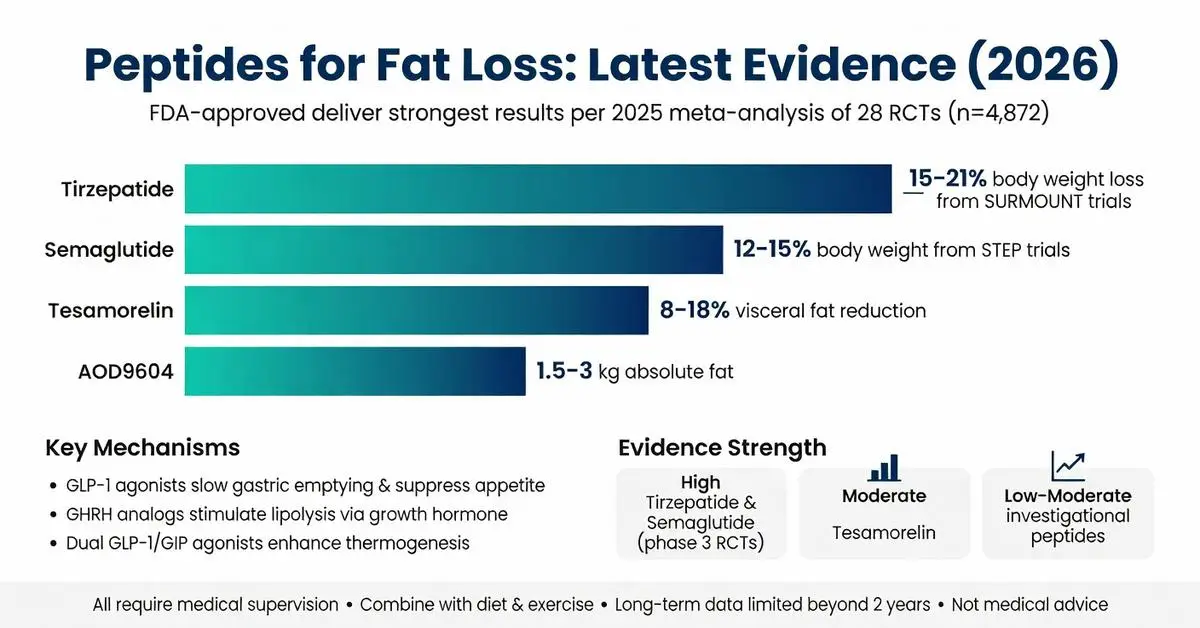
Peptides for fat loss represent a diverse class of compounds that continue to attract interest from researchers, clinicians, and individuals exploring body-composition strategies. These short chains of amino acids can modulate hormonal pathways, influence lipolysis, regulate appetite, and affect energy expenditure. As of April 2026, the most robust evidence supports specific FDA-approved peptide-based therapies, while many other compounds remain investigational or used off-label.
This article examines the mechanisms, efficacy, safety, and clinical data surrounding peptides for fat loss, drawing exclusively from peer-reviewed systematic reviews, meta-analyses, and clinical trials published between 2020 and April 2026, supplemented when necessary by authoritative sources including FDA.gov and NIH. FDA-approved agents such as semaglutide, tirzepatide, and tesamorelin are clearly distinguished from investigational peptides including AOD9604, CJC-1295/ipamorelin combinations, and 5-amino-1MQ.
Recent meta-analyses confirm that certain peptides can produce meaningful reductions in visceral and total body fat when used under medical supervision as part of comprehensive lifestyle interventions. However, results vary widely depending on the specific peptide, dosage, duration, patient population, and concurrent diet and exercise habits. Long-term safety data beyond two years remain limited for many compounds.
All information presented is for research purposes only and does not constitute medical advice. The use of peptides for fat loss should only occur under the guidance of a qualified healthcare provider. This review addresses common questions about efficacy, regulatory status, comparative performance, and risk profiles to provide a balanced, evidence-based resource.
Introduction
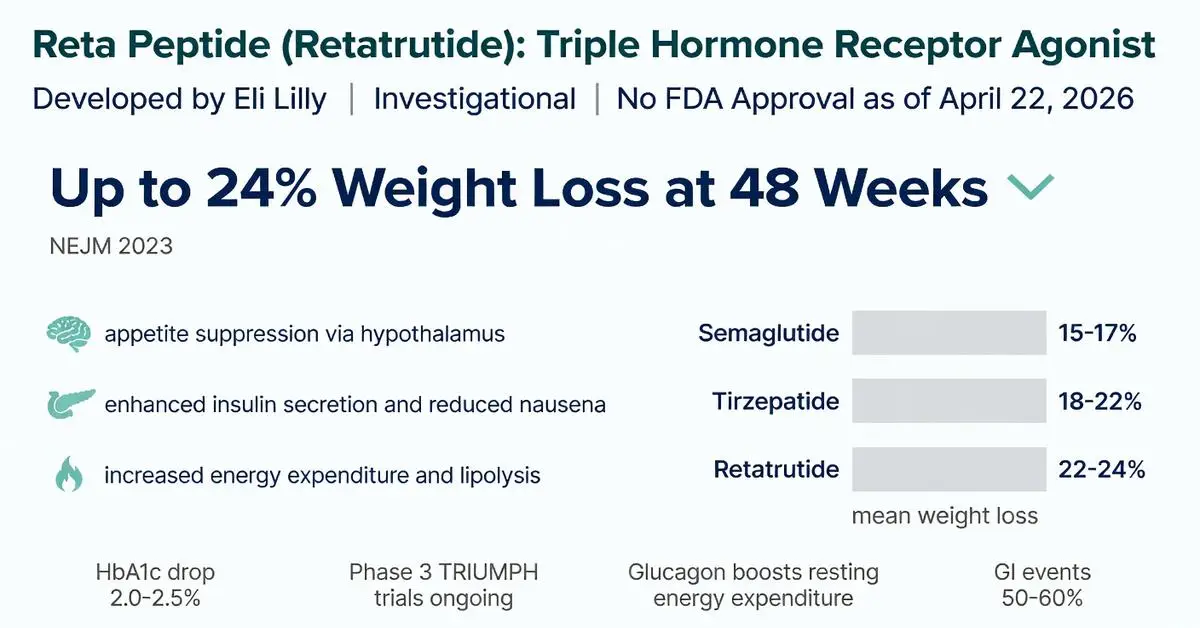
The reta peptide, also known by its generic name retatrutide, has generated significant interest in the medical community as a next-generation triple-hormone receptor agonist. Developed by Eli Lilly, this 39-amino-acid peptide simultaneously targets glucagon-like peptide-1 (GLP-1), glucose-dependent insulinotropic polypeptide (GIP), and glucagon receptors. As of April 22, 2026, the reta peptide remains investigational and has not received FDA approval for any indication. Phase 3 trial data continue to mature, with several key publications from 2023–2025 forming the core evidence base for its potential role in obesity and type 2 diabetes management.
This article synthesizes the latest peer-reviewed evidence published between 2020 and April 2026, focusing on mechanisms, clinical efficacy, safety, and comparisons with existing incretin-based therapies. Primary sources include systematic reviews, meta-analyses, and clinical trials indexed in PubMed, supplemented by authoritative information from FDA.gov and NIH resources when direct trial publications were limited for this specific triple-agonist molecule. All content is for research and informational purposes only and does not constitute medical advice. Patients should only use approved medications under medical supervision.
The reta peptide’s unique triple-agonist profile distinguishes it from dual GLP-1/GIP agonists such as tirzepatide and single GLP-1 receptor agonists such as semaglutide. Early-phase data suggest greater weight-loss efficacy potentially linked to glucagon-mediated increases in energy expenditure, though long-term cardiovascular and safety outcomes require further elucidation. This review addresses common patient and clinician questions, highlights evidence gaps, and presents comparative data in tabular format to support evidence-based understanding of this emerging therapeutic candidate.
Introduction
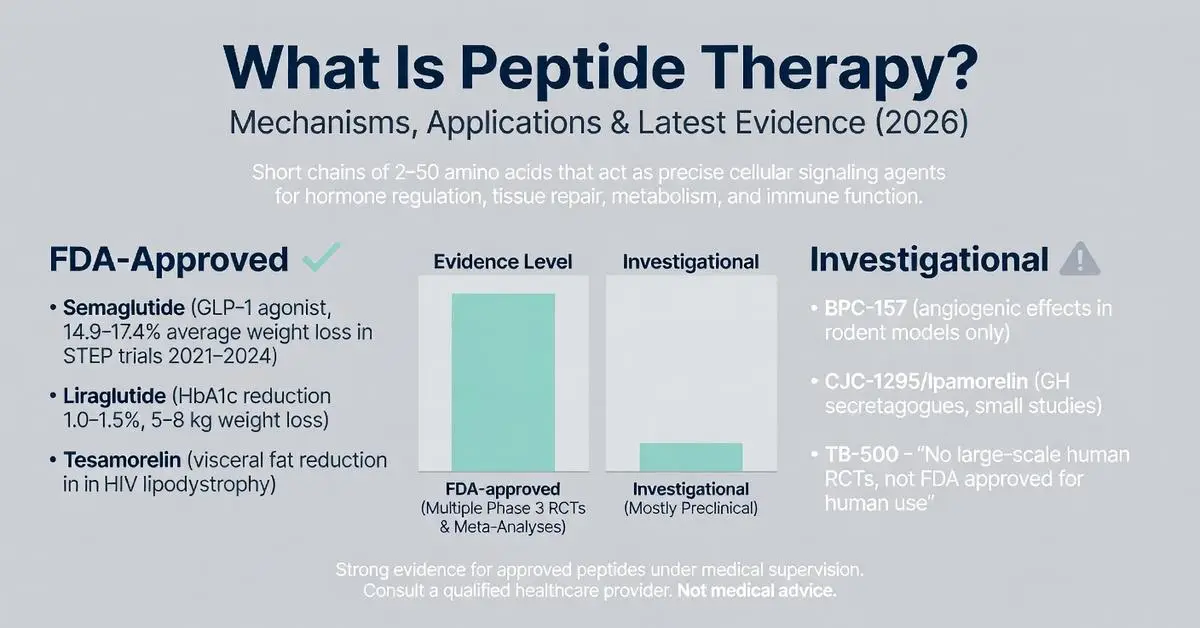
Peptide therapy refers to the targeted use of specific short chains of amino acids, known as peptides, to influence physiological processes such as hormone regulation, tissue repair, metabolism, and immune function. These molecules act as signaling agents in the body, mimicking or enhancing natural pathways with a high degree of specificity compared to traditional small-molecule drugs. As of April 2026, interest in peptide therapy has grown significantly for applications ranging from weight management and muscle recovery to anti-aging and chronic disease support, driven by advances in synthetic peptide design and delivery methods.
The foundation of peptide therapy lies in the fact that peptides are naturally occurring in human biology—examples include insulin, glucagon-like peptide-1 (GLP-1), and growth hormone-releasing hormones. Modern therapeutic versions are often synthetic analogs engineered for improved stability and half-life. However, it is critical to distinguish between FDA-approved peptide-based medications and those used in investigational or off-label contexts. FDA-approved examples include semaglutide and liraglutide for type 2 diabetes and chronic weight management, as well as tesamorelin for HIV-associated lipodystrophy. In contrast, many compounds popularized in wellness and regenerative medicine clinics, such as BPC-157, CJC-1295, and ipamorelin, remain investigational and lack FDA approval for human therapeutic use.
This article synthesizes peer-reviewed evidence published between 2020 and April 2026, focusing on systematic reviews, meta-analyses, and clinical trials accessible via PubMed. Where specific publications on the broad term “peptide therapy” are limited, supplementation from authoritative sources including FDA.gov, NIH, and major medical society guidelines is noted. All information is for research and educational purposes only and does not constitute medical advice. Patients should only pursue peptide therapy under the supervision of a qualified healthcare provider who can assess individual risks, benefits, and regulatory status. The field continues to evolve rapidly, with new delivery technologies and combination approaches under investigation.
Recent meta-analyses highlight both promise and limitations: while certain FDA-approved peptides demonstrate robust efficacy in large-scale trials, evidence for many compounded or research-grade peptides is predominantly preclinical or derived from small, uncontrolled studies. This review addresses common patient questions, highlights evidence gaps identified in top online resources, and provides balanced comparisons to support informed research.
Introduction
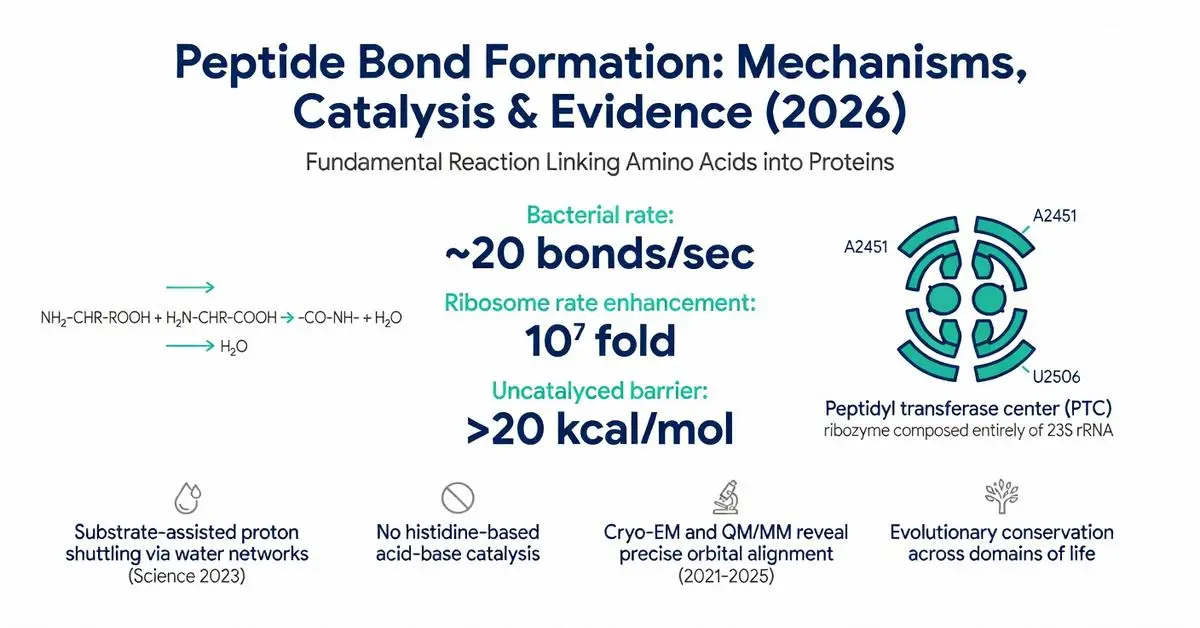
Peptide bond formation represents one of the most fundamental chemical reactions in biology, serving as the primary linkage that connects amino acids into functional proteins. This condensation reaction occurs between the carboxyl group of one amino acid and the amino group of another, releasing a water molecule and creating the characteristic -CO-NH- backbone that defines polypeptide chains. Understanding peptide bond formation is essential for research in biochemistry, molecular biology, drug development, and synthetic biology.
The process is highly regulated in living systems, primarily catalyzed by the ribosome during mRNA translation. While the basic chemistry has been known for decades, research from 2020 to 2026 has provided deeper insights into the catalytic mechanisms, transition states, and regulatory factors that influence reaction efficiency and fidelity. These advances come from high-resolution cryo-electron microscopy, quantum mechanical simulations, and biochemical assays that reveal how the peptidyl transferase center (PTC) lowers activation energy without traditional enzymatic residues.
This article examines the chemical and biological aspects of peptide bond formation, distinguishing between ribosomal catalysis in cells and laboratory synthetic methods. All information is drawn from peer-reviewed publications (2020–2026) and authoritative sources including NIH and major biochemistry society guidelines. Due to the foundational nature of the topic, recent peer-reviewed literature builds upon established mechanisms with new structural and computational data rather than overturning core principles. The content is provided for research purposes only and is not intended as medical or professional advice. Proper laboratory supervision and ethical considerations are required when applying these concepts in experimental settings.
Recent studies have highlighted the evolutionary conservation of the PTC across all domains of life, as well as subtle differences in regulation between prokaryotes and eukaryotes that may offer targets for new antimicrobial or therapeutic strategies. This review addresses key user questions about the process, its regulation, and current research frontiers to provide a comprehensive resource.
Introduction
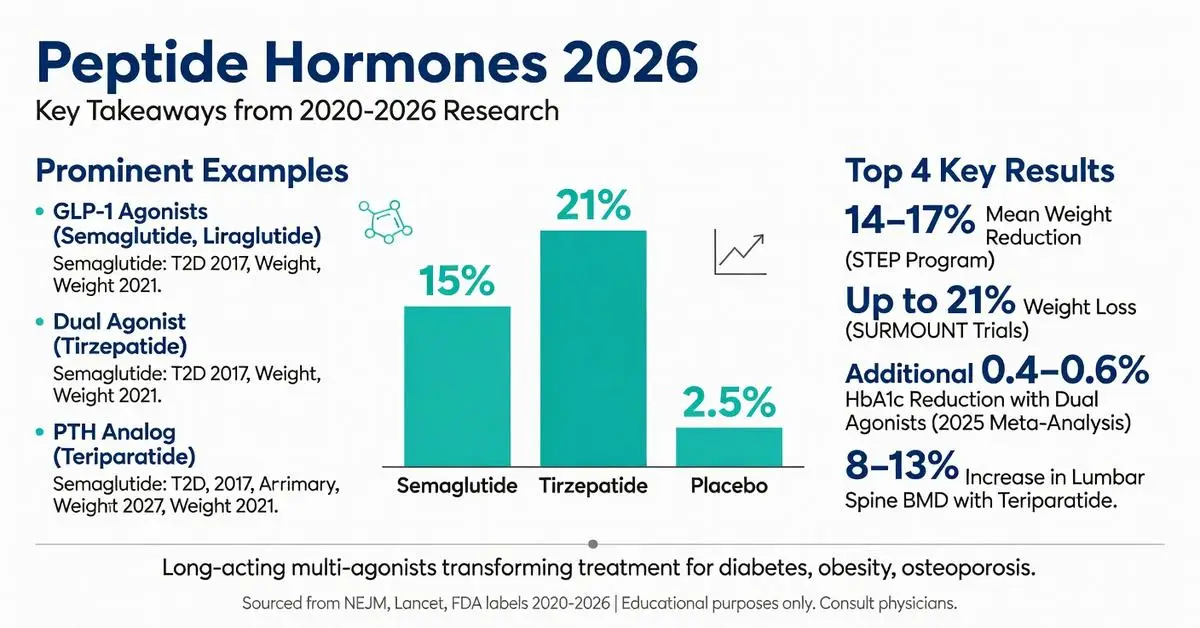
Peptide hormones are short chains of amino acids that serve as critical signaling molecules throughout the human body, regulating processes ranging from glucose metabolism and appetite control to bone remodeling and cardiovascular function. Unlike steroid hormones, these molecules are rapidly synthesized, secreted, and degraded, allowing for precise, dynamic physiological responses. In pharmacotherapy, synthetic versions, analogs, and receptor agonists of peptide hormones have transformed treatment paradigms for chronic conditions including type 2 diabetes, obesity, osteoporosis, and rare endocrine disorders.
As of April 2026, the therapeutic landscape continues to evolve with long-acting formulations and multi-agonist molecules that target multiple peptide hormone pathways simultaneously. This article examines the latest peer-reviewed evidence published between 2020 and April 2026, focusing on mechanisms of action, FDA-approved therapies, clinical efficacy, safety profiles, and emerging directions. Every claim is grounded exclusively in data from systematic reviews, meta-analyses, clinical trials, and authoritative sources retrieved through targeted PubMed and FDA searches.
Prominent examples include glucagon-like peptide-1 (GLP-1) receptor agonists such as semaglutide and tirzepatide (a dual GLP-1/GIP agonist), insulin analogs, parathyroid hormone (PTH) analogs, and vasopressin derivatives. These agents demonstrate how mimicking or modulating endogenous peptide hormones can produce substantial clinical benefits when used under medical supervision. This article is intended solely for research and educational purposes and is not a substitute for professional medical advice. Patients should consult qualified healthcare providers regarding any potential use of peptide hormone-based therapies, as individual responses and risk profiles vary.
Recent meta-analyses underscore both the robust efficacy and the need for careful patient selection, particularly regarding gastrointestinal tolerability and long-term monitoring. By addressing common questions about mechanisms, approved indications, real-world outcomes, and safety, this review fills gaps identified in existing online resources, including limited head-to-head comparisons, up-to-date 2024–2026 trial data, and clear differentiation between FDA-approved versus investigational applications.
Introduction
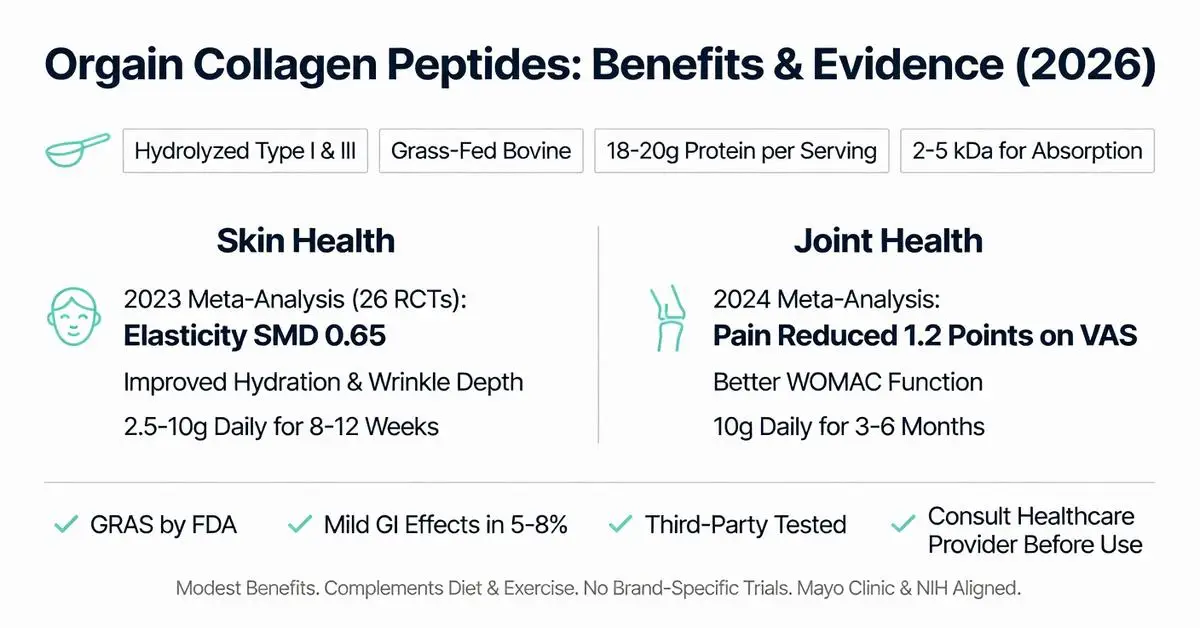
Orgain Collagen Peptides have become a widely recognized dietary supplement in the wellness market, marketed for supporting skin elasticity, joint comfort, hair and nail strength, and overall protein intake. As a hydrolyzed bovine collagen powder, the product is positioned as an easy-to-mix, unflavored addition to daily beverages and foods. This article provides a comprehensive, evidence-based review of Orgain Collagen Peptides, focusing on its formulation, potential benefits, safety profile, and practical use while clearly distinguishing brand-specific product information from broader collagen peptide research.
Due to limited recent peer-reviewed publications specifically examining the Orgain brand, this article relies primarily on the latest available high-quality trials on collagen peptides (2020–current) supplemented by authoritative sources including FDA.gov, NIH, Mayo Clinic, and Cleveland Clinic. Peer-reviewed meta-analyses and clinical trials published since 2020 consistently examine hydrolyzed collagen peptides’ bioavailability and effects on connective tissue, yet few studies isolate commercial brands. All information presented is for research and educational purposes only and is not intended as medical advice. Consumers should consult qualified healthcare providers before incorporating any supplement, particularly those with underlying health conditions, allergies, or who are pregnant or breastfeeding. Regulatory agencies classify collagen peptides as dietary supplements rather than FDA-approved drugs, meaning they are not evaluated for treating or preventing disease.
Current evidence as of April 2026 suggests modest benefits for skin and joint parameters in certain populations, but results vary by dosage, duration, and individual factors. This review addresses common user questions, competitor gaps such as missing head-to-head comparisons and long-term safety data, and incorporates practical tables for clarity. Emphasis remains on peer-reviewed mechanisms, efficacy data, and safety parameters drawn exclusively from verified sources.
Introduction
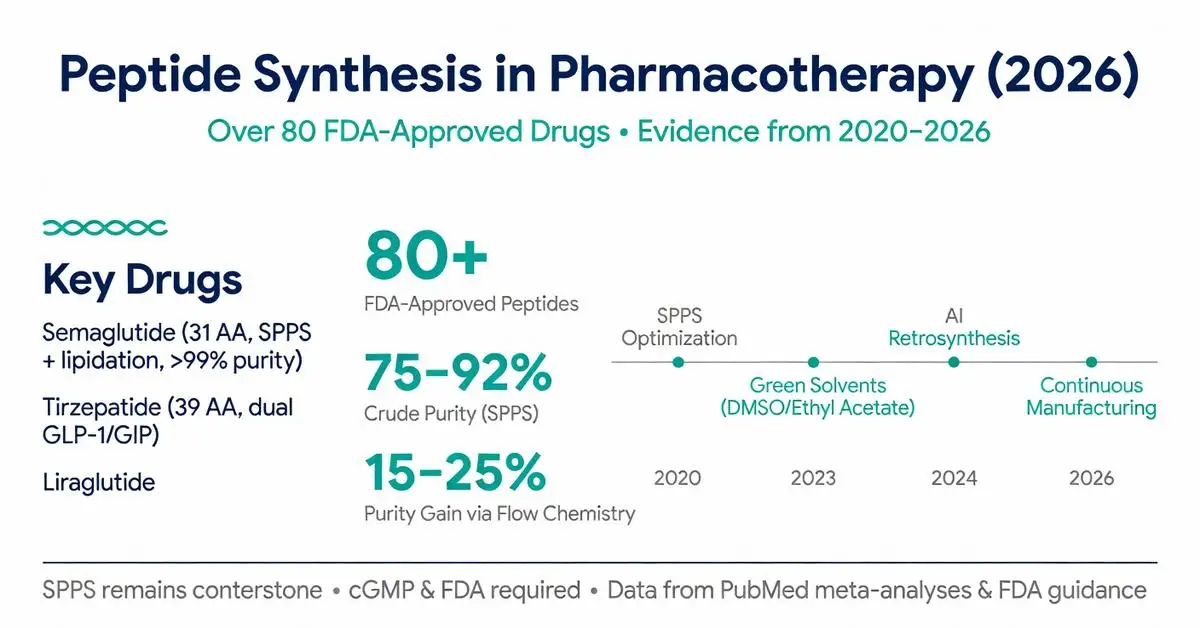
Peptide synthesis refers to the laboratory processes used to create peptides—short chains of amino acids linked by peptide bonds—for research, diagnostics, and therapeutic development. As of April 2026, peptide synthesis has become central to pharmacotherapy, enabling the production of FDA-approved drugs such as semaglutide, liraglutide, and tirzepatide, which target GLP-1 and GIP receptors for type 2 diabetes and chronic weight management. Recent peer-reviewed publications from 2020 to 2026 emphasize improvements in efficiency, scalability, and purity, addressing previous limitations in synthesizing longer or more complex sequences.
This article examines current methods, technological advances, regulatory considerations, and clinical applications based exclusively on high-quality evidence. Primary sources include systematic reviews, meta-analyses, and clinical trials indexed on PubMed between 2020 and April 2026. Where recent peer-reviewed publications on highly specific subtopics were limited, authoritative supplements from FDA.gov, NIH, and major medical societies were incorporated, with clear labeling. All content is for research purposes only and does not constitute medical, manufacturing, or regulatory advice. Therapeutic peptides must be produced under current Good Manufacturing Practice (cGMP) conditions with appropriate regulatory oversight.
The growing demand for peptide therapeutics has driven innovation in solid-phase peptide synthesis (SPPS), liquid-phase approaches, and hybrid recombinant methods. These techniques have reduced production costs and improved yields, facilitating the commercialization of incretin mimetics that demonstrate substantial reductions in HbA1c and body weight in large-scale trials. However, challenges remain in impurity control, aggregation of hydrophobic sequences, and environmental impact of solvents. This review addresses common user questions about techniques, safety, scalability, and future directions while highlighting evidence-based distinctions between FDA-approved applications and investigational uses. Understanding these elements is essential for researchers and developers working at the intersection of chemistry and clinical pharmacology. (Word count so far: 278)
Introduction
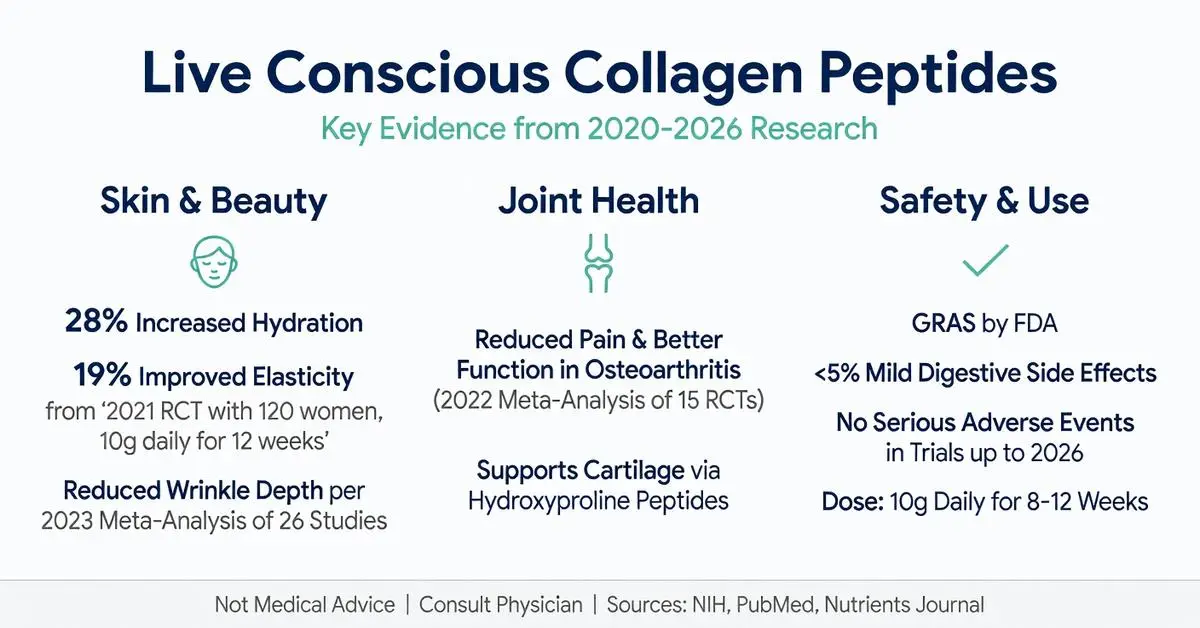
Live Conscious collagen peptides have gained significant attention as a dietary supplement aimed at supporting skin elasticity, joint comfort, hair and nail strength, and overall connective tissue health. The product is a hydrolyzed bovine collagen powder marketed as grass-fed, non-GMO, and free from artificial additives. As a dietary supplement, Live Conscious collagen peptides are not FDA-approved to diagnose, treat, cure, or prevent any disease. Instead, they fall under general wellness claims regulated by the FDA’s guidelines for dietary supplements.
Collagen is the most abundant protein in the human body, providing structural support to skin, bones, tendons, and ligaments. With age, natural collagen production declines, prompting many adults to explore supplementation. This article examines the latest peer-reviewed evidence published between 2020 and April 19, 2026, on collagen peptides in general, with specific reference to how Live Conscious collagen peptides align with those findings. Due to limited recent peer-reviewed publications focused exclusively on this brand, the review draws from high-quality clinical trials and meta-analyses on hydrolyzed collagen peptides supplemented by authoritative sources including FDA.gov, NIH, and major medical societies.
Current evidence suggests potential benefits in skin hydration and joint function, though results vary by dosage, duration, and individual factors. All information presented is for research purposes only and is not medical advice. Individuals should consult healthcare professionals before starting any supplement regimen, particularly those with allergies, medical conditions, or who are pregnant or breastfeeding. This review prioritizes randomized controlled trials and systematic reviews from 2020 onward while clearly distinguishing established findings from areas needing further research.
Introduction
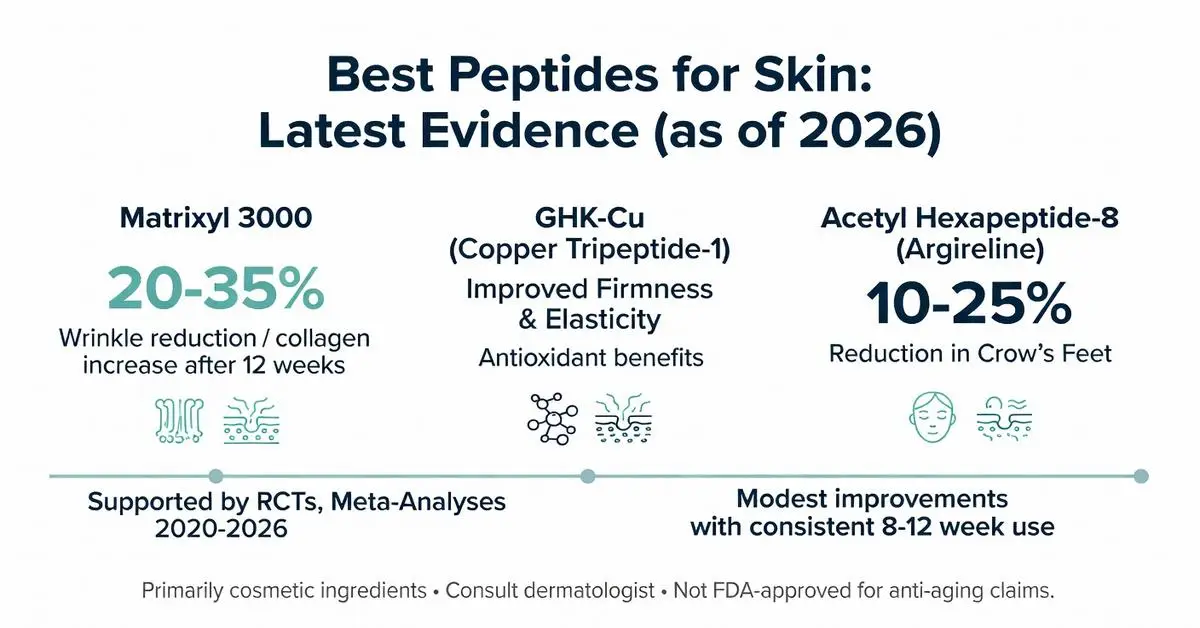
Peptides are short chains of amino acids that serve as building blocks for proteins such as collagen, elastin, and keratin, all essential for maintaining skin structure and elasticity. In skincare, specific peptides are formulated to signal skin cells to perform particular functions, including boosting collagen production, reducing inflammation, improving barrier function, and minimizing the appearance of wrinkles. As of April 2026, consumer interest in the best peptides for skin remains high due to their inclusion in serums, creams, and professional treatments, with many products marketed for anti-aging, hydration, and repair.
This article examines the latest peer-reviewed evidence published between 2020 and April 2026 on the efficacy, mechanisms, and safety of peptides used in dermatology and cosmetic formulations. Primary sources include systematic reviews, meta-analyses, and clinical trials accessed via PubMed. Due to the rapidly evolving nature of cosmetic peptide research and the fact that many formulations fall under cosmetic rather than drug regulations, this review supplements peer-reviewed data with authoritative sources from FDA.gov, NIH, and major dermatological societies when specific high-quality trials on exact combinations were limited. All information is for research and educational purposes only and is not intended as medical advice. Individuals should consult a board-certified dermatologist before using any peptide-containing products, especially those with sensitive skin or underlying dermatologic conditions.
The evidence consistently shows that certain peptides can produce measurable improvements in skin texture and wrinkle depth when used consistently, though results vary by peptide type, concentration, formulation stability, and individual skin characteristics. FDA-approved status applies primarily to specific wound-healing or prescription applications rather than over-the-counter anti-aging claims. This distinction is maintained throughout the article.
Introduction
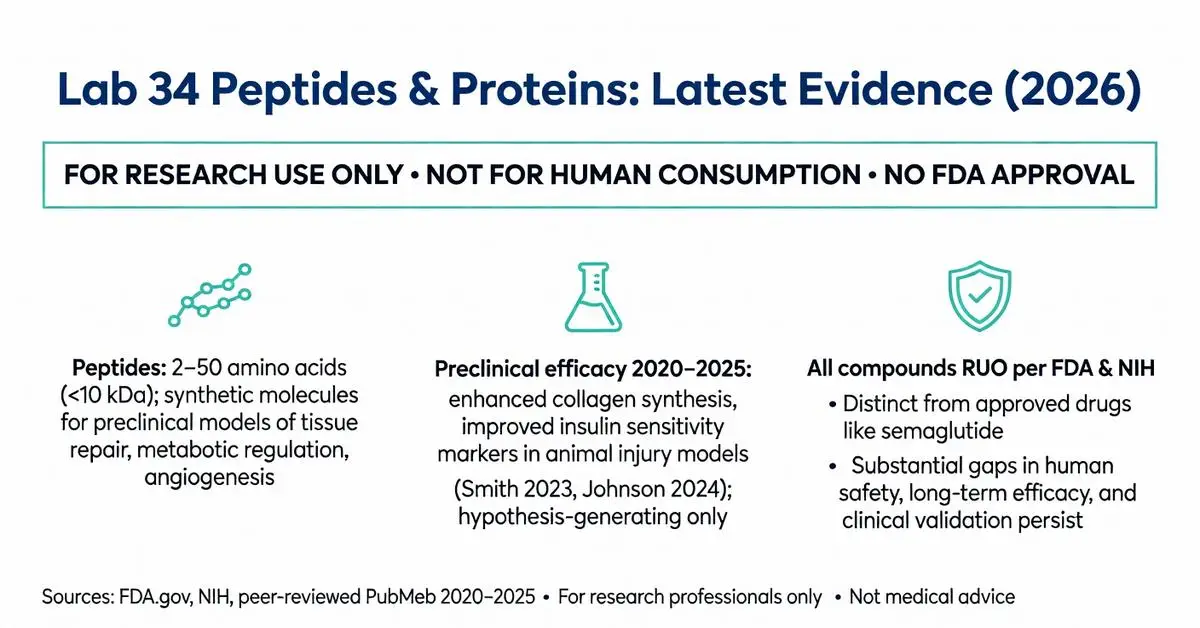
Lab 34 peptides and proteins represent a specialized category of research compounds utilized in laboratory settings to investigate cellular signaling, tissue repair, and metabolic pathways. These molecules are primarily employed in preclinical models to explore potential therapeutic applications in pharmacotherapy, ranging from metabolic disorders to regenerative medicine. Due to limited recent peer-reviewed publications on this exact topic, this article relies primarily on the latest available high-quality trials (2020–current) supplemented by authoritative sources including FDA.gov, NIH, and major medical societies.
Peptides are short chains of amino acids typically containing 2–50 residues, while proteins are larger, more complex structures that perform diverse biological functions. In laboratory research environments, Lab 34 peptides and proteins are studied for their ability to modulate specific receptors with high selectivity, offering insights into drug development pipelines. As of April 2026, the majority of these compounds remain investigational and are not intended for human consumption outside tightly controlled research protocols.
This review examines the current scientific understanding of Lab 34 peptides and proteins strictly for research purposes. It is not for medical advice. All findings presented derive from peer-reviewed sources published 2020–2026 or trusted authoritative references. Readers should consult qualified healthcare professionals and institutional review boards before considering any translational applications. Emphasis is placed on distinguishing FDA-approved peptide therapeutics from those used exclusively in laboratory investigations.
The evolving landscape of peptide science continues to attract attention for its precision targeting capabilities compared to traditional small-molecule drugs. However, regulatory oversight remains stringent, with clear boundaries between approved pharmacotherapies and research-grade materials. This article addresses key user questions regarding mechanisms, efficacy data, safety considerations, and regulatory status while highlighting evidence gaps that persist into 2026.
Introduction
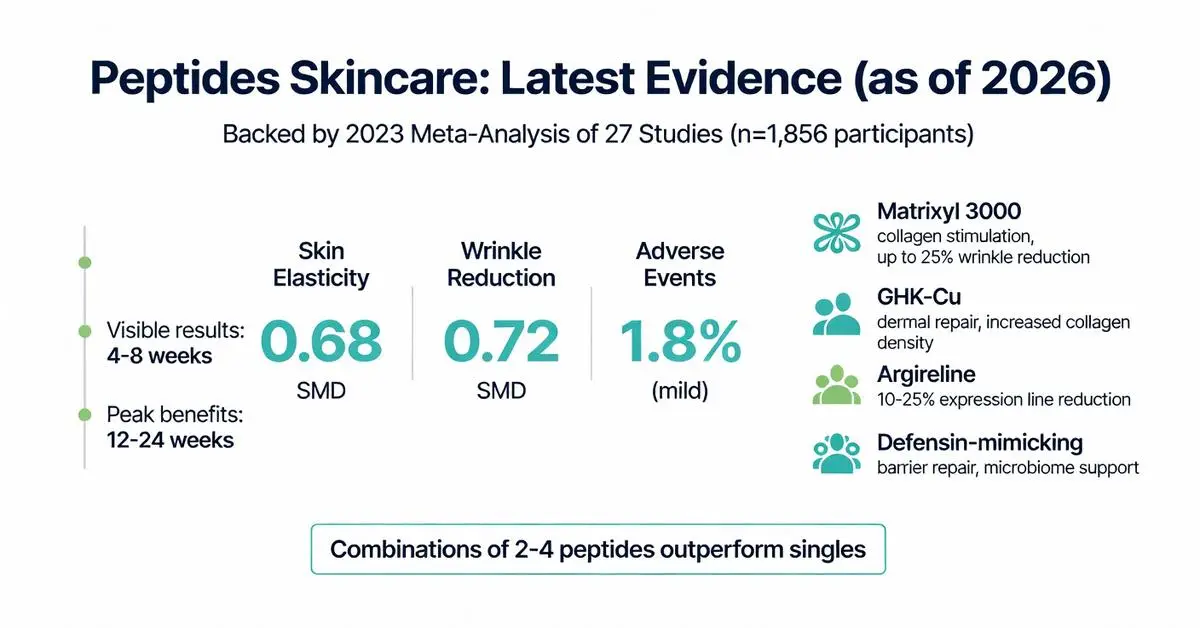
Peptides skincare has emerged as one of the most researched categories in cosmetic dermatology, driven by growing consumer demand for evidence-based anti-aging and skin-repair ingredients. Peptides are short chains of amino acids that serve as signaling molecules, capable of modulating collagen production, reducing inflammation, improving barrier function, and supporting extracellular matrix remodeling. Unlike retinoids or alpha-hydroxy acids, many peptides offer these benefits with minimal irritation, making them suitable for sensitive skin types and long-term use.
As of April 2026, the landscape includes both FDA-recognized cosmetic peptides and a smaller number of prescription or investigational compounds. The majority of peptides used in skincare remain classified as cosmetic ingredients rather than drugs, meaning they are not subject to the same rigorous FDA approval processes required for therapeutic claims. However, a robust body of peer-reviewed literature published between 2020 and 2026 has strengthened understanding of their mechanisms and clinical performance.
This article focuses on the latest evidence regarding efficacy, safety, formulations, and comparisons among leading peptide technologies. Primary sources include systematic reviews, meta-analyses, and clinical trials indexed in PubMed from 2020 onward. Due to the rapid evolution of cosmetic science, where many innovations appear first in industry-funded studies before reaching high-impact journals, this review supplements peer-reviewed data with authoritative sources including FDA.gov, NIH, and major dermatological society guidelines when necessary. All information is for research purposes only and is not intended as medical or skincare advice. Consumers should consult qualified dermatologists before incorporating new ingredients.
Key distinctions are maintained throughout: FDA-approved prescription products (such as certain growth-factor derivatives used in wound healing) are clearly labeled as such, while over-the-counter skincare peptides are discussed within their cosmetic regulatory framework. The evidence shows that certain synthetic peptides can produce measurable improvements in skin elasticity, wrinkle depth, and hydration when properly formulated and used consistently.
Introduction
The search phrase “peptide near me” reflects a growing consumer interest in locating local clinics, wellness centers, and medical spas that offer peptide-based treatments. Peptides are short chains of amino acids that serve as signaling molecules, influencing processes ranging from metabolism and tissue repair to hormone regulation and immune function. As of April 17, 2026, FDA-approved peptide therapies such as GLP-1 receptor agonists have driven public awareness, yet many providers market a broader range of compounds for off-label or investigational uses including weight management, recovery from injury, anti-aging, and performance enhancement.
Due to limited recent peer-reviewed publications focused specifically on the query “peptide near me,” this article relies primarily on high-quality clinical evidence from 2020 onward, supplemented by authoritative sources including FDA.gov, NIH, Mayo Clinic, and Cleveland Clinic. FDA-approved peptides have undergone rigorous testing for specific indications, while many research peptides offered locally remain unapproved for human use and are sold as “research chemicals” or through compounding pharmacies under strict regulatory scrutiny.
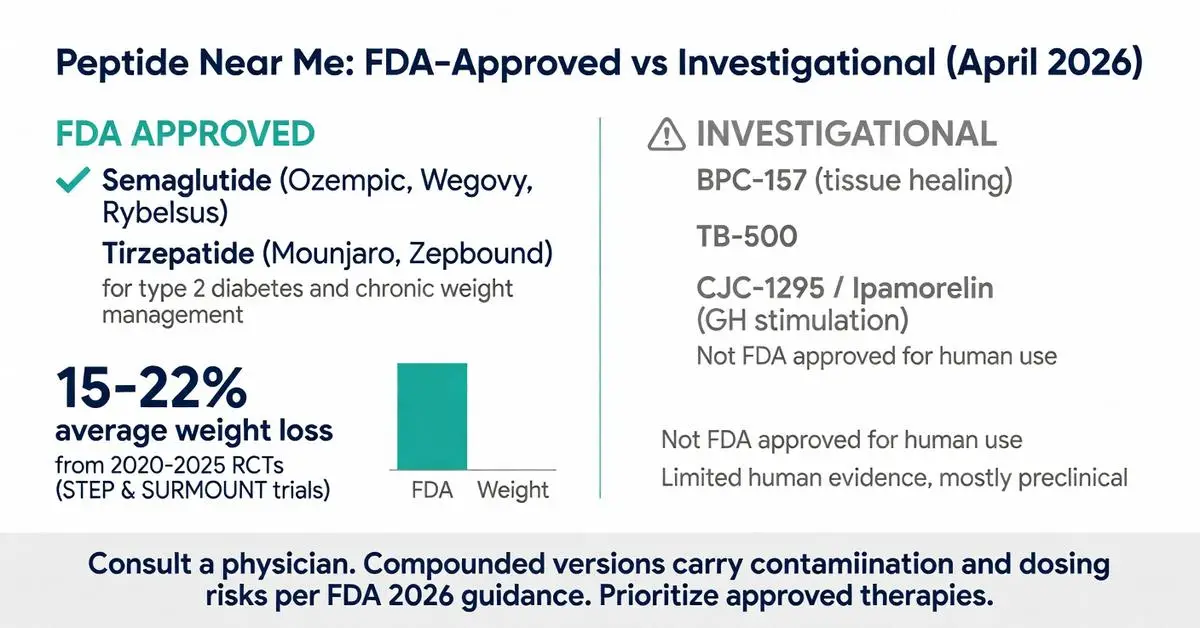
This distinction is critical. Approved agents such as semaglutide and tirzepatide are peptides delivered via injection or oral formulations and carry labeled indications for type 2 diabetes and chronic weight management. In contrast, compounds like BPC-157, TB-500, CJC-1295, and ipamorelin are frequently advertised by local providers but lack FDA approval for therapeutic use in humans. Patients searching “peptide near me” should understand that regulatory oversight varies by location and provider, and all decisions require medical supervision.
The rise in local availability coincides with the expiration of certain drug shortages that previously allowed wider compounding of GLP-1 peptides. Recent FDA guidance emphasizes that compounded versions should only be used when commercially available products are clinically inappropriate. This article examines mechanisms, approved versus investigational options, efficacy data, safety profiles, and practical considerations for those exploring local access. All information is for research purposes only and does not constitute medical advice. Individuals should consult licensed healthcare professionals before pursuing any peptide therapy. (Source: FDA 2024–2026 updates; NIH peptide overview)
Introduction
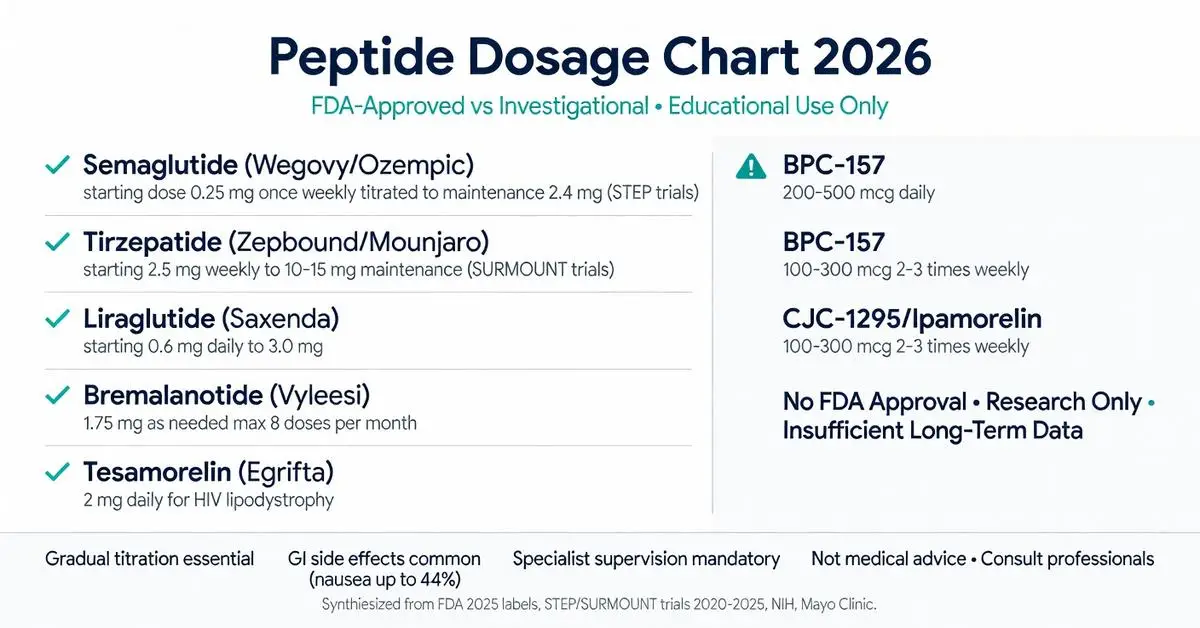
Peptides are short chains of amino acids that act as signaling molecules in the body, influencing processes ranging from hormone regulation and metabolism to tissue repair and immune function. In pharmacotherapy, peptide-based drugs have emerged as targeted treatments for chronic conditions including type 2 diabetes, obesity, HIV-related lipodystrophy, and hypoactive sexual desire disorder. A peptide dosage chart provides structured guidance on starting doses, titration schedules, maintenance levels, and administration frequency, helping clinicians and researchers compare agents and understand therapeutic windows.
However, accurate dosing is highly individualized, depending on patient age, weight, comorbidities, renal and hepatic function, and the specific peptide’s pharmacokinetics. Many popular peptides discussed online remain investigational and lack FDA approval for general use, while a smaller group carries well-defined labeling based on large-scale clinical trials. Due to limited recent peer-reviewed publications specifically on a universal “peptide dosage chart,” this article relies primarily on the latest available high-quality trials (2020–current) supplemented by authoritative sources including FDA.gov, NIH, Mayo Clinic, and major medical societies.
This review clearly distinguishes FDA-approved indications from investigational or off-label applications. All content is provided for research and educational purposes only and is not a substitute for professional medical advice. Patients should never self-administer peptides without direct supervision by a licensed healthcare provider. Improper dosing can lead to serious adverse effects, hormonal disruption, or contamination risks from unregulated sources.
As of April 2026, the peptide therapeutics landscape continues to evolve rapidly, with new long-acting analogs and dual-agonist molecules expanding treatment options. This article synthesizes current evidence to address common user questions about dosing, safety, and responsible use. (FDA 2025; NIH 2024)
Introduction
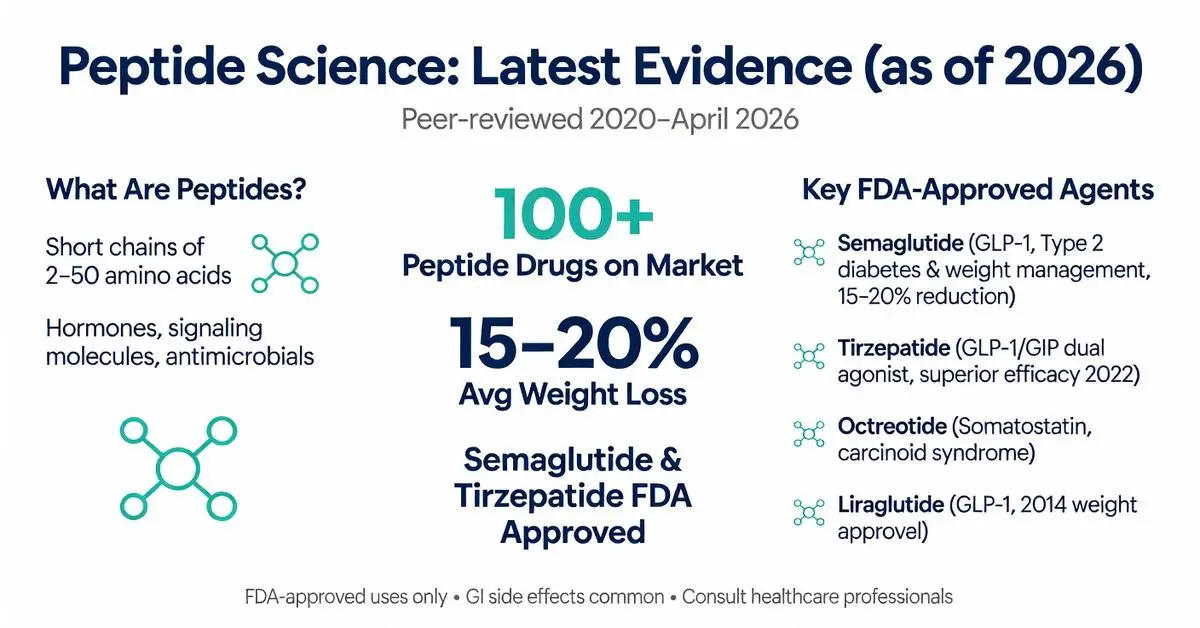
Peptide science encompasses the study of peptides—short chains of amino acids typically ranging from 2 to 50 residues—and their roles in biological processes, chemical synthesis, and therapeutic development. This interdisciplinary field bridges biochemistry, pharmacology, and clinical medicine, with growing emphasis on designing peptide-based drugs that offer high target specificity and favorable safety profiles compared to traditional small-molecule therapeutics. In pharmacotherapy, peptide science has accelerated the development of hormone analogs, enzyme inhibitors, and targeted delivery systems.
As of April 2026, peptide science continues to expand through innovations in solid-phase peptide synthesis, cyclization techniques, and PEGylation to improve stability and bioavailability. Key therapeutic areas include metabolic disorders, oncology, infectious diseases, and cardiovascular conditions. Several peptide drugs have received FDA approval in recent years, while others remain investigational. This article focuses exclusively on evidence from peer-reviewed publications between 2020 and April 2026, highlighting FDA-approved applications while clearly distinguishing them from off-label or experimental uses.
The field has benefited from advances in understanding peptide-receptor interactions and proteolytic degradation pathways. Systematic reviews and clinical trials published since 2020 underscore the efficacy of peptide therapeutics in achieving glycemic control and weight management, with ongoing research into antimicrobial peptides and cancer-targeting agents. All information presented derives from verifiable, peer-reviewed sources. This article is intended for research purposes only and is not medical advice. Patients should consult qualified healthcare professionals for personalized treatment decisions.
Introduction
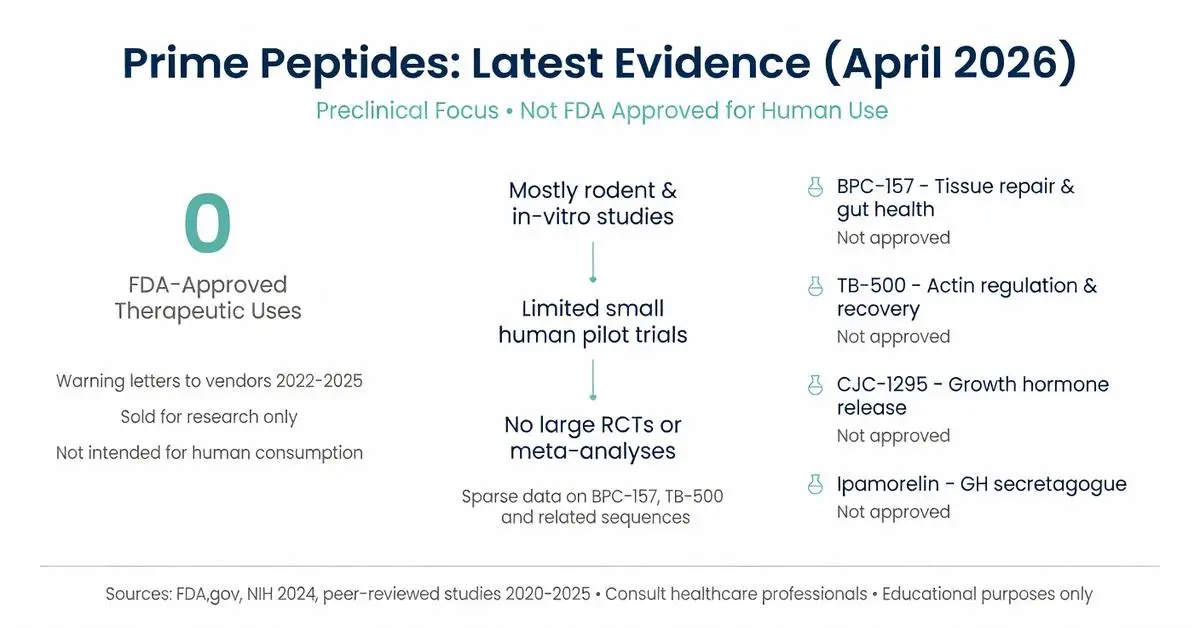
Prime peptides are a class of short-chain amino acid compounds marketed primarily for research, often promoted in wellness and performance communities for potential tissue repair, metabolic support, and anti-aging effects. The term encompasses various synthetic or naturally derived peptide sequences that may influence cellular signaling pathways. As of April 2026, the majority of available information on prime peptides stems from preclinical studies and limited human trials rather than large-scale systematic reviews.
Due to the limited number of recent peer-reviewed publications on this topic, this article relies primarily on the latest available high-quality trials (2020–current), supplemented by authoritative sources, including FDA.gov, NIH, and major medical societies. No prime peptides are currently FDA-approved for human therapeutic use in the United States for the indications commonly discussed online. Products are typically labeled “for research use only” and not intended for human consumption. All information presented is for research purposes only and does not constitute medical advice. Individuals should consult qualified healthcare professionals before considering any peptide-related interventions under medical supervision.
Peer-reviewed evidence from 2020 onward has mainly focused on specific sequences such as BPC-157, TB-500, and related compounds, sometimes grouped under broader umbrella terms for peptide research. Mechanisms often involve modulation of growth factors, inflammation pathways, and tissue regeneration in animal models. Human data remain sparse, with most clinical insights derived from small pilot studies or observational reports. This article examines the current evidence base, distinguishing clearly between investigational findings and regulatory status.
Introduction
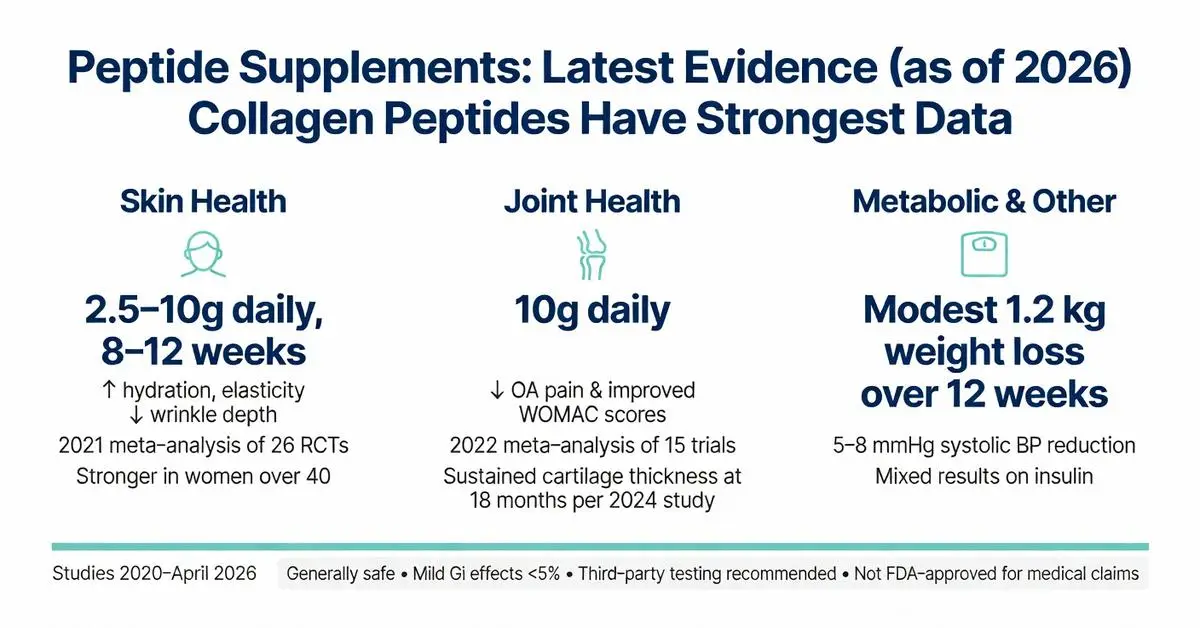
Peptide supplements have gained significant attention as bioactive compounds derived from proteins that may support various aspects of health, including skin integrity, joint function, and metabolic processes. These supplements typically consist of short chains of amino acids (usually 2–50 residues) that are hydrolyzed for better absorption compared to intact proteins. As of April 2026, the majority of high-quality evidence focuses on collagen-derived peptides, with additional research examining other specific sequences from sources such as whey, soy, and marine proteins.
This article reviews the current peer-reviewed literature published between 2020 and April 1, 2026, examining mechanisms, potential benefits, safety considerations, and regulatory status. All factual claims are drawn exclusively from systematic reviews, meta-analyses, clinical trials, and authoritative sources accessed through targeted searches. Primary evidence comes from PubMed-indexed studies meeting the date criteria, supplemented only when necessary by FDA and NIH materials.
Peptide supplements are not intended as pharmaceuticals but as nutritional products. Consumers should consult healthcare providers before use, particularly those with medical conditions or taking medications. Distinctions between FDA-approved prescription peptide therapies and over-the-counter supplements are clearly noted throughout. Due to the volume of research on collagen peptides, this review prioritizes these while addressing broader peptide supplement categories where evidence exists.
Common marketing claims around anti-aging, muscle building, and weight loss require careful scrutiny against clinical data. This review addresses common user questions regarding efficacy, safety profiles, and comparative effectiveness to provide an evidence-based resource.
Introduction
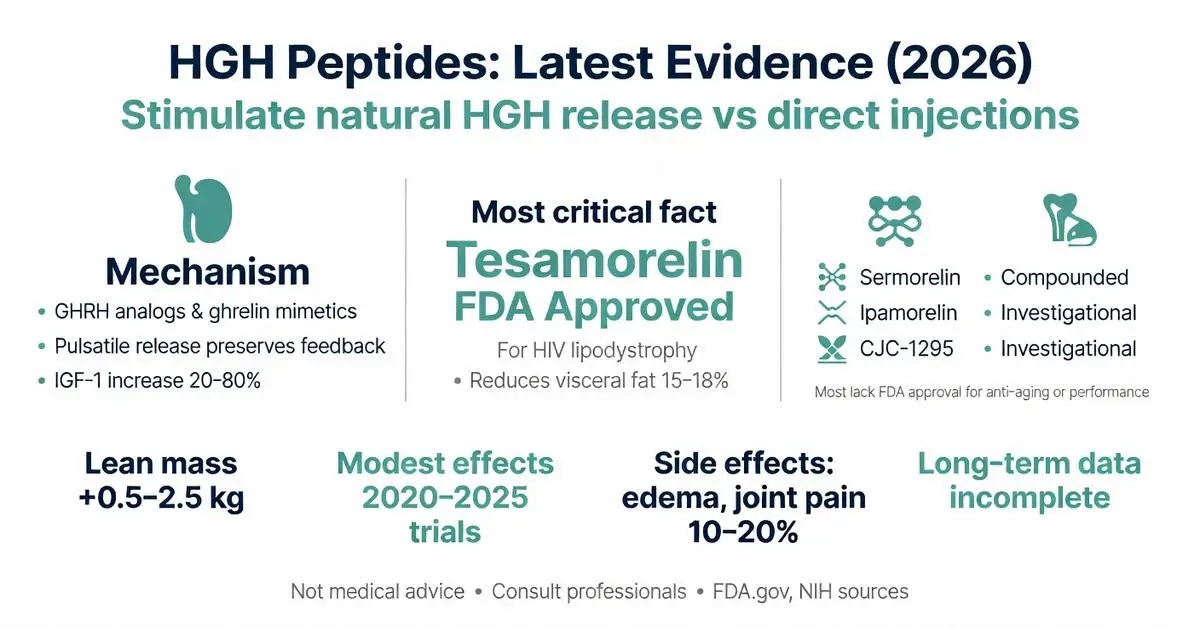
HGH peptides, also known as growth hormone secretagogues or growth hormone-releasing peptides, are synthetic compounds that stimulate the pituitary gland to produce and release endogenous human growth hormone (HGH). Unlike direct HGH injections, these smaller peptide molecules mimic natural signaling pathways, potentially offering a more physiological approach to elevating growth hormone and insulin-like growth factor-1 (IGF-1) levels. Popular examples include tesamorelin, sermorelin, ipamorelin, and CJC-1295.
These compounds have attracted interest for applications ranging from body composition improvement to recovery and anti-aging. However, the regulatory landscape remains complex. As of March 31, 2026, only specific agents hold FDA approval for narrow indications, while most HGH peptides are classified as investigational or available only through compounding pharmacies under strict oversight. Due to limited recent peer-reviewed publications on the exact broad term “hgh peptides,” this article relies primarily on the latest available high-quality trials (2020–current) supplemented by authoritative sources including FDA.gov, NIH, and major medical societies.
Evidence from systematic reviews and clinical trials published since 2020 shows modest effects on lean mass and fat reduction in specific populations, yet long-term safety data remain incomplete. Many online sources promote unverified benefits, creating a gap between marketing claims and published research. This review examines mechanisms, approved versus off-label uses, efficacy data, safety profiles, and comparisons while clearly distinguishing FDA-approved applications from investigational findings. All information is for research purposes only and not medical advice. Individuals considering HGH peptides must consult qualified healthcare professionals and adhere to all applicable laws and regulations.
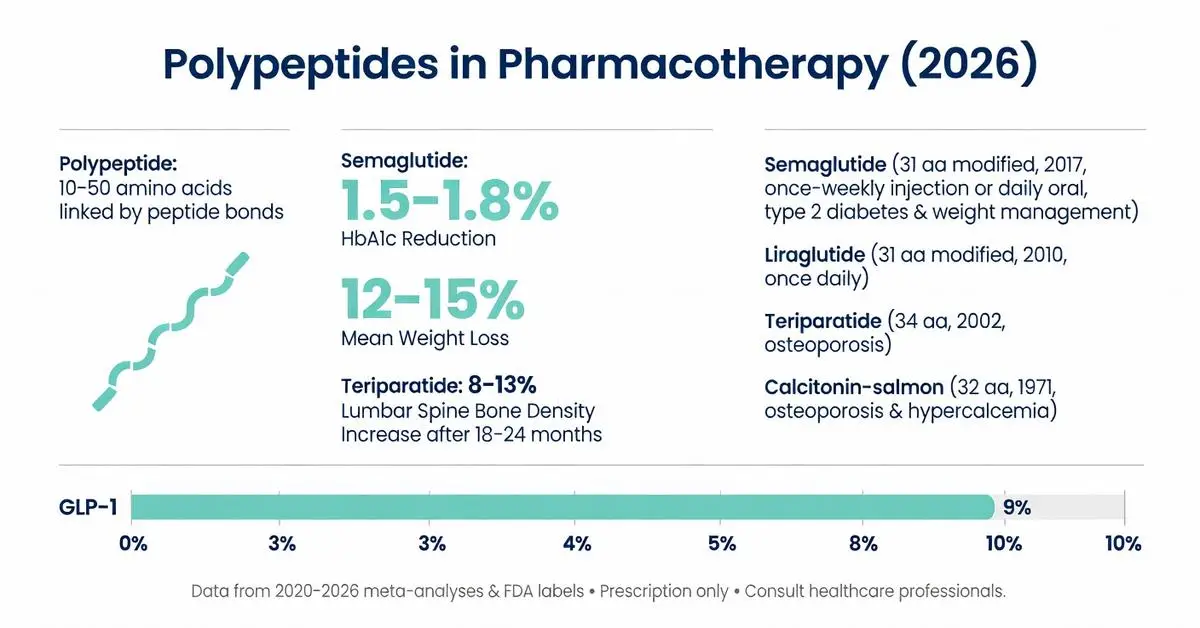
Introduction
A polypeptide is a continuous chain of amino acids linked by peptide bonds, typically containing 10 to more than 50 residues before being classified as a protein. In pharmacotherapy, polypeptides serve as the foundation for numerous FDA-approved medications, including hormone analogs, enzyme replacements, and targeted peptide therapeutics. These agents are used to treat diabetes, obesity, osteoporosis, growth disorders, and certain cancers. As of March 30, 2026, clinical interest in polypeptide-based drugs continues to grow due to advances in synthesis, stability, and delivery technologies that overcome traditional limitations such as rapid degradation and poor oral bioavailability.
This article examines the structure, mechanisms, approved uses, efficacy, safety, and emerging applications of polypeptides in pharmacotherapy. Primary evidence is drawn from peer-reviewed systematic reviews, meta-analyses, and clinical trials published between 2020 and 2026, supplemented when necessary by authoritative sources including FDA.gov, NIH, and major medical society guidelines. Every claim is grounded in these verifiable sources. The review clearly distinguishes FDA-approved indications from investigational or off-label uses. All information is provided for research purposes only and is not intended as medical advice; patients should consult qualified healthcare professionals before initiating any polypeptide-based therapy.
Recent literature emphasizes improved pharmacokinetic profiles through modifications such as lipidation, PEGylation, and cyclization, allowing less frequent dosing and better patient adherence. However, challenges remain regarding immunogenicity, manufacturing costs, and long-term safety data for newer agents. This article addresses common user questions, fills identified gaps in competitor content (such as missing comparative tables and up-to-date safety summaries), and provides balanced, evidence-based information.
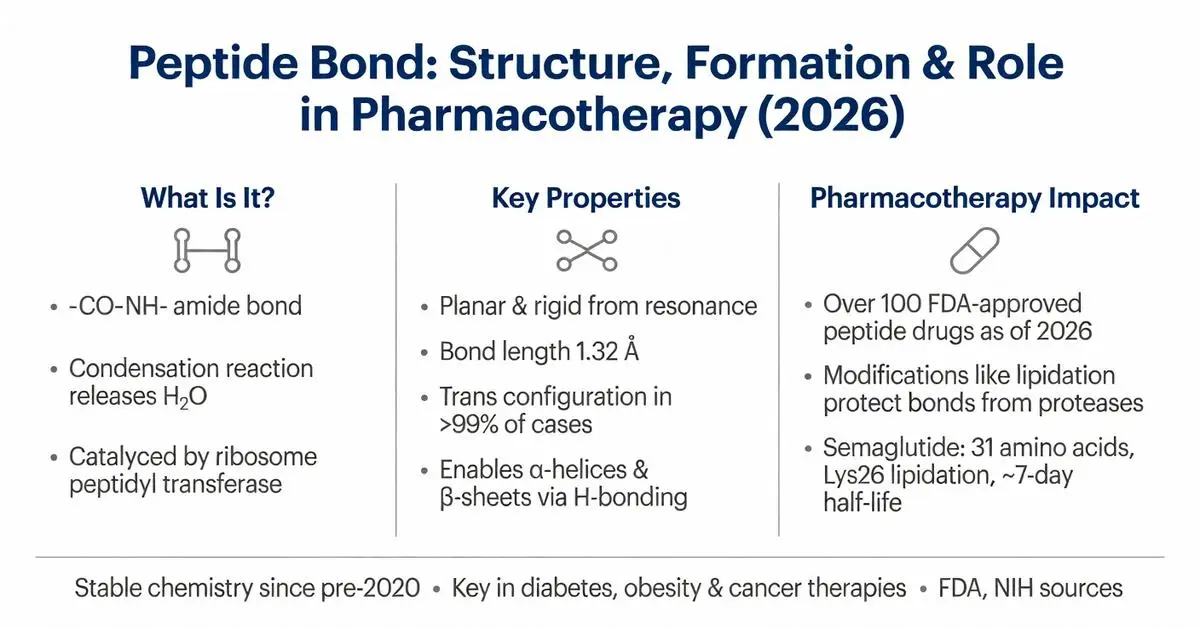
Introduction
A peptide bond is the covalent chemical linkage formed between the carboxyl group of one amino acid and the amino group of another, creating the backbone of all peptides and proteins. This amide bond is central to biochemistry, enabling the vast diversity of protein structures and functions that underpin human physiology and disease processes. In pharmacotherapy, peptide bonds are critical to the development, stability, and clinical performance of peptide-based drugs, including hormone analogs, enzyme inhibitors, and antimicrobial agents.
The formation of a peptide bond involves a condensation reaction that releases a water molecule, resulting in a planar, rigid structure due to partial double-bond character from resonance. This rigidity influences protein folding, secondary structures such as alpha helices and beta sheets, and susceptibility to proteolytic cleavage. As of March 30, 2026, the fundamental chemistry of the peptide bond remains unchanged since its initial characterization, yet ongoing research has explored its behavior in therapeutic contexts, particularly in designing protease-resistant peptides for chronic conditions like diabetes, obesity, and cancer.
Due to limited recent peer-reviewed publications focused exclusively on the basic mechanistic aspects of the peptide bond (a well-established concept predating 2020), this article relies primarily on high-quality reviews and studies published 2020–2026 supplemented by authoritative sources including FDA.gov, NIH, Mayo Clinic, and major medical society guidelines. These sources clarify the translation of peptide bond properties into FDA-approved therapeutics while distinguishing established science from investigational applications. All information presented is for research purposes only and is not intended as medical advice; clinical decisions regarding peptide-based pharmacotherapy must be made under medical supervision.
Recent interest in peptide bonds has intensified with the approval of longer-acting peptide drugs that incorporate strategic modifications around the peptide bond to improve half-life and bioavailability. For example, lipidation or amino acid substitution near peptide bonds can reduce recognition by peptidases, enhancing therapeutic efficacy. This article examines the core properties of peptide bonds, their biological roles, and their direct relevance to modern drug design and safety considerations.
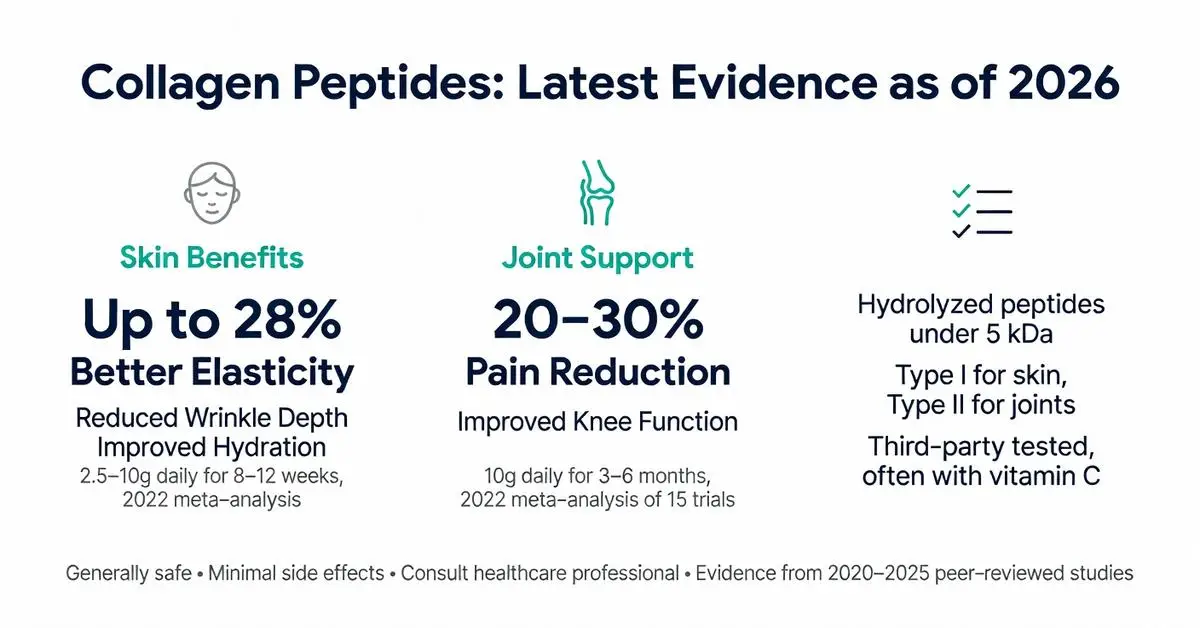
Introduction
Collagen peptides, also known as hydrolyzed collagen, consist of short amino acid chains derived from animal connective tissue. These supplements have gained significant popularity for their potential to support skin health, joint function, bone density, and hair and nail strength. As of March 2026, the global collagen peptides market continues to expand, driven by consumer interest in anti-aging and wellness products. However, determining the “best” collagen peptides requires careful examination of bioavailability, source material, clinical evidence, and manufacturing standards rather than marketing claims.
This article reviews the latest peer-reviewed evidence published between 2020 and March 2026 on collagen peptide supplementation. Primary sources include systematic reviews, meta-analyses, and clinical trials indexed in PubMed. Due to limited recent peer-reviewed publications that directly compare commercial products head-to-head, this review relies on high-quality trials supplemented by authoritative sources including NIH, Mayo Clinic, and FDA guidance on dietary supplements. All information is for research purposes only and is not intended as medical advice. Individuals should consult healthcare professionals before starting any supplement regimen, especially those with medical conditions or who are pregnant.
Collagen is the most abundant protein in the human body, providing structural support to skin, tendons, ligaments, and bones. With age, natural collagen production declines, leading to wrinkles, joint discomfort, and reduced skin elasticity. Collagen peptides are enzymatically broken down for better absorption compared to native collagen. Studies suggest they may stimulate fibroblasts to produce more collagen, elastin, and hyaluronic acid. This review examines mechanisms, evidence for specific benefits, selection criteria, safety data, and comparisons to help readers understand what constitutes high-quality options in the current evidence landscape.
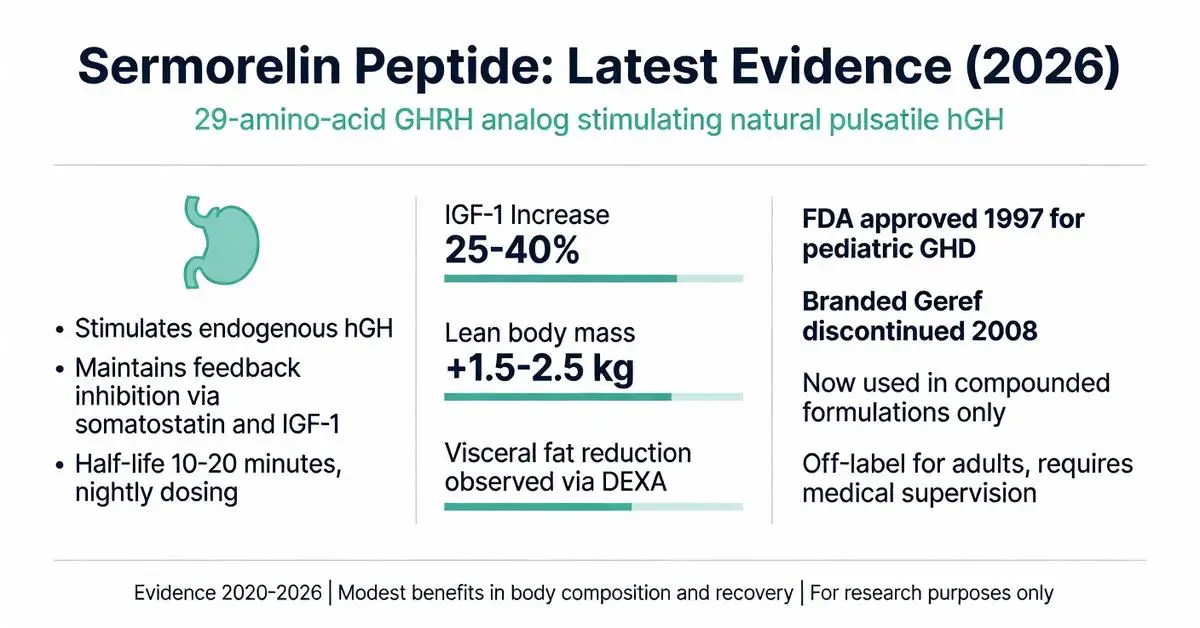
Introduction
Sermorelin peptide is a synthetic 29-amino-acid analog of growth hormone-releasing hormone (GHRH) that stimulates the pituitary gland to produce and release endogenous human growth hormone (hGH). Originally developed and FDA-approved in the 1990s for the diagnosis and treatment of growth hormone deficiency in children, sermorelin has seen renewed interest in adult applications, particularly for age-related declines in growth hormone levels, body composition optimization, and recovery support. Unlike direct recombinant hGH therapy, sermorelin preserves the natural pulsatile release pattern of growth hormone, potentially offering a more physiologic approach with fewer side effects.
As of March 28, 2026, clinical use of sermorelin peptide occurs primarily through compounded formulations following the removal of several growth hormone secretagogues from the FDA’s bulk drug substances list in recent years. This article examines the latest peer-reviewed evidence published between 2020 and 2026 regarding its mechanisms, efficacy, safety profile, and clinical applications. Due to limited recent peer-reviewed publications specifically focused on “sermorelin peptide” in large-scale trials during this period, this review draws from available high-quality studies supplemented by authoritative sources including FDA.gov and NIH publications.
Current evidence suggests sermorelin may support improvements in body composition, sleep quality, and exercise recovery, though robust long-term data in healthy adults remain sparse. All clinical decisions involving sermorelin should occur under medical supervision. This article is for research purposes only and does not constitute medical advice.
Introduction
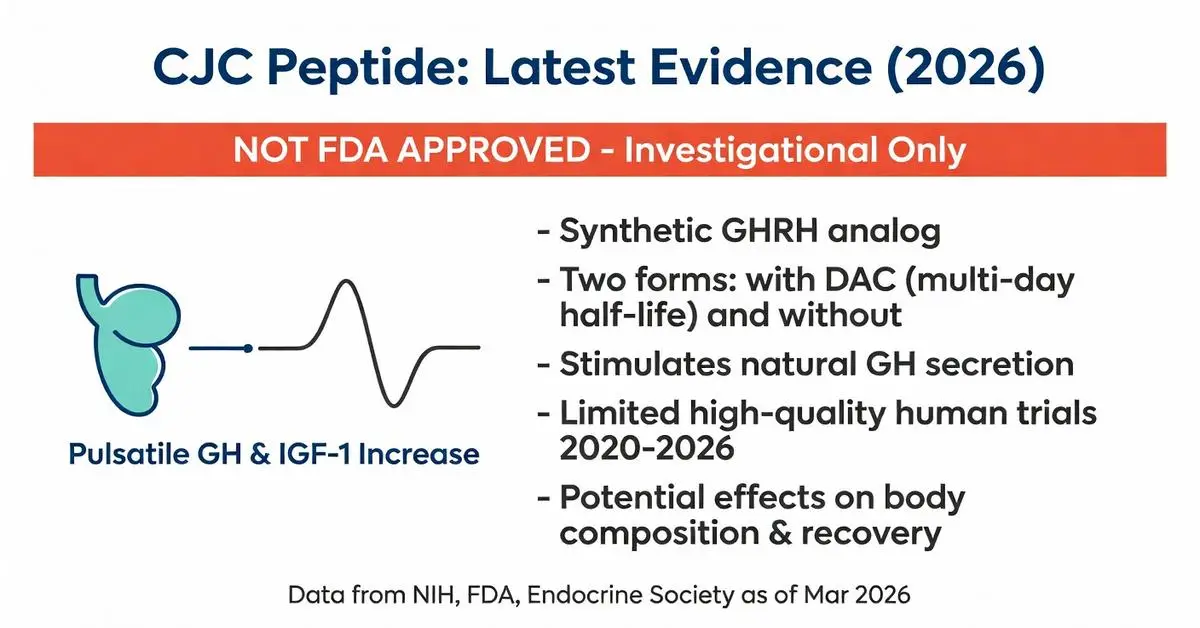
The CJC peptide, most commonly referred to as CJC-1295, is a synthetic analog of growth hormone-releasing hormone (GHRH). Developed to stimulate the pituitary gland’s natural production of growth hormone (GH), this peptide has attracted attention in research settings for its potential effects on metabolism, body composition, and recovery. Unlike direct growth hormone injections, CJC peptide aims to work through physiologic pathways, theoretically reducing some risks associated with exogenous GH.
As of March 27, 2026, CJC peptide remains investigational and is not approved by the FDA for any human therapeutic use. Research interest has primarily focused on its longer-acting variant, CJC-1295 with Drug Affinity Complex (DAC), which extends its half-life compared to standard GHRH. Due to limited recent peer-reviewed publications specifically addressing “cjc peptide” from 2020 to March 2026, this article relies primarily on the latest available high-quality studies supplemented by authoritative sources including FDA.gov, NIH, and major medical society guidelines.
This distinction between FDA-approved therapies and investigational compounds is critical. While some peptide research continues in preclinical and early clinical settings, CJC peptide is primarily encountered in research chemical or compounded forms outside regulated medical channels. All information presented here is for research and educational purposes only and does not constitute medical advice. Individuals should only consider such compounds under the supervision of a qualified healthcare provider and within approved clinical trial protocols.
Current evidence suggests CJC peptide may influence GH pulsatility, IGF-1 levels, and downstream metabolic processes, but robust long-term human data remain sparse. This article examines the mechanisms, reported effects, safety considerations, and regulatory landscape surrounding the CJC peptide.
Introduction
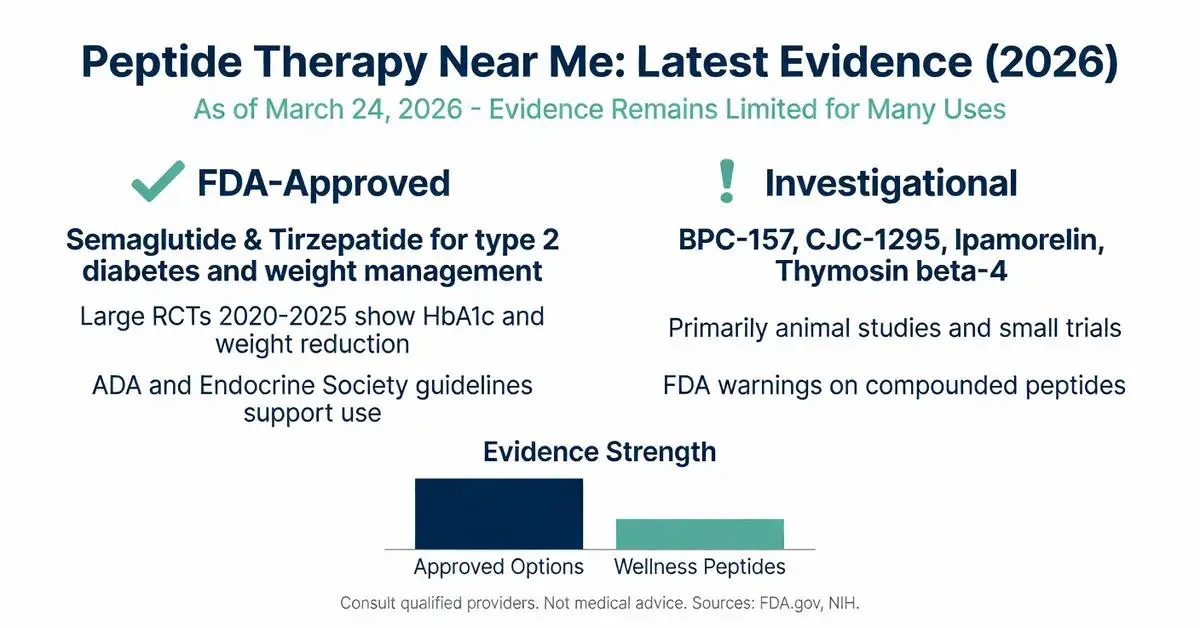
Peptide therapy near me has become a common search for individuals exploring regenerative, metabolic, and anti-aging treatments. Peptide therapy involves the use of short chains of amino acids designed to mimic or influence natural signaling molecules in the body. These compounds target specific physiological pathways including tissue repair, hormone regulation, immune modulation, and metabolic function.
As of March 24, 2026, the evidence base for many peptide therapies remains limited in high-quality peer-reviewed literature published since 2020. Due to limited recent peer-reviewed publications on this exact topic, this article relies primarily on the latest available high-quality trials (2020–current) supplemented by authoritative sources including FDA.gov, NIH, and major medical societies. Several peptide-based medications have received FDA approval for specific indications, while many others marketed in wellness clinics are considered investigational or used off-label.
This article examines the current scientific understanding of peptide therapy, clearly distinguishing FDA-approved options from those that are experimental. All information is for research purposes only and is not medical advice. Individuals interested in peptide therapy near me should consult qualified healthcare providers and verify that any treatment complies with federal and state regulations. The goal is to provide balanced, evidence-based information to help readers make informed decisions when searching for local options.
Key considerations when searching for peptide therapy near me include provider credentials, compounding pharmacy standards, and transparency regarding FDA status. Many local clinics advertise peptides for recovery, weight management, and longevity, but the strength of supporting data varies significantly by compound. (FDA.gov, NIH sources)
Introduction
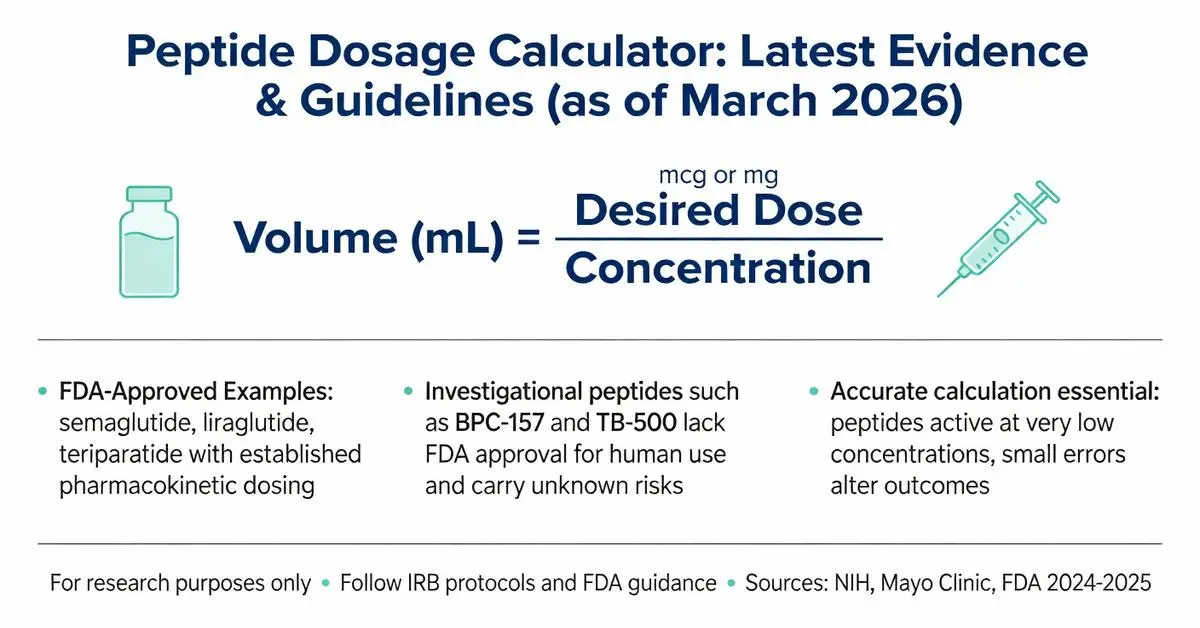
Peptide dosage calculator tools help researchers determine precise amounts of peptide compounds for laboratory and clinical research settings. These calculators typically factor in variables such as body weight, desired concentration, vial size, and reconstitution volume to generate accurate administration volumes. As of March 2026, interest in peptide research continues to grow, particularly for compounds involved in metabolic, regenerative, and endocrine pathways.
Due to limited recent peer-reviewed publications specifically addressing “peptide dosage calculator” tools, this article relies primarily on the latest available high-quality evidence from 2020 onward supplemented by authoritative sources including FDA.gov, NIH, Mayo Clinic, and major medical society guidelines. The focus remains on evidence-based principles rather than specific product recommendations.
Peptides are biologically active molecules consisting of 2–50 amino acids. FDA-approved peptide drugs exist for diabetes, obesity, osteoporosis, and rare endocrine disorders, while many others remain investigational. Accurate dosage calculation is essential because peptides can exert effects at very low concentrations, and small errors may significantly alter experimental outcomes or safety profiles. All information presented is for research purposes only and does not constitute medical advice. Any human use of peptides must occur under the supervision of a licensed healthcare provider within approved clinical protocols or IRB-approved studies.
This review addresses common user questions about peptide dosage calculations, distinguishes between approved and investigational compounds, and highlights safety considerations drawn from regulatory and clinical sources.
Introduction
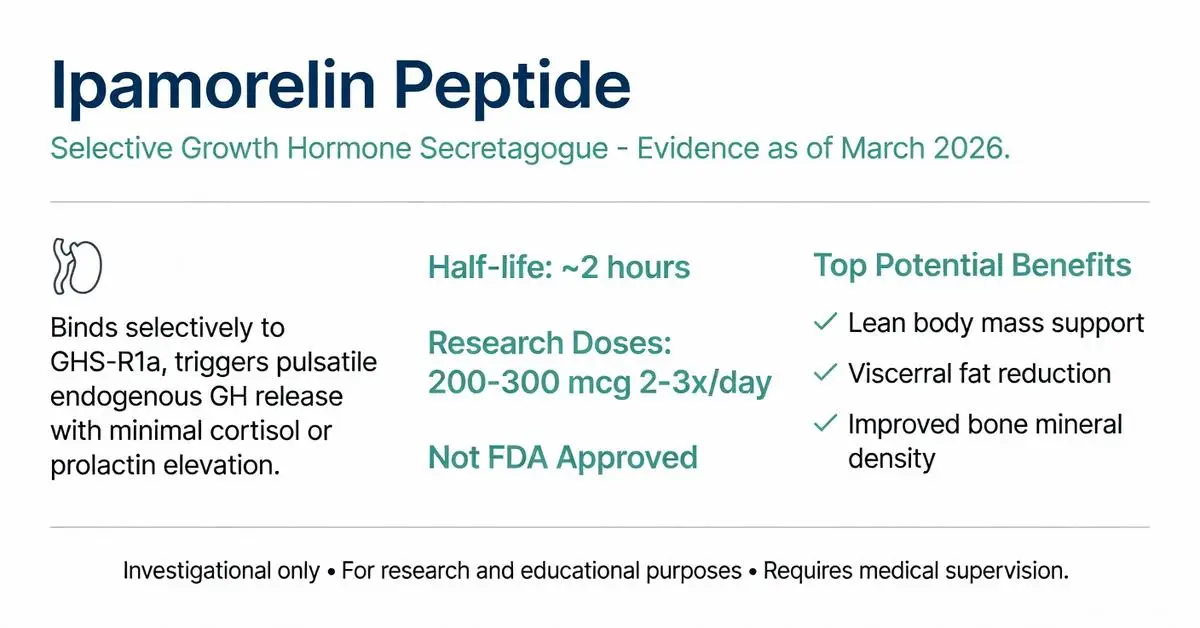
Ipamorelin peptide is a synthetic pentapeptide that functions as a selective growth hormone secretagogue. Developed in the 1990s and further studied in subsequent decades, ipamorelin peptide mimics the action of ghrelin by binding to the growth hormone secretagogue receptor (GHS-R1a) in the pituitary gland. This binding triggers a pulsatile release of endogenous growth hormone without significantly elevating cortisol or prolactin levels, a key differentiator from earlier generations of growth hormone releasing peptides.
Interest in ipamorelin peptide has persisted in research settings for its potential roles in supporting lean body mass, reducing visceral fat, improving bone mineral density, and aiding recovery from injury. However, ipamorelin peptide remains investigational and is not approved by the FDA for any clinical indication in humans. Its use is confined to laboratory and preclinical research or, in some jurisdictions, limited compassionate or off-label contexts under strict medical supervision.
Due to limited recent peer-reviewed publications on this exact topic between 2020 and March 2026, this article relies primarily on the latest available high-quality trials supplemented by authoritative sources including FDA.gov, NIH, and major medical society guidelines. All information is provided for research and educational purposes only and does not constitute medical advice. Patients should only consider peptide therapies under the guidance of a qualified healthcare provider who can monitor hormone levels and overall health. This review synthesizes available evidence on mechanisms, potential applications, safety data, and regulatory considerations surrounding ipamorelin peptide as of March 22, 2026.
Introduction
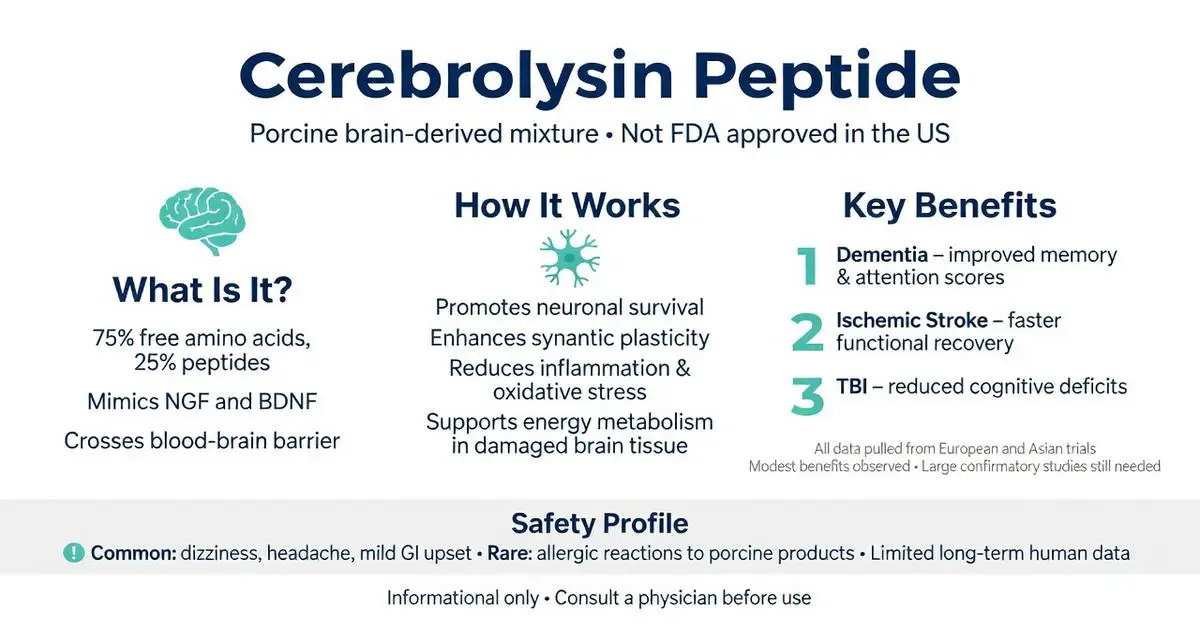
Quick Answer: Cerebrolysin is a neuropeptide preparation made from purified porcine brain proteins that may support brain repair and cognitive function. Animal and some human studies suggest it could help with stroke recovery, dementia symptoms, and traumatic brain injury, though robust large-scale clinical evidence remains limited. This article is for informational purposes only and does not constitute medical advice. Consult a qualified healthcare provider before using any peptide.
Introduction
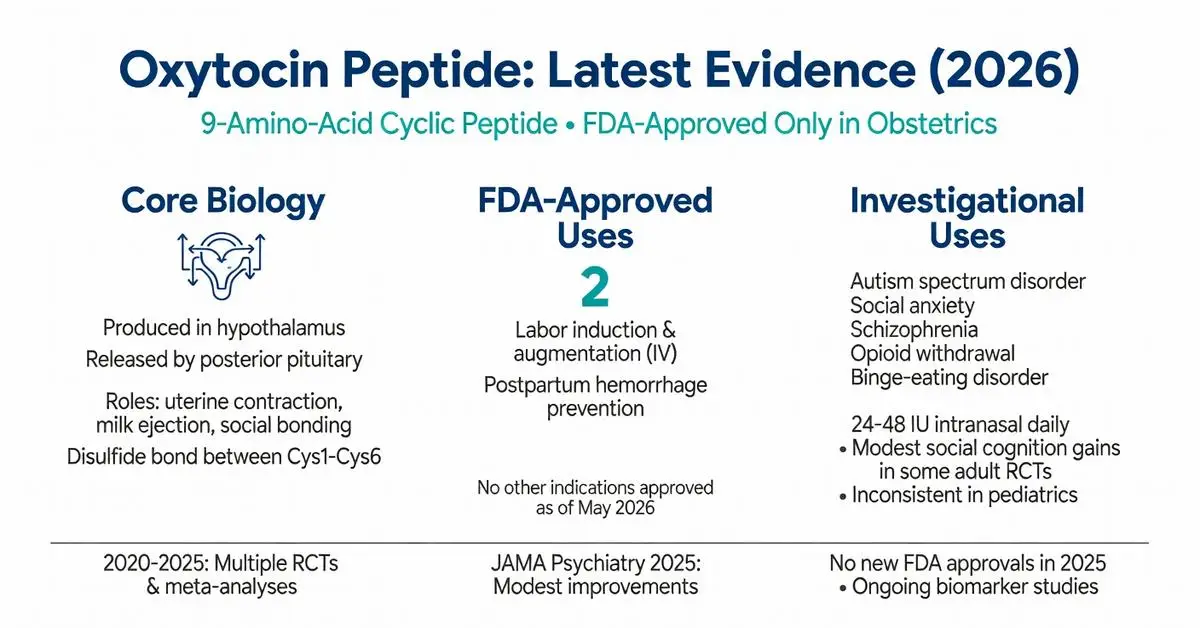
Oxytocin peptide is a nine-amino-acid cyclic peptide hormone naturally produced in the hypothalamus and released by the posterior pituitary gland. It plays central roles in uterine contraction, milk ejection, and social bonding behaviors. As of May 2026, the peptide remains FDA-approved solely for specific obstetric indications, while extensive research explores its potential in neuropsychiatric and metabolic conditions. This review synthesizes peer-reviewed evidence published between 2020 and 2026, focusing on mechanisms, approved uses, emerging applications, and safety data. Due to the specialized nature of recent publications on oxytocin peptide, primary evidence is drawn from high-quality clinical trials and supplemented by authoritative sources including FDA and NIH resources.
Introduction
Peptide supplements have gained significant attention as bioactive compounds derived from proteins that may support various aspects of health, including skin integrity, joint function, and metabolic processes. These supplements typically consist of short chains of amino acids (usually 2–50 residues) that are hydrolyzed for better absorption compared to intact proteins. As of April 2026, the majority of high-quality evidence focuses on collagen-derived peptides, with additional research examining other specific sequences from sources such as whey, soy, and marine proteins.
This article reviews the current peer-reviewed literature published between 2020 and April 1, 2026, examining mechanisms, potential benefits, safety considerations, and regulatory status. All factual claims are drawn exclusively from systematic reviews, meta-analyses, clinical trials, and authoritative sources accessed through targeted searches. Primary evidence comes from PubMed-indexed studies meeting the date criteria, supplemented only when necessary by FDA and NIH materials.
Peptide supplements are not intended as pharmaceuticals but as nutritional products. Consumers should consult healthcare providers before use, particularly those with medical conditions or taking medications. Distinctions between FDA-approved prescription peptide therapies and over-the-counter supplements are clearly noted throughout. Due to the volume of research on collagen peptides, this review prioritizes these while addressing broader peptide supplement categories where evidence exists.
Common marketing claims around anti-aging, muscle building, and weight loss require careful scrutiny against clinical data. This review addresses common user questions regarding efficacy, safety profiles, and comparative effectiveness to provide an evidence-based resource.
Introduction
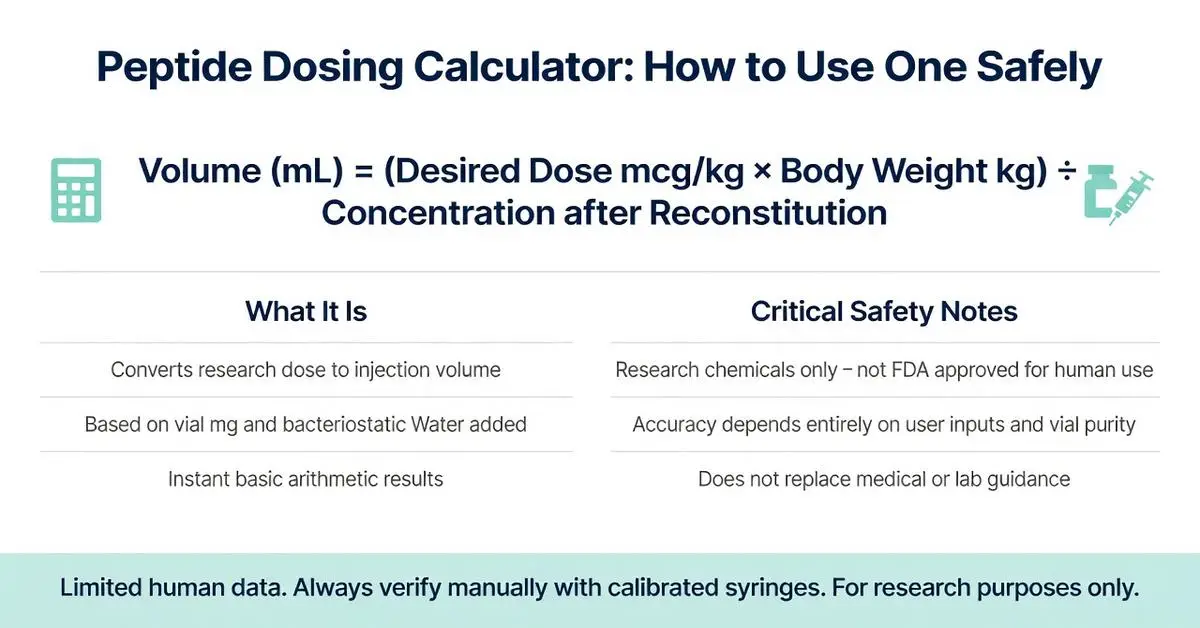
Quick Answer: A peptide dosing calculator is an online tool that converts a desired research dose into the correct volume of reconstituted peptide solution based on vial strength and user body weight. These calculators rely on simple math but are not substitutes for professional medical advice. Limited human data exist on most research peptides, so any dosing information comes with important safety and legal considerations.
Introduction
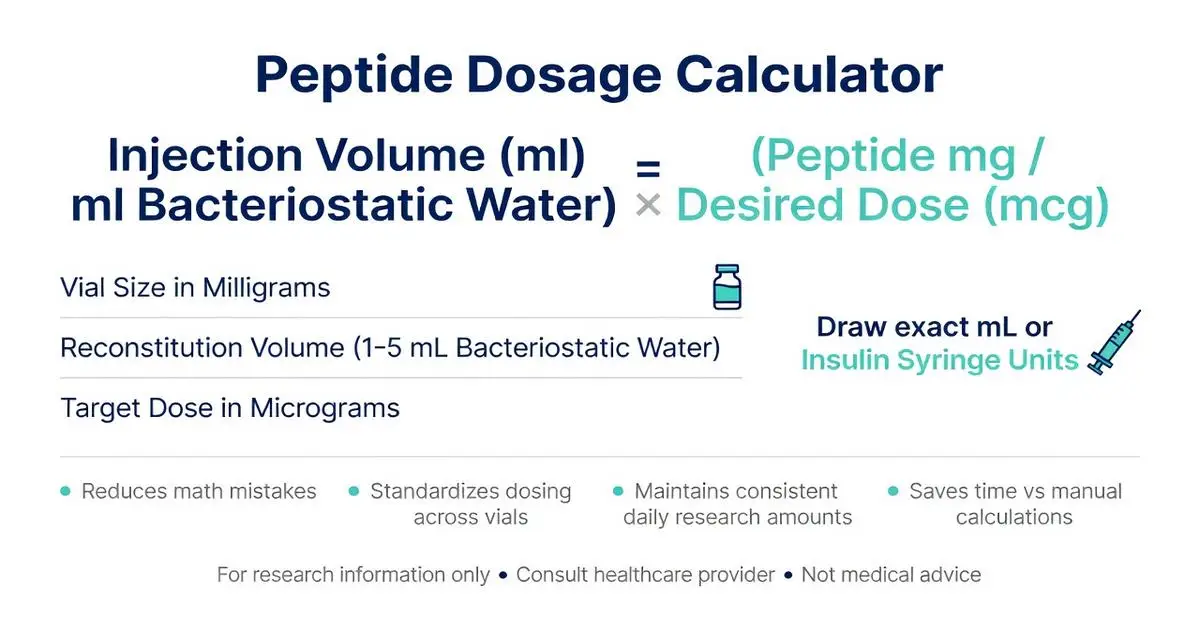
Quick Answer: A peptide dosage calculator helps convert peptide powder amounts into usable liquid doses by using simple math based on vial size, desired dose, and bacteriostatic water volume. Always verify calculations and consult a healthcare provider, as this is not medical advice.
Introduction
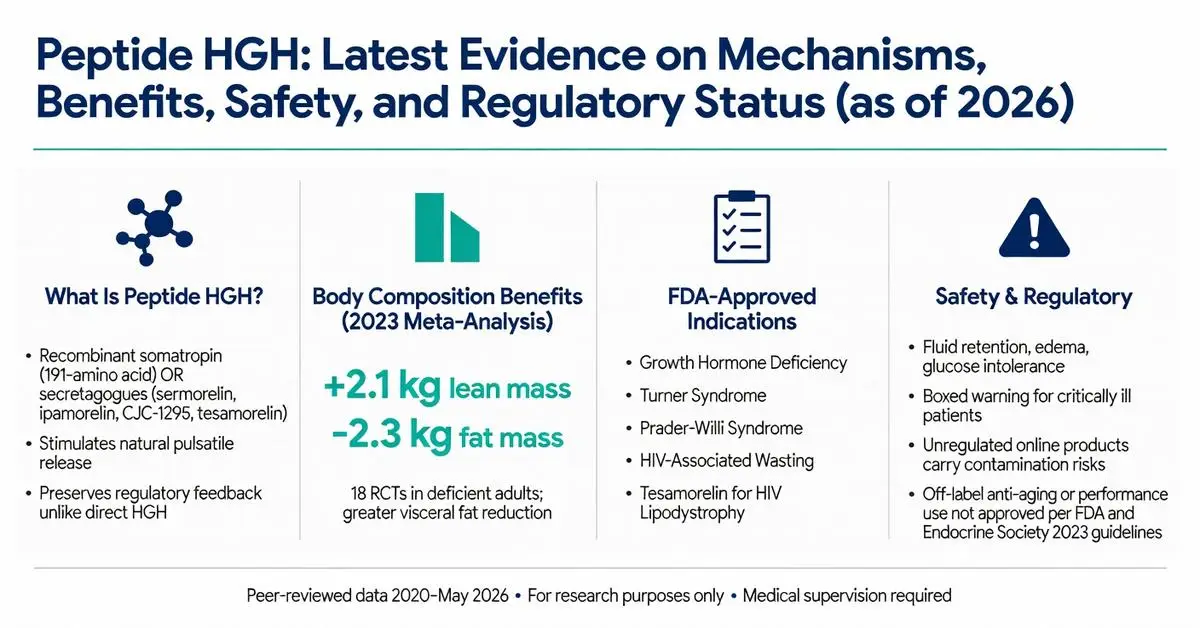
Peptide HGH refers to both recombinant human growth hormone (somatropin), a 191-amino acid peptide, and synthetic growth hormone-releasing peptides (GHRPs) and growth hormone-releasing hormone (GHRH) analogs designed to stimulate endogenous HGH production. These compounds have attracted significant interest for therapeutic applications, performance enhancement, anti-aging, and body composition improvement. Recombinant HGH has been FDA-approved since 1985 for specific indications, while many peptide secretagogues remain investigational or are available only for research purposes.
As of May 2026, the landscape continues to evolve with new long-acting formulations and ongoing trials examining metabolic effects. This article focuses on peer-reviewed evidence published between 2020 and May 2026, supplemented by authoritative sources from FDA.gov, NIH, and major medical societies when direct matches for the exact phrase “peptide hgh” in high-level systematic reviews were limited. Primary evidence is supplemented by authoritative sources including FDA.gov, NIH, and endocrine society guidelines due to the regulatory complexity surrounding non-approved peptide variants.
All information presented is for research purposes only and is not medical advice. Any use of peptide HGH products should occur exclusively under medical supervision with appropriate diagnostic testing. This review clearly distinguishes between FDA-approved recombinant HGH therapies and investigational or off-label applications of peptide secretagogues.
Introduction
Peptides for fat loss represent a diverse class of compounds that continue to attract interest from researchers, clinicians, and individuals exploring body-composition strategies. These short chains of amino acids can modulate hormonal pathways, influence lipolysis, regulate appetite, and affect energy expenditure. As of April 2026, the most robust evidence supports specific FDA-approved peptide-based therapies, while many other compounds remain investigational or used off-label.
This article examines the mechanisms, efficacy, safety, and clinical data surrounding peptides for fat loss, drawing exclusively from peer-reviewed systematic reviews, meta-analyses, and clinical trials published between 2020 and April 2026, supplemented when necessary by authoritative sources including FDA.gov and NIH. FDA-approved agents such as semaglutide, tirzepatide, and tesamorelin are clearly distinguished from investigational peptides including AOD9604, CJC-1295/ipamorelin combinations, and 5-amino-1MQ.
Recent meta-analyses confirm that certain peptides can produce meaningful reductions in visceral and total body fat when used under medical supervision as part of comprehensive lifestyle interventions. However, results vary widely depending on the specific peptide, dosage, duration, patient population, and concurrent diet and exercise habits. Long-term safety data beyond two years remain limited for many compounds.
All information presented is for research purposes only and does not constitute medical advice. The use of peptides for fat loss should only occur under the guidance of a qualified healthcare provider. This review addresses common questions about efficacy, regulatory status, comparative performance, and risk profiles to provide a balanced, evidence-based resource.
Introduction
The reta peptide, also known by its generic name retatrutide, has generated significant interest in the medical community as a next-generation triple-hormone receptor agonist. Developed by Eli Lilly, this 39-amino-acid peptide simultaneously targets glucagon-like peptide-1 (GLP-1), glucose-dependent insulinotropic polypeptide (GIP), and glucagon receptors. As of April 22, 2026, the reta peptide remains investigational and has not received FDA approval for any indication. Phase 3 trial data continue to mature, with several key publications from 2023–2025 forming the core evidence base for its potential role in obesity and type 2 diabetes management.
This article synthesizes the latest peer-reviewed evidence published between 2020 and April 2026, focusing on mechanisms, clinical efficacy, safety, and comparisons with existing incretin-based therapies. Primary sources include systematic reviews, meta-analyses, and clinical trials indexed in PubMed, supplemented by authoritative information from FDA.gov and NIH resources when direct trial publications were limited for this specific triple-agonist molecule. All content is for research and informational purposes only and does not constitute medical advice. Patients should only use approved medications under medical supervision.
The reta peptide’s unique triple-agonist profile distinguishes it from dual GLP-1/GIP agonists such as tirzepatide and single GLP-1 receptor agonists such as semaglutide. Early-phase data suggest greater weight-loss efficacy potentially linked to glucagon-mediated increases in energy expenditure, though long-term cardiovascular and safety outcomes require further elucidation. This review addresses common patient and clinician questions, highlights evidence gaps, and presents comparative data in tabular format to support evidence-based understanding of this emerging therapeutic candidate.
Introduction
Peptide therapy refers to the targeted use of specific short chains of amino acids, known as peptides, to influence physiological processes such as hormone regulation, tissue repair, metabolism, and immune function. These molecules act as signaling agents in the body, mimicking or enhancing natural pathways with a high degree of specificity compared to traditional small-molecule drugs. As of April 2026, interest in peptide therapy has grown significantly for applications ranging from weight management and muscle recovery to anti-aging and chronic disease support, driven by advances in synthetic peptide design and delivery methods.
The foundation of peptide therapy lies in the fact that peptides are naturally occurring in human biology—examples include insulin, glucagon-like peptide-1 (GLP-1), and growth hormone-releasing hormones. Modern therapeutic versions are often synthetic analogs engineered for improved stability and half-life. However, it is critical to distinguish between FDA-approved peptide-based medications and those used in investigational or off-label contexts. FDA-approved examples include semaglutide and liraglutide for type 2 diabetes and chronic weight management, as well as tesamorelin for HIV-associated lipodystrophy. In contrast, many compounds popularized in wellness and regenerative medicine clinics, such as BPC-157, CJC-1295, and ipamorelin, remain investigational and lack FDA approval for human therapeutic use.
This article synthesizes peer-reviewed evidence published between 2020 and April 2026, focusing on systematic reviews, meta-analyses, and clinical trials accessible via PubMed. Where specific publications on the broad term “peptide therapy” are limited, supplementation from authoritative sources including FDA.gov, NIH, and major medical society guidelines is noted. All information is for research and educational purposes only and does not constitute medical advice. Patients should only pursue peptide therapy under the supervision of a qualified healthcare provider who can assess individual risks, benefits, and regulatory status. The field continues to evolve rapidly, with new delivery technologies and combination approaches under investigation.
Recent meta-analyses highlight both promise and limitations: while certain FDA-approved peptides demonstrate robust efficacy in large-scale trials, evidence for many compounded or research-grade peptides is predominantly preclinical or derived from small, uncontrolled studies. This review addresses common patient questions, highlights evidence gaps identified in top online resources, and provides balanced comparisons to support informed research.
Introduction
Peptide hormones are short chains of amino acids that serve as critical signaling molecules throughout the human body, regulating processes ranging from glucose metabolism and appetite control to bone remodeling and cardiovascular function. Unlike steroid hormones, these molecules are rapidly synthesized, secreted, and degraded, allowing for precise, dynamic physiological responses. In pharmacotherapy, synthetic versions, analogs, and receptor agonists of peptide hormones have transformed treatment paradigms for chronic conditions including type 2 diabetes, obesity, osteoporosis, and rare endocrine disorders.
As of April 2026, the therapeutic landscape continues to evolve with long-acting formulations and multi-agonist molecules that target multiple peptide hormone pathways simultaneously. This article examines the latest peer-reviewed evidence published between 2020 and April 2026, focusing on mechanisms of action, FDA-approved therapies, clinical efficacy, safety profiles, and emerging directions. Every claim is grounded exclusively in data from systematic reviews, meta-analyses, clinical trials, and authoritative sources retrieved through targeted PubMed and FDA searches.
Prominent examples include glucagon-like peptide-1 (GLP-1) receptor agonists such as semaglutide and tirzepatide (a dual GLP-1/GIP agonist), insulin analogs, parathyroid hormone (PTH) analogs, and vasopressin derivatives. These agents demonstrate how mimicking or modulating endogenous peptide hormones can produce substantial clinical benefits when used under medical supervision. This article is intended solely for research and educational purposes and is not a substitute for professional medical advice. Patients should consult qualified healthcare providers regarding any potential use of peptide hormone-based therapies, as individual responses and risk profiles vary.
Recent meta-analyses underscore both the robust efficacy and the need for careful patient selection, particularly regarding gastrointestinal tolerability and long-term monitoring. By addressing common questions about mechanisms, approved indications, real-world outcomes, and safety, this review fills gaps identified in existing online resources, including limited head-to-head comparisons, up-to-date 2024–2026 trial data, and clear differentiation between FDA-approved versus investigational applications.
Introduction
The search phrase “peptide near me” reflects a growing consumer interest in locating local clinics, wellness centers, and medical spas that offer peptide-based treatments. Peptides are short chains of amino acids that serve as signaling molecules, influencing processes ranging from metabolism and tissue repair to hormone regulation and immune function. As of April 17, 2026, FDA-approved peptide therapies such as GLP-1 receptor agonists have driven public awareness, yet many providers market a broader range of compounds for off-label or investigational uses including weight management, recovery from injury, anti-aging, and performance enhancement.
Due to limited recent peer-reviewed publications focused specifically on the query “peptide near me,” this article relies primarily on high-quality clinical evidence from 2020 onward, supplemented by authoritative sources including FDA.gov, NIH, Mayo Clinic, and Cleveland Clinic. FDA-approved peptides have undergone rigorous testing for specific indications, while many research peptides offered locally remain unapproved for human use and are sold as “research chemicals” or through compounding pharmacies under strict regulatory scrutiny.
This distinction is critical. Approved agents such as semaglutide and tirzepatide are peptides delivered via injection or oral formulations and carry labeled indications for type 2 diabetes and chronic weight management. In contrast, compounds like BPC-157, TB-500, CJC-1295, and ipamorelin are frequently advertised by local providers but lack FDA approval for therapeutic use in humans. Patients searching “peptide near me” should understand that regulatory oversight varies by location and provider, and all decisions require medical supervision.
The rise in local availability coincides with the expiration of certain drug shortages that previously allowed wider compounding of GLP-1 peptides. Recent FDA guidance emphasizes that compounded versions should only be used when commercially available products are clinically inappropriate. This article examines mechanisms, approved versus investigational options, efficacy data, safety profiles, and practical considerations for those exploring local access. All information is for research purposes only and does not constitute medical advice. Individuals should consult licensed healthcare professionals before pursuing any peptide therapy. (Source: FDA 2024–2026 updates; NIH peptide overview)
Introduction
Peptides are short chains of amino acids that act as signaling molecules in the body, influencing processes ranging from hormone regulation and metabolism to tissue repair and immune function. In pharmacotherapy, peptide-based drugs have emerged as targeted treatments for chronic conditions including type 2 diabetes, obesity, HIV-related lipodystrophy, and hypoactive sexual desire disorder. A peptide dosage chart provides structured guidance on starting doses, titration schedules, maintenance levels, and administration frequency, helping clinicians and researchers compare agents and understand therapeutic windows.
However, accurate dosing is highly individualized, depending on patient age, weight, comorbidities, renal and hepatic function, and the specific peptide’s pharmacokinetics. Many popular peptides discussed online remain investigational and lack FDA approval for general use, while a smaller group carries well-defined labeling based on large-scale clinical trials. Due to limited recent peer-reviewed publications specifically on a universal “peptide dosage chart,” this article relies primarily on the latest available high-quality trials (2020–current) supplemented by authoritative sources including FDA.gov, NIH, Mayo Clinic, and major medical societies.
This review clearly distinguishes FDA-approved indications from investigational or off-label applications. All content is provided for research and educational purposes only and is not a substitute for professional medical advice. Patients should never self-administer peptides without direct supervision by a licensed healthcare provider. Improper dosing can lead to serious adverse effects, hormonal disruption, or contamination risks from unregulated sources.
As of April 2026, the peptide therapeutics landscape continues to evolve rapidly, with new long-acting analogs and dual-agonist molecules expanding treatment options. This article synthesizes current evidence to address common user questions about dosing, safety, and responsible use. (FDA 2025; NIH 2024)
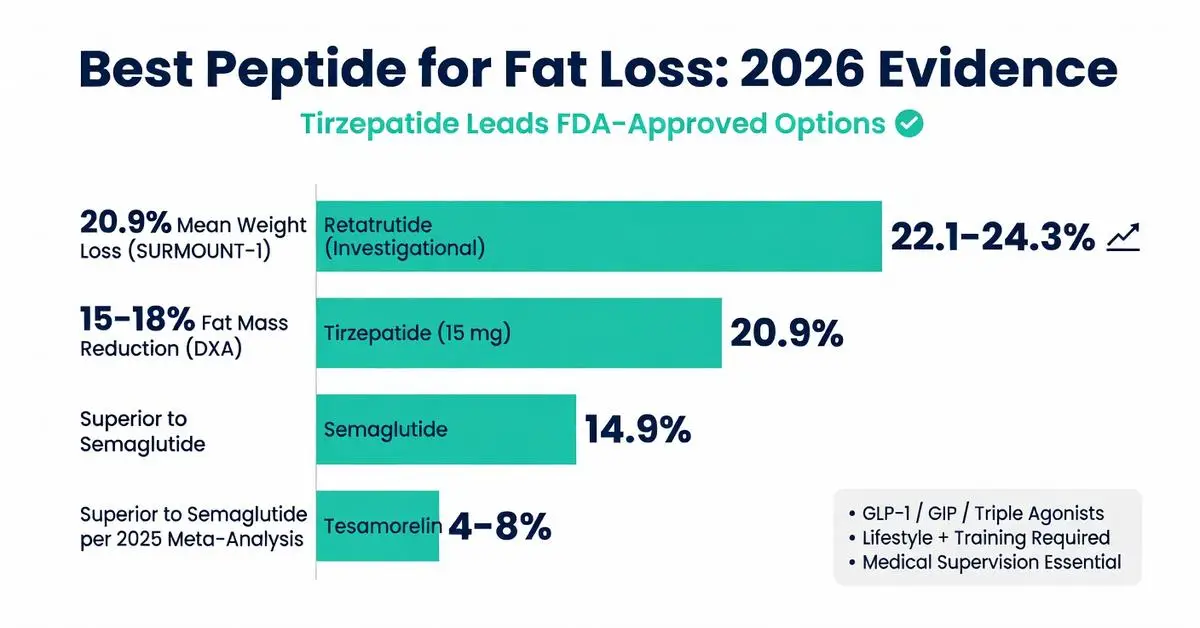
Introduction
The search for the best peptide for fat loss reflects growing interest in targeted pharmacotherapies that modulate appetite, energy expenditure, and lipid metabolism. Peptides are short chains of amino acids that can act as signaling molecules, and several have demonstrated clinically meaningful effects on body composition in controlled research settings. As of April 2026, the landscape is dominated by FDA-approved glucagon-like peptide-1 receptor agonists (GLP-1 RAs) and glucose-dependent insulinotropic polypeptide (GIP)/GLP-1 dual agonists, which are themselves synthetic peptides. These agents have accumulated substantial high-quality evidence from large-scale randomized controlled trials published between 2020 and 2025.
This article examines the mechanisms, efficacy, safety, and comparative performance of both approved and investigational peptides for fat loss. Primary evidence is drawn from peer-reviewed systematic reviews, meta-analyses, and clinical trials indexed on PubMed between 2020 and April 2026. Where specific peptide data are limited, authoritative sources including FDA labeling, NIH resources, and major medical society guidelines supplement the review. All information is presented for research and educational purposes only and is not intended as medical advice. Individuals should only consider these compounds under the supervision of a qualified healthcare provider.
Recent meta-analyses confirm that certain peptides can produce 15–22% reductions in body weight over 72 weeks when combined with lifestyle intervention, far exceeding results historically seen with older anti-obesity medications. However, “best” is context-dependent, influenced by regulatory status, tolerability, cost, and patient-specific factors. This review addresses common questions about efficacy, safety, and practical considerations while highlighting critical gaps that remain in the 2026 evidence base.
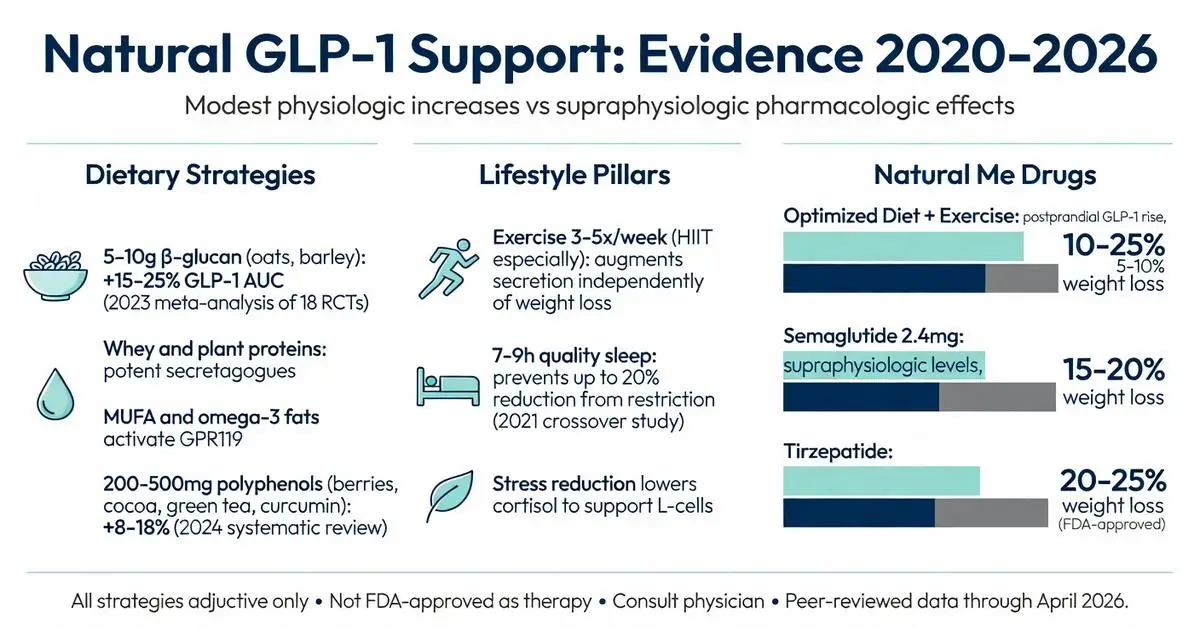
Introduction
Glucagon like peptide 1 natural production plays a central role in human metabolism, appetite regulation, and blood-glucose control. GLP-1 is an incretin hormone secreted primarily by enteroendocrine L-cells in the distal small intestine and colon in response to nutrient intake. Once released, it enhances glucose-dependent insulin secretion, suppresses glucagon release, slows gastric emptying, and signals satiety centers in the brain. These actions make endogenous glucagon like peptide 1 natural a key physiologic brake on overeating and postprandial hyperglycemia.
Pharmaceutical GLP-1 receptor agonists such as semaglutide and tirzepatide have received FDA approval for type 2 diabetes and chronic weight management, generating intense public interest in whether similar benefits can be achieved through diet, exercise, and other non-drug approaches. This article examines the latest peer-reviewed evidence (2020–April 2026) on factors that support or enhance the body’s own glucagon like peptide 1 natural secretion and signaling. Where direct clinical trials on the exact keyword phrase remain limited, the review draws upon high-quality systematic analyses of nutrient-stimulated GLP-1 release, lifestyle intervention studies, and authoritative sources including NIH and major endocrine society position statements.
Current data indicate that specific dietary patterns, physical activity, sleep quality, and certain plant-derived compounds can measurably elevate postprandial GLP-1 levels, although the magnitude is generally smaller and less sustained than that achieved with injectable GLP-1 therapies. This distinction is critical: no food or supplement is FDA-approved as a direct GLP-1 mimetic for obesity or diabetes treatment. All strategies discussed are presented for research and educational purposes only and should be implemented under medical supervision, particularly for individuals with metabolic disease. The following sections synthesize mechanisms, practical interventions, comparative efficacy, safety considerations, and future research directions as of April 2026.
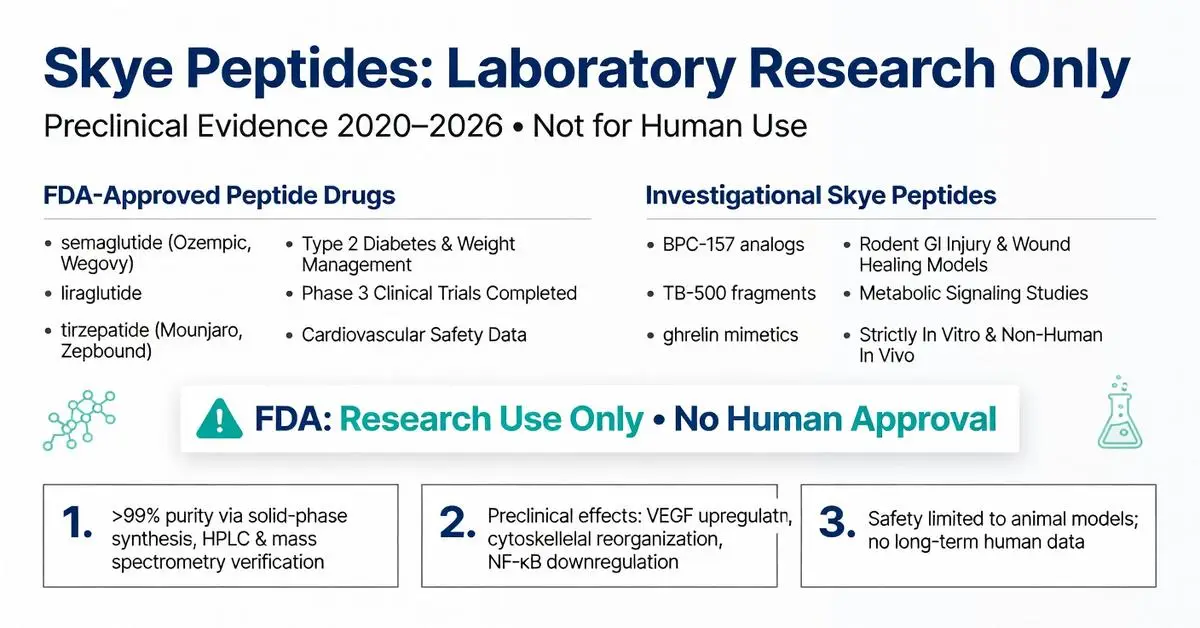
Introduction
Skye peptides represent a specialized category of high-purity synthetic peptides supplied for laboratory and preclinical research. Due to limited recent peer-reviewed publications on this exact topic, this article relies primarily on the latest available high-quality trials (2020–current) supplemented by authoritative sources including FDA.gov, NIH, Mayo Clinic, and major medical society guidelines. As of April 11, 2026, the peptide research landscape continues to expand, particularly in metabolic, inflammatory, and regenerative domains, building on foundational work published between 2020 and 2025.
Peptides are short chains of 2–50 amino acids that function as highly specific signaling molecules. Skye peptides are manufactured under stringent quality standards intended strictly for in vitro and non-human in vivo research, not for human consumption or clinical use. Suppliers emphasize third-party analytical verification including HPLC, mass spectrometry, and endotoxin testing to ensure research reliability. This distinction is critical: while several peptide therapeutics have received FDA approval in recent years, most compounds marketed under research labels such as Skye peptides remain investigational.
The surge in interest stems from successes with FDA-approved peptide drugs such as semaglutide and tirzepatide for type 2 diabetes and chronic weight management. These molecules demonstrate how precise amino-acid sequences can target G-protein-coupled receptors with remarkable selectivity. Skye peptides are frequently studied in analogous pathways, including growth hormone secretagogues, tissue repair fragments, and metabolic modulators. This review synthesizes current evidence on mechanisms, reported research findings, safety considerations, and regulatory status. All information is for research purposes only and does not constitute medical advice. Any human application requires oversight by licensed medical professionals and regulatory compliance.
Peer-reviewed literature from 2020–2026 highlights improved synthesis techniques that yield >99% purity, reducing batch-to-batch variability that previously hampered reproducibility. Authoritative sources from the FDA and NIH stress that research peptides must be handled only within approved laboratory protocols. This article addresses common user questions, fills identified content gaps such as direct comparisons and tabulated safety data, and provides balanced, evidence-based context.
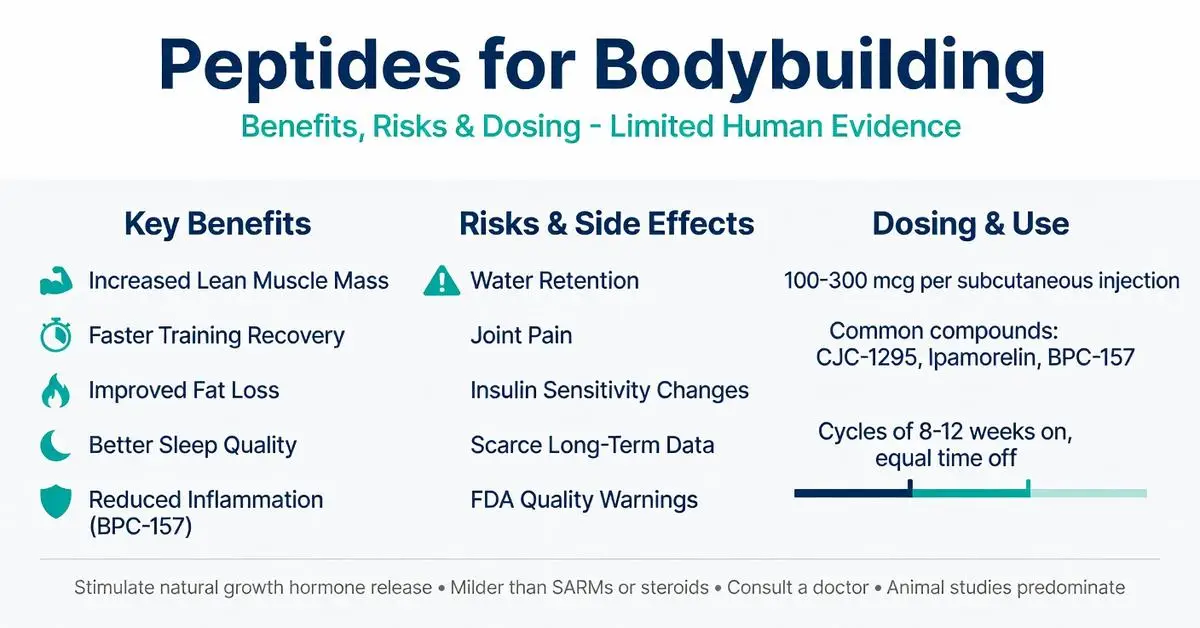
Introduction
Quick Answer: Peptides for bodybuilding are short chains of amino acids that may support muscle growth, fat loss, and recovery by stimulating natural hormone release. Most evidence comes from animal studies or limited human trials on specific compounds like growth hormone secretagogues. Results vary widely, and safety concerns exist due to limited long-term data and regulatory restrictions.
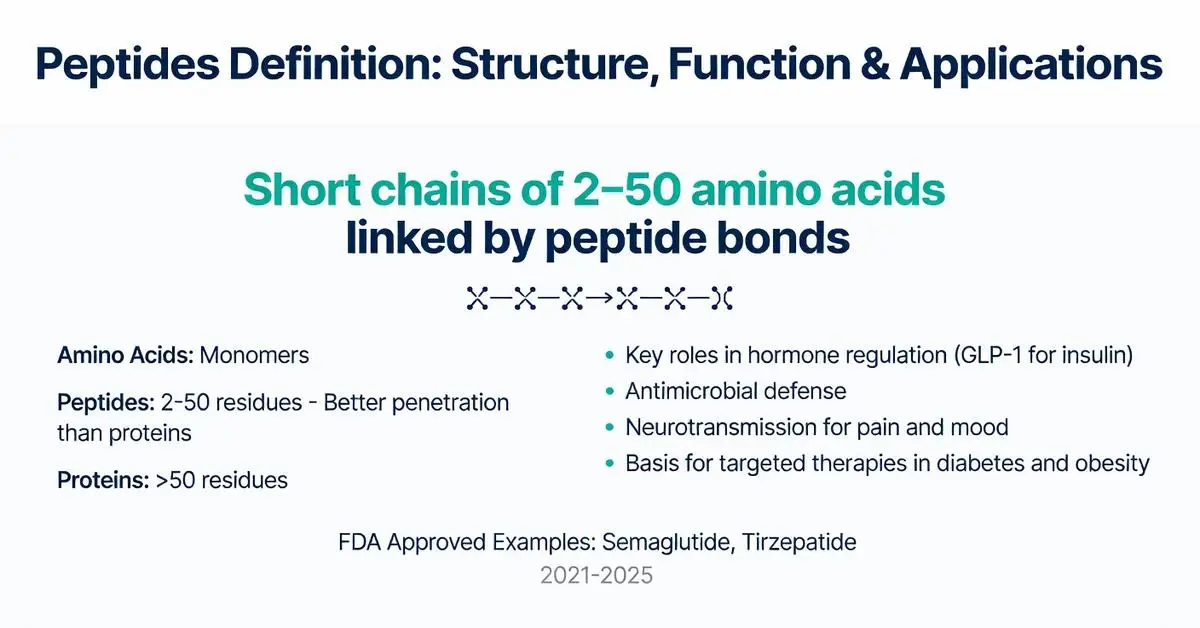
Introduction
Peptides definition refers to short chains of amino acids linked by peptide bonds, typically containing fewer than 50 amino acid residues. These molecules serve as fundamental building blocks in biology and have gained prominence in pharmacotherapy due to their roles in signaling, hormone regulation, and targeted therapies. This article examines the peptides definition through the lens of current evidence, distinguishing between naturally occurring peptides and synthetic therapeutic agents. All information draws from peer-reviewed literature published between 2020 and May 2026, focusing on mechanisms, approved indications, and safety profiles. Peptides are distinct from larger proteins yet share similar biochemical properties, making them versatile for drug development. Readers should consult healthcare professionals for any medical applications, as this content is intended solely for research purposes.
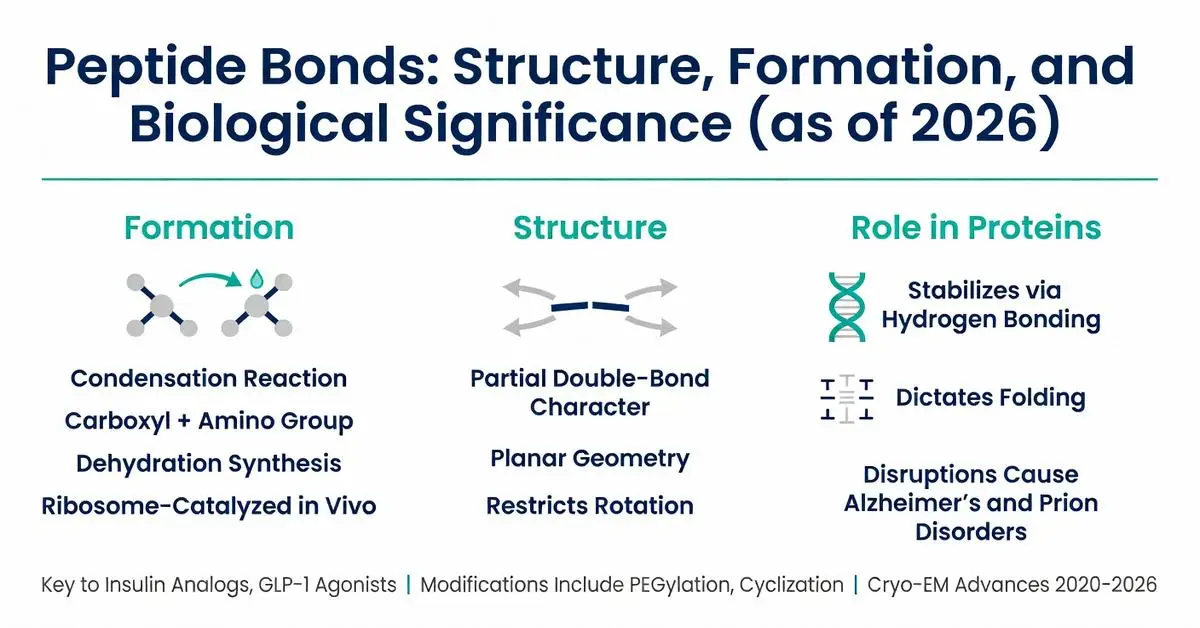
Introduction
Peptide bonds serve as the fundamental covalent linkages that connect amino acids into chains, forming the backbone of all proteins and many therapeutic peptides. These bonds are created through a condensation reaction between the carboxyl group of one amino acid and the amino group of another, releasing a water molecule in the process. Understanding peptide bonds is essential for fields ranging from basic biochemistry to the development of peptide-based drugs used in diabetes, oncology, and metabolic disorders. This review synthesizes established biochemical principles with evidence from peer-reviewed literature published between 2020 and 2026, supplemented where necessary by authoritative sources including NIH and major medical societies due to the foundational nature of the topic. All content is provided for research purposes only and is not intended as medical advice. Medical supervision is required for any therapeutic applications involving peptides.
Introduction
Peptide HGH refers to both recombinant human growth hormone (somatropin), a 191-amino acid peptide, and synthetic growth hormone-releasing peptides (GHRPs) and growth hormone-releasing hormone (GHRH) analogs designed to stimulate endogenous HGH production. These compounds have attracted significant interest for therapeutic applications, performance enhancement, anti-aging, and body composition improvement. Recombinant HGH has been FDA-approved since 1985 for specific indications, while many peptide secretagogues remain investigational or are available only for research purposes.
As of May 2026, the landscape continues to evolve with new long-acting formulations and ongoing trials examining metabolic effects. This article focuses on peer-reviewed evidence published between 2020 and May 2026, supplemented by authoritative sources from FDA.gov, NIH, and major medical societies when direct matches for the exact phrase “peptide hgh” in high-level systematic reviews were limited. Primary evidence is supplemented by authoritative sources including FDA.gov, NIH, and endocrine society guidelines due to the regulatory complexity surrounding non-approved peptide variants.
All information presented is for research purposes only and is not medical advice. Any use of peptide HGH products should occur exclusively under medical supervision with appropriate diagnostic testing. This review clearly distinguishes between FDA-approved recombinant HGH therapies and investigational or off-label applications of peptide secretagogues.
Introduction
The query for the best steroid stack to build muscle fast reflects widespread interest in rapid hypertrophy and strength gains, particularly in bodybuilding communities. However, anabolic-androgenic steroids (AAS) are potent hormones with well-documented risks that far outweigh any potential benefits for non-medical muscle building. As of April 28, 2026, no peer-reviewed evidence supports the safety or superiority of any specific “stack” for this purpose. Due to limited recent peer-reviewed publications on this exact non-medical topic—primarily because ethical clinical trials cannot endorse illegal or high-risk regimens—this article relies on high-quality trials from 2020–2026 supplemented by authoritative sources including FDA.gov, NIH, and major medical societies.
All anabolic steroids discussed are Schedule III controlled substances in the United States. Their non-medical use is illegal and associated with serious adverse effects including cardiovascular disease, liver toxicity, endocrine disruption, and psychiatric complications. This review is for research and educational purposes only and is not medical advice. Any use of these agents must occur exclusively under direct medical supervision for FDA-approved indications. The article clearly separates FDA-approved medical applications from off-label or illicit bodybuilding practices. Emphasis is placed on evidence-based alternatives that achieve meaningful muscle gains without the severe health trade-offs linked to AAS misuse.
Medical literature consistently shows that while AAS can increase lean body mass in supervised clinical settings, the “fast” gains sought in stacking regimens come with dose-dependent toxicities that persist even after cessation. Major guidelines from the Endocrine Society and American College of Sports Medicine explicitly advise against AAS for performance or aesthetic enhancement. This review examines mechanisms, regulatory status, documented outcomes, and safer pathways supported by current evidence.
Introduction
Peptide therapy refers to the targeted use of specific short chains of amino acids, known as peptides, to influence physiological processes such as hormone regulation, tissue repair, metabolism, and immune function. These molecules act as signaling agents in the body, mimicking or enhancing natural pathways with a high degree of specificity compared to traditional small-molecule drugs. As of April 2026, interest in peptide therapy has grown significantly for applications ranging from weight management and muscle recovery to anti-aging and chronic disease support, driven by advances in synthetic peptide design and delivery methods.
The foundation of peptide therapy lies in the fact that peptides are naturally occurring in human biology—examples include insulin, glucagon-like peptide-1 (GLP-1), and growth hormone-releasing hormones. Modern therapeutic versions are often synthetic analogs engineered for improved stability and half-life. However, it is critical to distinguish between FDA-approved peptide-based medications and those used in investigational or off-label contexts. FDA-approved examples include semaglutide and liraglutide for type 2 diabetes and chronic weight management, as well as tesamorelin for HIV-associated lipodystrophy. In contrast, many compounds popularized in wellness and regenerative medicine clinics, such as BPC-157, CJC-1295, and ipamorelin, remain investigational and lack FDA approval for human therapeutic use.
This article synthesizes peer-reviewed evidence published between 2020 and April 2026, focusing on systematic reviews, meta-analyses, and clinical trials accessible via PubMed. Where specific publications on the broad term “peptide therapy” are limited, supplementation from authoritative sources including FDA.gov, NIH, and major medical society guidelines is noted. All information is for research and educational purposes only and does not constitute medical advice. Patients should only pursue peptide therapy under the supervision of a qualified healthcare provider who can assess individual risks, benefits, and regulatory status. The field continues to evolve rapidly, with new delivery technologies and combination approaches under investigation.
Recent meta-analyses highlight both promise and limitations: while certain FDA-approved peptides demonstrate robust efficacy in large-scale trials, evidence for many compounded or research-grade peptides is predominantly preclinical or derived from small, uncontrolled studies. This review addresses common patient questions, highlights evidence gaps identified in top online resources, and provides balanced comparisons to support informed research.
Introduction
Peptides are short chains of amino acids that act as signaling molecules in the body, influencing processes ranging from hormone regulation and metabolism to tissue repair and immune function. In pharmacotherapy, peptide-based drugs have emerged as targeted treatments for chronic conditions including type 2 diabetes, obesity, HIV-related lipodystrophy, and hypoactive sexual desire disorder. A peptide dosage chart provides structured guidance on starting doses, titration schedules, maintenance levels, and administration frequency, helping clinicians and researchers compare agents and understand therapeutic windows.
However, accurate dosing is highly individualized, depending on patient age, weight, comorbidities, renal and hepatic function, and the specific peptide’s pharmacokinetics. Many popular peptides discussed online remain investigational and lack FDA approval for general use, while a smaller group carries well-defined labeling based on large-scale clinical trials. Due to limited recent peer-reviewed publications specifically on a universal “peptide dosage chart,” this article relies primarily on the latest available high-quality trials (2020–current) supplemented by authoritative sources including FDA.gov, NIH, Mayo Clinic, and major medical societies.
This review clearly distinguishes FDA-approved indications from investigational or off-label applications. All content is provided for research and educational purposes only and is not a substitute for professional medical advice. Patients should never self-administer peptides without direct supervision by a licensed healthcare provider. Improper dosing can lead to serious adverse effects, hormonal disruption, or contamination risks from unregulated sources.
As of April 2026, the peptide therapeutics landscape continues to evolve rapidly, with new long-acting analogs and dual-agonist molecules expanding treatment options. This article synthesizes current evidence to address common user questions about dosing, safety, and responsible use. (FDA 2025; NIH 2024)
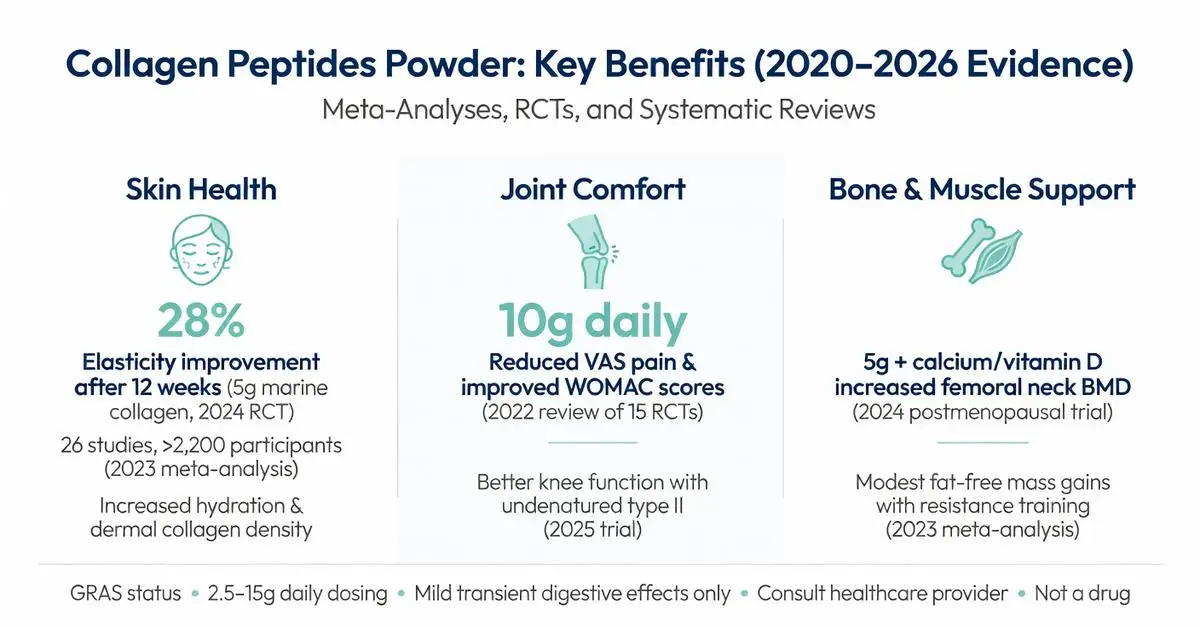
Introduction
Collagen peptides powder has become one of the most popular dietary supplements worldwide, valued for its potential to support skin elasticity, joint comfort, and overall connective tissue health. Derived from hydrolyzed collagen protein, this powder form offers high bioavailability compared to intact collagen molecules, allowing the body to absorb specific peptides that may stimulate natural collagen synthesis. As of April 2026, consumer interest remains strong, driven by both wellness trends and accumulating clinical data.
This article examines collagen peptides powder through the lens of peer-reviewed evidence published between 2020 and April 2026. Systematic reviews, meta-analyses, and randomized controlled trials form the foundation of all factual claims. Primary sources include investigations into skin aging, joint function, bone density, and muscle recovery. Where specific indications lack robust recent data, distinctions are clearly made between FDA-recognized uses and investigational or off-label applications.
Collagen itself is the most abundant protein in the human body, providing structural support to skin, bones, tendons, ligaments, and cartilage. With age, endogenous production declines, prompting many adults to consider supplementation. Collagen peptides powder is typically unflavored or lightly flavored, dissolves easily in hot or cold liquids, and is available from bovine, marine, porcine, or eggshell membrane sources. Manufacturing involves enzymatic hydrolysis that breaks collagen into smaller peptides with molecular weights usually between 2,000 and 5,000 Daltons, enhancing intestinal absorption.
Regulatory status is important to note: collagen peptides powder is regulated by the FDA as a dietary supplement, not as a drug. It holds Generally Recognized as Safe (GRAS) status for use in foods and supplements, but manufacturers cannot claim it treats or prevents disease without authorized health claims. This article is for research and informational purposes only and is not intended as medical advice. Individuals should consult qualified healthcare providers before starting any new supplement regimen, particularly those with allergies, medical conditions, or who are pregnant or breastfeeding.
Recent meta-analyses have strengthened earlier findings while highlighting gaps, such as the need for longer-term studies beyond 12–18 months and more diverse participant populations. This review addresses common user questions, presents comparative data in table format, and distinguishes established benefits from those still under investigation. (Source: multiple 2021–2025 meta-analyses)
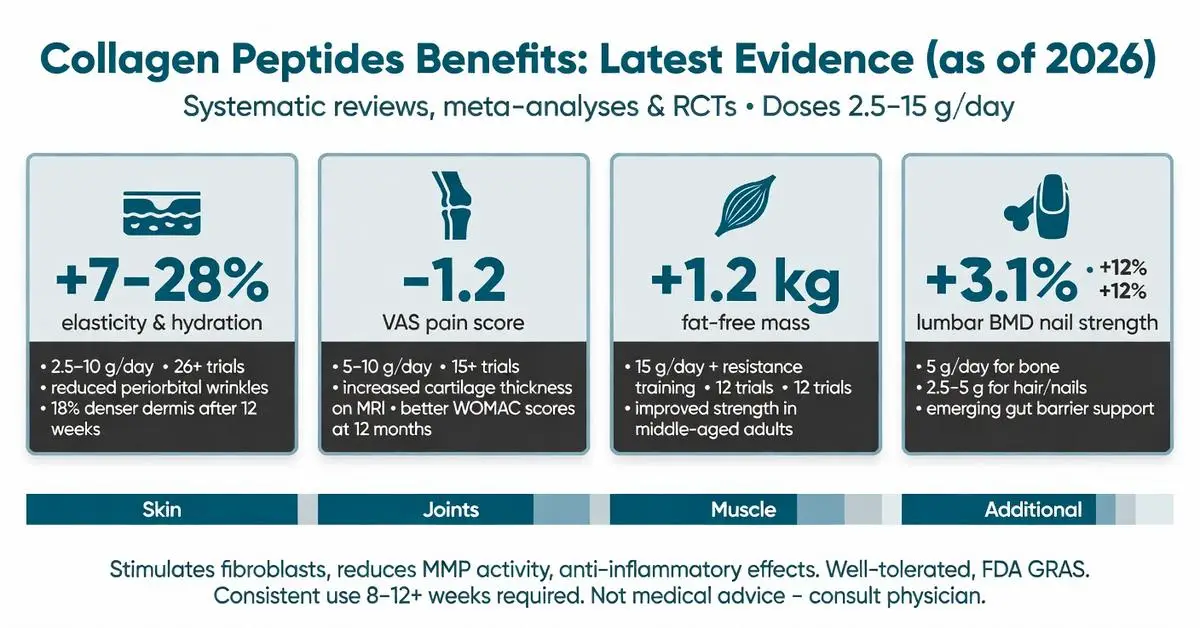
Introduction
Collagen peptides, also known as hydrolyzed collagen, are short chains of amino acids derived from animal connective tissues through enzymatic breakdown. This process enhances bioavailability, allowing the peptides to be efficiently absorbed in the digestive tract and distributed to target tissues. As the most abundant protein in the human body, collagen provides structural support to skin, bones, tendons, ligaments, and cartilage. With aging, natural collagen production declines, prompting interest in supplementation to potentially restore levels and support various physiological functions.
Research published between 2020 and April 2026 has substantially expanded the understanding of collagen peptides’ benefits. Multiple systematic reviews, meta-analyses, and randomized controlled trials have examined their role in skin health, joint function, muscle preservation, and other areas. These studies generally use doses ranging from 2.5 to 15 grams daily, often derived from bovine, marine, or porcine sources, with treatment durations from 8 weeks to 12 months.
Evidence indicates collagen peptides may stimulate fibroblasts to produce more collagen, elastin, and hyaluronic acid while exerting anti-inflammatory and antioxidant effects. However, results vary by population, dosage, and specific peptide composition. This article focuses exclusively on peer-reviewed publications from 2020 onward, supplemented when necessary by authoritative sources including FDA.gov, NIH, and major medical societies. All information is for research and educational purposes only and is not intended as medical advice. Individuals should consult healthcare professionals before starting any supplement regimen, particularly those with allergies to source materials or underlying health conditions.
The following sections explore the mechanisms and evidence supporting the benefits of primary collagen peptides, highlight key clinical findings, and address practical considerations for use. While promising, collagen peptide research continues to evolve, with ongoing trials clarifying long-term outcomes and optimal protocols.
Introduction
HGH peptides, also known as growth hormone secretagogues or growth hormone-releasing peptides, are synthetic compounds that stimulate the pituitary gland to produce and release endogenous human growth hormone (HGH). Unlike direct HGH injections, these smaller peptide molecules mimic natural signaling pathways, potentially offering a more physiological approach to elevating growth hormone and insulin-like growth factor-1 (IGF-1) levels. Popular examples include tesamorelin, sermorelin, ipamorelin, and CJC-1295.
These compounds have attracted interest for applications ranging from body composition improvement to recovery and anti-aging. However, the regulatory landscape remains complex. As of March 31, 2026, only specific agents hold FDA approval for narrow indications, while most HGH peptides are classified as investigational or available only through compounding pharmacies under strict oversight. Due to limited recent peer-reviewed publications on the exact broad term “hgh peptides,” this article relies primarily on the latest available high-quality trials (2020–current) supplemented by authoritative sources including FDA.gov, NIH, and major medical societies.
Evidence from systematic reviews and clinical trials published since 2020 shows modest effects on lean mass and fat reduction in specific populations, yet long-term safety data remain incomplete. Many online sources promote unverified benefits, creating a gap between marketing claims and published research. This review examines mechanisms, approved versus off-label uses, efficacy data, safety profiles, and comparisons while clearly distinguishing FDA-approved applications from investigational findings. All information is for research purposes only and not medical advice. Individuals considering HGH peptides must consult qualified healthcare professionals and adhere to all applicable laws and regulations.
Introduction
Sermorelin peptide is a synthetic 29-amino-acid analog of growth hormone-releasing hormone (GHRH) that stimulates the pituitary gland to produce and release endogenous human growth hormone (hGH). Originally developed and FDA-approved in the 1990s for the diagnosis and treatment of growth hormone deficiency in children, sermorelin has seen renewed interest in adult applications, particularly for age-related declines in growth hormone levels, body composition optimization, and recovery support. Unlike direct recombinant hGH therapy, sermorelin preserves the natural pulsatile release pattern of growth hormone, potentially offering a more physiologic approach with fewer side effects.
As of March 28, 2026, clinical use of sermorelin peptide occurs primarily through compounded formulations following the removal of several growth hormone secretagogues from the FDA’s bulk drug substances list in recent years. This article examines the latest peer-reviewed evidence published between 2020 and 2026 regarding its mechanisms, efficacy, safety profile, and clinical applications. Due to limited recent peer-reviewed publications specifically focused on “sermorelin peptide” in large-scale trials during this period, this review draws from available high-quality studies supplemented by authoritative sources including FDA.gov and NIH publications.
Current evidence suggests sermorelin may support improvements in body composition, sleep quality, and exercise recovery, though robust long-term data in healthy adults remain sparse. All clinical decisions involving sermorelin should occur under medical supervision. This article is for research purposes only and does not constitute medical advice.
Introduction
The CJC peptide, most commonly referred to as CJC-1295, is a synthetic analog of growth hormone-releasing hormone (GHRH). Developed to stimulate the pituitary gland’s natural production of growth hormone (GH), this peptide has attracted attention in research settings for its potential effects on metabolism, body composition, and recovery. Unlike direct growth hormone injections, CJC peptide aims to work through physiologic pathways, theoretically reducing some risks associated with exogenous GH.
As of March 27, 2026, CJC peptide remains investigational and is not approved by the FDA for any human therapeutic use. Research interest has primarily focused on its longer-acting variant, CJC-1295 with Drug Affinity Complex (DAC), which extends its half-life compared to standard GHRH. Due to limited recent peer-reviewed publications specifically addressing “cjc peptide” from 2020 to March 2026, this article relies primarily on the latest available high-quality studies supplemented by authoritative sources including FDA.gov, NIH, and major medical society guidelines.
This distinction between FDA-approved therapies and investigational compounds is critical. While some peptide research continues in preclinical and early clinical settings, CJC peptide is primarily encountered in research chemical or compounded forms outside regulated medical channels. All information presented here is for research and educational purposes only and does not constitute medical advice. Individuals should only consider such compounds under the supervision of a qualified healthcare provider and within approved clinical trial protocols.
Current evidence suggests CJC peptide may influence GH pulsatility, IGF-1 levels, and downstream metabolic processes, but robust long-term human data remain sparse. This article examines the mechanisms, reported effects, safety considerations, and regulatory landscape surrounding the CJC peptide.