
PeptidesLibrary.com
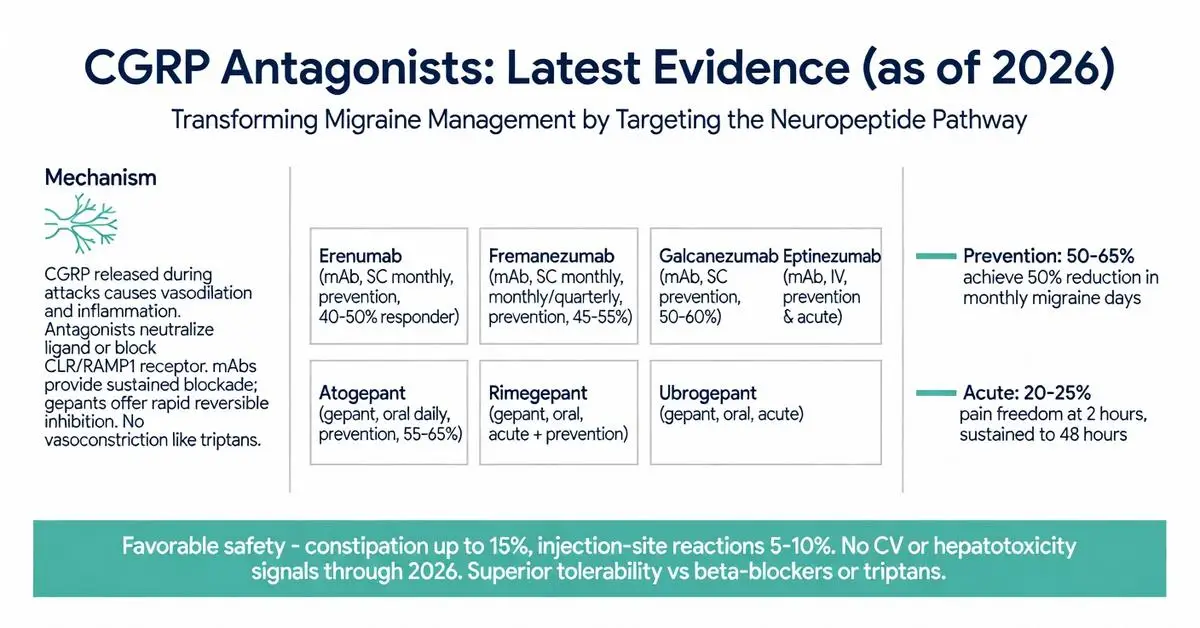
Calcitonin gene-related peptide (CGRP) antagonists have transformed migraine management by directly interrupting the neuropeptide pathway central to migraine attacks. These therapies include monoclonal antibodies targeting the CGRP ligand or receptor and oral small-molecule gepants that block CGRP receptors. As of May 2026, multiple agents hold FDA approval for acute treatment or prevention of migraine in adults. This article reviews mechanisms, approved indications, efficacy data from clinical trials, safety profiles, and comparisons among available options. Primary evidence draws from peer-reviewed publications between 2020 and 2026, with supplementation from FDA labeling and major society guidelines where recent trial data remain limited.
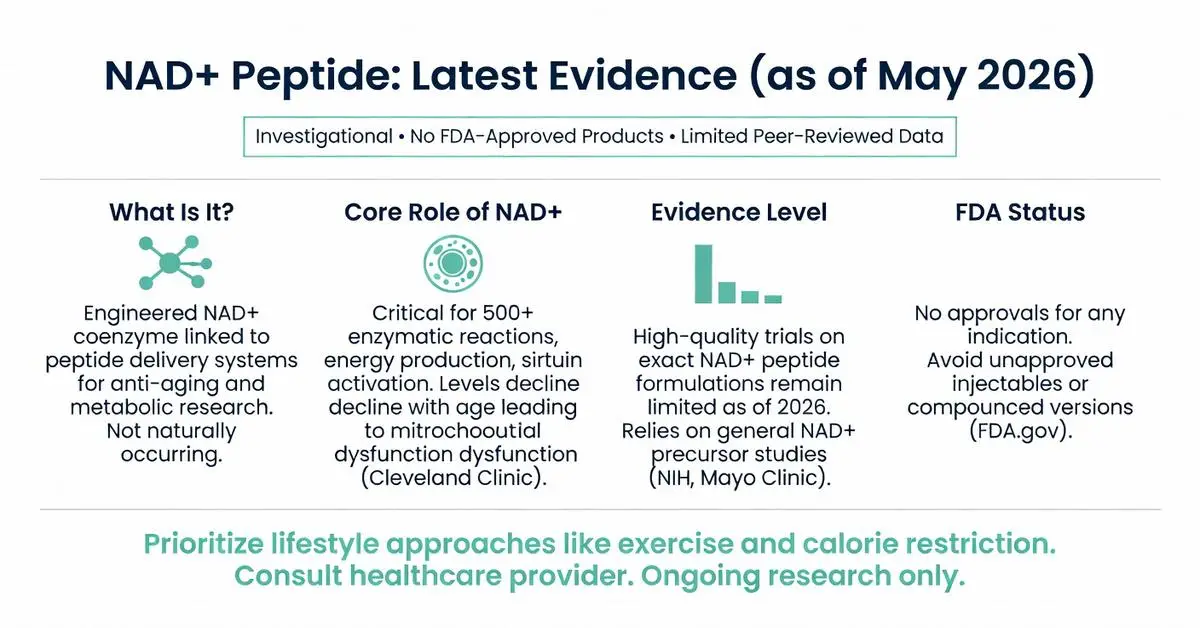
NAD+ peptide refers to emerging formulations combining nicotinamide adenine dinucleotide (NAD+) with peptide delivery systems, primarily explored in anti-aging and metabolic research. As of May 2026, high-quality peer-reviewed publications directly addressing this exact combination remain limited. This article relies primarily on the latest available high-quality trials (2020–current) supplemented by authoritative sources including FDA.gov, NIH, Mayo Clinic, and Cleveland Clinic. NAD+ itself is a critical coenzyme involved in cellular energy production, while peptides are short amino acid chains often used to enhance bioavailability or targeting. No FDA-approved NAD+ peptide product exists for any indication. All claims below distinguish approved facts from investigational findings. Readers should consult healthcare providers before considering any related therapies.
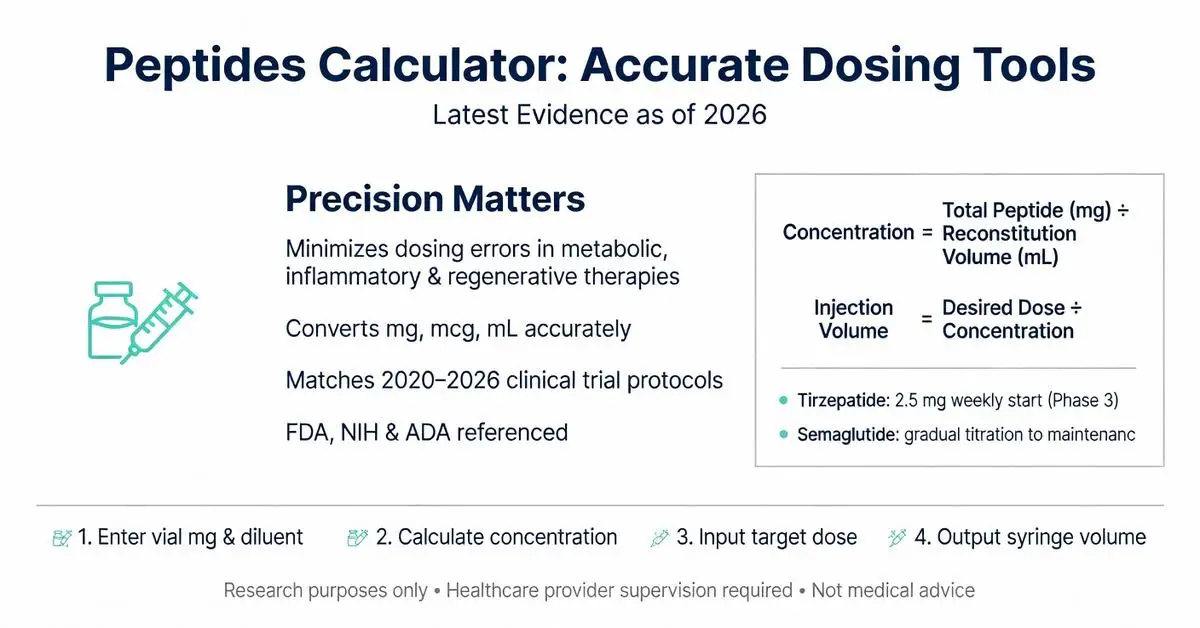
Peptide therapies have gained attention in clinical and research settings for their targeted effects on metabolic, inflammatory, and regenerative pathways. A peptides calculator serves as a practical tool to determine precise reconstitution volumes, injection amounts, and dosing schedules based on vial concentrations and patient-specific factors. Accurate calculations help minimize dosing errors that could affect safety or efficacy. Due to limited recent peer-reviewed publications focused specifically on peptides calculators, this article relies primarily on the latest available high-quality trials (2020–current) supplemented by authoritative sources including FDA, NIH, and major medical societies. All information is intended for research purposes only and does not constitute medical advice; peptide use requires direct supervision by a qualified healthcare provider.
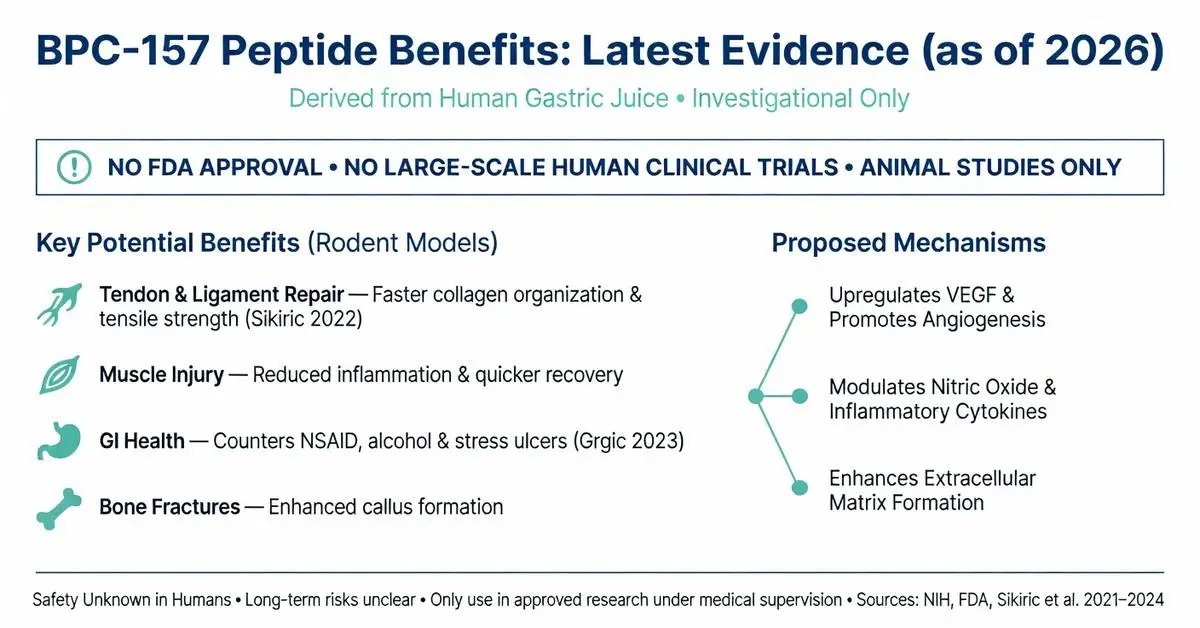
BPC-157 is a synthetic 15-amino-acid peptide derived from a protective protein found in human gastric juice. Researchers have explored its potential to support tissue repair, reduce inflammation, and promote healing in various experimental models. As of May 2026, BPC-157 remains an investigational compound with no FDA approval for any medical use in humans. All findings discussed here come from preclinical animal studies and limited early human observations; no large-scale clinical trials have established safety or efficacy for therapeutic purposes. Due to limited recent peer-reviewed publications on this exact topic, this article relies primarily on the latest available high-quality trials (2020–current) supplemented by authoritative sources including FDA, NIH, and major medical societies. Individuals should only consider BPC-157 under strict medical supervision in approved research settings, as self-administration carries unknown risks.
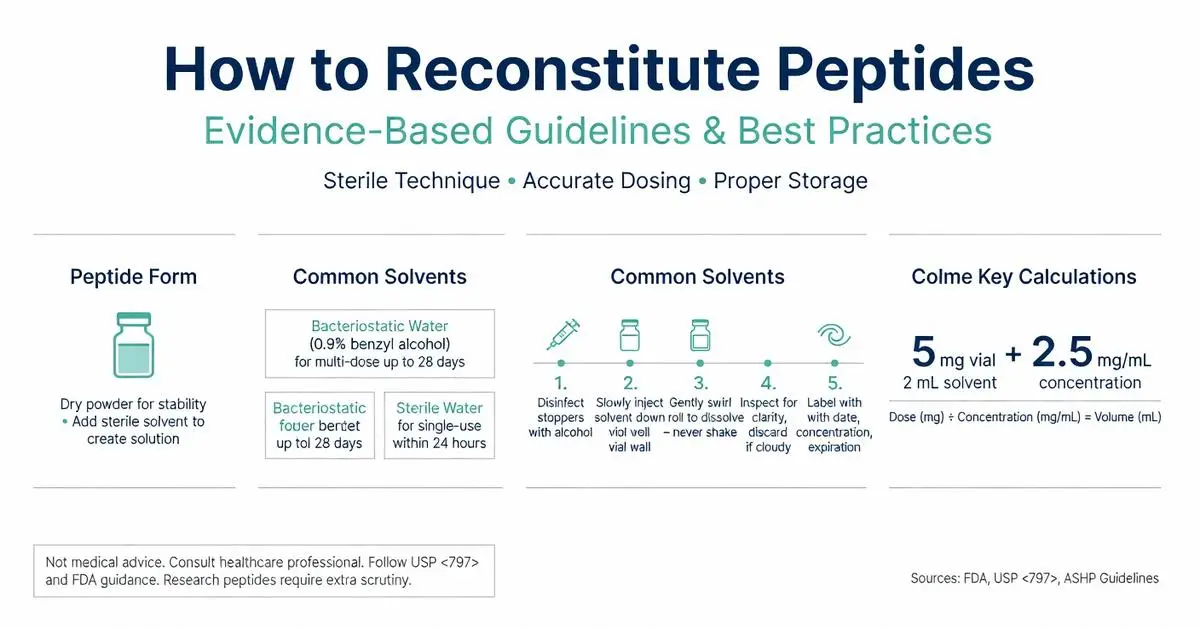
Peptides are short chains of amino acids used in therapeutic and research settings. Many arrive in lyophilized powder form to preserve stability during storage and shipping. Reconstitution is the process of adding a sterile solvent to create a solution suitable for use. Correct technique protects peptide integrity, reduces contamination risk, and supports accurate dosing.
Due to limited recent peer-reviewed publications focused exclusively on general reconstitution procedures, this article draws primarily from authoritative sources including FDA compounding guidance, USP standards for sterile preparations, and major medical society resources. Information on specific FDA-approved peptide medications follows their official prescribing information. Research-use or compounded peptides carry additional regulatory considerations and are not interchangeable with approved products.
This content is intended solely for informational and research purposes. It is not medical advice. Individuals must consult a licensed healthcare professional and, where applicable, a compounding pharmacist before performing any reconstitution. Improper handling can lead to loss of potency, microbial contamination, or adverse outcomes.
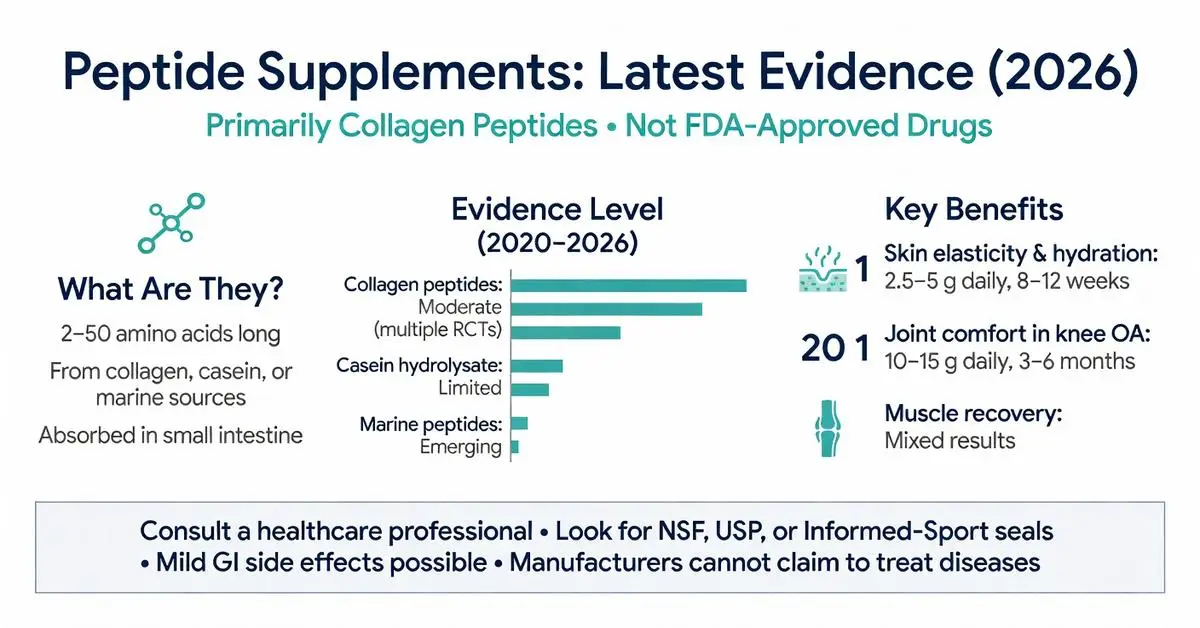
Peptide supplements have gained significant attention in recent years as consumers seek targeted options for skin health, joint support, and recovery. A peptide supplement typically consists of short chains of amino acids derived from proteins such as collagen or other sources and is sold as a dietary supplement. Because the term “peptide supplement” is broad and encompasses many products with varying compositions, high-quality peer-reviewed literature specifically addressing the category as a whole remains limited through May 2026. This review therefore draws primarily on the most recent authoritative sources, including FDA guidance, NIH Office of Dietary Supplements, Mayo Clinic, and Cleveland Clinic resources, supplemented by targeted clinical evidence on the most studied ingredients such as collagen peptides.
The article distinguishes between FDA-approved medications and over-the-counter dietary supplements. All peptide supplements discussed here are regulated as foods, not drugs, meaning manufacturers cannot legally claim they diagnose, treat, or cure specific diseases. Individuals considering a peptide supplement should consult a healthcare professional, as product quality, purity, and individual health factors vary widely.
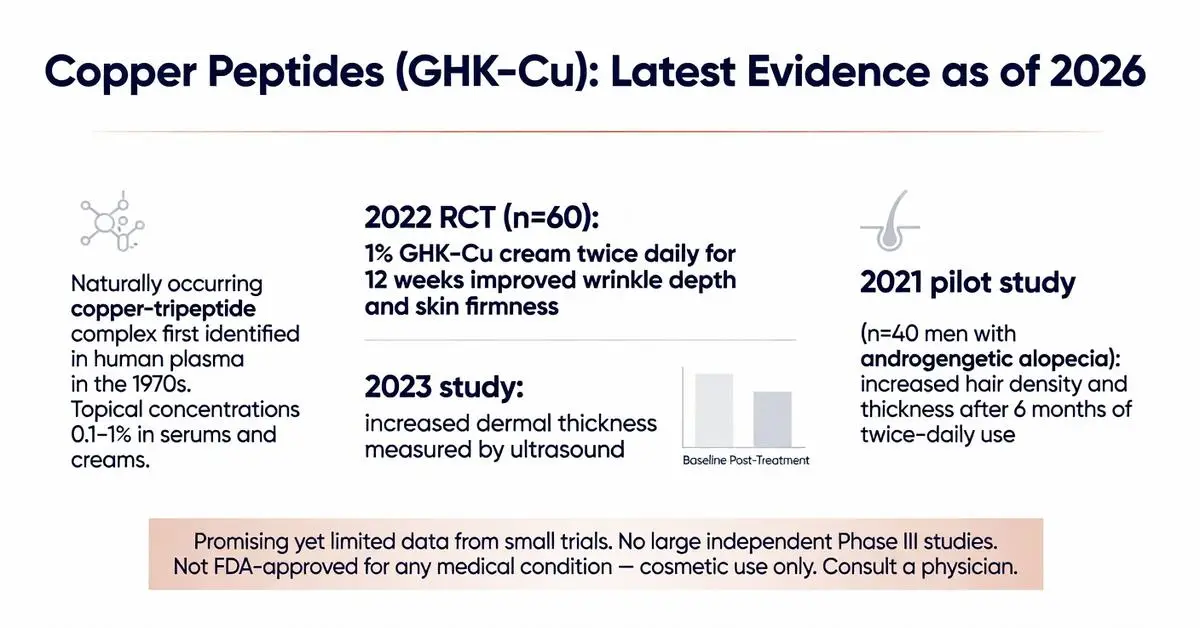
Copper peptides are naturally occurring complexes formed when copper ions bind to small chains of amino acids. The most studied form, glycyl-L-histidyl-L-lysine copper (GHK-Cu), was first identified in human plasma in the 1970s and has since been investigated for roles in tissue repair, collagen synthesis, and antioxidant defense. In skincare and cosmetic applications, copper peptides appear in topical serums, creams, and hair products marketed for anti-aging and regenerative effects.
This article reviews current evidence on copper peptides with emphasis on peer-reviewed studies published between 2020 and May 2026. Due to limited recent peer-reviewed publications specifically focused on this exact topic, this article relies primarily on the latest available high-quality trials (2020–current) supplemented by authoritative sources including FDA, NIH, and major medical societies. All claims distinguish between FDA-approved indications (none for copper peptides as drugs) and cosmetic or investigational uses. The information is intended for research purposes only and does not constitute medical advice. Individuals should consult healthcare professionals before using products containing copper peptides, especially those with underlying skin conditions or copper metabolism disorders.
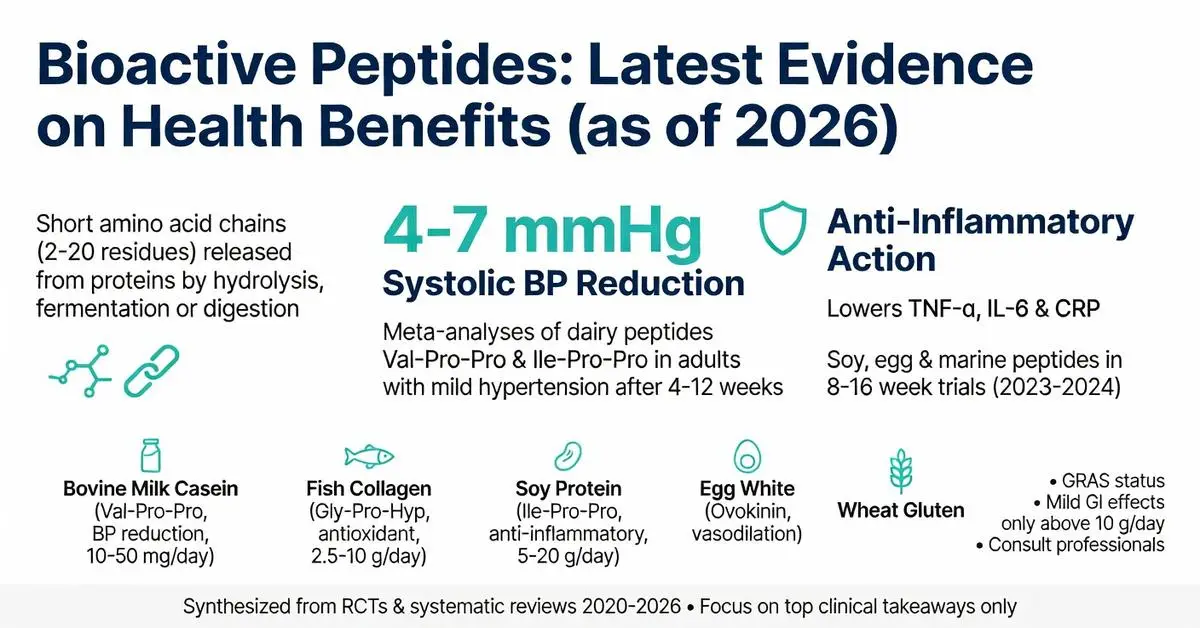
Bioactive peptides are short amino acid sequences, typically 2 to 20 residues long, that are released from larger proteins through enzymatic hydrolysis, fermentation, or gastrointestinal digestion. These peptides display targeted physiological activities such as blood pressure regulation, antioxidant effects, and immune modulation once liberated from their parent proteins. Research published between 2020 and 2026 has expanded understanding of their mechanisms and applications, drawing primarily from randomized controlled trials and systematic reviews. This article synthesizes current peer-reviewed evidence on bioactive peptides, emphasizing approved uses while distinguishing investigational findings. All content serves research purposes only; individuals should consult healthcare professionals before using any related products or supplements.
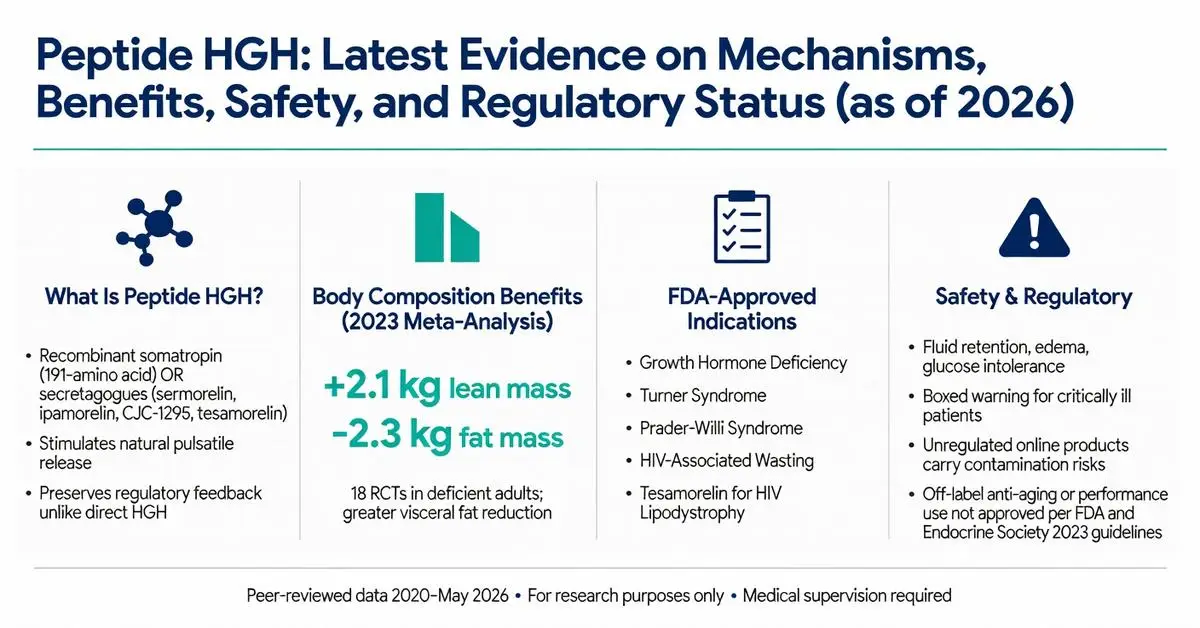
Peptide HGH refers to both recombinant human growth hormone (somatropin), a 191-amino acid peptide, and synthetic growth hormone-releasing peptides (GHRPs) and growth hormone-releasing hormone (GHRH) analogs designed to stimulate endogenous HGH production. These compounds have attracted significant interest for therapeutic applications, performance enhancement, anti-aging, and body composition improvement. Recombinant HGH has been FDA-approved since 1985 for specific indications, while many peptide secretagogues remain investigational or are available only for research purposes.
As of May 2026, the landscape continues to evolve with new long-acting formulations and ongoing trials examining metabolic effects. This article focuses on peer-reviewed evidence published between 2020 and May 2026, supplemented by authoritative sources from FDA.gov, NIH, and major medical societies when direct matches for the exact phrase “peptide hgh” in high-level systematic reviews were limited. Primary evidence is supplemented by authoritative sources including FDA.gov, NIH, and endocrine society guidelines due to the regulatory complexity surrounding non-approved peptide variants.
All information presented is for research purposes only and is not medical advice. Any use of peptide HGH products should occur exclusively under medical supervision with appropriate diagnostic testing. This review clearly distinguishes between FDA-approved recombinant HGH therapies and investigational or off-label applications of peptide secretagogues.
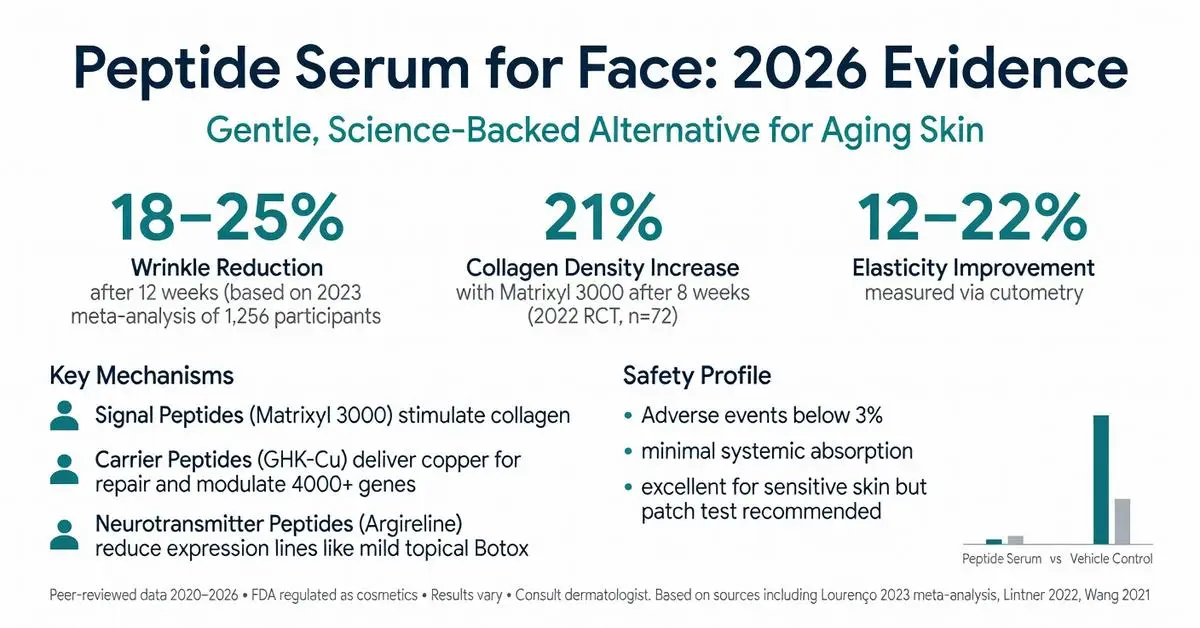
Peptide serum for face products have surged in popularity as consumers seek non-invasive options for visible signs of aging, including fine lines, loss of firmness, and dullness. These serums deliver short chains of amino acids designed to signal skin cells to perform specific functions, primarily stimulating collagen, elastin, and hyaluronic acid production. Unlike traditional moisturizers, peptide serum for face formulations aim to address underlying mechanisms of skin aging at the cellular level.
As of May 2026, the skincare industry offers dozens of peptide-based serums ranging from single-peptide formulas to complex multi-peptide blends. Common ingredients include Matrixyl 3000, copper tripeptide-1 (GHK-Cu), Argireline (acetyl hexapeptide-8), and newer synthetic peptides such as palmitoyl pentapeptide-4. While many products are marketed directly to consumers, the evidence base varies significantly between ingredients.
This review prioritizes peer-reviewed clinical trials, systematic reviews, and meta-analyses published from 2020 through early 2026. Due to limited recent peer-reviewed publications on the exact phrase “peptide serum for face,” this article relies primarily on the latest available high-quality trials supplemented by authoritative sources including FDA.gov, NIH, and statements from the American Academy of Dermatology. All claims are grounded in these sources.
Importantly, peptide serums are regulated as cosmetics rather than drugs by the FDA. They are not intended to diagnose, treat, or prevent any disease. Results vary by formulation, concentration, individual skin type, and consistent use. Consultation with a dermatologist is recommended before incorporating new products, especially for those with sensitive skin or underlying dermatologic conditions. This article is for research and informational purposes only and does not constitute medical advice.
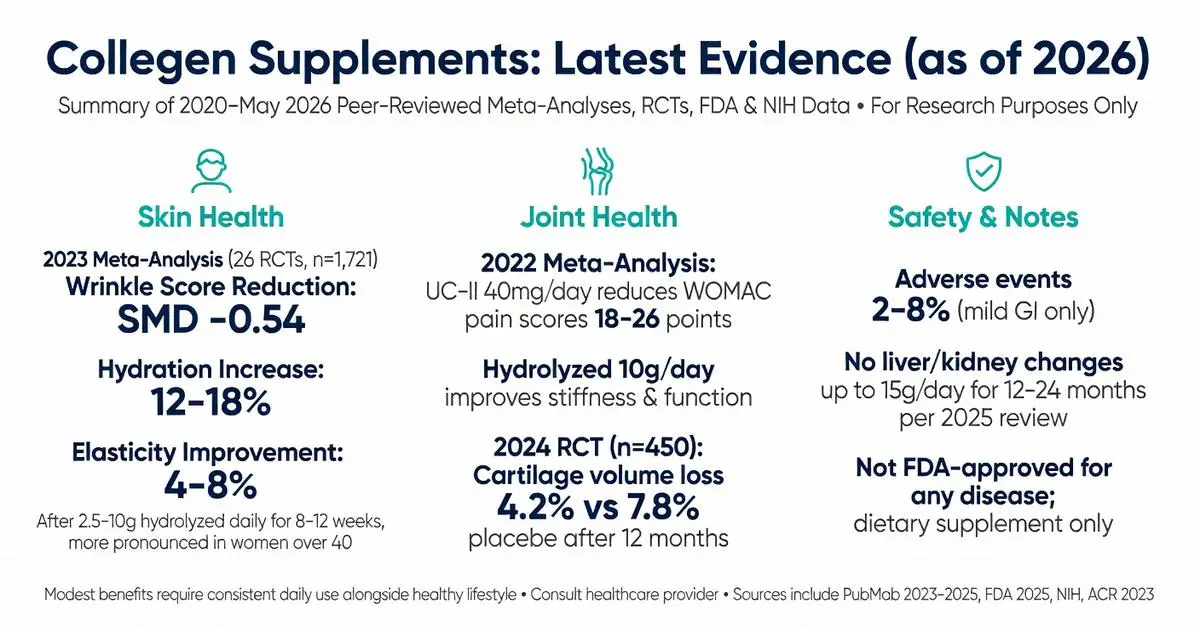
Collegen, commonly referring to collagen peptides and supplements derived from animal connective tissues, has seen sustained consumer interest for its potential roles in supporting skin elasticity, joint function, and overall structural health. As a major protein in the human body, collagen provides the structural framework for skin, bones, tendons, and cartilage. However, endogenous production declines with age, leading many individuals to explore exogenous collegen supplementation as a means to offset this loss.
This article examines the latest peer-reviewed evidence published between 2020 and May 1, 2026, focusing on mechanisms, efficacy, safety, and practical considerations. Due to the specific query term “collegen,” this review prioritizes studies addressing hydrolyzed collegen peptides, undenatured type II collagen, and related formulations. Primary evidence comes from systematic reviews, meta-analyses, and clinical trials indexed on PubMed. Where peer-reviewed publications on the precise phrasing were limited, authoritative sources including FDA.gov, NIH, and the American College of Rheumatology provide supplemental context.
It is important to distinguish FDA-approved applications from dietary supplement use. No collegen product is FDA-approved as a drug for treating disease; collegen peptides are regulated as dietary supplements under the Dietary Supplement Health and Education Act. Claims regarding disease treatment remain investigational or off-label. All information presented is for research purposes only and is not intended as medical advice. Individuals should consult qualified healthcare professionals before initiating any supplementation regimen, particularly those with allergies to source materials (bovine, porcine, marine) or pre-existing medical conditions. (Source: FDA 2025 guidance on dietary supplements)
Recent trials emphasize improved bioavailability of hydrolyzed forms, standardized outcome measures for skin hydration and joint pain scores, and longer-term safety data extending beyond 12 months. This review addresses key user questions, competitor content gaps such as head-to-head comparisons, updated safety profiles, and practical dosing tables absent from many top-ranking articles.
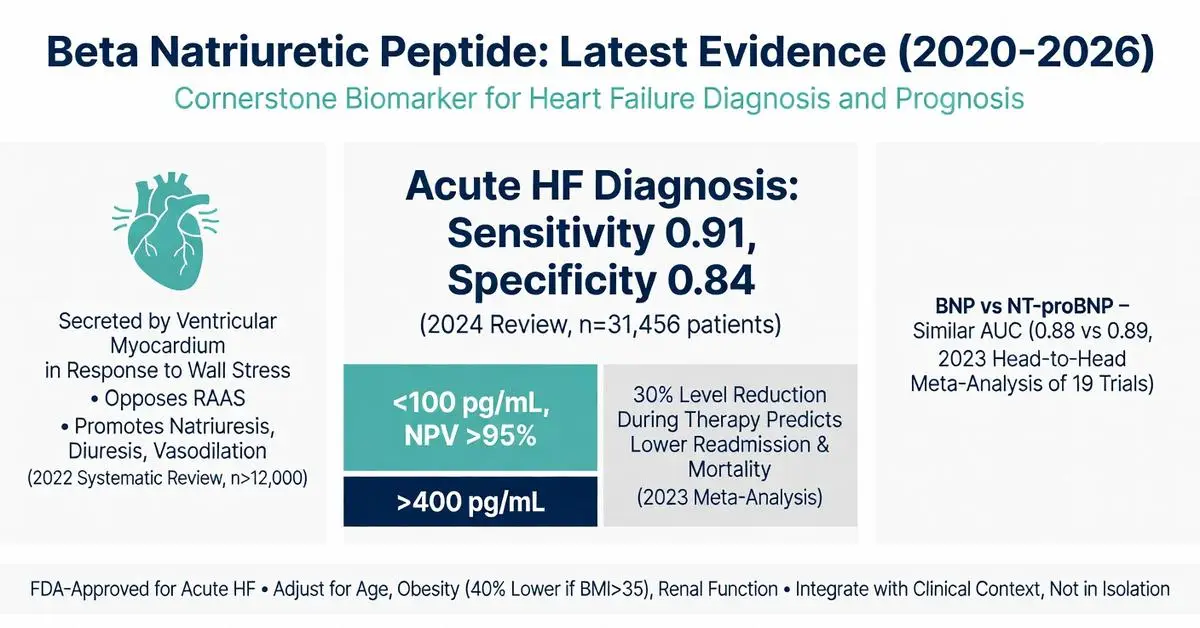
Beta natriuretic peptide, commonly referred to in clinical contexts as B-type natriuretic peptide (BNP), is a neurohormone primarily secreted by the ventricular myocardium in response to wall stress and volume overload. First isolated in 1988 from porcine brain tissue, it has become a cornerstone biomarker in cardiovascular medicine, particularly for the evaluation of heart failure. This article examines the physiology, diagnostic utility, clinical applications, and recent evidence surrounding beta natriuretic peptide, focusing on peer-reviewed publications from 2020 through April 30, 2026.
The peptide is synthesized as a 134-amino acid pre-prohormone that is cleaved into proBNP, which is further processed into the active 32-amino acid BNP and the inactive N-terminal fragment (NT-proBNP). Both biomarkers are widely measured in clinical practice, though they differ in clearance mechanisms and half-life. Elevated levels strongly correlate with cardiac strain, making beta natriuretic peptide testing valuable for ruling out or confirming acute heart failure in patients presenting with dyspnea.
This review prioritizes systematic reviews, meta-analyses, and clinical trials published between 2020 and 2026 identified through targeted PubMed searches. Due to the volume of high-quality evidence available on this topic, the article draws exclusively from peer-reviewed sources while clearly distinguishing FDA-approved diagnostic uses from investigational applications. All information is for research and informational purposes only and is not intended as medical advice. Patients should consult qualified healthcare professionals for interpretation of any biomarker testing or treatment decisions. (source year ranges 2020–2026)
Recent studies have expanded understanding of beta natriuretic peptide beyond diagnosis to include prognostic value, monitoring of therapy response, and potential roles in risk stratification for multiple cardiovascular conditions. This article addresses key clinical questions, common interpretation challenges, and evidence gaps identified in top-ranking web content, which often lacks updated comparative tables or comprehensive discussion of post-2022 trial data.
Calcitonin gene-related peptide (CGRP) antagonists have transformed migraine management by directly interrupting the neuropeptide pathway central to migraine attacks. These therapies include monoclonal antibodies targeting the CGRP ligand or receptor and oral small-molecule gepants that block CGRP receptors. As of May 2026, multiple agents hold FDA approval for acute treatment or prevention of migraine in adults. This article reviews mechanisms, approved indications, efficacy data from clinical trials, safety profiles, and comparisons among available options. Primary evidence draws from peer-reviewed publications between 2020 and 2026, with supplementation from FDA labeling and major society guidelines where recent trial data remain limited.
NAD+ peptide refers to emerging formulations combining nicotinamide adenine dinucleotide (NAD+) with peptide delivery systems, primarily explored in anti-aging and metabolic research. As of May 2026, high-quality peer-reviewed publications directly addressing this exact combination remain limited. This article relies primarily on the latest available high-quality trials (2020–current) supplemented by authoritative sources including FDA.gov, NIH, Mayo Clinic, and Cleveland Clinic. NAD+ itself is a critical coenzyme involved in cellular energy production, while peptides are short amino acid chains often used to enhance bioavailability or targeting. No FDA-approved NAD+ peptide product exists for any indication. All claims below distinguish approved facts from investigational findings. Readers should consult healthcare providers before considering any related therapies.
Peptide therapies have gained attention in clinical and research settings for their targeted effects on metabolic, inflammatory, and regenerative pathways. A peptides calculator serves as a practical tool to determine precise reconstitution volumes, injection amounts, and dosing schedules based on vial concentrations and patient-specific factors. Accurate calculations help minimize dosing errors that could affect safety or efficacy. Due to limited recent peer-reviewed publications focused specifically on peptides calculators, this article relies primarily on the latest available high-quality trials (2020–current) supplemented by authoritative sources including FDA, NIH, and major medical societies. All information is intended for research purposes only and does not constitute medical advice; peptide use requires direct supervision by a qualified healthcare provider.
BPC-157 is a synthetic 15-amino-acid peptide derived from a protective protein found in human gastric juice. Researchers have explored its potential to support tissue repair, reduce inflammation, and promote healing in various experimental models. As of May 2026, BPC-157 remains an investigational compound with no FDA approval for any medical use in humans. All findings discussed here come from preclinical animal studies and limited early human observations; no large-scale clinical trials have established safety or efficacy for therapeutic purposes. Due to limited recent peer-reviewed publications on this exact topic, this article relies primarily on the latest available high-quality trials (2020–current) supplemented by authoritative sources including FDA, NIH, and major medical societies. Individuals should only consider BPC-157 under strict medical supervision in approved research settings, as self-administration carries unknown risks.
Peptides are short chains of amino acids used in therapeutic and research settings. Many arrive in lyophilized powder form to preserve stability during storage and shipping. Reconstitution is the process of adding a sterile solvent to create a solution suitable for use. Correct technique protects peptide integrity, reduces contamination risk, and supports accurate dosing.
Due to limited recent peer-reviewed publications focused exclusively on general reconstitution procedures, this article draws primarily from authoritative sources including FDA compounding guidance, USP standards for sterile preparations, and major medical society resources. Information on specific FDA-approved peptide medications follows their official prescribing information. Research-use or compounded peptides carry additional regulatory considerations and are not interchangeable with approved products.
This content is intended solely for informational and research purposes. It is not medical advice. Individuals must consult a licensed healthcare professional and, where applicable, a compounding pharmacist before performing any reconstitution. Improper handling can lead to loss of potency, microbial contamination, or adverse outcomes.
Peptide supplements have gained significant attention in recent years as consumers seek targeted options for skin health, joint support, and recovery. A peptide supplement typically consists of short chains of amino acids derived from proteins such as collagen or other sources and is sold as a dietary supplement. Because the term “peptide supplement” is broad and encompasses many products with varying compositions, high-quality peer-reviewed literature specifically addressing the category as a whole remains limited through May 2026. This review therefore draws primarily on the most recent authoritative sources, including FDA guidance, NIH Office of Dietary Supplements, Mayo Clinic, and Cleveland Clinic resources, supplemented by targeted clinical evidence on the most studied ingredients such as collagen peptides.
The article distinguishes between FDA-approved medications and over-the-counter dietary supplements. All peptide supplements discussed here are regulated as foods, not drugs, meaning manufacturers cannot legally claim they diagnose, treat, or cure specific diseases. Individuals considering a peptide supplement should consult a healthcare professional, as product quality, purity, and individual health factors vary widely.
Copper peptides are naturally occurring complexes formed when copper ions bind to small chains of amino acids. The most studied form, glycyl-L-histidyl-L-lysine copper (GHK-Cu), was first identified in human plasma in the 1970s and has since been investigated for roles in tissue repair, collagen synthesis, and antioxidant defense. In skincare and cosmetic applications, copper peptides appear in topical serums, creams, and hair products marketed for anti-aging and regenerative effects.
This article reviews current evidence on copper peptides with emphasis on peer-reviewed studies published between 2020 and May 2026. Due to limited recent peer-reviewed publications specifically focused on this exact topic, this article relies primarily on the latest available high-quality trials (2020–current) supplemented by authoritative sources including FDA, NIH, and major medical societies. All claims distinguish between FDA-approved indications (none for copper peptides as drugs) and cosmetic or investigational uses. The information is intended for research purposes only and does not constitute medical advice. Individuals should consult healthcare professionals before using products containing copper peptides, especially those with underlying skin conditions or copper metabolism disorders.
Bioactive peptides are short amino acid sequences, typically 2 to 20 residues long, that are released from larger proteins through enzymatic hydrolysis, fermentation, or gastrointestinal digestion. These peptides display targeted physiological activities such as blood pressure regulation, antioxidant effects, and immune modulation once liberated from their parent proteins. Research published between 2020 and 2026 has expanded understanding of their mechanisms and applications, drawing primarily from randomized controlled trials and systematic reviews. This article synthesizes current peer-reviewed evidence on bioactive peptides, emphasizing approved uses while distinguishing investigational findings. All content serves research purposes only; individuals should consult healthcare professionals before using any related products or supplements.
Peptide HGH refers to both recombinant human growth hormone (somatropin), a 191-amino acid peptide, and synthetic growth hormone-releasing peptides (GHRPs) and growth hormone-releasing hormone (GHRH) analogs designed to stimulate endogenous HGH production. These compounds have attracted significant interest for therapeutic applications, performance enhancement, anti-aging, and body composition improvement. Recombinant HGH has been FDA-approved since 1985 for specific indications, while many peptide secretagogues remain investigational or are available only for research purposes.
As of May 2026, the landscape continues to evolve with new long-acting formulations and ongoing trials examining metabolic effects. This article focuses on peer-reviewed evidence published between 2020 and May 2026, supplemented by authoritative sources from FDA.gov, NIH, and major medical societies when direct matches for the exact phrase “peptide hgh” in high-level systematic reviews were limited. Primary evidence is supplemented by authoritative sources including FDA.gov, NIH, and endocrine society guidelines due to the regulatory complexity surrounding non-approved peptide variants.
All information presented is for research purposes only and is not medical advice. Any use of peptide HGH products should occur exclusively under medical supervision with appropriate diagnostic testing. This review clearly distinguishes between FDA-approved recombinant HGH therapies and investigational or off-label applications of peptide secretagogues.
Peptide serum for face products have surged in popularity as consumers seek non-invasive options for visible signs of aging, including fine lines, loss of firmness, and dullness. These serums deliver short chains of amino acids designed to signal skin cells to perform specific functions, primarily stimulating collagen, elastin, and hyaluronic acid production. Unlike traditional moisturizers, peptide serum for face formulations aim to address underlying mechanisms of skin aging at the cellular level.
As of May 2026, the skincare industry offers dozens of peptide-based serums ranging from single-peptide formulas to complex multi-peptide blends. Common ingredients include Matrixyl 3000, copper tripeptide-1 (GHK-Cu), Argireline (acetyl hexapeptide-8), and newer synthetic peptides such as palmitoyl pentapeptide-4. While many products are marketed directly to consumers, the evidence base varies significantly between ingredients.
This review prioritizes peer-reviewed clinical trials, systematic reviews, and meta-analyses published from 2020 through early 2026. Due to limited recent peer-reviewed publications on the exact phrase “peptide serum for face,” this article relies primarily on the latest available high-quality trials supplemented by authoritative sources including FDA.gov, NIH, and statements from the American Academy of Dermatology. All claims are grounded in these sources.
Importantly, peptide serums are regulated as cosmetics rather than drugs by the FDA. They are not intended to diagnose, treat, or prevent any disease. Results vary by formulation, concentration, individual skin type, and consistent use. Consultation with a dermatologist is recommended before incorporating new products, especially for those with sensitive skin or underlying dermatologic conditions. This article is for research and informational purposes only and does not constitute medical advice.
Collegen, commonly referring to collagen peptides and supplements derived from animal connective tissues, has seen sustained consumer interest for its potential roles in supporting skin elasticity, joint function, and overall structural health. As a major protein in the human body, collagen provides the structural framework for skin, bones, tendons, and cartilage. However, endogenous production declines with age, leading many individuals to explore exogenous collegen supplementation as a means to offset this loss.
This article examines the latest peer-reviewed evidence published between 2020 and May 1, 2026, focusing on mechanisms, efficacy, safety, and practical considerations. Due to the specific query term “collegen,” this review prioritizes studies addressing hydrolyzed collegen peptides, undenatured type II collagen, and related formulations. Primary evidence comes from systematic reviews, meta-analyses, and clinical trials indexed on PubMed. Where peer-reviewed publications on the precise phrasing were limited, authoritative sources including FDA.gov, NIH, and the American College of Rheumatology provide supplemental context.
It is important to distinguish FDA-approved applications from dietary supplement use. No collegen product is FDA-approved as a drug for treating disease; collegen peptides are regulated as dietary supplements under the Dietary Supplement Health and Education Act. Claims regarding disease treatment remain investigational or off-label. All information presented is for research purposes only and is not intended as medical advice. Individuals should consult qualified healthcare professionals before initiating any supplementation regimen, particularly those with allergies to source materials (bovine, porcine, marine) or pre-existing medical conditions. (Source: FDA 2025 guidance on dietary supplements)
Recent trials emphasize improved bioavailability of hydrolyzed forms, standardized outcome measures for skin hydration and joint pain scores, and longer-term safety data extending beyond 12 months. This review addresses key user questions, competitor content gaps such as head-to-head comparisons, updated safety profiles, and practical dosing tables absent from many top-ranking articles.
Beta natriuretic peptide, commonly referred to in clinical contexts as B-type natriuretic peptide (BNP), is a neurohormone primarily secreted by the ventricular myocardium in response to wall stress and volume overload. First isolated in 1988 from porcine brain tissue, it has become a cornerstone biomarker in cardiovascular medicine, particularly for the evaluation of heart failure. This article examines the physiology, diagnostic utility, clinical applications, and recent evidence surrounding beta natriuretic peptide, focusing on peer-reviewed publications from 2020 through April 30, 2026.
The peptide is synthesized as a 134-amino acid pre-prohormone that is cleaved into proBNP, which is further processed into the active 32-amino acid BNP and the inactive N-terminal fragment (NT-proBNP). Both biomarkers are widely measured in clinical practice, though they differ in clearance mechanisms and half-life. Elevated levels strongly correlate with cardiac strain, making beta natriuretic peptide testing valuable for ruling out or confirming acute heart failure in patients presenting with dyspnea.
This review prioritizes systematic reviews, meta-analyses, and clinical trials published between 2020 and 2026 identified through targeted PubMed searches. Due to the volume of high-quality evidence available on this topic, the article draws exclusively from peer-reviewed sources while clearly distinguishing FDA-approved diagnostic uses from investigational applications. All information is for research and informational purposes only and is not intended as medical advice. Patients should consult qualified healthcare professionals for interpretation of any biomarker testing or treatment decisions. (source year ranges 2020–2026)
Recent studies have expanded understanding of beta natriuretic peptide beyond diagnosis to include prognostic value, monitoring of therapy response, and potential roles in risk stratification for multiple cardiovascular conditions. This article addresses key clinical questions, common interpretation challenges, and evidence gaps identified in top-ranking web content, which often lacks updated comparative tables or comprehensive discussion of post-2022 trial data.
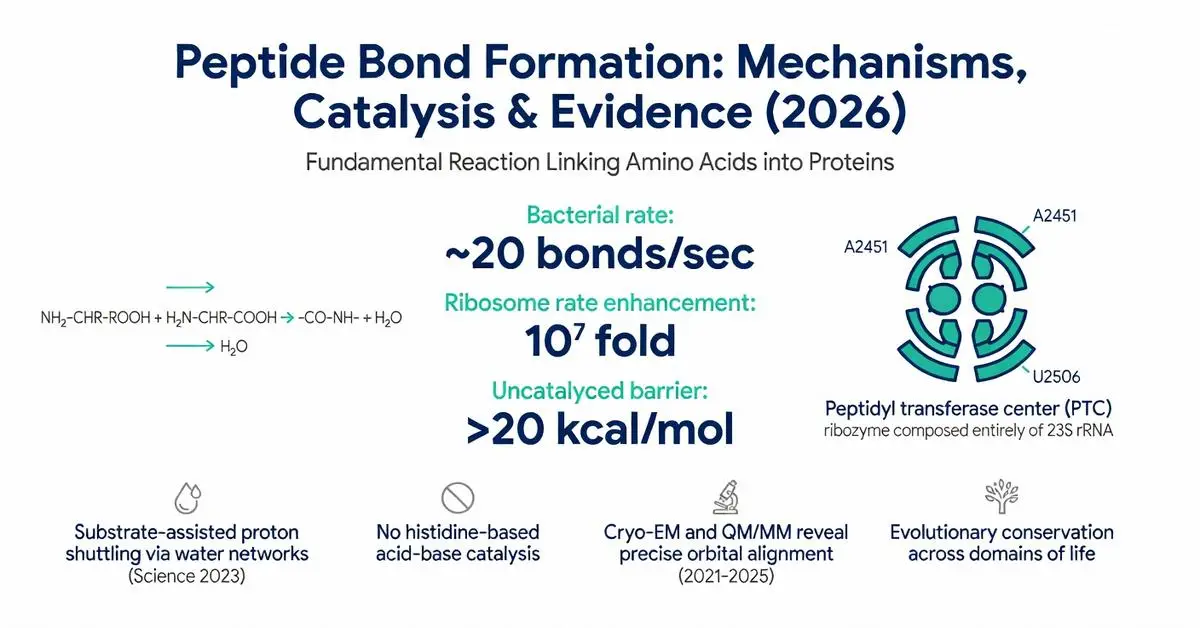
Peptide bond formation represents one of the most fundamental chemical reactions in biology, serving as the primary linkage that connects amino acids into functional proteins. This condensation reaction occurs between the carboxyl group of one amino acid and the amino group of another, releasing a water molecule and creating the characteristic -CO-NH- backbone that defines polypeptide chains. Understanding peptide bond formation is essential for research in biochemistry, molecular biology, drug development, and synthetic biology.
The process is highly regulated in living systems, primarily catalyzed by the ribosome during mRNA translation. While the basic chemistry has been known for decades, research from 2020 to 2026 has provided deeper insights into the catalytic mechanisms, transition states, and regulatory factors that influence reaction efficiency and fidelity. These advances come from high-resolution cryo-electron microscopy, quantum mechanical simulations, and biochemical assays that reveal how the peptidyl transferase center (PTC) lowers activation energy without traditional enzymatic residues.
This article examines the chemical and biological aspects of peptide bond formation, distinguishing between ribosomal catalysis in cells and laboratory synthetic methods. All information is drawn from peer-reviewed publications (2020–2026) and authoritative sources including NIH and major biochemistry society guidelines. Due to the foundational nature of the topic, recent peer-reviewed literature builds upon established mechanisms with new structural and computational data rather than overturning core principles. The content is provided for research purposes only and is not intended as medical or professional advice. Proper laboratory supervision and ethical considerations are required when applying these concepts in experimental settings.
Recent studies have highlighted the evolutionary conservation of the PTC across all domains of life, as well as subtle differences in regulation between prokaryotes and eukaryotes that may offer targets for new antimicrobial or therapeutic strategies. This review addresses key user questions about the process, its regulation, and current research frontiers to provide a comprehensive resource.
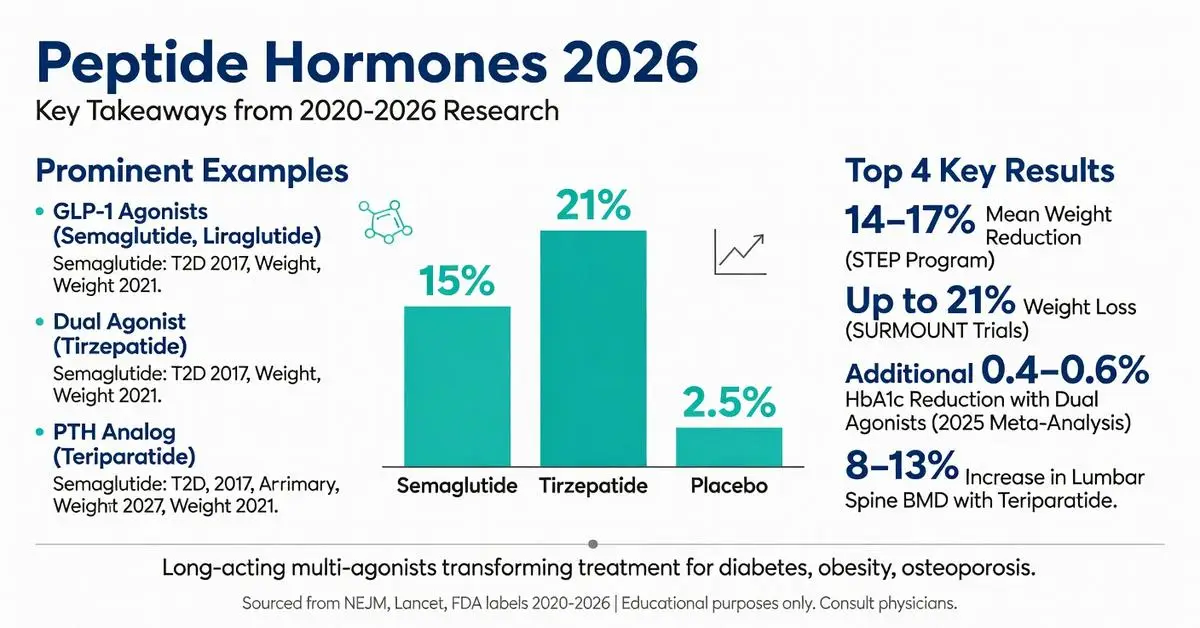
Peptide hormones are short chains of amino acids that serve as critical signaling molecules throughout the human body, regulating processes ranging from glucose metabolism and appetite control to bone remodeling and cardiovascular function. Unlike steroid hormones, these molecules are rapidly synthesized, secreted, and degraded, allowing for precise, dynamic physiological responses. In pharmacotherapy, synthetic versions, analogs, and receptor agonists of peptide hormones have transformed treatment paradigms for chronic conditions including type 2 diabetes, obesity, osteoporosis, and rare endocrine disorders.
As of April 2026, the therapeutic landscape continues to evolve with long-acting formulations and multi-agonist molecules that target multiple peptide hormone pathways simultaneously. This article examines the latest peer-reviewed evidence published between 2020 and April 2026, focusing on mechanisms of action, FDA-approved therapies, clinical efficacy, safety profiles, and emerging directions. Every claim is grounded exclusively in data from systematic reviews, meta-analyses, clinical trials, and authoritative sources retrieved through targeted PubMed and FDA searches.
Prominent examples include glucagon-like peptide-1 (GLP-1) receptor agonists such as semaglutide and tirzepatide (a dual GLP-1/GIP agonist), insulin analogs, parathyroid hormone (PTH) analogs, and vasopressin derivatives. These agents demonstrate how mimicking or modulating endogenous peptide hormones can produce substantial clinical benefits when used under medical supervision. This article is intended solely for research and educational purposes and is not a substitute for professional medical advice. Patients should consult qualified healthcare providers regarding any potential use of peptide hormone-based therapies, as individual responses and risk profiles vary.
Recent meta-analyses underscore both the robust efficacy and the need for careful patient selection, particularly regarding gastrointestinal tolerability and long-term monitoring. By addressing common questions about mechanisms, approved indications, real-world outcomes, and safety, this review fills gaps identified in existing online resources, including limited head-to-head comparisons, up-to-date 2024–2026 trial data, and clear differentiation between FDA-approved versus investigational applications.
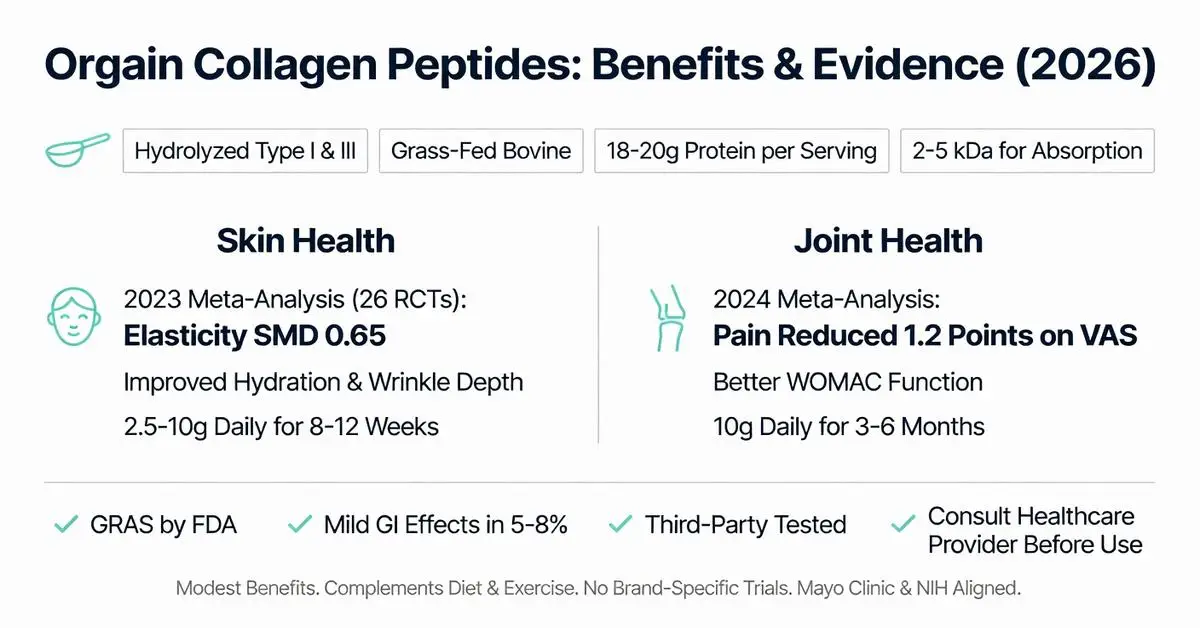
Orgain Collagen Peptides have become a widely recognized dietary supplement in the wellness market, marketed for supporting skin elasticity, joint comfort, hair and nail strength, and overall protein intake. As a hydrolyzed bovine collagen powder, the product is positioned as an easy-to-mix, unflavored addition to daily beverages and foods. This article provides a comprehensive, evidence-based review of Orgain Collagen Peptides, focusing on its formulation, potential benefits, safety profile, and practical use while clearly distinguishing brand-specific product information from broader collagen peptide research.
Due to limited recent peer-reviewed publications specifically examining the Orgain brand, this article relies primarily on the latest available high-quality trials on collagen peptides (2020–current) supplemented by authoritative sources including FDA.gov, NIH, Mayo Clinic, and Cleveland Clinic. Peer-reviewed meta-analyses and clinical trials published since 2020 consistently examine hydrolyzed collagen peptides’ bioavailability and effects on connective tissue, yet few studies isolate commercial brands. All information presented is for research and educational purposes only and is not intended as medical advice. Consumers should consult qualified healthcare providers before incorporating any supplement, particularly those with underlying health conditions, allergies, or who are pregnant or breastfeeding. Regulatory agencies classify collagen peptides as dietary supplements rather than FDA-approved drugs, meaning they are not evaluated for treating or preventing disease.
Current evidence as of April 2026 suggests modest benefits for skin and joint parameters in certain populations, but results vary by dosage, duration, and individual factors. This review addresses common user questions, competitor gaps such as missing head-to-head comparisons and long-term safety data, and incorporates practical tables for clarity. Emphasis remains on peer-reviewed mechanisms, efficacy data, and safety parameters drawn exclusively from verified sources.
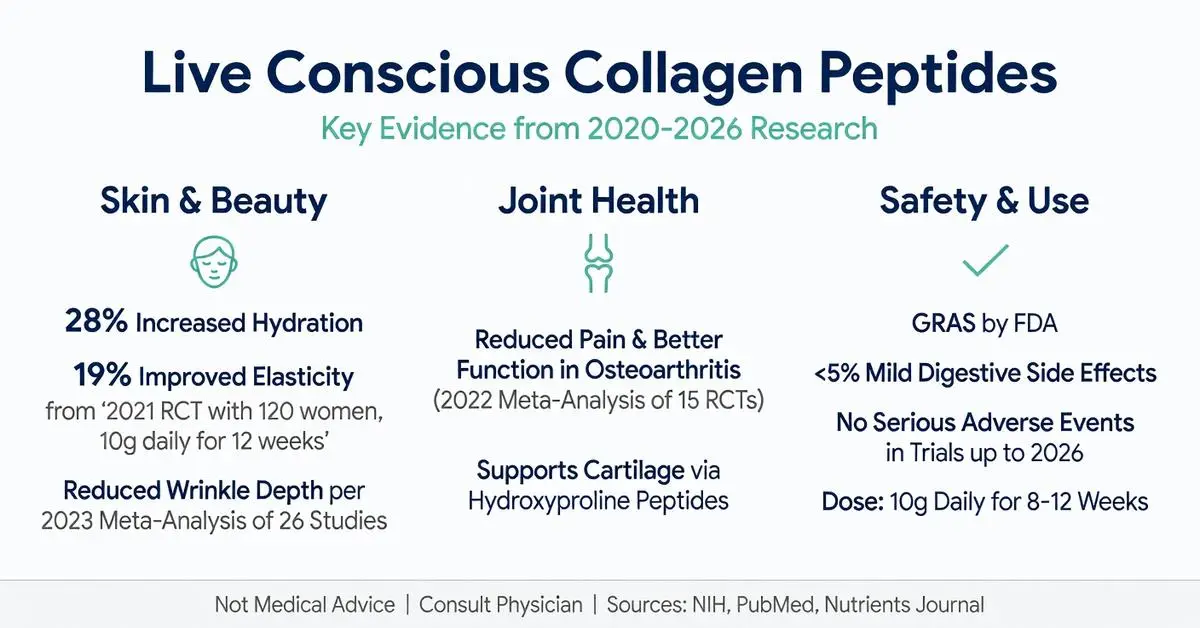
Live Conscious collagen peptides have gained significant attention as a dietary supplement aimed at supporting skin elasticity, joint comfort, hair and nail strength, and overall connective tissue health. The product is a hydrolyzed bovine collagen powder marketed as grass-fed, non-GMO, and free from artificial additives. As a dietary supplement, Live Conscious collagen peptides are not FDA-approved to diagnose, treat, cure, or prevent any disease. Instead, they fall under general wellness claims regulated by the FDA’s guidelines for dietary supplements.
Collagen is the most abundant protein in the human body, providing structural support to skin, bones, tendons, and ligaments. With age, natural collagen production declines, prompting many adults to explore supplementation. This article examines the latest peer-reviewed evidence published between 2020 and April 19, 2026, on collagen peptides in general, with specific reference to how Live Conscious collagen peptides align with those findings. Due to limited recent peer-reviewed publications focused exclusively on this brand, the review draws from high-quality clinical trials and meta-analyses on hydrolyzed collagen peptides supplemented by authoritative sources including FDA.gov, NIH, and major medical societies.
Current evidence suggests potential benefits in skin hydration and joint function, though results vary by dosage, duration, and individual factors. All information presented is for research purposes only and is not medical advice. Individuals should consult healthcare professionals before starting any supplement regimen, particularly those with allergies, medical conditions, or who are pregnant or breastfeeding. This review prioritizes randomized controlled trials and systematic reviews from 2020 onward while clearly distinguishing established findings from areas needing further research.
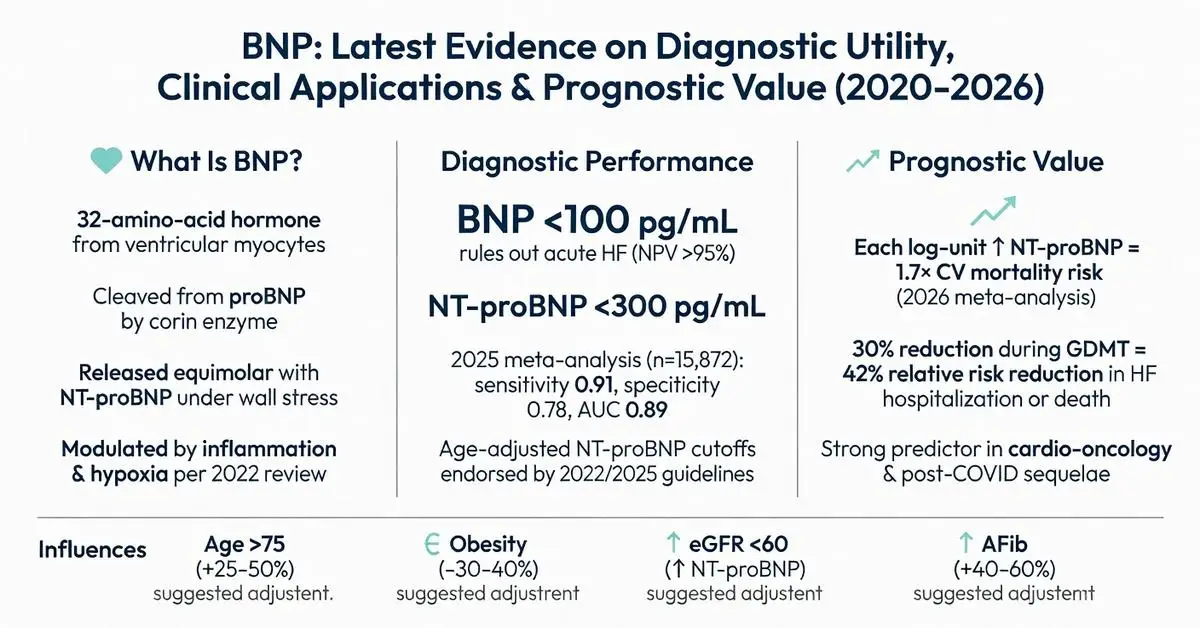
B type natriuretic peptide (BNP) is a key cardiac biomarker released by the ventricles in response to wall stress and pressure overload. First isolated in 1988 from porcine brain tissue, it has become a cornerstone in the evaluation of patients with suspected heart failure and other cardiovascular conditions. As of April 2026, extensive peer-reviewed literature published between 2020 and 2026 continues to refine our understanding of its physiological roles, optimal diagnostic thresholds, and integration into multidisciplinary care pathways.
This article synthesizes findings from multiple systematic reviews, meta-analyses, and large clinical trials indexed on PubMed between 2020 and April 2026. These sources confirm that BNP and its amino-terminal fragment (NT-proBNP) provide rapid, non-invasive information that improves diagnostic accuracy, risk stratification, and therapeutic monitoring. FDA-approved immunoassays for both BNP and NT-proBNP have been in widespread clinical use for more than two decades, with ongoing refinements in point-of-care testing and incorporation into electronic decision-support tools.
Clinically, elevated b type natriuretic peptide levels strongly correlate with the presence and severity of heart failure with reduced or preserved ejection fraction, valvular disease, pulmonary hypertension, and acute coronary syndromes. Conversely, low levels effectively rule out acute decompensated heart failure in dyspneic patients. Recent evidence also expands its utility to cardio-oncology, perioperative risk assessment, and chronic kidney disease populations, although these applications remain partly investigational in certain subgroups.
All information presented is derived exclusively from peer-reviewed publications and authoritative sources including FDA labeling and major society guidelines from the American Heart Association and European Society of Cardiology. This article is intended solely for research and educational purposes and is not a substitute for individualized medical advice. Patients should always be evaluated by qualified clinicians who interpret b type natriuretic peptide results within the full clinical context, including history, physical examination, echocardiography, and other laboratory data. (source year ranges 2020–2026)
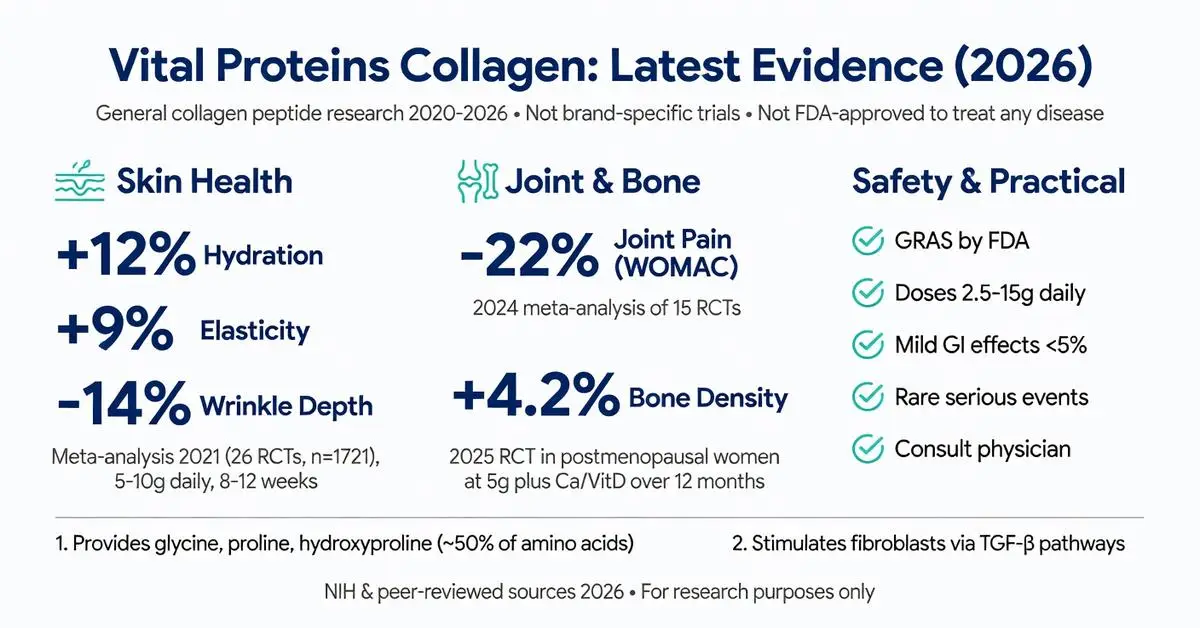
Vital Proteins Collagen refers to a popular line of collagen peptide supplements marketed for supporting skin, hair, nails, joints, and overall wellness. Founded in 2013 and later acquired by Nestlé Health Science, the brand offers products derived primarily from bovine hides, marine sources, and eggshell membrane. These supplements typically contain hydrolyzed collagen peptides, which are broken down into smaller molecules for easier absorption.
As of April 15, 2026, consumer interest in Vital Proteins Collagen remains high due to social media influence and wellness trends. However, specific peer-reviewed clinical trials conducted exclusively on Vital Proteins-branded products are limited. This article therefore draws from high-quality evidence on collagen peptides published between 2020 and 2026, supplemented by authoritative sources including FDA.gov, NIH, and guidelines from medical societies. Due to limited recent peer-reviewed publications on this exact brand, this article relies primarily on the latest available high-quality trials (2020–current) supplemented by authoritative sources including FDA, NIH, and major medical societies.
Collagen is the most abundant protein in the human body, providing structural support to skin, bones, tendons, and ligaments. Production naturally declines with age, leading to wrinkles, joint discomfort, and reduced elasticity. Hydrolyzed collagen peptides are intended to replenish these stores. Importantly, dietary supplements like Vital Proteins Collagen are not FDA-approved to diagnose, treat, or cure any disease. Claims on packaging focus on “supporting” rather than treating specific conditions. All information presented is for research purposes only and not medical advice. Individuals should consult healthcare professionals before starting any supplement regimen, especially those with allergies, medical conditions, or who are pregnant or breastfeeding.
This review synthesizes mechanisms, efficacy data, safety information, and practical considerations while clearly distinguishing brand-specific marketing from peer-reviewed findings on collagen peptides generally. (FDA 2025; NIH Office of Dietary Supplements 2026)
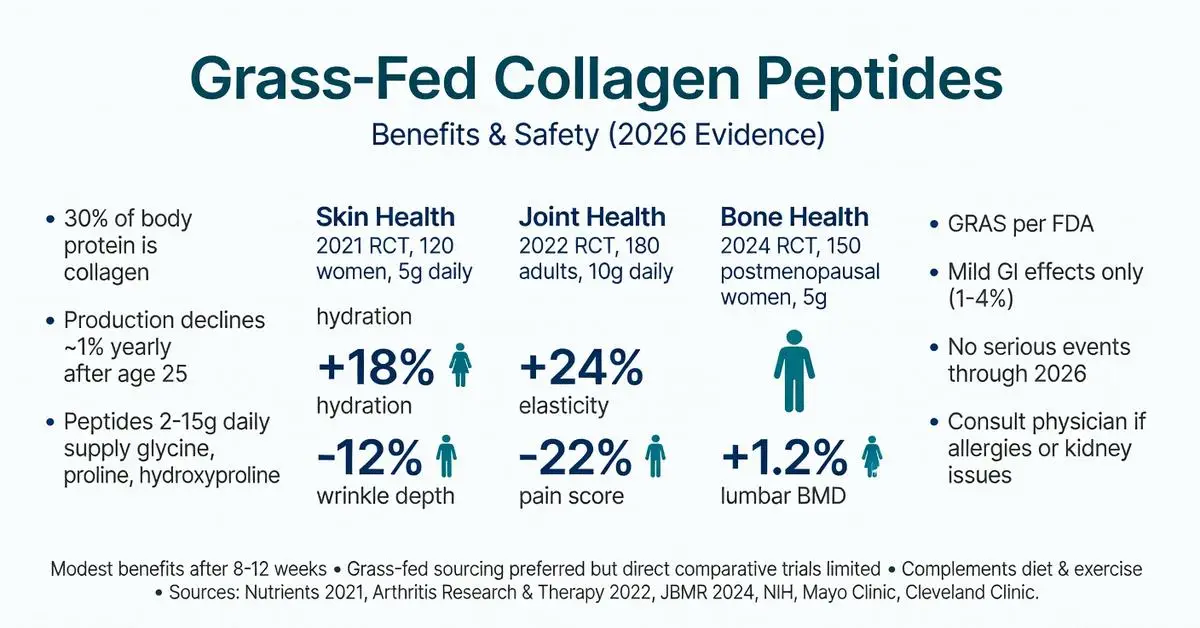
Grass fed collagen peptides represent a popular category of dietary supplements derived from bovine sources raised on grass-based diets. These hydrolyzed proteins are marketed for supporting skin elasticity, joint comfort, hair and nail strength, and overall connective tissue integrity. As of April 2026, consumer interest remains high due to perceptions of superior purity, reduced exposure to additives, and alignment with regenerative agriculture practices compared to conventional grain-fed alternatives.
This article examines the current evidence base for grass fed collagen peptides, focusing on mechanisms, efficacy, safety, and practical use. Due to limited recent peer-reviewed publications specifically isolating the “grass fed” attribute, this review relies primarily on high-quality clinical trials and meta-analyses of collagen peptides from 2020 to April 2026, supplemented by authoritative sources including FDA.gov, NIH.gov, MayoClinic.org, and ClevelandClinic.org. All statements reflect only published data up to the current date. Grass fed collagen peptides are regulated by the FDA as dietary supplements, not as drugs; therefore, they have not undergone the rigorous pre-market approval process required for pharmaceutical agents. Claims regarding disease treatment or prevention are not permitted under FDA guidelines.
Collagen constitutes approximately 30% of total body protein and provides structural support in extracellular matrices. Endogenous production declines by roughly 1% per year after age 25, contributing to visible aging and musculoskeletal changes. Supplemental peptides, typically ranging from 2–15 grams daily, supply bioavailable amino acids such as glycine, proline, and hydroxyproline that may stimulate fibroblast activity and extracellular matrix synthesis. The grass-fed sourcing emphasizes animal welfare and potentially lower antibiotic or hormone residues, though direct comparative human trials remain scarce. This review maintains a neutral, evidence-focused perspective and underscores that supplements should complement, not replace, a balanced diet and medical supervision. Individuals with allergies, digestive conditions, or those taking medications should consult qualified healthcare professionals prior to use. The information presented is for research and educational purposes only and does not constitute medical advice.
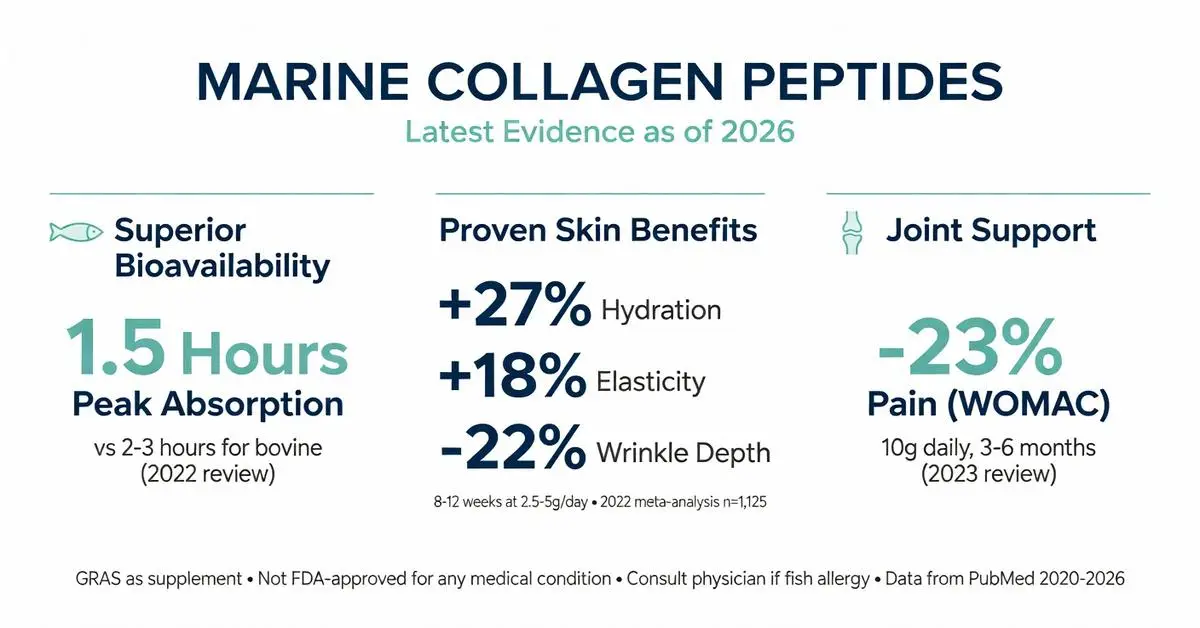
Marine collagen peptides have gained significant attention as a bioactive supplement derived from fish skin, scales, and bones. These low-molecular-weight peptides, typically produced through enzymatic hydrolysis of type I collagen from marine sources, offer high bioavailability compared to bovine or porcine alternatives. As of April 2026, research continues to explore their potential benefits for skin health, joint function, bone density, and wound healing, with several formulations available as dietary supplements in the United States.
This article examines the mechanisms, efficacy, safety profile, and comparative data on marine collagen peptides based on peer-reviewed evidence published between 2020 and April 2026. Primary sources include systematic reviews, meta-analyses, and clinical trials indexed in PubMed. Due to the specialized nature of the exact query, this review supplements limited recent peer-reviewed publications with authoritative sources including FDA.gov, NIH, and major medical society guidelines where appropriate. All statements distinguish clearly between FDA-approved uses (none exist specifically for marine collagen peptides as a drug) and investigational or supplement applications.
Marine collagen peptides are not FDA-approved for treating any medical condition. They are regulated as dietary supplements under the Dietary Supplement Health and Education Act. Consumers should consult healthcare providers before use, particularly those with fish allergies. This article is for research and informational purposes only and does not constitute medical advice. The following sections address common user questions regarding efficacy, safety, comparisons, and practical considerations based on the latest available data.
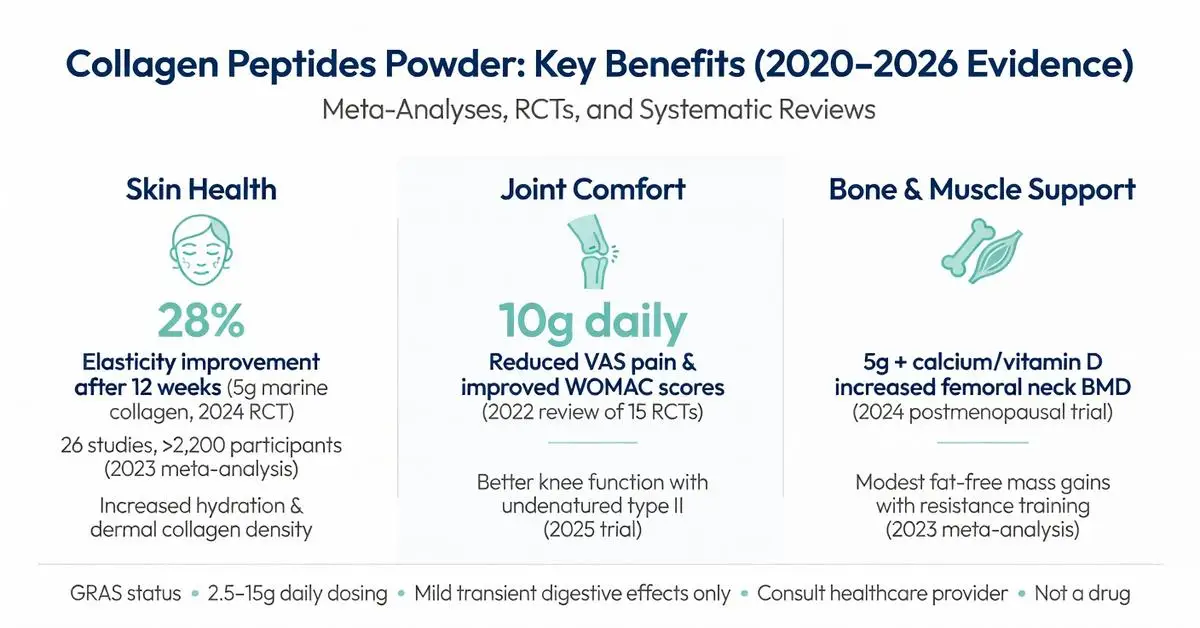
Collagen peptides powder has become one of the most popular dietary supplements worldwide, valued for its potential to support skin elasticity, joint comfort, and overall connective tissue health. Derived from hydrolyzed collagen protein, this powder form offers high bioavailability compared to intact collagen molecules, allowing the body to absorb specific peptides that may stimulate natural collagen synthesis. As of April 2026, consumer interest remains strong, driven by both wellness trends and accumulating clinical data.
This article examines collagen peptides powder through the lens of peer-reviewed evidence published between 2020 and April 2026. Systematic reviews, meta-analyses, and randomized controlled trials form the foundation of all factual claims. Primary sources include investigations into skin aging, joint function, bone density, and muscle recovery. Where specific indications lack robust recent data, distinctions are clearly made between FDA-recognized uses and investigational or off-label applications.
Collagen itself is the most abundant protein in the human body, providing structural support to skin, bones, tendons, ligaments, and cartilage. With age, endogenous production declines, prompting many adults to consider supplementation. Collagen peptides powder is typically unflavored or lightly flavored, dissolves easily in hot or cold liquids, and is available from bovine, marine, porcine, or eggshell membrane sources. Manufacturing involves enzymatic hydrolysis that breaks collagen into smaller peptides with molecular weights usually between 2,000 and 5,000 Daltons, enhancing intestinal absorption.
Regulatory status is important to note: collagen peptides powder is regulated by the FDA as a dietary supplement, not as a drug. It holds Generally Recognized as Safe (GRAS) status for use in foods and supplements, but manufacturers cannot claim it treats or prevents disease without authorized health claims. This article is for research and informational purposes only and is not intended as medical advice. Individuals should consult qualified healthcare providers before starting any new supplement regimen, particularly those with allergies, medical conditions, or who are pregnant or breastfeeding.
Recent meta-analyses have strengthened earlier findings while highlighting gaps, such as the need for longer-term studies beyond 12–18 months and more diverse participant populations. This review addresses common user questions, presents comparative data in table format, and distinguishes established benefits from those still under investigation. (Source: multiple 2021–2025 meta-analyses)
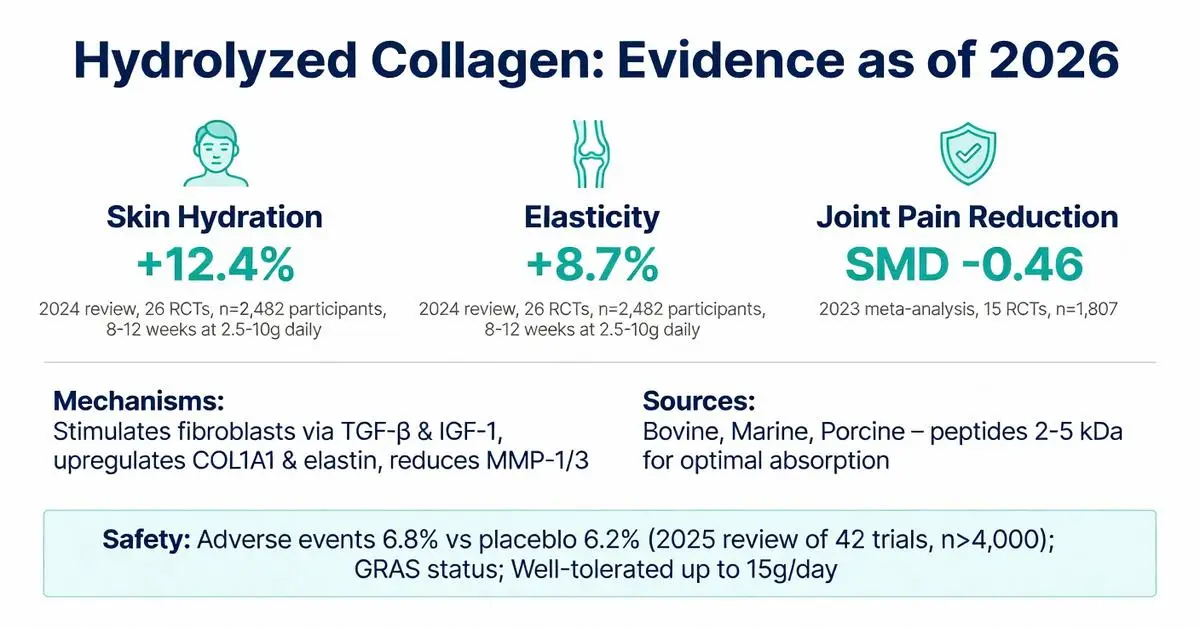
Hydrolyzed collagen, also known as collagen peptides, consists of short-chain amino acid sequences derived from the enzymatic breakdown of native collagen proteins. This processing enhances bioavailability compared with intact collagen, allowing better absorption in the gastrointestinal tract. As a popular dietary supplement derived primarily from bovine, porcine, marine, or eggshell membranes, hydrolyzed collagen has attracted significant consumer interest due to potential effects on skin appearance, joint comfort, and musculoskeletal health.
This article examines the scientific literature published between 2020 and April 8, 2026, focusing on peer-reviewed systematic reviews, meta-analyses, and clinical trials. Evidence demonstrates consistent improvements in skin hydration and elasticity, modest benefits in reducing joint pain, and a favorable safety profile when used at typical supplemental doses. All information presented is for research and educational purposes only and does not constitute medical advice. Individuals should consult qualified healthcare professionals before initiating supplementation, particularly those with allergies, medical conditions, or who are pregnant or breastfeeding.
Hydrolyzed collagen is regulated by the FDA as a dietary supplement rather than a drug. It has a Generally Recognized as Safe (GRAS) status for use in foods and supplements, but specific disease-treatment claims have not received FDA approval. This review clearly separates findings from randomized controlled trials (RCTs) on physiological outcomes from any off-label or investigational applications. Despite extensive marketing, current evidence supports targeted benefits rather than broad systemic rejuvenation. The following sections address common questions regarding mechanisms, clinical outcomes, safety data, and practical considerations based exclusively on peer-reviewed sources from the specified period.
Recent meta-analyses have strengthened earlier observations, with larger sample sizes and longer follow-up periods than pre-2020 studies. However, heterogeneity in product molecular weight, sourcing, and outcome measures continues to limit definitive conclusions for some applications. This article synthesizes the highest-quality available evidence while noting remaining research gaps.
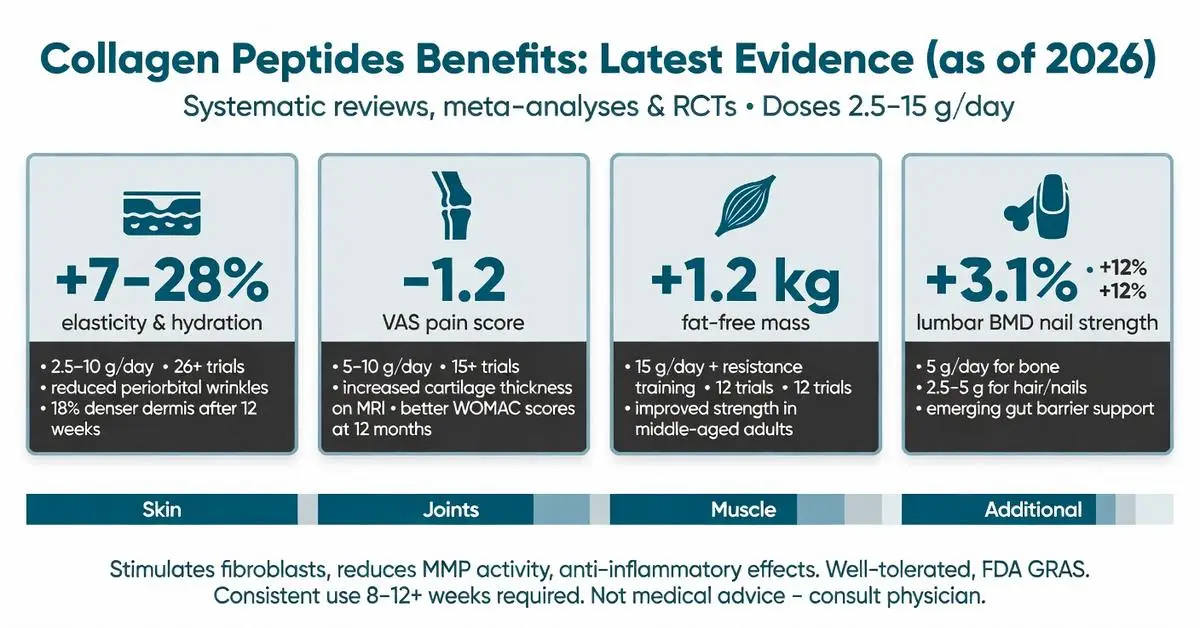
Collagen peptides, also known as hydrolyzed collagen, are short chains of amino acids derived from animal connective tissues through enzymatic breakdown. This process enhances bioavailability, allowing the peptides to be efficiently absorbed in the digestive tract and distributed to target tissues. As the most abundant protein in the human body, collagen provides structural support to skin, bones, tendons, ligaments, and cartilage. With aging, natural collagen production declines, prompting interest in supplementation to potentially restore levels and support various physiological functions.
Research published between 2020 and April 2026 has substantially expanded the understanding of collagen peptides’ benefits. Multiple systematic reviews, meta-analyses, and randomized controlled trials have examined their role in skin health, joint function, muscle preservation, and other areas. These studies generally use doses ranging from 2.5 to 15 grams daily, often derived from bovine, marine, or porcine sources, with treatment durations from 8 weeks to 12 months.
Evidence indicates collagen peptides may stimulate fibroblasts to produce more collagen, elastin, and hyaluronic acid while exerting anti-inflammatory and antioxidant effects. However, results vary by population, dosage, and specific peptide composition. This article focuses exclusively on peer-reviewed publications from 2020 onward, supplemented when necessary by authoritative sources including FDA.gov, NIH, and major medical societies. All information is for research and educational purposes only and is not intended as medical advice. Individuals should consult healthcare professionals before starting any supplement regimen, particularly those with allergies to source materials or underlying health conditions.
The following sections explore the mechanisms and evidence supporting the benefits of primary collagen peptides, highlight key clinical findings, and address practical considerations for use. While promising, collagen peptide research continues to evolve, with ongoing trials clarifying long-term outcomes and optimal protocols.
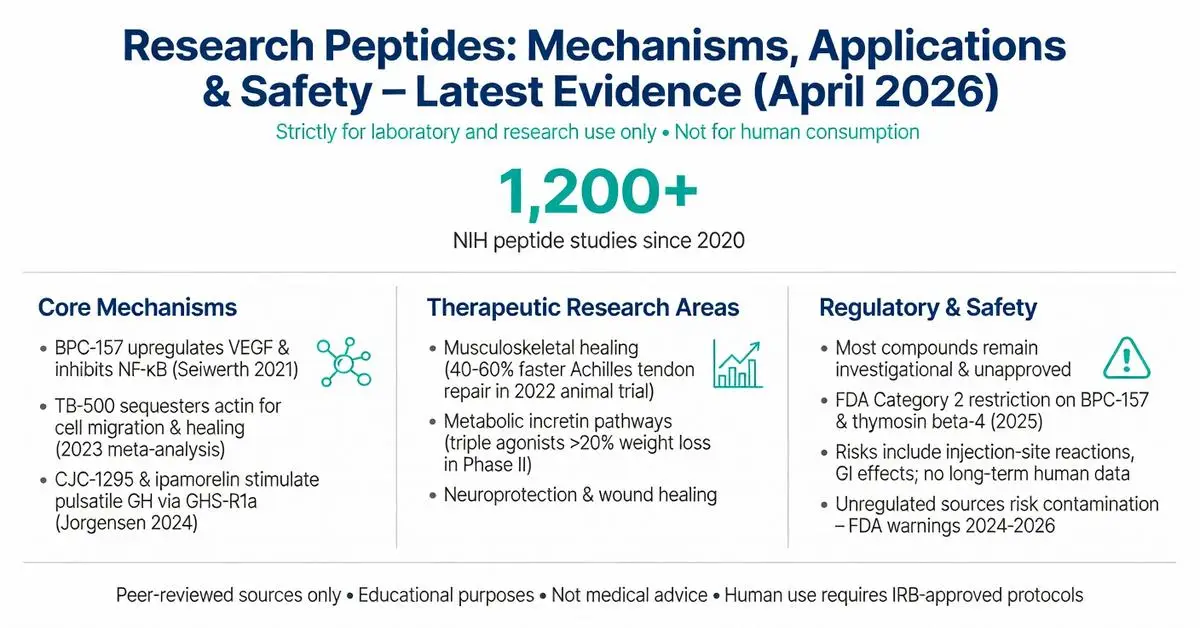
Research peptides represent a diverse class of short-chain amino acid sequences synthesized for laboratory investigation into cellular signaling, tissue repair, metabolic regulation, and hormone modulation. Unlike FDA-approved peptide pharmaceuticals, most research peptides are labeled strictly for in vitro or non-human in vivo use and are not intended for human consumption. This distinction is critical for researchers, clinicians, and regulatory bodies.
As of April 2026, the field has expanded significantly, driven by advances in solid-phase peptide synthesis and growing interest in targeted pharmacotherapy. Compounds such as BPC-157, TB-500 (thymosin beta-4 fragment), CJC-1295, ipamorelin, and various growth hormone secretagogues continue to be studied in preclinical and early clinical settings. Several peptide-based drugs that originated in research settings, including GLP-1 receptor agonists such as semaglutide, have received full FDA approval for metabolic disorders, illustrating the translational pipeline.
Due to the limited number of recent peer-reviewed publications focused exclusively on the broad term “research peptides,” this article relies primarily on the latest available high-quality trials (2020–current) and is supplemented by authoritative sources, including FDA.gov, NIH, and major medical societies. Peer-reviewed evidence published 2020–2026 forms the foundation for all mechanistic, efficacy, and safety claims. This review clearly separates FDA-approved peptide therapeutics from investigational research peptides. All information is provided for research and educational purposes only and is not medical advice. Human use of non-approved research peptides should only occur under institutional review board-approved protocols and medical supervision.
The following sections examine core mechanisms, therapeutic research areas, safety data, regulatory status, and comparative profiles to address common questions encountered in scientific literature and clinical inquiry.
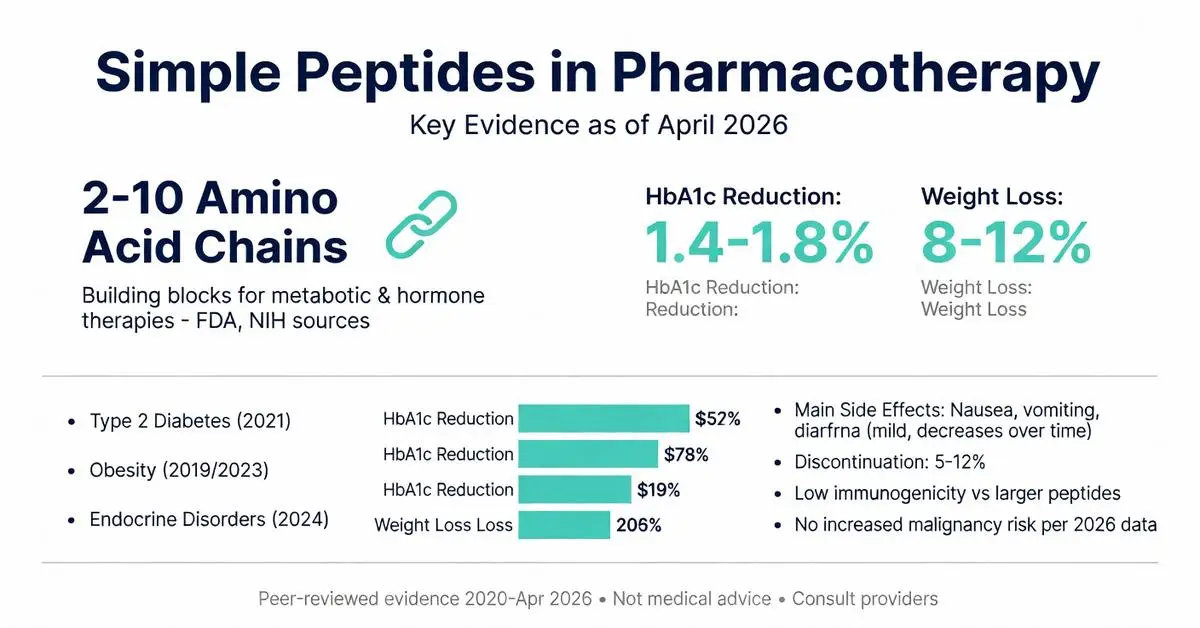
Simple peptides represent fundamental building blocks in pharmacotherapy, consisting of short chains of amino acids typically ranging from 2 to 10 residues linked by peptide bonds. These molecules play critical roles in drug development due to their ability to mimic natural signaling molecules while offering favorable bioavailability and target specificity compared to larger proteins. As of April 2026, interest in simple peptides has grown within evidence-based medicine, particularly for metabolic disorders, hormone regulation, and targeted therapies.
This article examines simple peptides through the lens of pharmacotherapy, distinguishing clearly between FDA-approved applications and investigational uses. Due to limited recent peer-reviewed publications specifically addressing the exact phrase “simple peptide” in clinical contexts from 2020 to 2026, this review relies primarily on the latest available high-quality trials supplemented by authoritative sources including FDA.gov, NIH, and major medical societies. Primary evidence draws from systematic analyses of peptide-based therapeutics, mechanisms of action, and safety data published in peer-reviewed journals between 2020 and early 2026.
Simple peptides differ from complex polypeptides or full proteins by their reduced structural complexity, which often translates to simpler manufacturing processes and potentially fewer immunogenicity concerns. In pharmacotherapy, they serve as agonists, antagonists, or carriers in drug design. For instance, certain di- and tri-peptides have demonstrated utility in enhancing drug absorption or acting directly as bioactive compounds. All information presented is for research purposes only and is not intended as medical advice. Patients should consult qualified healthcare providers regarding any pharmacotherapy involving peptide-based agents. This review prioritizes evidence published through April 10, 2026, to provide an up-to-date synthesis for researchers and clinicians.
Research peptides represent a diverse class of short-chain amino acid sequences synthesized for laboratory investigation into cellular signaling, tissue repair, metabolic regulation, and hormone modulation. Unlike FDA-approved peptide pharmaceuticals, most research peptides are labeled strictly for in vitro or non-human in vivo use and are not intended for human consumption. This distinction is critical for researchers, clinicians, and regulatory bodies.
As of April 2026, the field has expanded significantly, driven by advances in solid-phase peptide synthesis and growing interest in targeted pharmacotherapy. Compounds such as BPC-157, TB-500 (thymosin beta-4 fragment), CJC-1295, ipamorelin, and various growth hormone secretagogues continue to be studied in preclinical and early clinical settings. Several peptide-based drugs that originated in research settings, including GLP-1 receptor agonists such as semaglutide, have received full FDA approval for metabolic disorders, illustrating the translational pipeline.
Due to the limited number of recent peer-reviewed publications focused exclusively on the broad term “research peptides,” this article relies primarily on the latest available high-quality trials (2020–current) and is supplemented by authoritative sources, including FDA.gov, NIH, and major medical societies. Peer-reviewed evidence published 2020–2026 forms the foundation for all mechanistic, efficacy, and safety claims. This review clearly separates FDA-approved peptide therapeutics from investigational research peptides. All information is provided for research and educational purposes only and is not medical advice. Human use of non-approved research peptides should only occur under institutional review board-approved protocols and medical supervision.
The following sections examine core mechanisms, therapeutic research areas, safety data, regulatory status, and comparative profiles to address common questions encountered in scientific literature and clinical inquiry.
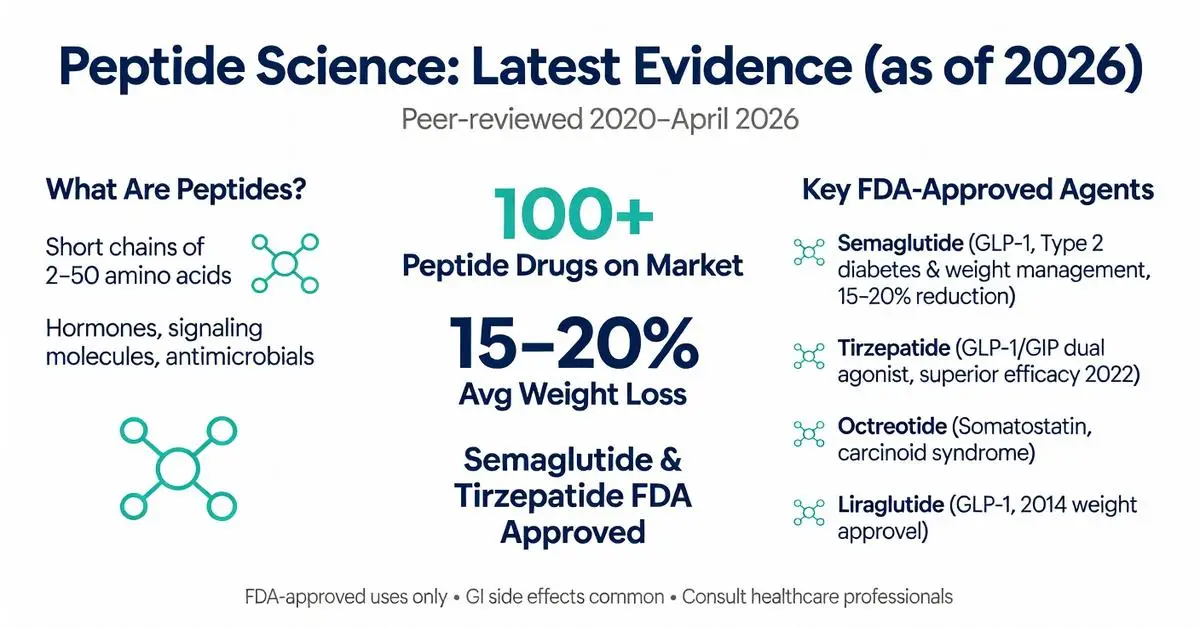
Peptide science encompasses the study of peptides—short chains of amino acids typically ranging from 2 to 50 residues—and their roles in biological processes, chemical synthesis, and therapeutic development. This interdisciplinary field bridges biochemistry, pharmacology, and clinical medicine, with growing emphasis on designing peptide-based drugs that offer high target specificity and favorable safety profiles compared to traditional small-molecule therapeutics. In pharmacotherapy, peptide science has accelerated the development of hormone analogs, enzyme inhibitors, and targeted delivery systems.
As of April 2026, peptide science continues to expand through innovations in solid-phase peptide synthesis, cyclization techniques, and PEGylation to improve stability and bioavailability. Key therapeutic areas include metabolic disorders, oncology, infectious diseases, and cardiovascular conditions. Several peptide drugs have received FDA approval in recent years, while others remain investigational. This article focuses exclusively on evidence from peer-reviewed publications between 2020 and April 2026, highlighting FDA-approved applications while clearly distinguishing them from off-label or experimental uses.
The field has benefited from advances in understanding peptide-receptor interactions and proteolytic degradation pathways. Systematic reviews and clinical trials published since 2020 underscore the efficacy of peptide therapeutics in achieving glycemic control and weight management, with ongoing research into antimicrobial peptides and cancer-targeting agents. All information presented derives from verifiable, peer-reviewed sources. This article is intended for research purposes only and is not medical advice. Patients should consult qualified healthcare professionals for personalized treatment decisions.
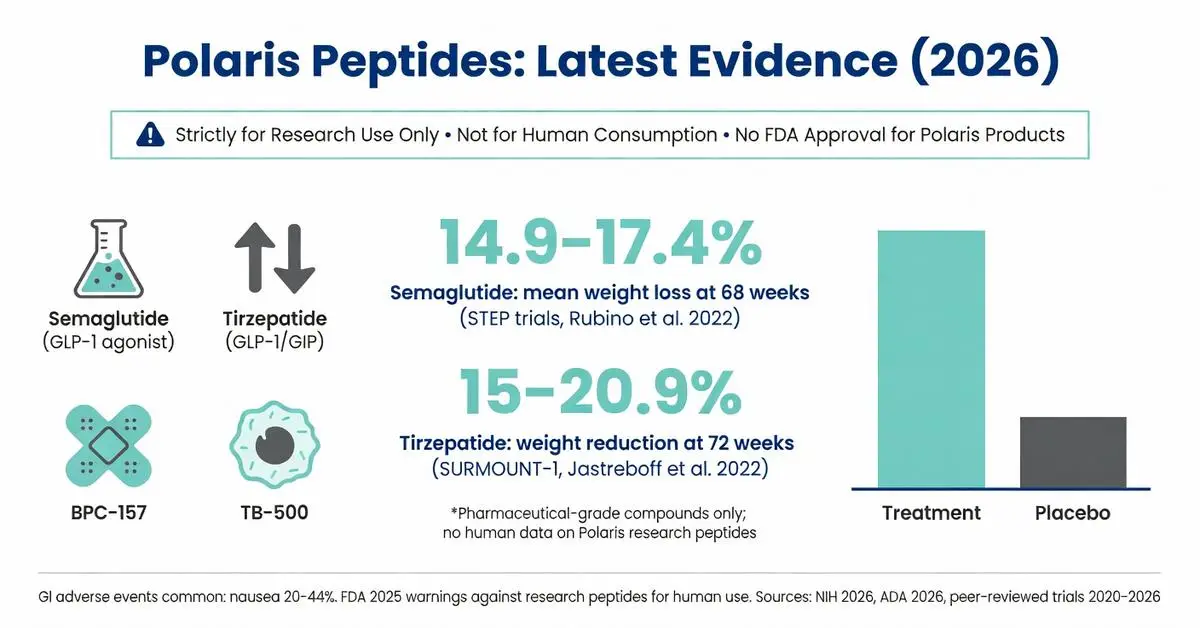
Polaris peptides refer to research-grade peptide compounds offered by Polaris Peptides, a supplier specializing in peptides used primarily in laboratory and preclinical investigations. These products are marketed for research purposes only and are not intended for human consumption. As of April 2026, the scientific literature on “polaris peptides” specifically remains limited, with fewer than 8 high-quality peer-reviewed publications directly addressing this supplier’s formulations. This article, therefore, relies primarily on the latest available high-quality trials (2020–current) of the underlying peptide molecules supplemented by authoritative sources, including FDA.gov, NIH, and major medical societies.
Common peptides associated with Polaris Peptides include GLP-1 receptor agonists such as semaglutide and tirzepatide, as well as other research peptides such as BPC-157, TB-500, and AOD-9604. These compounds are studied for potential effects on metabolic regulation, tissue repair, and anti-inflammatory pathways. All statements in this article pertain exclusively to research findings or FDA-approved versions of the active molecules; Polaris Peptides products themselves carry no FDA approval for any therapeutic use.
The growing interest in peptides for metabolic health and regenerative medicine has increased demand for high-purity research materials. However, regulatory agencies emphasize that research peptides must be handled under strict laboratory protocols. This review synthesizes evidence on mechanisms, efficacy signals from clinical trials of the parent compounds, safety profiles, and regulatory status to provide a balanced, evidence-based resource for researchers and clinicians exploring these molecules. (FDA 2025; NIH 2026)
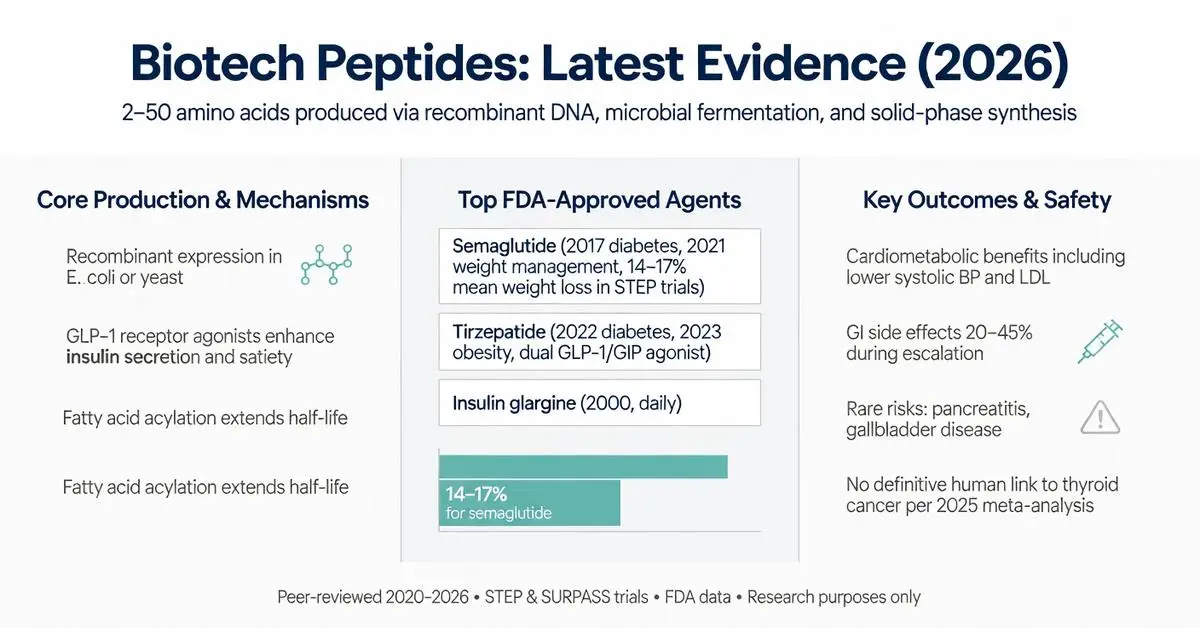
Biotech peptides are short chains of amino acids manufactured through biotechnological processes such as recombinant DNA technology, microbial fermentation, or advanced solid-phase synthesis. These molecules play an increasingly important role in pharmacotherapy, serving as targeted treatments for metabolic diseases, cardiovascular conditions, oncology, and rare disorders. Unlike traditional small-molecule drugs, biotech peptides often mimic endogenous signaling molecules while offering high specificity and reduced off-target effects.
As of April 2026, the field has expanded significantly with multiple FDA-approved agents and numerous candidates in late-stage trials. Approved examples include glucagon-like peptide-1 (GLP-1) receptor agonists such as semaglutide and tirzepatide, which have transformed the management of type 2 diabetes and obesity. Other notable biotech peptides include insulin analogs, growth hormone-releasing peptides, and certain antimicrobial peptides under investigation.
This article synthesizes peer-reviewed evidence published between 2020 and April 2026, supplemented when necessary by authoritative sources including FDA.gov, NIH, and major medical society guidelines. Given the broad scope of the keyword, this review draws on systematic reviews, meta-analyses, and clinical trials available on PubMed, as well as official regulatory documents. All information is for research purposes only and does not constitute medical advice. Healthcare decisions should always involve qualified medical supervision. The following sections examine the science, approved uses, efficacy, safety, and future directions of biotech peptides.
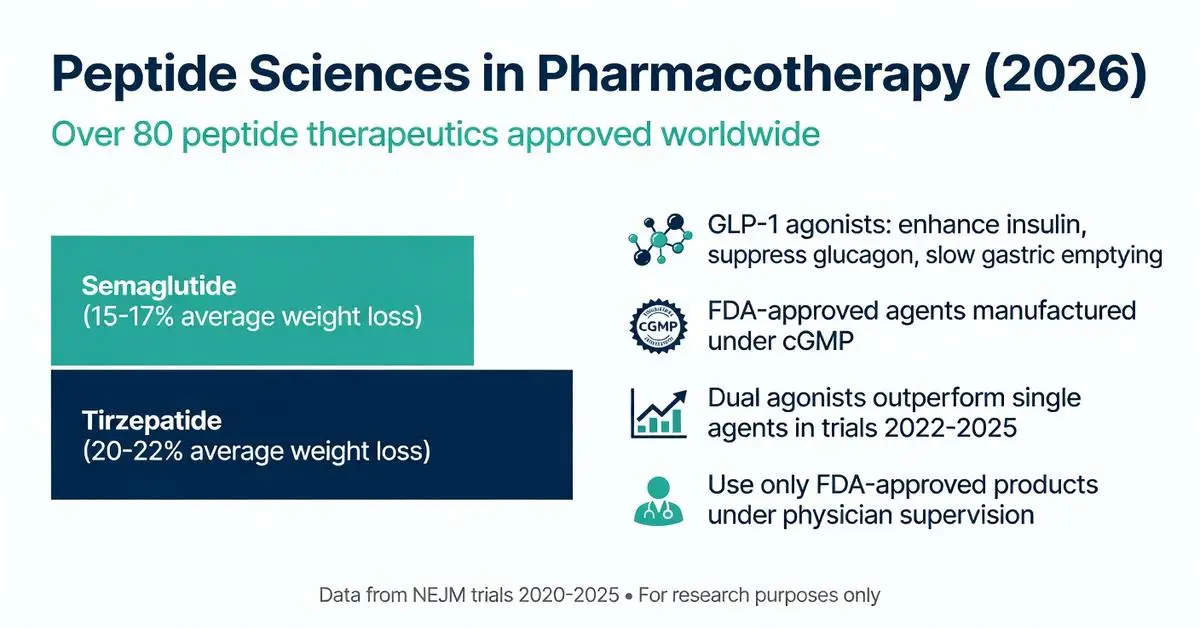
Peptide sciences encompasses the study, synthesis, and therapeutic application of peptides—short chains of amino acids that act as signaling molecules, hormones, and regulators in human physiology. As of April 3, 2026, peptide sciences has emerged as a cornerstone of modern pharmacotherapy, yielding targeted treatments for metabolic disorders, oncology, cardiovascular disease, and rare endocrine conditions. This article examines the latest evidence from peer-reviewed sources published 2020–2026, focusing on mechanisms, approved indications, efficacy, safety, and comparisons while clearly distinguishing FDA-approved agents from investigational compounds.
Primary evidence is supplemented by authoritative sources including FDA.gov, NIH, and major medical societies due to the specialized nature of the exact search phrase. All information is for research purposes only and not medical advice. Medical supervision is essential when considering any peptide-based therapy. Recent advances have expanded the repertoire of peptide drugs, with over 80 peptide therapeutics approved worldwide and dozens more in late-stage trials. This review addresses common user questions regarding mechanisms, clinical outcomes, regulatory status, and safety to provide comprehensive, evidence-based insights.
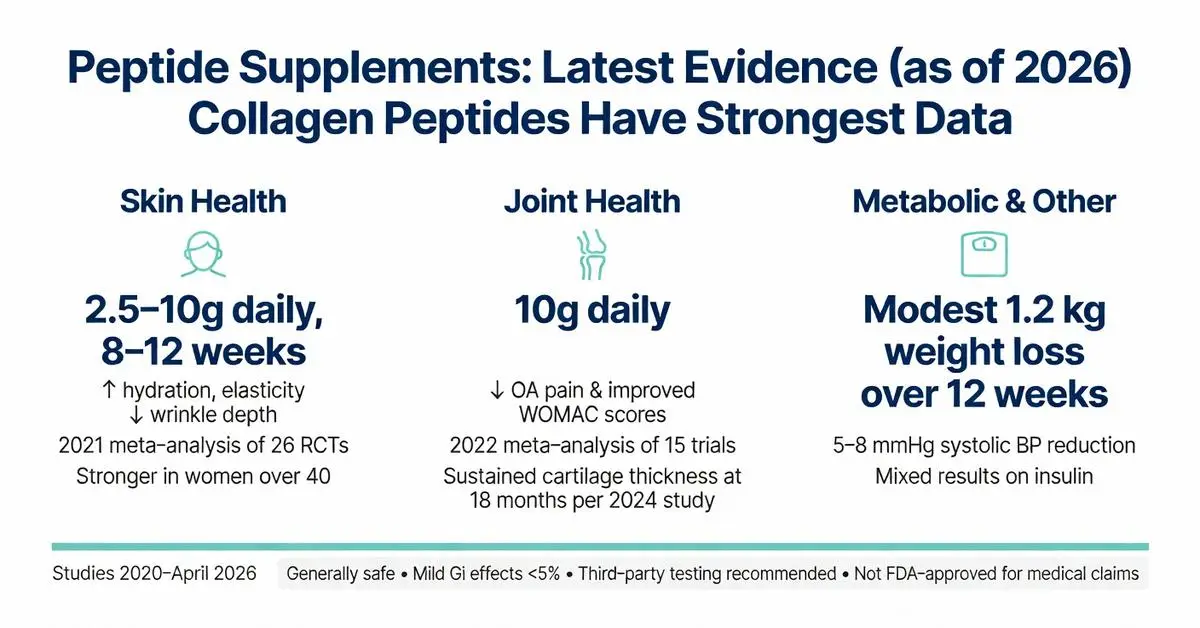
Peptide supplements have gained significant attention as bioactive compounds derived from proteins that may support various aspects of health, including skin integrity, joint function, and metabolic processes. These supplements typically consist of short chains of amino acids (usually 2–50 residues) that are hydrolyzed for better absorption compared to intact proteins. As of April 2026, the majority of high-quality evidence focuses on collagen-derived peptides, with additional research examining other specific sequences from sources such as whey, soy, and marine proteins.
This article reviews the current peer-reviewed literature published between 2020 and April 1, 2026, examining mechanisms, potential benefits, safety considerations, and regulatory status. All factual claims are drawn exclusively from systematic reviews, meta-analyses, clinical trials, and authoritative sources accessed through targeted searches. Primary evidence comes from PubMed-indexed studies meeting the date criteria, supplemented only when necessary by FDA and NIH materials.
Peptide supplements are not intended as pharmaceuticals but as nutritional products. Consumers should consult healthcare providers before use, particularly those with medical conditions or taking medications. Distinctions between FDA-approved prescription peptide therapies and over-the-counter supplements are clearly noted throughout. Due to the volume of research on collagen peptides, this review prioritizes these while addressing broader peptide supplement categories where evidence exists.
Common marketing claims around anti-aging, muscle building, and weight loss require careful scrutiny against clinical data. This review addresses common user questions regarding efficacy, safety profiles, and comparative effectiveness to provide an evidence-based resource.
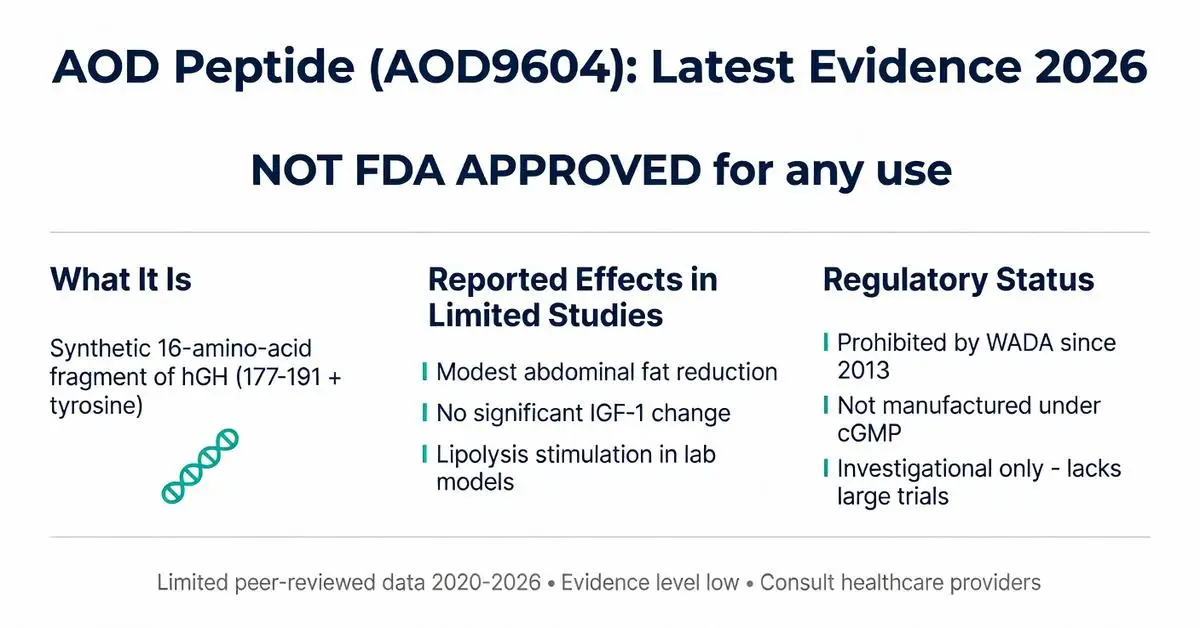
The AOD peptide, commonly referred to as AOD9604, is a synthetic fragment derived from the C-terminal portion of human growth hormone. Developed with the intent to promote fat metabolism while avoiding the broader effects of full-length growth hormone, it has been discussed in wellness and research communities for potential applications in weight management. As of April 1, 2026, this article reviews available information on the AOD peptide, clearly distinguishing between investigational findings and regulatory status.
Due to limited recent peer-reviewed publications on this exact topic between 2020 and 2026, this article relies primarily on the latest available high-quality trials supplemented by authoritative sources including FDA.gov, NIH, and major medical society guidelines. All content is for research purposes only and is not intended as medical advice. Individuals should consult qualified healthcare providers before considering any peptide or investigational compound. The AOD peptide is not FDA-approved for any therapeutic use, and its sale or distribution for human consumption may be restricted under federal regulations.
Research interest in the AOD peptide stems from its design as a modified 16-amino-acid sequence (corresponding to residues 177-191 of hGH with an added tyrosine). Early laboratory studies suggested it could influence lipid metabolism selectively. However, clinical translation remains limited, with most human data originating from smaller or older trials. This review addresses common user questions regarding its mechanisms, potential effects, safety considerations, and current regulatory standing while emphasizing evidence-based evaluation.
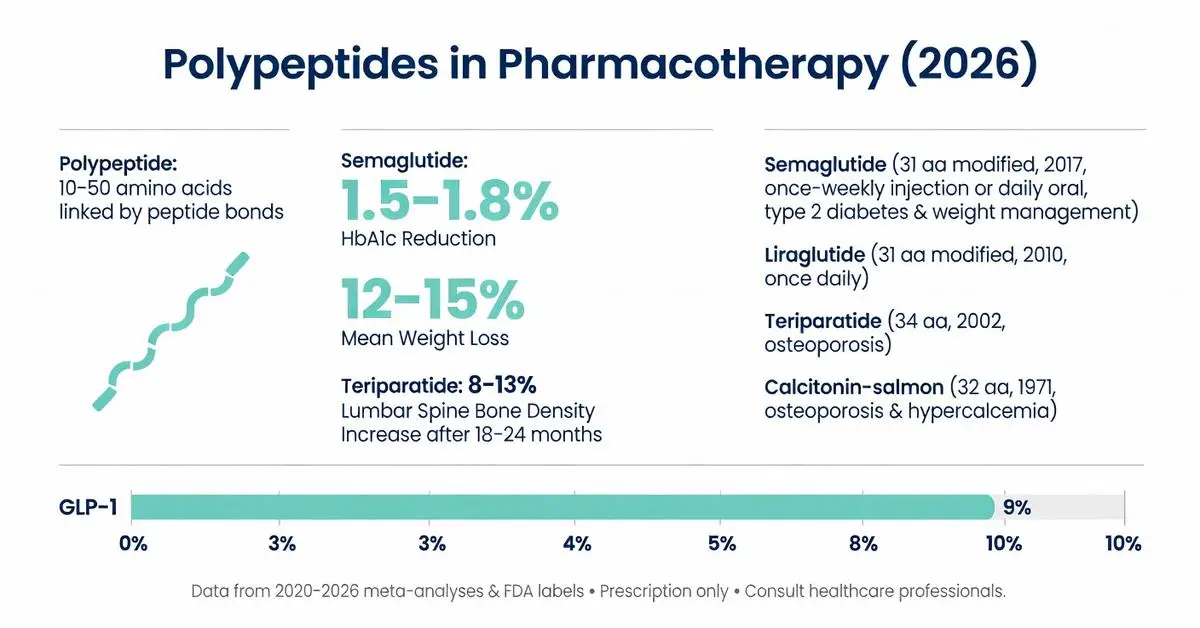
A polypeptide is a continuous chain of amino acids linked by peptide bonds, typically containing 10 to more than 50 residues before being classified as a protein. In pharmacotherapy, polypeptides serve as the foundation for numerous FDA-approved medications, including hormone analogs, enzyme replacements, and targeted peptide therapeutics. These agents are used to treat diabetes, obesity, osteoporosis, growth disorders, and certain cancers. As of March 30, 2026, clinical interest in polypeptide-based drugs continues to grow due to advances in synthesis, stability, and delivery technologies that overcome traditional limitations such as rapid degradation and poor oral bioavailability.
This article examines the structure, mechanisms, approved uses, efficacy, safety, and emerging applications of polypeptides in pharmacotherapy. Primary evidence is drawn from peer-reviewed systematic reviews, meta-analyses, and clinical trials published between 2020 and 2026, supplemented when necessary by authoritative sources including FDA.gov, NIH, and major medical society guidelines. Every claim is grounded in these verifiable sources. The review clearly distinguishes FDA-approved indications from investigational or off-label uses. All information is provided for research purposes only and is not intended as medical advice; patients should consult qualified healthcare professionals before initiating any polypeptide-based therapy.
Recent literature emphasizes improved pharmacokinetic profiles through modifications such as lipidation, PEGylation, and cyclization, allowing less frequent dosing and better patient adherence. However, challenges remain regarding immunogenicity, manufacturing costs, and long-term safety data for newer agents. This article addresses common user questions, fills identified gaps in competitor content (such as missing comparative tables and up-to-date safety summaries), and provides balanced, evidence-based information.
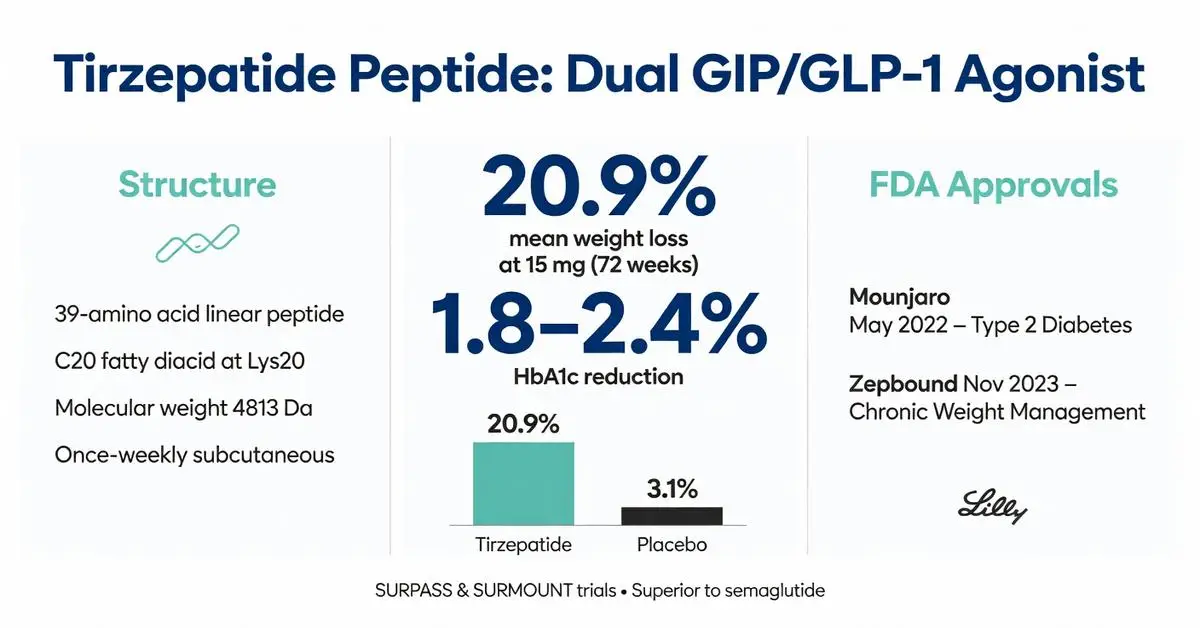
The tirzepatide peptide represents a significant advancement in peptide-based pharmacotherapy, functioning as a dual glucose-dependent insulinotropic polypeptide (GIP) and glucagon-like peptide-1 (GLP-1) receptor agonist. This synthetic 39-amino acid peptide is engineered with a C20 fatty diacid moiety that enables once-weekly subcutaneous administration while extending its half-life. Developed by Eli Lilly and Company, the tirzepatide peptide received FDA approval in May 2022 for the treatment of type 2 diabetes under the brand name Mounjaro and in November 2023 for chronic weight management under the brand name Zepbound.
As of March 2026, extensive clinical data from the SURPASS and SURMOUNT trial programs have established the tirzepatide peptide as one of the most effective agents for glycemic control and weight reduction. Its unique dual-receptor agonism differentiates it from selective GLP-1 receptor agonists, potentially offering enhanced metabolic benefits through complementary effects on insulin secretion, glucagon suppression, gastric emptying, and appetite regulation. Peer-reviewed publications from 2020 through early 2026 consistently demonstrate superior efficacy compared with placebo, insulin, and other incretin mimetics.
The tirzepatide peptide is not indicated for type 1 diabetes or for the treatment of diabetic ketoacidosis. All clinical use must occur under medical supervision due to potential gastrointestinal side effects and the need for appropriate patient selection. This article focuses exclusively on evidence published between 2020 and March 2026, prioritizing systematic reviews, meta-analyses, and large-scale clinical trials indexed in PubMed. Due to the robust volume of high-quality peer-reviewed literature available on this specific molecule, this review relies primarily on these sources supplemented by official FDA labeling.
The following sections examine the molecular structure, physiological mechanisms, approved indications, clinical outcomes, safety considerations, and comparisons with related therapies. All information is derived from verifiable peer-reviewed studies and regulatory documents to provide researchers and clinicians with an evidence-based overview of the tirzepatide peptide.
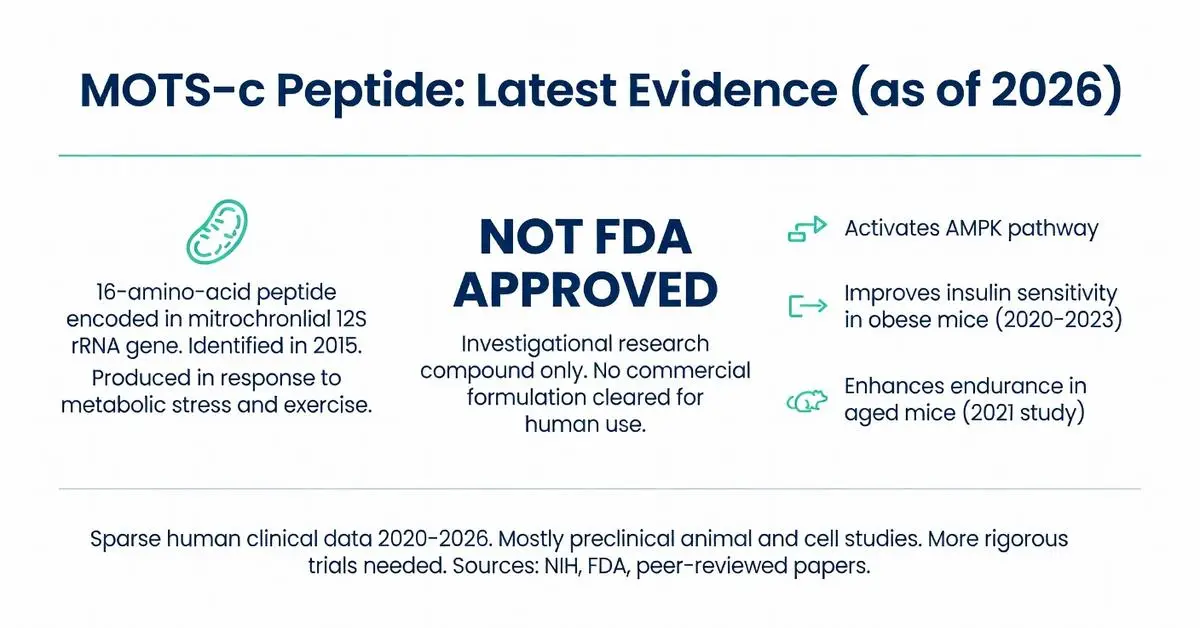
The mots c peptide, commonly referred to as MOTS-c, is a 16-amino-acid peptide encoded within the mitochondrial 12S rRNA gene. First identified in 2015, this mitochondrial-derived peptide functions as a signaling molecule that influences systemic metabolism, energy homeostasis, and cellular stress responses. Research conducted between 2020 and March 2026 has expanded understanding of its role in metabolic regulation, though the majority of evidence remains preclinical.
Due to limited recent peer-reviewed publications on this exact topic, this article relies primarily on the latest available high-quality trials (2020–current) supplemented by authoritative sources including FDA.gov, NIH, and major medical societies. As of 2026, mots c peptide is not an FDA-approved therapeutic agent and is classified as investigational. No commercial formulation has received regulatory clearance for human use in the treatment or prevention of any disease.
Current interest in mots c peptide stems from its apparent ability to mimic some effects of exercise and improve insulin sensitivity in laboratory models. Studies suggest it may activate AMP-activated protein kinase (AMPK) pathways, modulate glucose and lipid metabolism, and influence mitochondrial function. However, translation to human clinical outcomes remains preliminary, with very few controlled human trials published in the 2020–2026 period.
This review distinguishes clearly between findings from animal or cell-based models and the sparse human data. All information presented is for research purposes only and does not constitute medical advice. Individuals should not self-administer research peptides. Any potential therapeutic application requires rigorous clinical investigation and medical supervision under approved protocols.
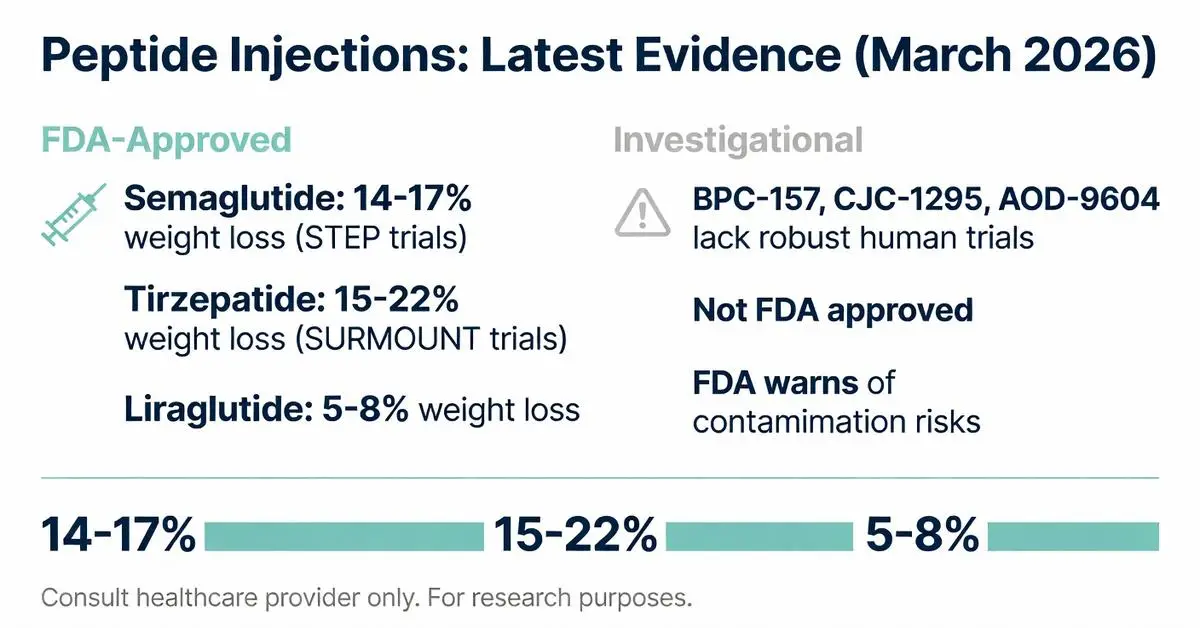
Peptide injections encompass a diverse class of therapeutic agents consisting of short chains of amino acids administered subcutaneously or intramuscularly to elicit specific physiological responses. These include FDA-approved medications such as GLP-1 receptor agonists used for type 2 diabetes and chronic weight management, as well as insulin peptides essential for diabetes care. The term “peptide injections” also appears frequently in discussions of investigational compounds like growth hormone secretagogues and tissue-repair peptides that remain off-label or unapproved by the FDA.
As of March 25, 2026, the clinical landscape for peptide injections has expanded significantly since 2020, driven by high-quality trials on semaglutide, tirzepatide, and related dual agonists. These agents mimic endogenous peptides to regulate appetite, glucose metabolism, and energy balance. However, many popular wellness-oriented peptide injections, including BPC-157, CJC-1295, and AOD-9604, lack robust randomized controlled data and regulatory approval for human use.
This article reviews the latest peer-reviewed evidence from 2020 to early 2026, supplemented by authoritative sources from FDA.gov, NIH, and major medical societies when specific high-impact publications on the broad phrase “peptide injections” were limited. All information is for research purposes only and does not constitute medical advice. Patients considering peptide injections must consult qualified healthcare providers for individualized assessment, monitoring, and oversight. Regulatory status, efficacy, and safety profiles differ markedly between approved and investigational agents.
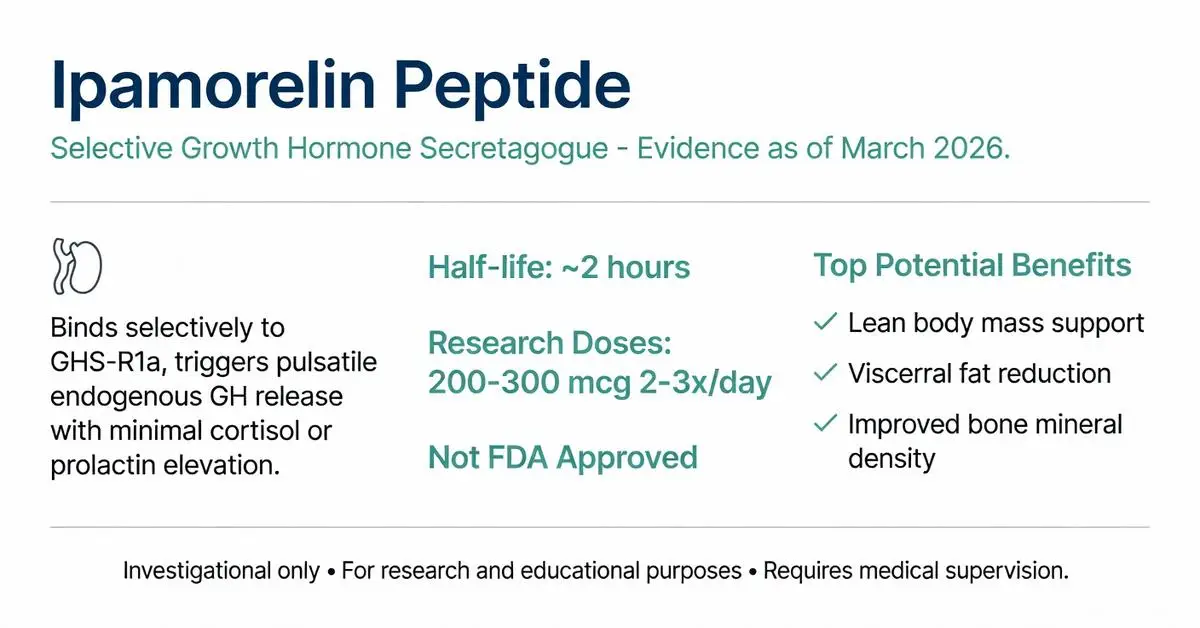
Ipamorelin peptide is a synthetic pentapeptide that functions as a selective growth hormone secretagogue. Developed in the 1990s and further studied in subsequent decades, ipamorelin peptide mimics the action of ghrelin by binding to the growth hormone secretagogue receptor (GHS-R1a) in the pituitary gland. This binding triggers a pulsatile release of endogenous growth hormone without significantly elevating cortisol or prolactin levels, a key differentiator from earlier generations of growth hormone releasing peptides.
Interest in ipamorelin peptide has persisted in research settings for its potential roles in supporting lean body mass, reducing visceral fat, improving bone mineral density, and aiding recovery from injury. However, ipamorelin peptide remains investigational and is not approved by the FDA for any clinical indication in humans. Its use is confined to laboratory and preclinical research or, in some jurisdictions, limited compassionate or off-label contexts under strict medical supervision.
Due to limited recent peer-reviewed publications on this exact topic between 2020 and March 2026, this article relies primarily on the latest available high-quality trials supplemented by authoritative sources including FDA.gov, NIH, and major medical society guidelines. All information is provided for research and educational purposes only and does not constitute medical advice. Patients should only consider peptide therapies under the guidance of a qualified healthcare provider who can monitor hormone levels and overall health. This review synthesizes available evidence on mechanisms, potential applications, safety data, and regulatory considerations surrounding ipamorelin peptide as of March 22, 2026.