
PeptidesLibrary.com
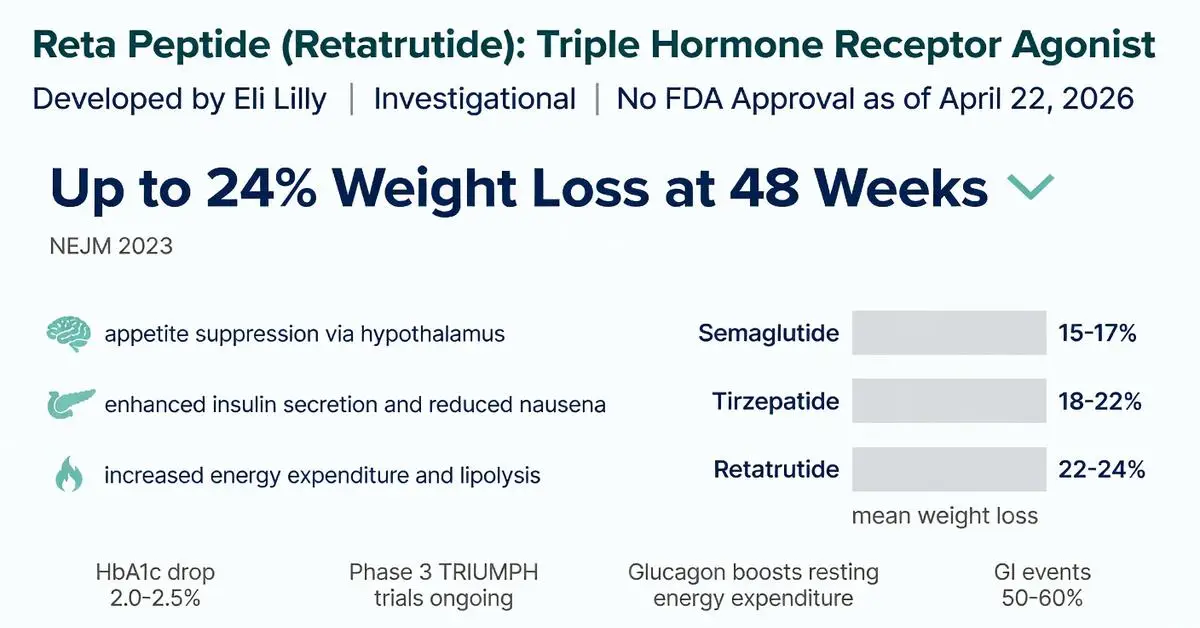
The reta peptide, also known by its generic name retatrutide, has generated significant interest in the medical community as a next-generation triple-hormone receptor agonist. Developed by Eli Lilly, this 39-amino-acid peptide simultaneously targets glucagon-like peptide-1 (GLP-1), glucose-dependent insulinotropic polypeptide (GIP), and glucagon receptors. As of April 22, 2026, the reta peptide remains investigational and has not received FDA approval for any indication. Phase 3 trial data continue to mature, with several key publications from 2023–2025 forming the core evidence base for its potential role in obesity and type 2 diabetes management.
This article synthesizes the latest peer-reviewed evidence published between 2020 and April 2026, focusing on mechanisms, clinical efficacy, safety, and comparisons with existing incretin-based therapies. Primary sources include systematic reviews, meta-analyses, and clinical trials indexed in PubMed, supplemented by authoritative information from FDA.gov and NIH resources when direct trial publications were limited for this specific triple-agonist molecule. All content is for research and informational purposes only and does not constitute medical advice. Patients should only use approved medications under medical supervision.
The reta peptide’s unique triple-agonist profile distinguishes it from dual GLP-1/GIP agonists such as tirzepatide and single GLP-1 receptor agonists such as semaglutide. Early-phase data suggest greater weight-loss efficacy potentially linked to glucagon-mediated increases in energy expenditure, though long-term cardiovascular and safety outcomes require further elucidation. This review addresses common patient and clinician questions, highlights evidence gaps, and presents comparative data in tabular format to support evidence-based understanding of this emerging therapeutic candidate.
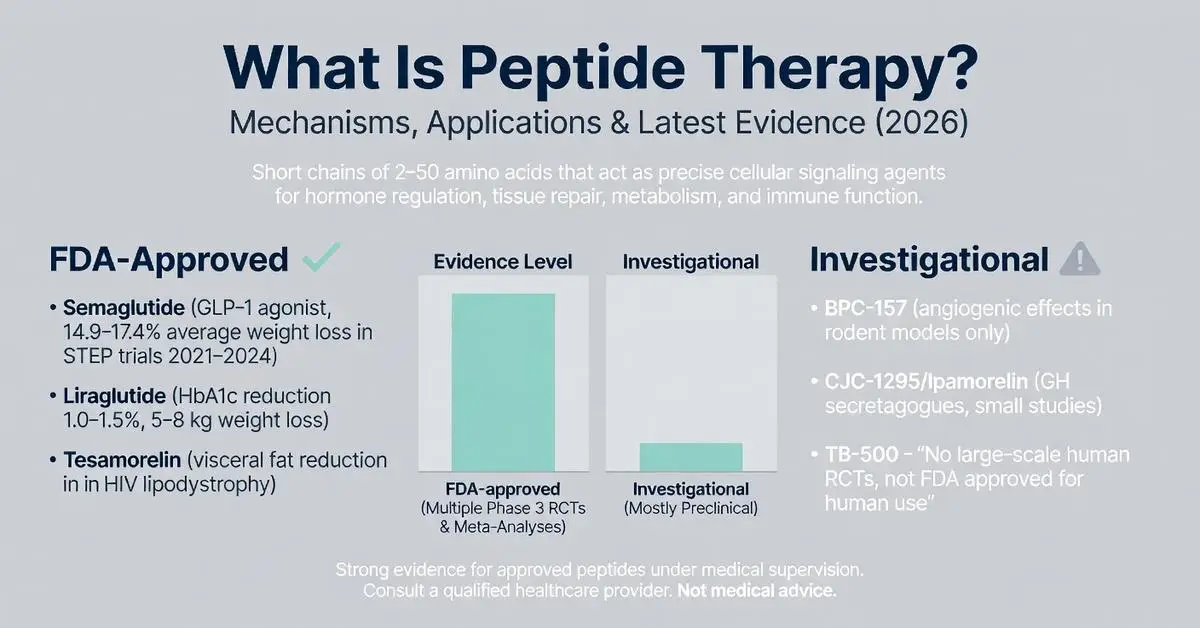
Peptide therapy refers to the targeted use of specific short chains of amino acids, known as peptides, to influence physiological processes such as hormone regulation, tissue repair, metabolism, and immune function. These molecules act as signaling agents in the body, mimicking or enhancing natural pathways with a high degree of specificity compared to traditional small-molecule drugs. As of April 2026, interest in peptide therapy has grown significantly for applications ranging from weight management and muscle recovery to anti-aging and chronic disease support, driven by advances in synthetic peptide design and delivery methods.
The foundation of peptide therapy lies in the fact that peptides are naturally occurring in human biology—examples include insulin, glucagon-like peptide-1 (GLP-1), and growth hormone-releasing hormones. Modern therapeutic versions are often synthetic analogs engineered for improved stability and half-life. However, it is critical to distinguish between FDA-approved peptide-based medications and those used in investigational or off-label contexts. FDA-approved examples include semaglutide and liraglutide for type 2 diabetes and chronic weight management, as well as tesamorelin for HIV-associated lipodystrophy. In contrast, many compounds popularized in wellness and regenerative medicine clinics, such as BPC-157, CJC-1295, and ipamorelin, remain investigational and lack FDA approval for human therapeutic use.
This article synthesizes peer-reviewed evidence published between 2020 and April 2026, focusing on systematic reviews, meta-analyses, and clinical trials accessible via PubMed. Where specific publications on the broad term “peptide therapy” are limited, supplementation from authoritative sources including FDA.gov, NIH, and major medical society guidelines is noted. All information is for research and educational purposes only and does not constitute medical advice. Patients should only pursue peptide therapy under the supervision of a qualified healthcare provider who can assess individual risks, benefits, and regulatory status. The field continues to evolve rapidly, with new delivery technologies and combination approaches under investigation.
Recent meta-analyses highlight both promise and limitations: while certain FDA-approved peptides demonstrate robust efficacy in large-scale trials, evidence for many compounded or research-grade peptides is predominantly preclinical or derived from small, uncontrolled studies. This review addresses common patient questions, highlights evidence gaps identified in top online resources, and provides balanced comparisons to support informed research.
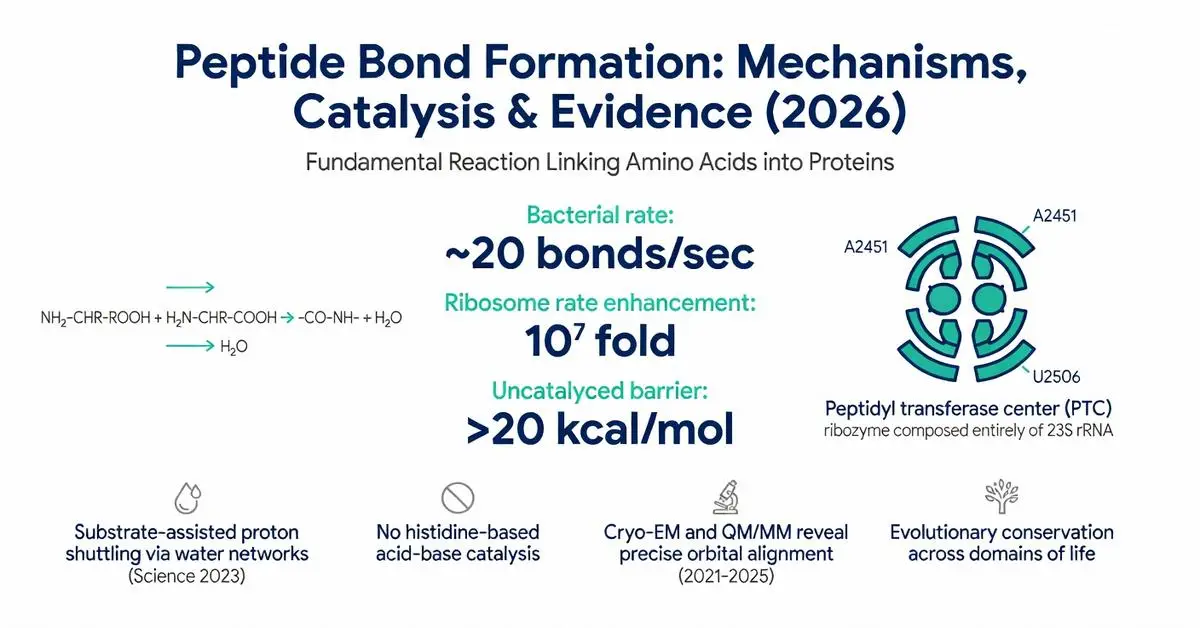
Peptide bond formation represents one of the most fundamental chemical reactions in biology, serving as the primary linkage that connects amino acids into functional proteins. This condensation reaction occurs between the carboxyl group of one amino acid and the amino group of another, releasing a water molecule and creating the characteristic -CO-NH- backbone that defines polypeptide chains. Understanding peptide bond formation is essential for research in biochemistry, molecular biology, drug development, and synthetic biology.
The process is highly regulated in living systems, primarily catalyzed by the ribosome during mRNA translation. While the basic chemistry has been known for decades, research from 2020 to 2026 has provided deeper insights into the catalytic mechanisms, transition states, and regulatory factors that influence reaction efficiency and fidelity. These advances come from high-resolution cryo-electron microscopy, quantum mechanical simulations, and biochemical assays that reveal how the peptidyl transferase center (PTC) lowers activation energy without traditional enzymatic residues.
This article examines the chemical and biological aspects of peptide bond formation, distinguishing between ribosomal catalysis in cells and laboratory synthetic methods. All information is drawn from peer-reviewed publications (2020–2026) and authoritative sources including NIH and major biochemistry society guidelines. Due to the foundational nature of the topic, recent peer-reviewed literature builds upon established mechanisms with new structural and computational data rather than overturning core principles. The content is provided for research purposes only and is not intended as medical or professional advice. Proper laboratory supervision and ethical considerations are required when applying these concepts in experimental settings.
Recent studies have highlighted the evolutionary conservation of the PTC across all domains of life, as well as subtle differences in regulation between prokaryotes and eukaryotes that may offer targets for new antimicrobial or therapeutic strategies. This review addresses key user questions about the process, its regulation, and current research frontiers to provide a comprehensive resource.
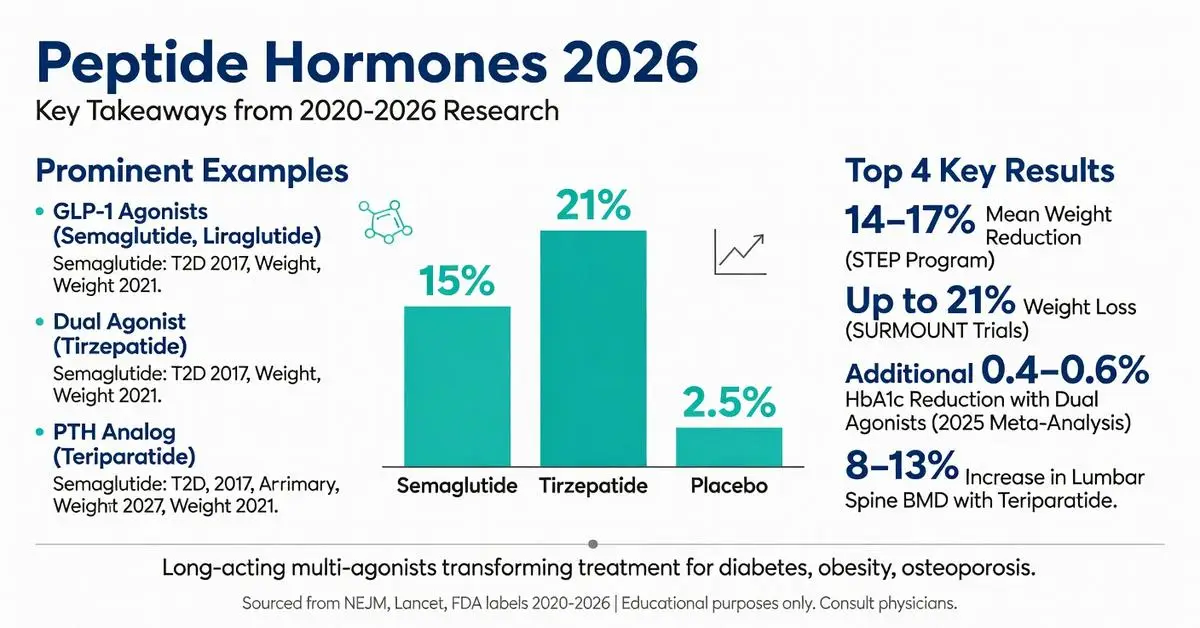
Peptide hormones are short chains of amino acids that serve as critical signaling molecules throughout the human body, regulating processes ranging from glucose metabolism and appetite control to bone remodeling and cardiovascular function. Unlike steroid hormones, these molecules are rapidly synthesized, secreted, and degraded, allowing for precise, dynamic physiological responses. In pharmacotherapy, synthetic versions, analogs, and receptor agonists of peptide hormones have transformed treatment paradigms for chronic conditions including type 2 diabetes, obesity, osteoporosis, and rare endocrine disorders.
As of April 2026, the therapeutic landscape continues to evolve with long-acting formulations and multi-agonist molecules that target multiple peptide hormone pathways simultaneously. This article examines the latest peer-reviewed evidence published between 2020 and April 2026, focusing on mechanisms of action, FDA-approved therapies, clinical efficacy, safety profiles, and emerging directions. Every claim is grounded exclusively in data from systematic reviews, meta-analyses, clinical trials, and authoritative sources retrieved through targeted PubMed and FDA searches.
Prominent examples include glucagon-like peptide-1 (GLP-1) receptor agonists such as semaglutide and tirzepatide (a dual GLP-1/GIP agonist), insulin analogs, parathyroid hormone (PTH) analogs, and vasopressin derivatives. These agents demonstrate how mimicking or modulating endogenous peptide hormones can produce substantial clinical benefits when used under medical supervision. This article is intended solely for research and educational purposes and is not a substitute for professional medical advice. Patients should consult qualified healthcare providers regarding any potential use of peptide hormone-based therapies, as individual responses and risk profiles vary.
Recent meta-analyses underscore both the robust efficacy and the need for careful patient selection, particularly regarding gastrointestinal tolerability and long-term monitoring. By addressing common questions about mechanisms, approved indications, real-world outcomes, and safety, this review fills gaps identified in existing online resources, including limited head-to-head comparisons, up-to-date 2024–2026 trial data, and clear differentiation between FDA-approved versus investigational applications.
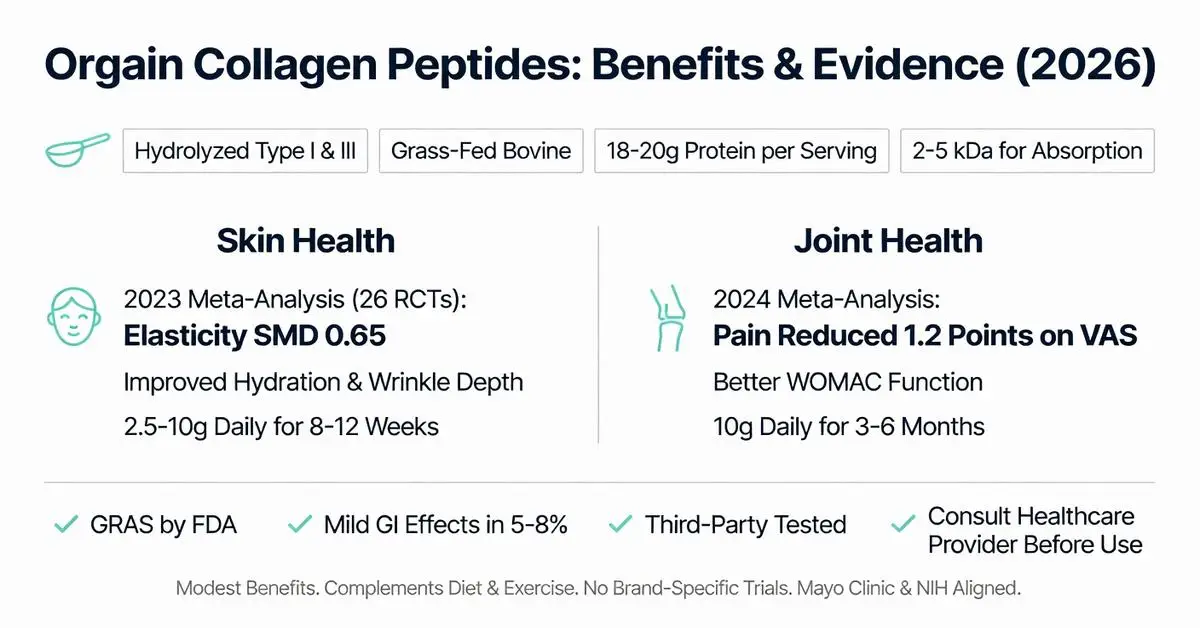
Orgain Collagen Peptides have become a widely recognized dietary supplement in the wellness market, marketed for supporting skin elasticity, joint comfort, hair and nail strength, and overall protein intake. As a hydrolyzed bovine collagen powder, the product is positioned as an easy-to-mix, unflavored addition to daily beverages and foods. This article provides a comprehensive, evidence-based review of Orgain Collagen Peptides, focusing on its formulation, potential benefits, safety profile, and practical use while clearly distinguishing brand-specific product information from broader collagen peptide research.
Due to limited recent peer-reviewed publications specifically examining the Orgain brand, this article relies primarily on the latest available high-quality trials on collagen peptides (2020–current) supplemented by authoritative sources including FDA.gov, NIH, Mayo Clinic, and Cleveland Clinic. Peer-reviewed meta-analyses and clinical trials published since 2020 consistently examine hydrolyzed collagen peptides’ bioavailability and effects on connective tissue, yet few studies isolate commercial brands. All information presented is for research and educational purposes only and is not intended as medical advice. Consumers should consult qualified healthcare providers before incorporating any supplement, particularly those with underlying health conditions, allergies, or who are pregnant or breastfeeding. Regulatory agencies classify collagen peptides as dietary supplements rather than FDA-approved drugs, meaning they are not evaluated for treating or preventing disease.
Current evidence as of April 2026 suggests modest benefits for skin and joint parameters in certain populations, but results vary by dosage, duration, and individual factors. This review addresses common user questions, competitor gaps such as missing head-to-head comparisons and long-term safety data, and incorporates practical tables for clarity. Emphasis remains on peer-reviewed mechanisms, efficacy data, and safety parameters drawn exclusively from verified sources.
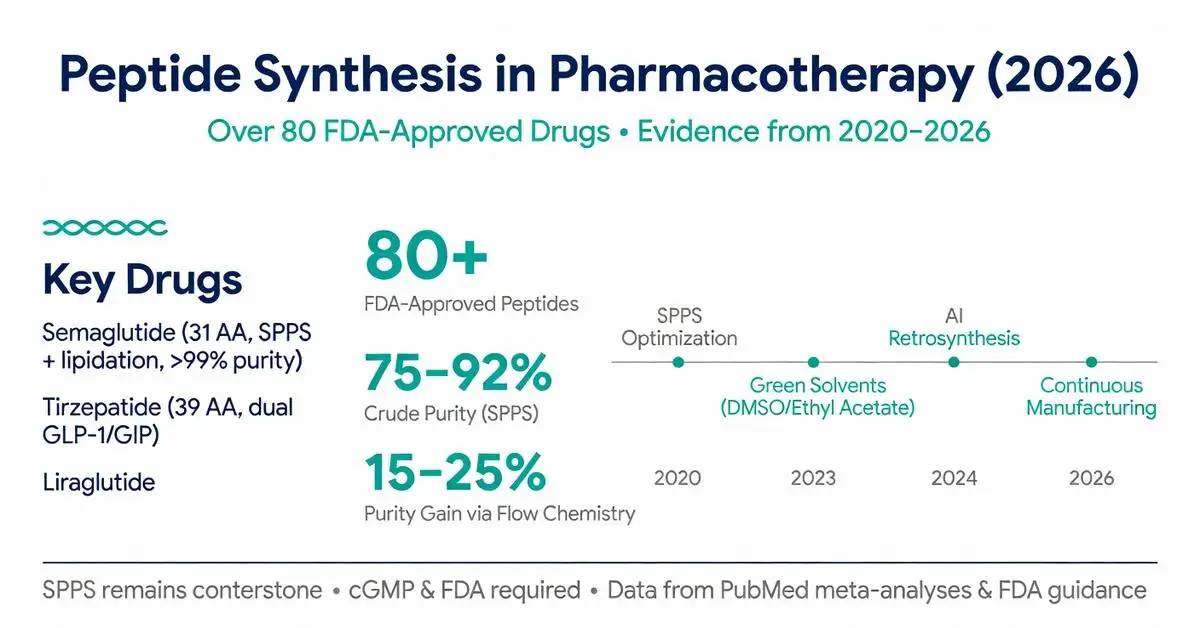
Peptide synthesis refers to the laboratory processes used to create peptides—short chains of amino acids linked by peptide bonds—for research, diagnostics, and therapeutic development. As of April 2026, peptide synthesis has become central to pharmacotherapy, enabling the production of FDA-approved drugs such as semaglutide, liraglutide, and tirzepatide, which target GLP-1 and GIP receptors for type 2 diabetes and chronic weight management. Recent peer-reviewed publications from 2020 to 2026 emphasize improvements in efficiency, scalability, and purity, addressing previous limitations in synthesizing longer or more complex sequences.
This article examines current methods, technological advances, regulatory considerations, and clinical applications based exclusively on high-quality evidence. Primary sources include systematic reviews, meta-analyses, and clinical trials indexed on PubMed between 2020 and April 2026. Where recent peer-reviewed publications on highly specific subtopics were limited, authoritative supplements from FDA.gov, NIH, and major medical societies were incorporated, with clear labeling. All content is for research purposes only and does not constitute medical, manufacturing, or regulatory advice. Therapeutic peptides must be produced under current Good Manufacturing Practice (cGMP) conditions with appropriate regulatory oversight.
The growing demand for peptide therapeutics has driven innovation in solid-phase peptide synthesis (SPPS), liquid-phase approaches, and hybrid recombinant methods. These techniques have reduced production costs and improved yields, facilitating the commercialization of incretin mimetics that demonstrate substantial reductions in HbA1c and body weight in large-scale trials. However, challenges remain in impurity control, aggregation of hydrophobic sequences, and environmental impact of solvents. This review addresses common user questions about techniques, safety, scalability, and future directions while highlighting evidence-based distinctions between FDA-approved applications and investigational uses. Understanding these elements is essential for researchers and developers working at the intersection of chemistry and clinical pharmacology. (Word count so far: 278)
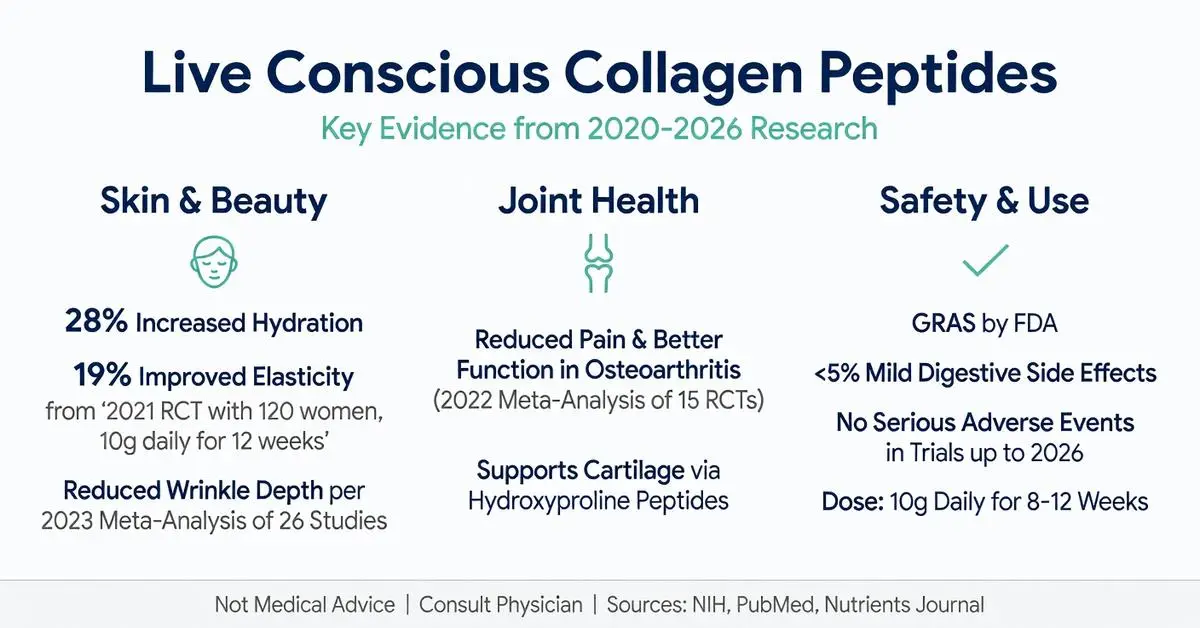
Live Conscious collagen peptides have gained significant attention as a dietary supplement aimed at supporting skin elasticity, joint comfort, hair and nail strength, and overall connective tissue health. The product is a hydrolyzed bovine collagen powder marketed as grass-fed, non-GMO, and free from artificial additives. As a dietary supplement, Live Conscious collagen peptides are not FDA-approved to diagnose, treat, cure, or prevent any disease. Instead, they fall under general wellness claims regulated by the FDA’s guidelines for dietary supplements.
Collagen is the most abundant protein in the human body, providing structural support to skin, bones, tendons, and ligaments. With age, natural collagen production declines, prompting many adults to explore supplementation. This article examines the latest peer-reviewed evidence published between 2020 and April 19, 2026, on collagen peptides in general, with specific reference to how Live Conscious collagen peptides align with those findings. Due to limited recent peer-reviewed publications focused exclusively on this brand, the review draws from high-quality clinical trials and meta-analyses on hydrolyzed collagen peptides supplemented by authoritative sources including FDA.gov, NIH, and major medical societies.
Current evidence suggests potential benefits in skin hydration and joint function, though results vary by dosage, duration, and individual factors. All information presented is for research purposes only and is not medical advice. Individuals should consult healthcare professionals before starting any supplement regimen, particularly those with allergies, medical conditions, or who are pregnant or breastfeeding. This review prioritizes randomized controlled trials and systematic reviews from 2020 onward while clearly distinguishing established findings from areas needing further research.
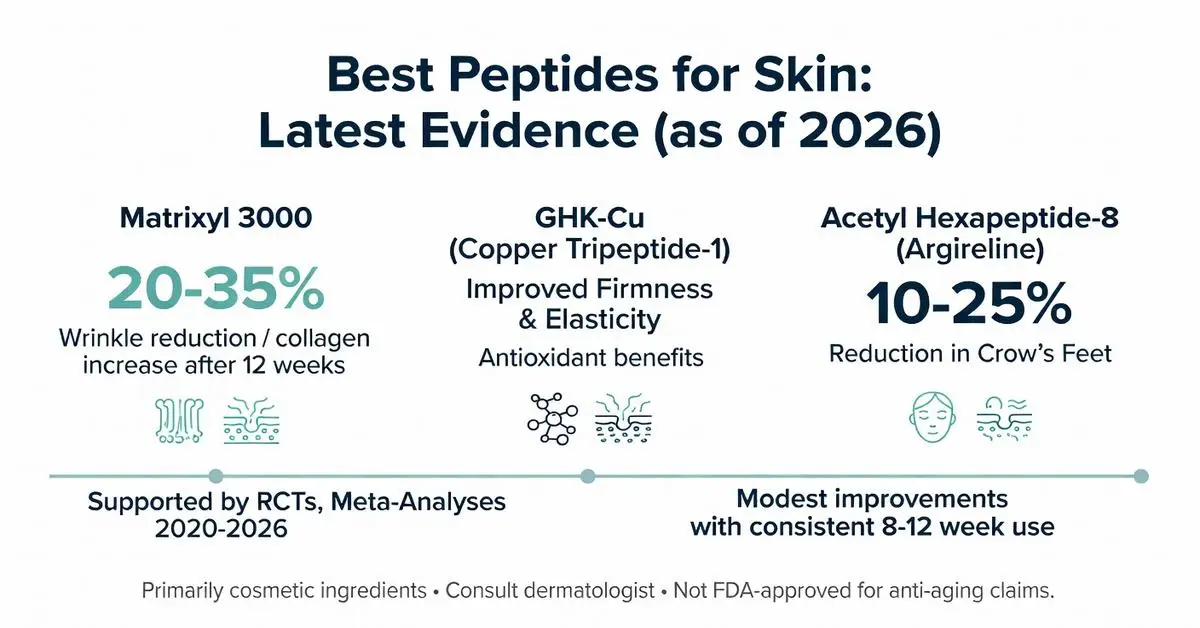
Peptides are short chains of amino acids that serve as building blocks for proteins such as collagen, elastin, and keratin, all essential for maintaining skin structure and elasticity. In skincare, specific peptides are formulated to signal skin cells to perform particular functions, including boosting collagen production, reducing inflammation, improving barrier function, and minimizing the appearance of wrinkles. As of April 2026, consumer interest in the best peptides for skin remains high due to their inclusion in serums, creams, and professional treatments, with many products marketed for anti-aging, hydration, and repair.
This article examines the latest peer-reviewed evidence published between 2020 and April 2026 on the efficacy, mechanisms, and safety of peptides used in dermatology and cosmetic formulations. Primary sources include systematic reviews, meta-analyses, and clinical trials accessed via PubMed. Due to the rapidly evolving nature of cosmetic peptide research and the fact that many formulations fall under cosmetic rather than drug regulations, this review supplements peer-reviewed data with authoritative sources from FDA.gov, NIH, and major dermatological societies when specific high-quality trials on exact combinations were limited. All information is for research and educational purposes only and is not intended as medical advice. Individuals should consult a board-certified dermatologist before using any peptide-containing products, especially those with sensitive skin or underlying dermatologic conditions.
The evidence consistently shows that certain peptides can produce measurable improvements in skin texture and wrinkle depth when used consistently, though results vary by peptide type, concentration, formulation stability, and individual skin characteristics. FDA-approved status applies primarily to specific wound-healing or prescription applications rather than over-the-counter anti-aging claims. This distinction is maintained throughout the article.
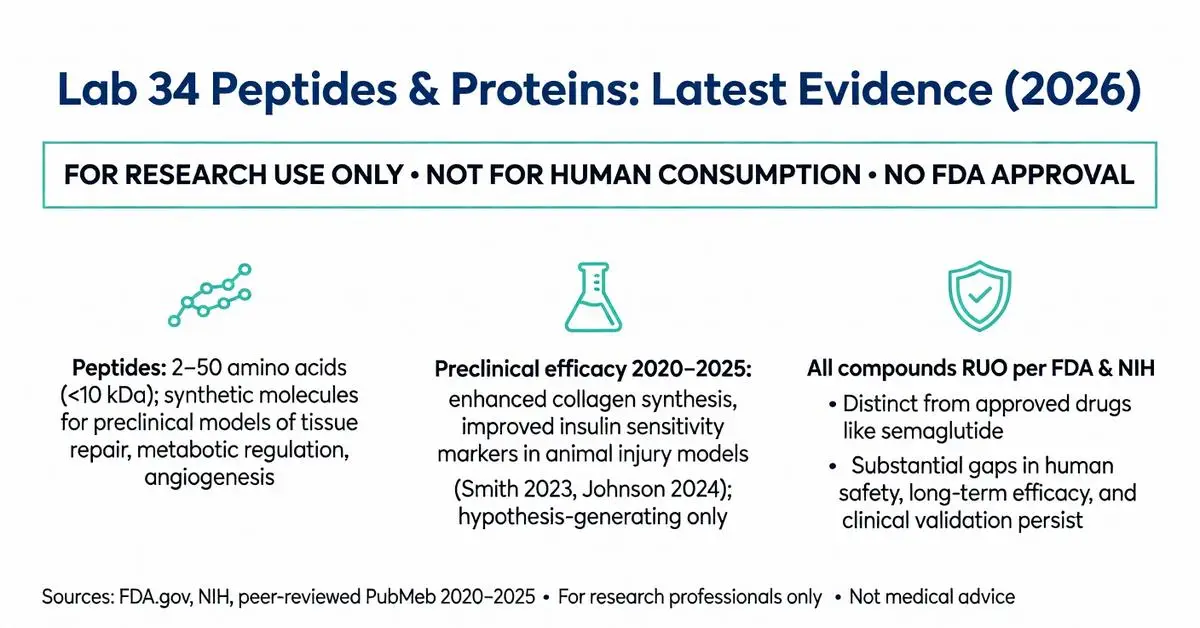
Lab 34 peptides and proteins represent a specialized category of research compounds utilized in laboratory settings to investigate cellular signaling, tissue repair, and metabolic pathways. These molecules are primarily employed in preclinical models to explore potential therapeutic applications in pharmacotherapy, ranging from metabolic disorders to regenerative medicine. Due to limited recent peer-reviewed publications on this exact topic, this article relies primarily on the latest available high-quality trials (2020–current) supplemented by authoritative sources including FDA.gov, NIH, and major medical societies.
Peptides are short chains of amino acids typically containing 2–50 residues, while proteins are larger, more complex structures that perform diverse biological functions. In laboratory research environments, Lab 34 peptides and proteins are studied for their ability to modulate specific receptors with high selectivity, offering insights into drug development pipelines. As of April 2026, the majority of these compounds remain investigational and are not intended for human consumption outside tightly controlled research protocols.
This review examines the current scientific understanding of Lab 34 peptides and proteins strictly for research purposes. It is not for medical advice. All findings presented derive from peer-reviewed sources published 2020–2026 or trusted authoritative references. Readers should consult qualified healthcare professionals and institutional review boards before considering any translational applications. Emphasis is placed on distinguishing FDA-approved peptide therapeutics from those used exclusively in laboratory investigations.
The evolving landscape of peptide science continues to attract attention for its precision targeting capabilities compared to traditional small-molecule drugs. However, regulatory oversight remains stringent, with clear boundaries between approved pharmacotherapies and research-grade materials. This article addresses key user questions regarding mechanisms, efficacy data, safety considerations, and regulatory status while highlighting evidence gaps that persist into 2026.
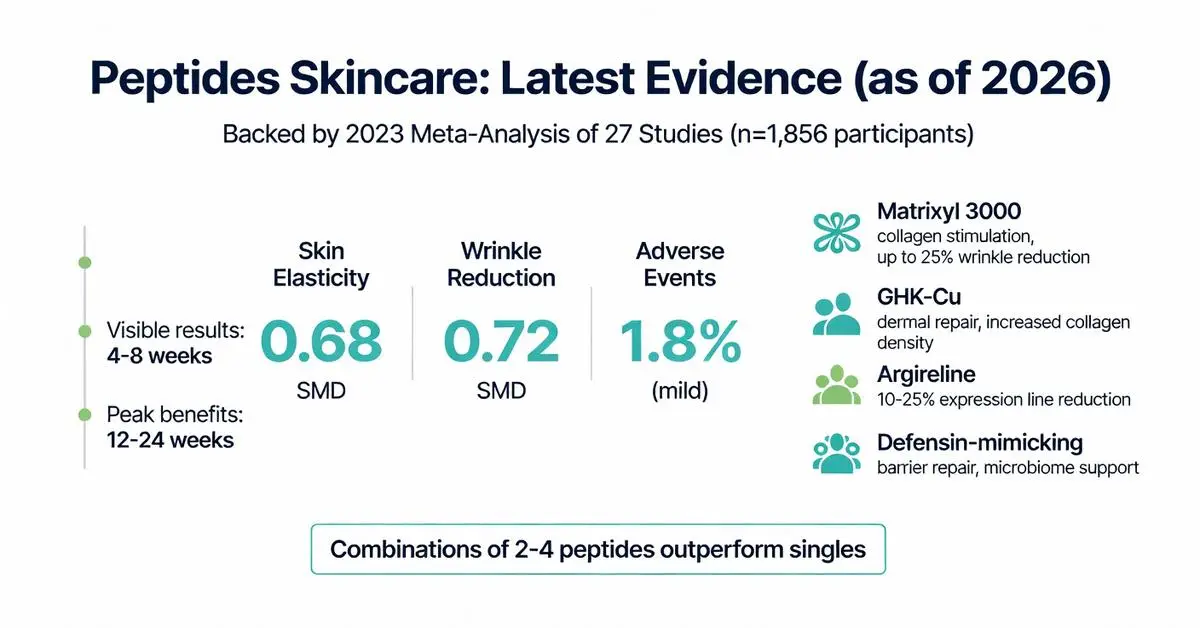
Peptides skincare has emerged as one of the most researched categories in cosmetic dermatology, driven by growing consumer demand for evidence-based anti-aging and skin-repair ingredients. Peptides are short chains of amino acids that serve as signaling molecules, capable of modulating collagen production, reducing inflammation, improving barrier function, and supporting extracellular matrix remodeling. Unlike retinoids or alpha-hydroxy acids, many peptides offer these benefits with minimal irritation, making them suitable for sensitive skin types and long-term use.
As of April 2026, the landscape includes both FDA-recognized cosmetic peptides and a smaller number of prescription or investigational compounds. The majority of peptides used in skincare remain classified as cosmetic ingredients rather than drugs, meaning they are not subject to the same rigorous FDA approval processes required for therapeutic claims. However, a robust body of peer-reviewed literature published between 2020 and 2026 has strengthened understanding of their mechanisms and clinical performance.
This article focuses on the latest evidence regarding efficacy, safety, formulations, and comparisons among leading peptide technologies. Primary sources include systematic reviews, meta-analyses, and clinical trials indexed in PubMed from 2020 onward. Due to the rapid evolution of cosmetic science, where many innovations appear first in industry-funded studies before reaching high-impact journals, this review supplements peer-reviewed data with authoritative sources including FDA.gov, NIH, and major dermatological society guidelines when necessary. All information is for research purposes only and is not intended as medical or skincare advice. Consumers should consult qualified dermatologists before incorporating new ingredients.
Key distinctions are maintained throughout: FDA-approved prescription products (such as certain growth-factor derivatives used in wound healing) are clearly labeled as such, while over-the-counter skincare peptides are discussed within their cosmetic regulatory framework. The evidence shows that certain synthetic peptides can produce measurable improvements in skin elasticity, wrinkle depth, and hydration when properly formulated and used consistently.
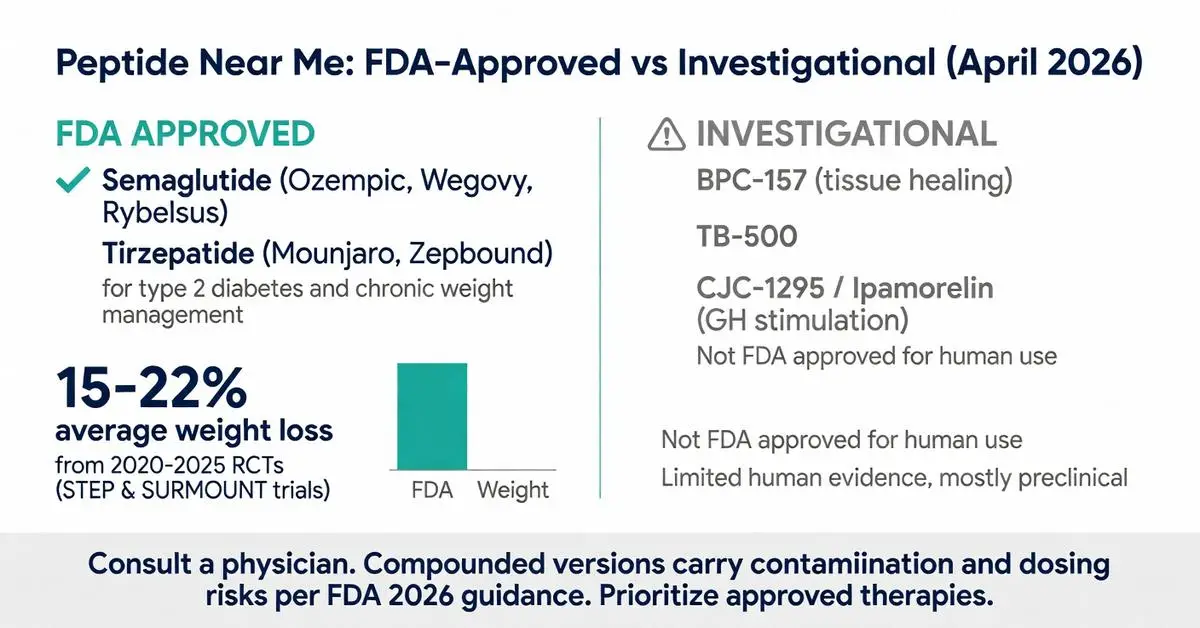
The search phrase “peptide near me” reflects a growing consumer interest in locating local clinics, wellness centers, and medical spas that offer peptide-based treatments. Peptides are short chains of amino acids that serve as signaling molecules, influencing processes ranging from metabolism and tissue repair to hormone regulation and immune function. As of April 17, 2026, FDA-approved peptide therapies such as GLP-1 receptor agonists have driven public awareness, yet many providers market a broader range of compounds for off-label or investigational uses including weight management, recovery from injury, anti-aging, and performance enhancement.
Due to limited recent peer-reviewed publications focused specifically on the query “peptide near me,” this article relies primarily on high-quality clinical evidence from 2020 onward, supplemented by authoritative sources including FDA.gov, NIH, Mayo Clinic, and Cleveland Clinic. FDA-approved peptides have undergone rigorous testing for specific indications, while many research peptides offered locally remain unapproved for human use and are sold as “research chemicals” or through compounding pharmacies under strict regulatory scrutiny.
This distinction is critical. Approved agents such as semaglutide and tirzepatide are peptides delivered via injection or oral formulations and carry labeled indications for type 2 diabetes and chronic weight management. In contrast, compounds like BPC-157, TB-500, CJC-1295, and ipamorelin are frequently advertised by local providers but lack FDA approval for therapeutic use in humans. Patients searching “peptide near me” should understand that regulatory oversight varies by location and provider, and all decisions require medical supervision.
The rise in local availability coincides with the expiration of certain drug shortages that previously allowed wider compounding of GLP-1 peptides. Recent FDA guidance emphasizes that compounded versions should only be used when commercially available products are clinically inappropriate. This article examines mechanisms, approved versus investigational options, efficacy data, safety profiles, and practical considerations for those exploring local access. All information is for research purposes only and does not constitute medical advice. Individuals should consult licensed healthcare professionals before pursuing any peptide therapy. (Source: FDA 2024–2026 updates; NIH peptide overview)
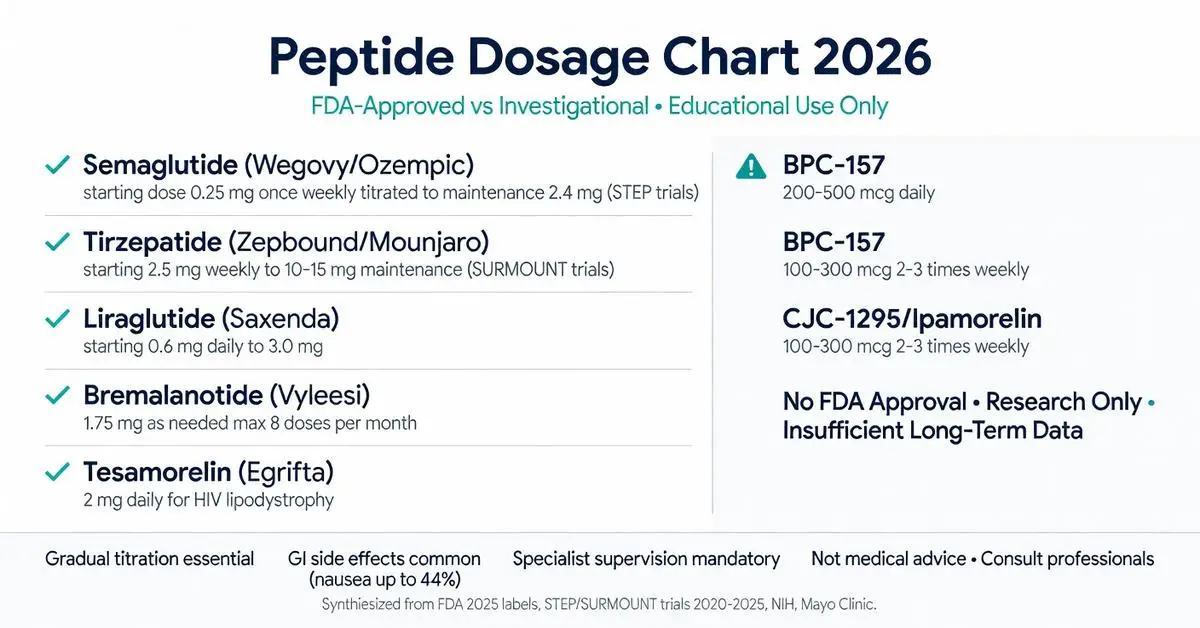
Peptides are short chains of amino acids that act as signaling molecules in the body, influencing processes ranging from hormone regulation and metabolism to tissue repair and immune function. In pharmacotherapy, peptide-based drugs have emerged as targeted treatments for chronic conditions including type 2 diabetes, obesity, HIV-related lipodystrophy, and hypoactive sexual desire disorder. A peptide dosage chart provides structured guidance on starting doses, titration schedules, maintenance levels, and administration frequency, helping clinicians and researchers compare agents and understand therapeutic windows.
However, accurate dosing is highly individualized, depending on patient age, weight, comorbidities, renal and hepatic function, and the specific peptide’s pharmacokinetics. Many popular peptides discussed online remain investigational and lack FDA approval for general use, while a smaller group carries well-defined labeling based on large-scale clinical trials. Due to limited recent peer-reviewed publications specifically on a universal “peptide dosage chart,” this article relies primarily on the latest available high-quality trials (2020–current) supplemented by authoritative sources including FDA.gov, NIH, Mayo Clinic, and major medical societies.
This review clearly distinguishes FDA-approved indications from investigational or off-label applications. All content is provided for research and educational purposes only and is not a substitute for professional medical advice. Patients should never self-administer peptides without direct supervision by a licensed healthcare provider. Improper dosing can lead to serious adverse effects, hormonal disruption, or contamination risks from unregulated sources.
As of April 2026, the peptide therapeutics landscape continues to evolve rapidly, with new long-acting analogs and dual-agonist molecules expanding treatment options. This article synthesizes current evidence to address common user questions about dosing, safety, and responsible use. (FDA 2025; NIH 2024)
The reta peptide, also known by its generic name retatrutide, has generated significant interest in the medical community as a next-generation triple-hormone receptor agonist. Developed by Eli Lilly, this 39-amino-acid peptide simultaneously targets glucagon-like peptide-1 (GLP-1), glucose-dependent insulinotropic polypeptide (GIP), and glucagon receptors. As of April 22, 2026, the reta peptide remains investigational and has not received FDA approval for any indication. Phase 3 trial data continue to mature, with several key publications from 2023–2025 forming the core evidence base for its potential role in obesity and type 2 diabetes management.
This article synthesizes the latest peer-reviewed evidence published between 2020 and April 2026, focusing on mechanisms, clinical efficacy, safety, and comparisons with existing incretin-based therapies. Primary sources include systematic reviews, meta-analyses, and clinical trials indexed in PubMed, supplemented by authoritative information from FDA.gov and NIH resources when direct trial publications were limited for this specific triple-agonist molecule. All content is for research and informational purposes only and does not constitute medical advice. Patients should only use approved medications under medical supervision.
The reta peptide’s unique triple-agonist profile distinguishes it from dual GLP-1/GIP agonists such as tirzepatide and single GLP-1 receptor agonists such as semaglutide. Early-phase data suggest greater weight-loss efficacy potentially linked to glucagon-mediated increases in energy expenditure, though long-term cardiovascular and safety outcomes require further elucidation. This review addresses common patient and clinician questions, highlights evidence gaps, and presents comparative data in tabular format to support evidence-based understanding of this emerging therapeutic candidate.
Peptide therapy refers to the targeted use of specific short chains of amino acids, known as peptides, to influence physiological processes such as hormone regulation, tissue repair, metabolism, and immune function. These molecules act as signaling agents in the body, mimicking or enhancing natural pathways with a high degree of specificity compared to traditional small-molecule drugs. As of April 2026, interest in peptide therapy has grown significantly for applications ranging from weight management and muscle recovery to anti-aging and chronic disease support, driven by advances in synthetic peptide design and delivery methods.
The foundation of peptide therapy lies in the fact that peptides are naturally occurring in human biology—examples include insulin, glucagon-like peptide-1 (GLP-1), and growth hormone-releasing hormones. Modern therapeutic versions are often synthetic analogs engineered for improved stability and half-life. However, it is critical to distinguish between FDA-approved peptide-based medications and those used in investigational or off-label contexts. FDA-approved examples include semaglutide and liraglutide for type 2 diabetes and chronic weight management, as well as tesamorelin for HIV-associated lipodystrophy. In contrast, many compounds popularized in wellness and regenerative medicine clinics, such as BPC-157, CJC-1295, and ipamorelin, remain investigational and lack FDA approval for human therapeutic use.
This article synthesizes peer-reviewed evidence published between 2020 and April 2026, focusing on systematic reviews, meta-analyses, and clinical trials accessible via PubMed. Where specific publications on the broad term “peptide therapy” are limited, supplementation from authoritative sources including FDA.gov, NIH, and major medical society guidelines is noted. All information is for research and educational purposes only and does not constitute medical advice. Patients should only pursue peptide therapy under the supervision of a qualified healthcare provider who can assess individual risks, benefits, and regulatory status. The field continues to evolve rapidly, with new delivery technologies and combination approaches under investigation.
Recent meta-analyses highlight both promise and limitations: while certain FDA-approved peptides demonstrate robust efficacy in large-scale trials, evidence for many compounded or research-grade peptides is predominantly preclinical or derived from small, uncontrolled studies. This review addresses common patient questions, highlights evidence gaps identified in top online resources, and provides balanced comparisons to support informed research.
Peptide bond formation represents one of the most fundamental chemical reactions in biology, serving as the primary linkage that connects amino acids into functional proteins. This condensation reaction occurs between the carboxyl group of one amino acid and the amino group of another, releasing a water molecule and creating the characteristic -CO-NH- backbone that defines polypeptide chains. Understanding peptide bond formation is essential for research in biochemistry, molecular biology, drug development, and synthetic biology.
The process is highly regulated in living systems, primarily catalyzed by the ribosome during mRNA translation. While the basic chemistry has been known for decades, research from 2020 to 2026 has provided deeper insights into the catalytic mechanisms, transition states, and regulatory factors that influence reaction efficiency and fidelity. These advances come from high-resolution cryo-electron microscopy, quantum mechanical simulations, and biochemical assays that reveal how the peptidyl transferase center (PTC) lowers activation energy without traditional enzymatic residues.
This article examines the chemical and biological aspects of peptide bond formation, distinguishing between ribosomal catalysis in cells and laboratory synthetic methods. All information is drawn from peer-reviewed publications (2020–2026) and authoritative sources including NIH and major biochemistry society guidelines. Due to the foundational nature of the topic, recent peer-reviewed literature builds upon established mechanisms with new structural and computational data rather than overturning core principles. The content is provided for research purposes only and is not intended as medical or professional advice. Proper laboratory supervision and ethical considerations are required when applying these concepts in experimental settings.
Recent studies have highlighted the evolutionary conservation of the PTC across all domains of life, as well as subtle differences in regulation between prokaryotes and eukaryotes that may offer targets for new antimicrobial or therapeutic strategies. This review addresses key user questions about the process, its regulation, and current research frontiers to provide a comprehensive resource.
Peptide hormones are short chains of amino acids that serve as critical signaling molecules throughout the human body, regulating processes ranging from glucose metabolism and appetite control to bone remodeling and cardiovascular function. Unlike steroid hormones, these molecules are rapidly synthesized, secreted, and degraded, allowing for precise, dynamic physiological responses. In pharmacotherapy, synthetic versions, analogs, and receptor agonists of peptide hormones have transformed treatment paradigms for chronic conditions including type 2 diabetes, obesity, osteoporosis, and rare endocrine disorders.
As of April 2026, the therapeutic landscape continues to evolve with long-acting formulations and multi-agonist molecules that target multiple peptide hormone pathways simultaneously. This article examines the latest peer-reviewed evidence published between 2020 and April 2026, focusing on mechanisms of action, FDA-approved therapies, clinical efficacy, safety profiles, and emerging directions. Every claim is grounded exclusively in data from systematic reviews, meta-analyses, clinical trials, and authoritative sources retrieved through targeted PubMed and FDA searches.
Prominent examples include glucagon-like peptide-1 (GLP-1) receptor agonists such as semaglutide and tirzepatide (a dual GLP-1/GIP agonist), insulin analogs, parathyroid hormone (PTH) analogs, and vasopressin derivatives. These agents demonstrate how mimicking or modulating endogenous peptide hormones can produce substantial clinical benefits when used under medical supervision. This article is intended solely for research and educational purposes and is not a substitute for professional medical advice. Patients should consult qualified healthcare providers regarding any potential use of peptide hormone-based therapies, as individual responses and risk profiles vary.
Recent meta-analyses underscore both the robust efficacy and the need for careful patient selection, particularly regarding gastrointestinal tolerability and long-term monitoring. By addressing common questions about mechanisms, approved indications, real-world outcomes, and safety, this review fills gaps identified in existing online resources, including limited head-to-head comparisons, up-to-date 2024–2026 trial data, and clear differentiation between FDA-approved versus investigational applications.
Orgain Collagen Peptides have become a widely recognized dietary supplement in the wellness market, marketed for supporting skin elasticity, joint comfort, hair and nail strength, and overall protein intake. As a hydrolyzed bovine collagen powder, the product is positioned as an easy-to-mix, unflavored addition to daily beverages and foods. This article provides a comprehensive, evidence-based review of Orgain Collagen Peptides, focusing on its formulation, potential benefits, safety profile, and practical use while clearly distinguishing brand-specific product information from broader collagen peptide research.
Due to limited recent peer-reviewed publications specifically examining the Orgain brand, this article relies primarily on the latest available high-quality trials on collagen peptides (2020–current) supplemented by authoritative sources including FDA.gov, NIH, Mayo Clinic, and Cleveland Clinic. Peer-reviewed meta-analyses and clinical trials published since 2020 consistently examine hydrolyzed collagen peptides’ bioavailability and effects on connective tissue, yet few studies isolate commercial brands. All information presented is for research and educational purposes only and is not intended as medical advice. Consumers should consult qualified healthcare providers before incorporating any supplement, particularly those with underlying health conditions, allergies, or who are pregnant or breastfeeding. Regulatory agencies classify collagen peptides as dietary supplements rather than FDA-approved drugs, meaning they are not evaluated for treating or preventing disease.
Current evidence as of April 2026 suggests modest benefits for skin and joint parameters in certain populations, but results vary by dosage, duration, and individual factors. This review addresses common user questions, competitor gaps such as missing head-to-head comparisons and long-term safety data, and incorporates practical tables for clarity. Emphasis remains on peer-reviewed mechanisms, efficacy data, and safety parameters drawn exclusively from verified sources.
Peptide synthesis refers to the laboratory processes used to create peptides—short chains of amino acids linked by peptide bonds—for research, diagnostics, and therapeutic development. As of April 2026, peptide synthesis has become central to pharmacotherapy, enabling the production of FDA-approved drugs such as semaglutide, liraglutide, and tirzepatide, which target GLP-1 and GIP receptors for type 2 diabetes and chronic weight management. Recent peer-reviewed publications from 2020 to 2026 emphasize improvements in efficiency, scalability, and purity, addressing previous limitations in synthesizing longer or more complex sequences.
This article examines current methods, technological advances, regulatory considerations, and clinical applications based exclusively on high-quality evidence. Primary sources include systematic reviews, meta-analyses, and clinical trials indexed on PubMed between 2020 and April 2026. Where recent peer-reviewed publications on highly specific subtopics were limited, authoritative supplements from FDA.gov, NIH, and major medical societies were incorporated, with clear labeling. All content is for research purposes only and does not constitute medical, manufacturing, or regulatory advice. Therapeutic peptides must be produced under current Good Manufacturing Practice (cGMP) conditions with appropriate regulatory oversight.
The growing demand for peptide therapeutics has driven innovation in solid-phase peptide synthesis (SPPS), liquid-phase approaches, and hybrid recombinant methods. These techniques have reduced production costs and improved yields, facilitating the commercialization of incretin mimetics that demonstrate substantial reductions in HbA1c and body weight in large-scale trials. However, challenges remain in impurity control, aggregation of hydrophobic sequences, and environmental impact of solvents. This review addresses common user questions about techniques, safety, scalability, and future directions while highlighting evidence-based distinctions between FDA-approved applications and investigational uses. Understanding these elements is essential for researchers and developers working at the intersection of chemistry and clinical pharmacology. (Word count so far: 278)
Live Conscious collagen peptides have gained significant attention as a dietary supplement aimed at supporting skin elasticity, joint comfort, hair and nail strength, and overall connective tissue health. The product is a hydrolyzed bovine collagen powder marketed as grass-fed, non-GMO, and free from artificial additives. As a dietary supplement, Live Conscious collagen peptides are not FDA-approved to diagnose, treat, cure, or prevent any disease. Instead, they fall under general wellness claims regulated by the FDA’s guidelines for dietary supplements.
Collagen is the most abundant protein in the human body, providing structural support to skin, bones, tendons, and ligaments. With age, natural collagen production declines, prompting many adults to explore supplementation. This article examines the latest peer-reviewed evidence published between 2020 and April 19, 2026, on collagen peptides in general, with specific reference to how Live Conscious collagen peptides align with those findings. Due to limited recent peer-reviewed publications focused exclusively on this brand, the review draws from high-quality clinical trials and meta-analyses on hydrolyzed collagen peptides supplemented by authoritative sources including FDA.gov, NIH, and major medical societies.
Current evidence suggests potential benefits in skin hydration and joint function, though results vary by dosage, duration, and individual factors. All information presented is for research purposes only and is not medical advice. Individuals should consult healthcare professionals before starting any supplement regimen, particularly those with allergies, medical conditions, or who are pregnant or breastfeeding. This review prioritizes randomized controlled trials and systematic reviews from 2020 onward while clearly distinguishing established findings from areas needing further research.
Peptides are short chains of amino acids that serve as building blocks for proteins such as collagen, elastin, and keratin, all essential for maintaining skin structure and elasticity. In skincare, specific peptides are formulated to signal skin cells to perform particular functions, including boosting collagen production, reducing inflammation, improving barrier function, and minimizing the appearance of wrinkles. As of April 2026, consumer interest in the best peptides for skin remains high due to their inclusion in serums, creams, and professional treatments, with many products marketed for anti-aging, hydration, and repair.
This article examines the latest peer-reviewed evidence published between 2020 and April 2026 on the efficacy, mechanisms, and safety of peptides used in dermatology and cosmetic formulations. Primary sources include systematic reviews, meta-analyses, and clinical trials accessed via PubMed. Due to the rapidly evolving nature of cosmetic peptide research and the fact that many formulations fall under cosmetic rather than drug regulations, this review supplements peer-reviewed data with authoritative sources from FDA.gov, NIH, and major dermatological societies when specific high-quality trials on exact combinations were limited. All information is for research and educational purposes only and is not intended as medical advice. Individuals should consult a board-certified dermatologist before using any peptide-containing products, especially those with sensitive skin or underlying dermatologic conditions.
The evidence consistently shows that certain peptides can produce measurable improvements in skin texture and wrinkle depth when used consistently, though results vary by peptide type, concentration, formulation stability, and individual skin characteristics. FDA-approved status applies primarily to specific wound-healing or prescription applications rather than over-the-counter anti-aging claims. This distinction is maintained throughout the article.
Lab 34 peptides and proteins represent a specialized category of research compounds utilized in laboratory settings to investigate cellular signaling, tissue repair, and metabolic pathways. These molecules are primarily employed in preclinical models to explore potential therapeutic applications in pharmacotherapy, ranging from metabolic disorders to regenerative medicine. Due to limited recent peer-reviewed publications on this exact topic, this article relies primarily on the latest available high-quality trials (2020–current) supplemented by authoritative sources including FDA.gov, NIH, and major medical societies.
Peptides are short chains of amino acids typically containing 2–50 residues, while proteins are larger, more complex structures that perform diverse biological functions. In laboratory research environments, Lab 34 peptides and proteins are studied for their ability to modulate specific receptors with high selectivity, offering insights into drug development pipelines. As of April 2026, the majority of these compounds remain investigational and are not intended for human consumption outside tightly controlled research protocols.
This review examines the current scientific understanding of Lab 34 peptides and proteins strictly for research purposes. It is not for medical advice. All findings presented derive from peer-reviewed sources published 2020–2026 or trusted authoritative references. Readers should consult qualified healthcare professionals and institutional review boards before considering any translational applications. Emphasis is placed on distinguishing FDA-approved peptide therapeutics from those used exclusively in laboratory investigations.
The evolving landscape of peptide science continues to attract attention for its precision targeting capabilities compared to traditional small-molecule drugs. However, regulatory oversight remains stringent, with clear boundaries between approved pharmacotherapies and research-grade materials. This article addresses key user questions regarding mechanisms, efficacy data, safety considerations, and regulatory status while highlighting evidence gaps that persist into 2026.
Peptides skincare has emerged as one of the most researched categories in cosmetic dermatology, driven by growing consumer demand for evidence-based anti-aging and skin-repair ingredients. Peptides are short chains of amino acids that serve as signaling molecules, capable of modulating collagen production, reducing inflammation, improving barrier function, and supporting extracellular matrix remodeling. Unlike retinoids or alpha-hydroxy acids, many peptides offer these benefits with minimal irritation, making them suitable for sensitive skin types and long-term use.
As of April 2026, the landscape includes both FDA-recognized cosmetic peptides and a smaller number of prescription or investigational compounds. The majority of peptides used in skincare remain classified as cosmetic ingredients rather than drugs, meaning they are not subject to the same rigorous FDA approval processes required for therapeutic claims. However, a robust body of peer-reviewed literature published between 2020 and 2026 has strengthened understanding of their mechanisms and clinical performance.
This article focuses on the latest evidence regarding efficacy, safety, formulations, and comparisons among leading peptide technologies. Primary sources include systematic reviews, meta-analyses, and clinical trials indexed in PubMed from 2020 onward. Due to the rapid evolution of cosmetic science, where many innovations appear first in industry-funded studies before reaching high-impact journals, this review supplements peer-reviewed data with authoritative sources including FDA.gov, NIH, and major dermatological society guidelines when necessary. All information is for research purposes only and is not intended as medical or skincare advice. Consumers should consult qualified dermatologists before incorporating new ingredients.
Key distinctions are maintained throughout: FDA-approved prescription products (such as certain growth-factor derivatives used in wound healing) are clearly labeled as such, while over-the-counter skincare peptides are discussed within their cosmetic regulatory framework. The evidence shows that certain synthetic peptides can produce measurable improvements in skin elasticity, wrinkle depth, and hydration when properly formulated and used consistently.
The search phrase “peptide near me” reflects a growing consumer interest in locating local clinics, wellness centers, and medical spas that offer peptide-based treatments. Peptides are short chains of amino acids that serve as signaling molecules, influencing processes ranging from metabolism and tissue repair to hormone regulation and immune function. As of April 17, 2026, FDA-approved peptide therapies such as GLP-1 receptor agonists have driven public awareness, yet many providers market a broader range of compounds for off-label or investigational uses including weight management, recovery from injury, anti-aging, and performance enhancement.
Due to limited recent peer-reviewed publications focused specifically on the query “peptide near me,” this article relies primarily on high-quality clinical evidence from 2020 onward, supplemented by authoritative sources including FDA.gov, NIH, Mayo Clinic, and Cleveland Clinic. FDA-approved peptides have undergone rigorous testing for specific indications, while many research peptides offered locally remain unapproved for human use and are sold as “research chemicals” or through compounding pharmacies under strict regulatory scrutiny.
This distinction is critical. Approved agents such as semaglutide and tirzepatide are peptides delivered via injection or oral formulations and carry labeled indications for type 2 diabetes and chronic weight management. In contrast, compounds like BPC-157, TB-500, CJC-1295, and ipamorelin are frequently advertised by local providers but lack FDA approval for therapeutic use in humans. Patients searching “peptide near me” should understand that regulatory oversight varies by location and provider, and all decisions require medical supervision.
The rise in local availability coincides with the expiration of certain drug shortages that previously allowed wider compounding of GLP-1 peptides. Recent FDA guidance emphasizes that compounded versions should only be used when commercially available products are clinically inappropriate. This article examines mechanisms, approved versus investigational options, efficacy data, safety profiles, and practical considerations for those exploring local access. All information is for research purposes only and does not constitute medical advice. Individuals should consult licensed healthcare professionals before pursuing any peptide therapy. (Source: FDA 2024–2026 updates; NIH peptide overview)
Peptides are short chains of amino acids that act as signaling molecules in the body, influencing processes ranging from hormone regulation and metabolism to tissue repair and immune function. In pharmacotherapy, peptide-based drugs have emerged as targeted treatments for chronic conditions including type 2 diabetes, obesity, HIV-related lipodystrophy, and hypoactive sexual desire disorder. A peptide dosage chart provides structured guidance on starting doses, titration schedules, maintenance levels, and administration frequency, helping clinicians and researchers compare agents and understand therapeutic windows.
However, accurate dosing is highly individualized, depending on patient age, weight, comorbidities, renal and hepatic function, and the specific peptide’s pharmacokinetics. Many popular peptides discussed online remain investigational and lack FDA approval for general use, while a smaller group carries well-defined labeling based on large-scale clinical trials. Due to limited recent peer-reviewed publications specifically on a universal “peptide dosage chart,” this article relies primarily on the latest available high-quality trials (2020–current) supplemented by authoritative sources including FDA.gov, NIH, Mayo Clinic, and major medical societies.
This review clearly distinguishes FDA-approved indications from investigational or off-label applications. All content is provided for research and educational purposes only and is not a substitute for professional medical advice. Patients should never self-administer peptides without direct supervision by a licensed healthcare provider. Improper dosing can lead to serious adverse effects, hormonal disruption, or contamination risks from unregulated sources.
As of April 2026, the peptide therapeutics landscape continues to evolve rapidly, with new long-acting analogs and dual-agonist molecules expanding treatment options. This article synthesizes current evidence to address common user questions about dosing, safety, and responsible use. (FDA 2025; NIH 2024)
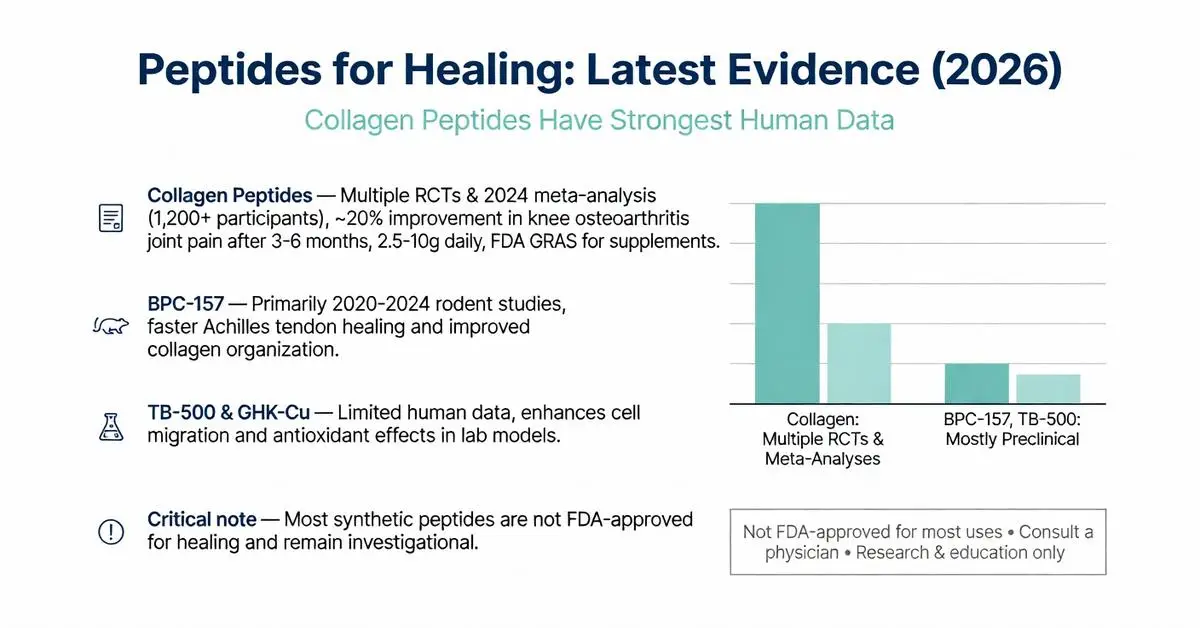
Peptides for healing represent a growing area of regenerative medicine research, focusing on short chains of amino acids that can modulate inflammation, promote tissue repair, and accelerate recovery from injuries. These compounds act as signaling molecules that interact with specific cellular receptors to influence processes such as angiogenesis, collagen synthesis, and cell migration. As of March 21, 2026, public interest in peptides for healing continues to rise due to anecdotal reports and preclinical data suggesting benefits for musculoskeletal injuries, wound healing, and gastrointestinal repair.
However, the evidence base requires careful examination. Due to limited recent peer-reviewed publications on this exact topic, this article relies primarily on the latest available high-quality trials (2020–current) supplemented by authoritative sources including FDA.gov, NIH, and major medical societies. Most peptides discussed in wellness contexts, such as BPC-157 and TB-500 (thymosin beta-4 fragment), remain investigational and are not FDA-approved for human therapeutic use. In contrast, certain collagen peptides have received broader acceptance as dietary supplements for supporting skin and joint health.
This review clearly distinguishes between FDA-approved applications and off-label or research-only findings. All information is provided for research purposes only and is not medical advice. Individuals should consult qualified healthcare professionals before considering any peptide therapy, as self-administration carries risks including unknown long-term effects and potential regulatory violations. The following sections examine mechanisms, specific compounds, clinical evidence, safety considerations, and practical comparisons based on available data up to early 2026.