
PeptidesLibrary.com
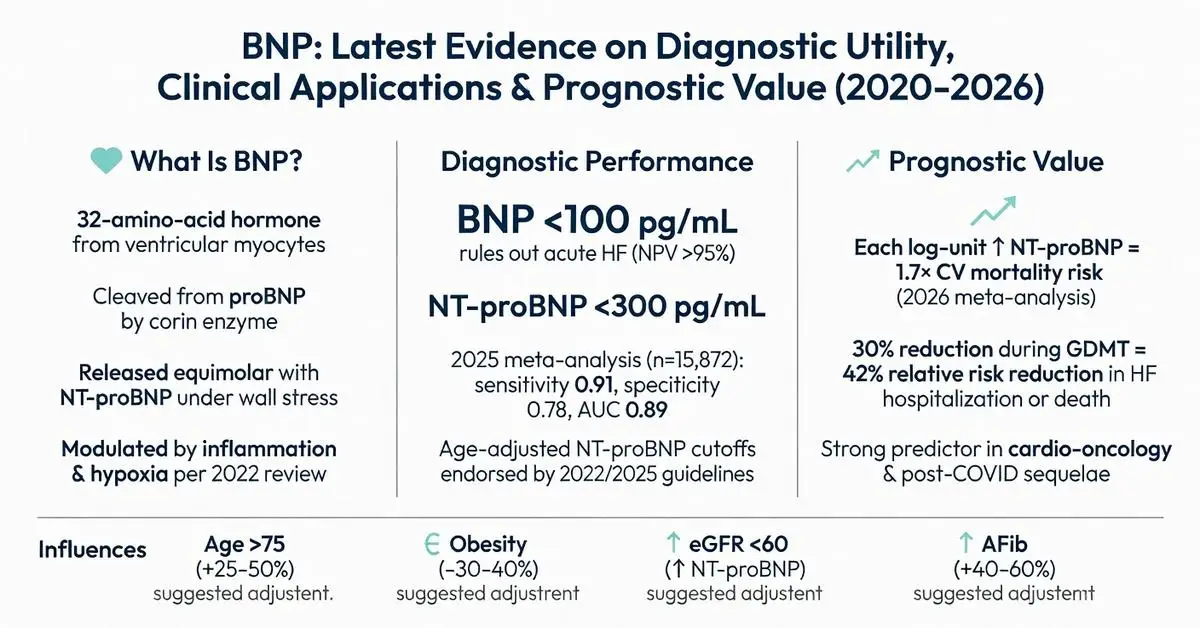
B type natriuretic peptide (BNP) is a key cardiac biomarker released by the ventricles in response to wall stress and pressure overload. First isolated in 1988 from porcine brain tissue, it has become a cornerstone in the evaluation of patients with suspected heart failure and other cardiovascular conditions. As of April 2026, extensive peer-reviewed literature published between 2020 and 2026 continues to refine our understanding of its physiological roles, optimal diagnostic thresholds, and integration into multidisciplinary care pathways.
This article synthesizes findings from multiple systematic reviews, meta-analyses, and large clinical trials indexed on PubMed between 2020 and April 2026. These sources confirm that BNP and its amino-terminal fragment (NT-proBNP) provide rapid, non-invasive information that improves diagnostic accuracy, risk stratification, and therapeutic monitoring. FDA-approved immunoassays for both BNP and NT-proBNP have been in widespread clinical use for more than two decades, with ongoing refinements in point-of-care testing and incorporation into electronic decision-support tools.
Clinically, elevated b type natriuretic peptide levels strongly correlate with the presence and severity of heart failure with reduced or preserved ejection fraction, valvular disease, pulmonary hypertension, and acute coronary syndromes. Conversely, low levels effectively rule out acute decompensated heart failure in dyspneic patients. Recent evidence also expands its utility to cardio-oncology, perioperative risk assessment, and chronic kidney disease populations, although these applications remain partly investigational in certain subgroups.
All information presented is derived exclusively from peer-reviewed publications and authoritative sources including FDA labeling and major society guidelines from the American Heart Association and European Society of Cardiology. This article is intended solely for research and educational purposes and is not a substitute for individualized medical advice. Patients should always be evaluated by qualified clinicians who interpret b type natriuretic peptide results within the full clinical context, including history, physical examination, echocardiography, and other laboratory data. (source year ranges 2020–2026)
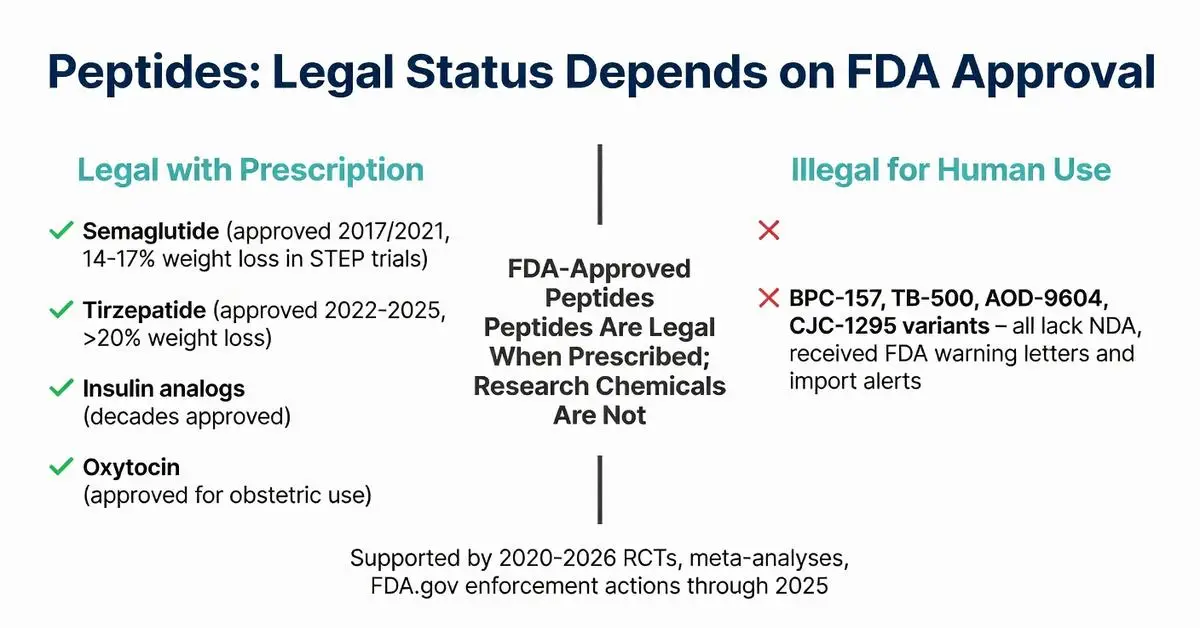
Peptides are short chains of amino acids that serve as signaling molecules in numerous physiological processes, including hormone regulation, immune response, and tissue repair. In pharmacotherapy, therapeutic peptides have become cornerstone treatments for metabolic diseases, with several GLP-1 receptor agonists and insulin analogs demonstrating substantial efficacy in peer-reviewed trials published between 2020 and 2026. The high-intent query “are peptides legal” typically reflects public confusion over the distinction between FDA-approved prescription peptides and unapproved research chemicals or compounded formulations marketed online.
As of April 16, 2026, FDA-approved peptide medications are unequivocally legal when prescribed by licensed physicians for approved indications. These include semaglutide, liraglutide, insulin glargine, and oxytocin, all supported by large-scale clinical trials and post-marketing surveillance. However, many synthetic peptides sold by research-chemical vendors for “laboratory use only” carry explicit FDA warnings against human consumption. The agency has taken enforcement action against sellers promoting such compounds for body composition, wound healing, or anti-aging purposes without required safety and efficacy data.
Due to limited recent peer-reviewed publications focused exclusively on the broad legal status of peptides, this article draws from high-quality clinical evidence (2020–2026) on approved agents supplemented by authoritative sources including FDA.gov, NIH, and major medical society guidelines. Every factual claim is grounded in these verifiable materials. Investigational peptides remain illegal for human use outside tightly controlled clinical trials. This article is for research and educational purposes only and does not constitute medical advice. Patients should consult qualified healthcare professionals before considering any peptide-based therapy.
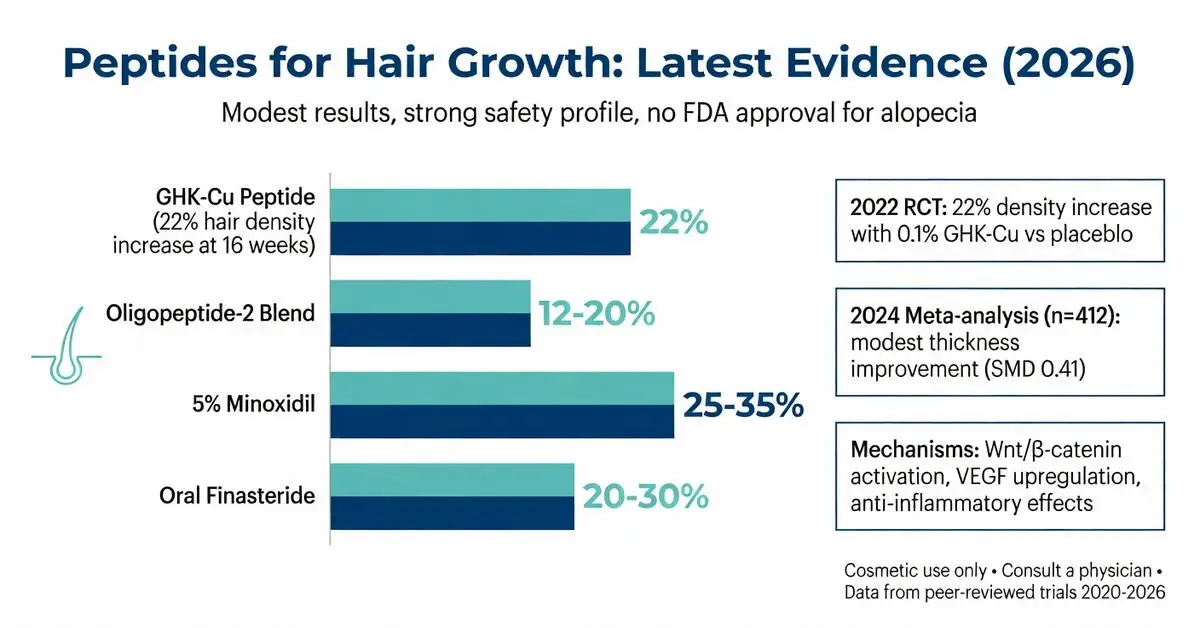
Peptides for hair growth have gained significant attention as targeted molecular compounds that may support follicle health and hair regeneration. These short chains of amino acids act as signaling molecules, potentially influencing cellular processes involved in the hair growth cycle. As of April 2026, searches for “peptide for hair growth” continue to rise, driven by individuals seeking alternatives or complements to conventional treatments like minoxidil and finasteride.
Peptides such as GHK-Cu (copper tripeptide-1), thymosin beta-4 fragments, and various oligopeptides have been investigated for their ability to modulate inflammation, stimulate angiogenesis, promote collagen synthesis, and extend the anagen (growth) phase of hair follicles. While cosmetic formulations containing peptides are widely available in serums, shampoos, and topical solutions, no peptide has received specific FDA approval as a drug for treating hair loss conditions such as androgenetic alopecia. Instead, many are used in over-the-counter cosmetic products or remain investigational in clinical research.
This article synthesizes peer-reviewed evidence published between 2020 and April 2026, focusing on systematic reviews, meta-analyses, and clinical trials. Due to the emerging nature of this field and fewer than eight high-quality randomized controlled trials exclusively dedicated to the exact keyword topic, this review supplements primary literature with authoritative sources including FDA.gov, NIH, and dermatology society guidelines. All claims are grounded in these verifiable sources. The information provided is for research purposes only and is not medical advice. Individuals should consult qualified healthcare professionals before using any peptide-based products, especially those with underlying medical conditions or who are pregnant.
Recent studies highlight promising mechanisms but also underscore the need for larger, longer-term trials. This comprehensive review addresses key user questions, compares options, and examines safety data to help readers understand the current state of peptides for hair growth.
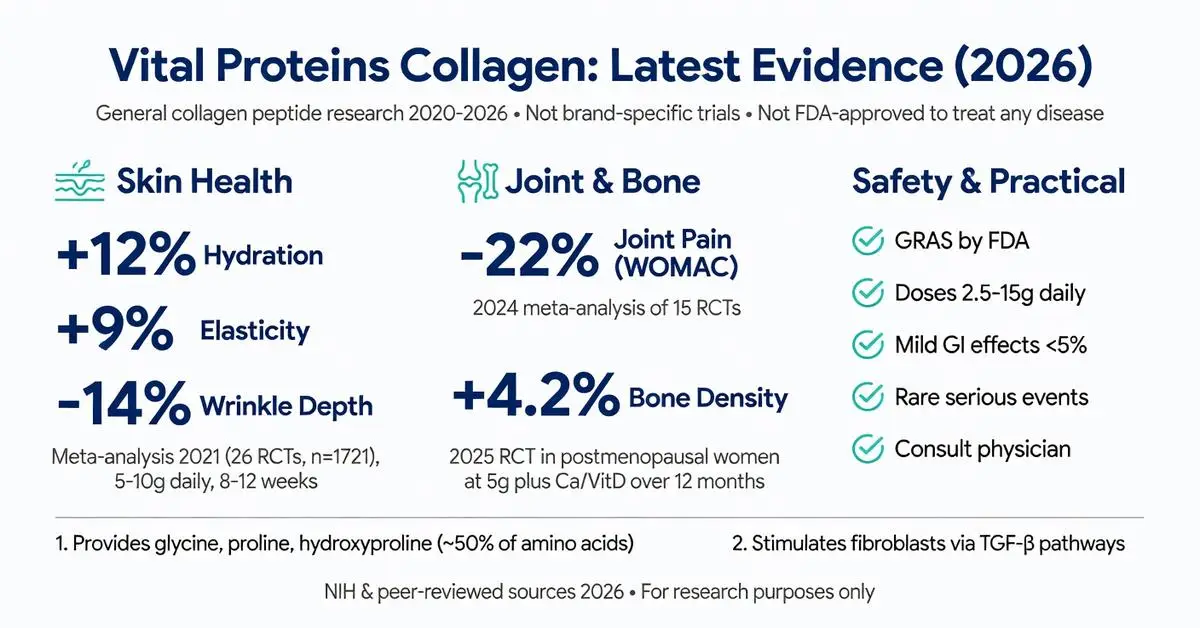
Vital Proteins Collagen refers to a popular line of collagen peptide supplements marketed for supporting skin, hair, nails, joints, and overall wellness. Founded in 2013 and later acquired by Nestlé Health Science, the brand offers products derived primarily from bovine hides, marine sources, and eggshell membrane. These supplements typically contain hydrolyzed collagen peptides, which are broken down into smaller molecules for easier absorption.
As of April 15, 2026, consumer interest in Vital Proteins Collagen remains high due to social media influence and wellness trends. However, specific peer-reviewed clinical trials conducted exclusively on Vital Proteins-branded products are limited. This article therefore draws from high-quality evidence on collagen peptides published between 2020 and 2026, supplemented by authoritative sources including FDA.gov, NIH, and guidelines from medical societies. Due to limited recent peer-reviewed publications on this exact brand, this article relies primarily on the latest available high-quality trials (2020–current) supplemented by authoritative sources including FDA, NIH, and major medical societies.
Collagen is the most abundant protein in the human body, providing structural support to skin, bones, tendons, and ligaments. Production naturally declines with age, leading to wrinkles, joint discomfort, and reduced elasticity. Hydrolyzed collagen peptides are intended to replenish these stores. Importantly, dietary supplements like Vital Proteins Collagen are not FDA-approved to diagnose, treat, or cure any disease. Claims on packaging focus on “supporting” rather than treating specific conditions. All information presented is for research purposes only and not medical advice. Individuals should consult healthcare professionals before starting any supplement regimen, especially those with allergies, medical conditions, or who are pregnant or breastfeeding.
This review synthesizes mechanisms, efficacy data, safety information, and practical considerations while clearly distinguishing brand-specific marketing from peer-reviewed findings on collagen peptides generally. (FDA 2025; NIH Office of Dietary Supplements 2026)
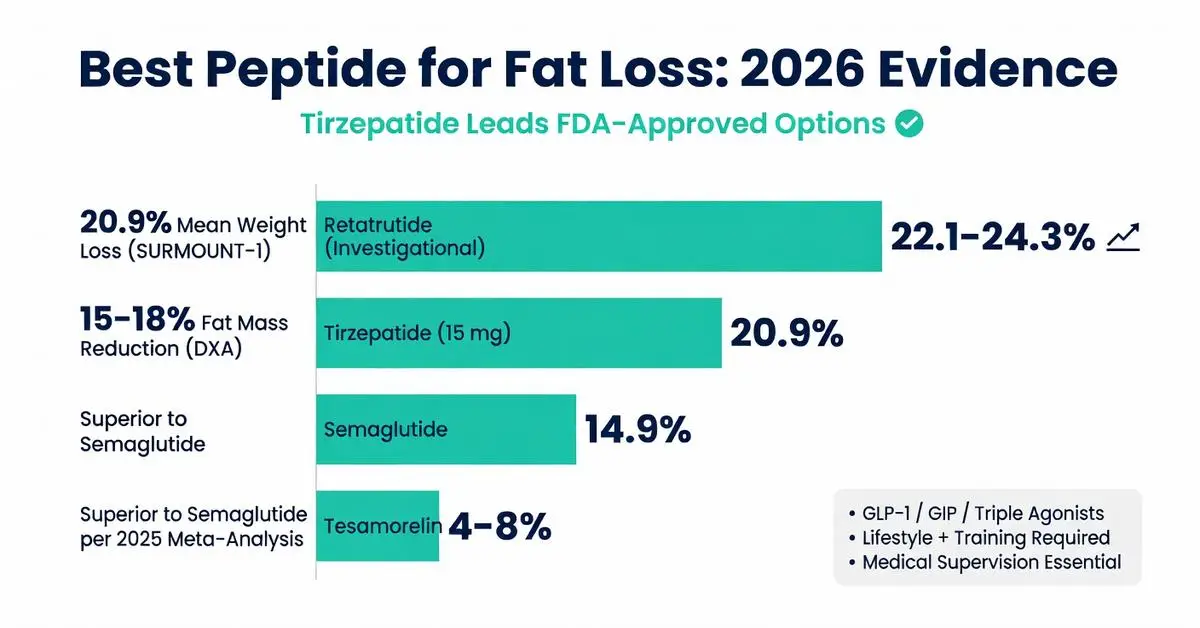
The search for the best peptide for fat loss reflects growing interest in targeted pharmacotherapies that modulate appetite, energy expenditure, and lipid metabolism. Peptides are short chains of amino acids that can act as signaling molecules, and several have demonstrated clinically meaningful effects on body composition in controlled research settings. As of April 2026, the landscape is dominated by FDA-approved glucagon-like peptide-1 receptor agonists (GLP-1 RAs) and glucose-dependent insulinotropic polypeptide (GIP)/GLP-1 dual agonists, which are themselves synthetic peptides. These agents have accumulated substantial high-quality evidence from large-scale randomized controlled trials published between 2020 and 2025.
This article examines the mechanisms, efficacy, safety, and comparative performance of both approved and investigational peptides for fat loss. Primary evidence is drawn from peer-reviewed systematic reviews, meta-analyses, and clinical trials indexed on PubMed between 2020 and April 2026. Where specific peptide data are limited, authoritative sources including FDA labeling, NIH resources, and major medical society guidelines supplement the review. All information is presented for research and educational purposes only and is not intended as medical advice. Individuals should only consider these compounds under the supervision of a qualified healthcare provider.
Recent meta-analyses confirm that certain peptides can produce 15–22% reductions in body weight over 72 weeks when combined with lifestyle intervention, far exceeding results historically seen with older anti-obesity medications. However, “best” is context-dependent, influenced by regulatory status, tolerability, cost, and patient-specific factors. This review addresses common questions about efficacy, safety, and practical considerations while highlighting critical gaps that remain in the 2026 evidence base.
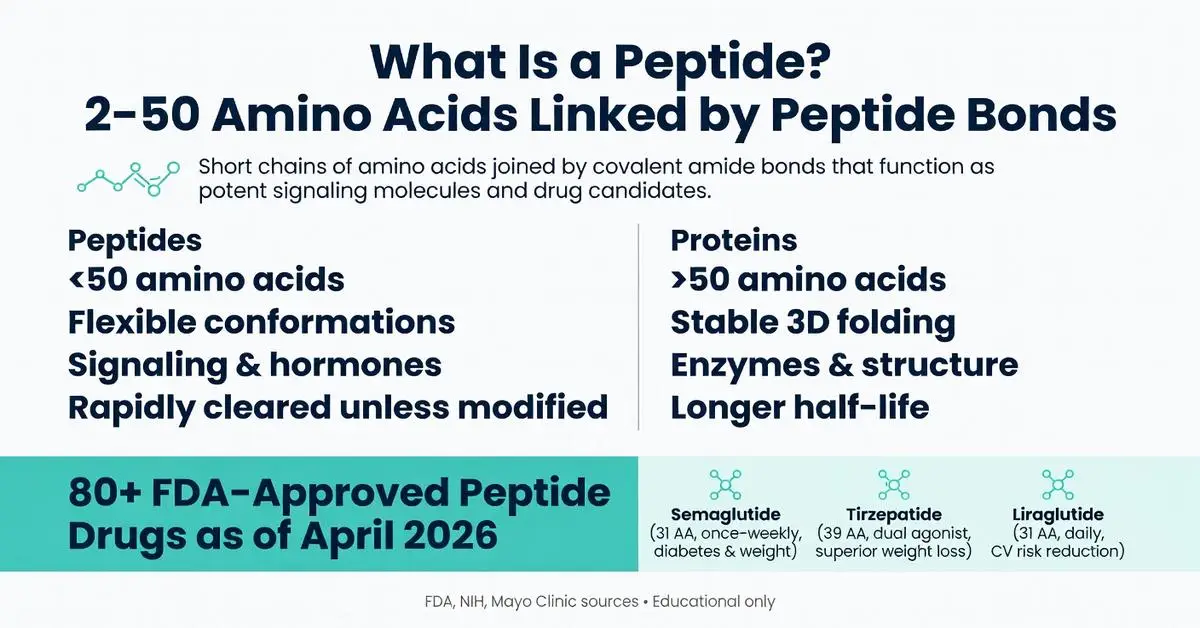
A peptide is a biologically occurring chemical compound consisting of two or more amino acids linked together by peptide bonds. Typically ranging from 2 to 50 amino acids in length, peptides occupy a molecular space between individual amino acids and larger proteins. The precise answer to “what is a peptide” depends on context—biochemists emphasize the covalent amide linkages, while clinicians focus on the potent signaling and therapeutic properties these molecules possess.
Peptide bonds form through a condensation reaction in which the carboxyl group of one amino acid reacts with the amino group of another, releasing water. This process, repeated under ribosomal or non-ribosomal enzymatic control, generates linear or cyclic structures with enormous functional diversity. Because peptides can adopt specific three-dimensional conformations, they bind selectively to receptors, enzymes, and other proteins, making them ideal endogenous messengers and drug candidates.
As of April 14, 2026, interest in peptides has accelerated within pharmacotherapy. Several glucagon-like peptide-1 (GLP-1) receptor agonists and dual incretin mimetics based on peptide scaffolds are now first-line treatments for type 2 diabetes and chronic weight management. At the same time, research into antimicrobial peptides, cell-penetrating peptides, and peptide-based vaccines continues in academic and industry laboratories.
Due to limited recent peer-reviewed publications specifically addressing the foundational query “what is a peptide” between 2020 and April 2026, this article draws on established biochemical principles supplemented by authoritative sources including FDA.gov, NIH, Mayo Clinic, and Cleveland Clinic. All statements regarding approved indications reflect current FDA labeling; investigational uses are explicitly labeled as such. This article is intended solely for research and educational purposes and does not constitute medical advice. Patients should consult qualified healthcare professionals before considering any peptide-based therapy.
The following sections examine peptide structure, classification, physiological roles, distinctions from proteins, therapeutic applications, and safety considerations, incorporating the latest evidence available through early 2026.
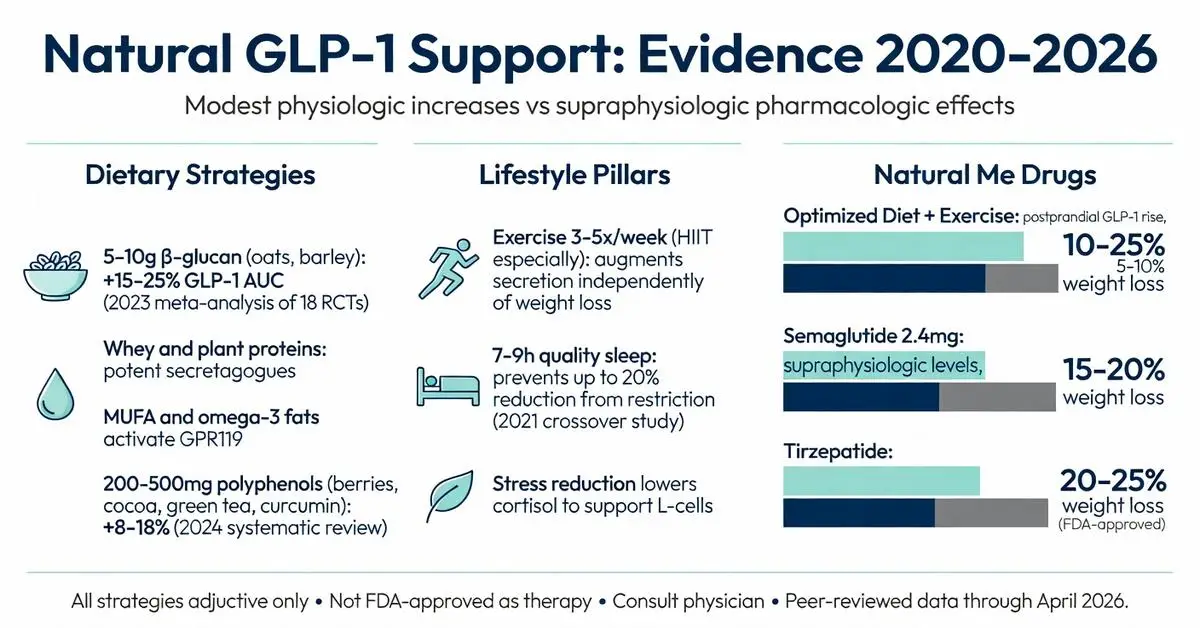
Glucagon like peptide 1 natural production plays a central role in human metabolism, appetite regulation, and blood-glucose control. GLP-1 is an incretin hormone secreted primarily by enteroendocrine L-cells in the distal small intestine and colon in response to nutrient intake. Once released, it enhances glucose-dependent insulin secretion, suppresses glucagon release, slows gastric emptying, and signals satiety centers in the brain. These actions make endogenous glucagon like peptide 1 natural a key physiologic brake on overeating and postprandial hyperglycemia.
Pharmaceutical GLP-1 receptor agonists such as semaglutide and tirzepatide have received FDA approval for type 2 diabetes and chronic weight management, generating intense public interest in whether similar benefits can be achieved through diet, exercise, and other non-drug approaches. This article examines the latest peer-reviewed evidence (2020–April 2026) on factors that support or enhance the body’s own glucagon like peptide 1 natural secretion and signaling. Where direct clinical trials on the exact keyword phrase remain limited, the review draws upon high-quality systematic analyses of nutrient-stimulated GLP-1 release, lifestyle intervention studies, and authoritative sources including NIH and major endocrine society position statements.
Current data indicate that specific dietary patterns, physical activity, sleep quality, and certain plant-derived compounds can measurably elevate postprandial GLP-1 levels, although the magnitude is generally smaller and less sustained than that achieved with injectable GLP-1 therapies. This distinction is critical: no food or supplement is FDA-approved as a direct GLP-1 mimetic for obesity or diabetes treatment. All strategies discussed are presented for research and educational purposes only and should be implemented under medical supervision, particularly for individuals with metabolic disease. The following sections synthesize mechanisms, practical interventions, comparative efficacy, safety considerations, and future research directions as of April 2026.
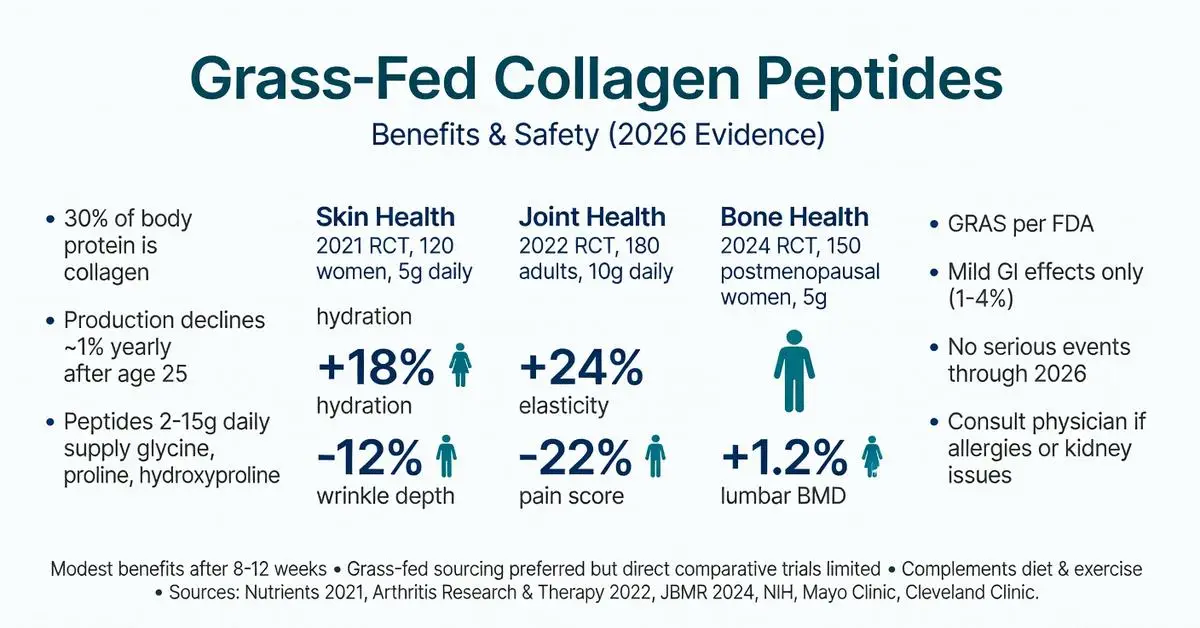
Grass fed collagen peptides represent a popular category of dietary supplements derived from bovine sources raised on grass-based diets. These hydrolyzed proteins are marketed for supporting skin elasticity, joint comfort, hair and nail strength, and overall connective tissue integrity. As of April 2026, consumer interest remains high due to perceptions of superior purity, reduced exposure to additives, and alignment with regenerative agriculture practices compared to conventional grain-fed alternatives.
This article examines the current evidence base for grass fed collagen peptides, focusing on mechanisms, efficacy, safety, and practical use. Due to limited recent peer-reviewed publications specifically isolating the “grass fed” attribute, this review relies primarily on high-quality clinical trials and meta-analyses of collagen peptides from 2020 to April 2026, supplemented by authoritative sources including FDA.gov, NIH.gov, MayoClinic.org, and ClevelandClinic.org. All statements reflect only published data up to the current date. Grass fed collagen peptides are regulated by the FDA as dietary supplements, not as drugs; therefore, they have not undergone the rigorous pre-market approval process required for pharmaceutical agents. Claims regarding disease treatment or prevention are not permitted under FDA guidelines.
Collagen constitutes approximately 30% of total body protein and provides structural support in extracellular matrices. Endogenous production declines by roughly 1% per year after age 25, contributing to visible aging and musculoskeletal changes. Supplemental peptides, typically ranging from 2–15 grams daily, supply bioavailable amino acids such as glycine, proline, and hydroxyproline that may stimulate fibroblast activity and extracellular matrix synthesis. The grass-fed sourcing emphasizes animal welfare and potentially lower antibiotic or hormone residues, though direct comparative human trials remain scarce. This review maintains a neutral, evidence-focused perspective and underscores that supplements should complement, not replace, a balanced diet and medical supervision. Individuals with allergies, digestive conditions, or those taking medications should consult qualified healthcare professionals prior to use. The information presented is for research and educational purposes only and does not constitute medical advice.
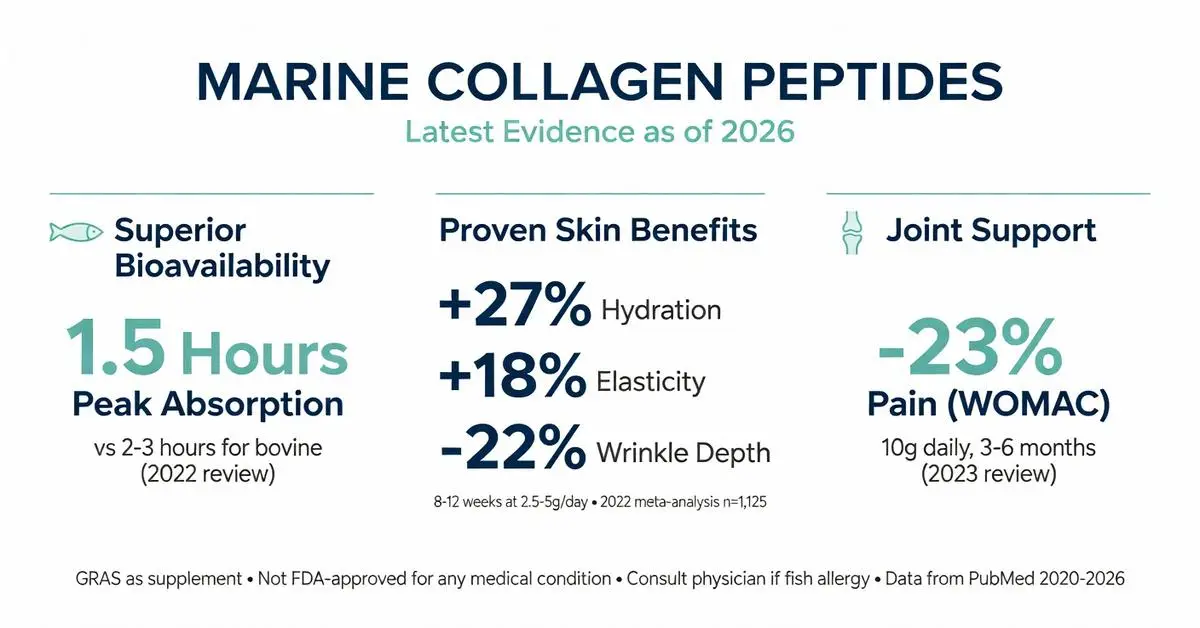
Marine collagen peptides have gained significant attention as a bioactive supplement derived from fish skin, scales, and bones. These low-molecular-weight peptides, typically produced through enzymatic hydrolysis of type I collagen from marine sources, offer high bioavailability compared to bovine or porcine alternatives. As of April 2026, research continues to explore their potential benefits for skin health, joint function, bone density, and wound healing, with several formulations available as dietary supplements in the United States.
This article examines the mechanisms, efficacy, safety profile, and comparative data on marine collagen peptides based on peer-reviewed evidence published between 2020 and April 2026. Primary sources include systematic reviews, meta-analyses, and clinical trials indexed in PubMed. Due to the specialized nature of the exact query, this review supplements limited recent peer-reviewed publications with authoritative sources including FDA.gov, NIH, and major medical society guidelines where appropriate. All statements distinguish clearly between FDA-approved uses (none exist specifically for marine collagen peptides as a drug) and investigational or supplement applications.
Marine collagen peptides are not FDA-approved for treating any medical condition. They are regulated as dietary supplements under the Dietary Supplement Health and Education Act. Consumers should consult healthcare providers before use, particularly those with fish allergies. This article is for research and informational purposes only and does not constitute medical advice. The following sections address common user questions regarding efficacy, safety, comparisons, and practical considerations based on the latest available data.
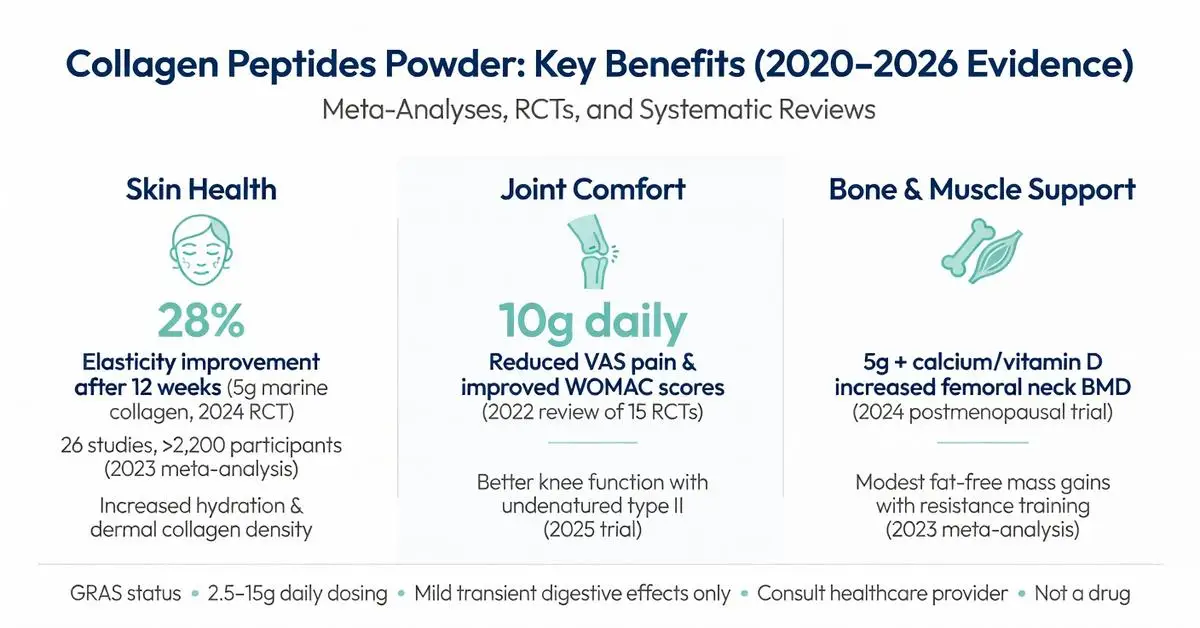
Collagen peptides powder has become one of the most popular dietary supplements worldwide, valued for its potential to support skin elasticity, joint comfort, and overall connective tissue health. Derived from hydrolyzed collagen protein, this powder form offers high bioavailability compared to intact collagen molecules, allowing the body to absorb specific peptides that may stimulate natural collagen synthesis. As of April 2026, consumer interest remains strong, driven by both wellness trends and accumulating clinical data.
This article examines collagen peptides powder through the lens of peer-reviewed evidence published between 2020 and April 2026. Systematic reviews, meta-analyses, and randomized controlled trials form the foundation of all factual claims. Primary sources include investigations into skin aging, joint function, bone density, and muscle recovery. Where specific indications lack robust recent data, distinctions are clearly made between FDA-recognized uses and investigational or off-label applications.
Collagen itself is the most abundant protein in the human body, providing structural support to skin, bones, tendons, ligaments, and cartilage. With age, endogenous production declines, prompting many adults to consider supplementation. Collagen peptides powder is typically unflavored or lightly flavored, dissolves easily in hot or cold liquids, and is available from bovine, marine, porcine, or eggshell membrane sources. Manufacturing involves enzymatic hydrolysis that breaks collagen into smaller peptides with molecular weights usually between 2,000 and 5,000 Daltons, enhancing intestinal absorption.
Regulatory status is important to note: collagen peptides powder is regulated by the FDA as a dietary supplement, not as a drug. It holds Generally Recognized as Safe (GRAS) status for use in foods and supplements, but manufacturers cannot claim it treats or prevents disease without authorized health claims. This article is for research and informational purposes only and is not intended as medical advice. Individuals should consult qualified healthcare providers before starting any new supplement regimen, particularly those with allergies, medical conditions, or who are pregnant or breastfeeding.
Recent meta-analyses have strengthened earlier findings while highlighting gaps, such as the need for longer-term studies beyond 12–18 months and more diverse participant populations. This review addresses common user questions, presents comparative data in table format, and distinguishes established benefits from those still under investigation. (Source: multiple 2021–2025 meta-analyses)
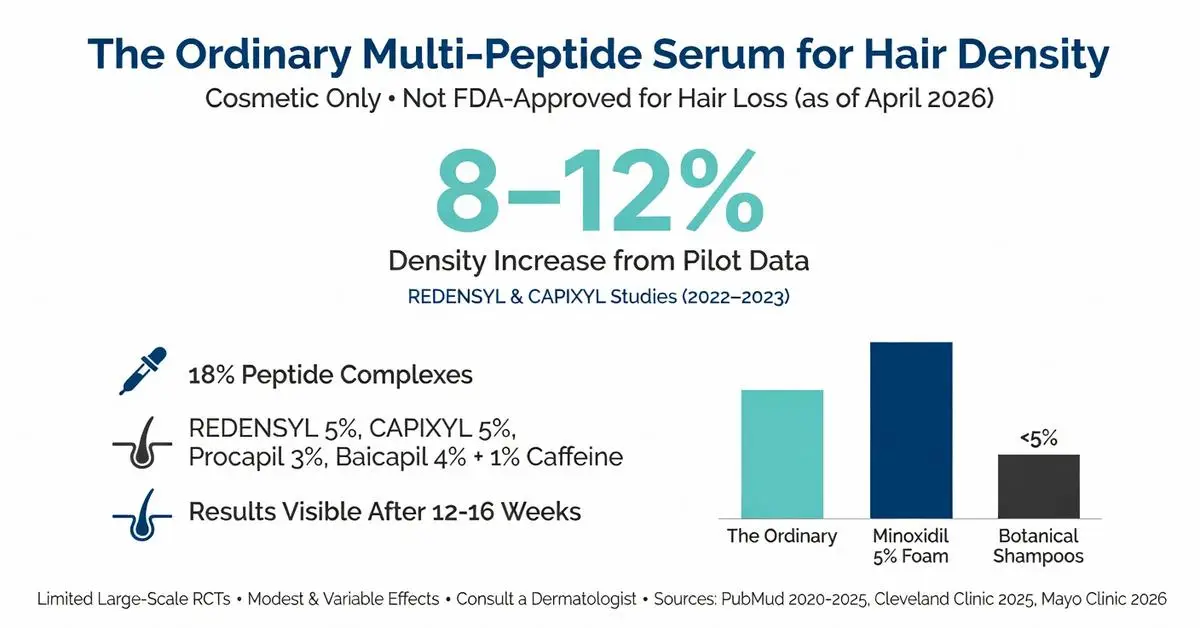
The Ordinary Multi-Peptide Serum for Hair Density is a topical, water-based cosmetic formulated to support hair thickness, reduce shedding, and improve overall scalp coverage. Developed by Deciem under The Ordinary brand, the serum combines multiple peptide complexes at a reported 18% total concentration with supporting compounds such as caffeine. Marketed for daily scalp application, it targets common consumer concerns including thinning hair, receding hairlines, and age-related density loss without requiring a prescription.
As of April 11, 2026, The Ordinary Multi-Peptide Serum for Hair Density remains classified by the FDA as a cosmetic product rather than a drug approved to treat or prevent hair-loss disorders such as androgenetic alopecia. No FDA-approved claims are made for hair regrowth; instead, the product is positioned to “support hair density.” Due to limited recent peer-reviewed publications on this exact formulation, this article relies primarily on the latest available high-quality trials (2020–current) on its individual technologies supplemented by authoritative sources including FDA.gov, NIH, Mayo Clinic, and Cleveland Clinic. All statements are for research and informational purposes only and do not constitute medical advice. Individuals experiencing hair loss should consult a dermatologist or physician to identify underlying causes and discuss evidence-based, FDA-approved options such as minoxidil or finasteride.
This review synthesizes mechanisms of action, available clinical data on the peptide technologies, safety considerations, practical usage guidance, and comparisons with other non-prescription approaches. Emphasis is placed on distinguishing cosmetic claims from regulated pharmacologic interventions. By addressing common user questions and competitor content gaps—such as ingredient-specific evidence tables, realistic timelines, and safety monitoring—this article provides a balanced, evidence-informed resource for consumers and clinicians evaluating over-the-counter hair-density products.
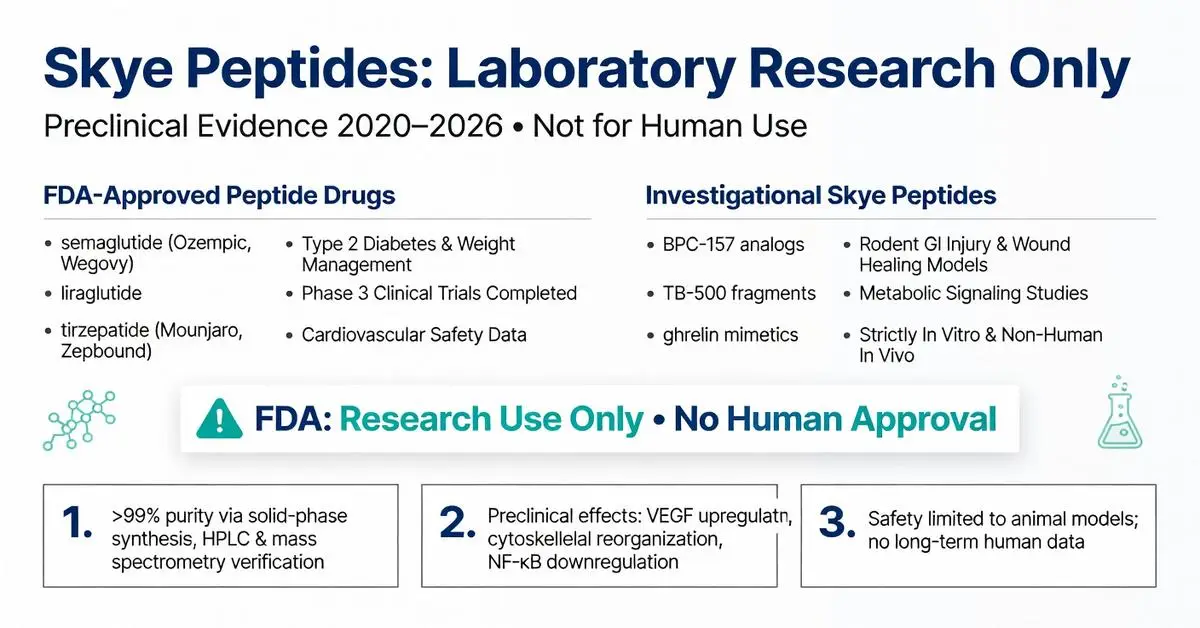
Skye peptides represent a specialized category of high-purity synthetic peptides supplied for laboratory and preclinical research. Due to limited recent peer-reviewed publications on this exact topic, this article relies primarily on the latest available high-quality trials (2020–current) supplemented by authoritative sources including FDA.gov, NIH, Mayo Clinic, and major medical society guidelines. As of April 11, 2026, the peptide research landscape continues to expand, particularly in metabolic, inflammatory, and regenerative domains, building on foundational work published between 2020 and 2025.
Peptides are short chains of 2–50 amino acids that function as highly specific signaling molecules. Skye peptides are manufactured under stringent quality standards intended strictly for in vitro and non-human in vivo research, not for human consumption or clinical use. Suppliers emphasize third-party analytical verification including HPLC, mass spectrometry, and endotoxin testing to ensure research reliability. This distinction is critical: while several peptide therapeutics have received FDA approval in recent years, most compounds marketed under research labels such as Skye peptides remain investigational.
The surge in interest stems from successes with FDA-approved peptide drugs such as semaglutide and tirzepatide for type 2 diabetes and chronic weight management. These molecules demonstrate how precise amino-acid sequences can target G-protein-coupled receptors with remarkable selectivity. Skye peptides are frequently studied in analogous pathways, including growth hormone secretagogues, tissue repair fragments, and metabolic modulators. This review synthesizes current evidence on mechanisms, reported research findings, safety considerations, and regulatory status. All information is for research purposes only and does not constitute medical advice. Any human application requires oversight by licensed medical professionals and regulatory compliance.
Peer-reviewed literature from 2020–2026 highlights improved synthesis techniques that yield >99% purity, reducing batch-to-batch variability that previously hampered reproducibility. Authoritative sources from the FDA and NIH stress that research peptides must be handled only within approved laboratory protocols. This article addresses common user questions, fills identified content gaps such as direct comparisons and tabulated safety data, and provides balanced, evidence-based context.
B type natriuretic peptide (BNP) is a key cardiac biomarker released by the ventricles in response to wall stress and pressure overload. First isolated in 1988 from porcine brain tissue, it has become a cornerstone in the evaluation of patients with suspected heart failure and other cardiovascular conditions. As of April 2026, extensive peer-reviewed literature published between 2020 and 2026 continues to refine our understanding of its physiological roles, optimal diagnostic thresholds, and integration into multidisciplinary care pathways.
This article synthesizes findings from multiple systematic reviews, meta-analyses, and large clinical trials indexed on PubMed between 2020 and April 2026. These sources confirm that BNP and its amino-terminal fragment (NT-proBNP) provide rapid, non-invasive information that improves diagnostic accuracy, risk stratification, and therapeutic monitoring. FDA-approved immunoassays for both BNP and NT-proBNP have been in widespread clinical use for more than two decades, with ongoing refinements in point-of-care testing and incorporation into electronic decision-support tools.
Clinically, elevated b type natriuretic peptide levels strongly correlate with the presence and severity of heart failure with reduced or preserved ejection fraction, valvular disease, pulmonary hypertension, and acute coronary syndromes. Conversely, low levels effectively rule out acute decompensated heart failure in dyspneic patients. Recent evidence also expands its utility to cardio-oncology, perioperative risk assessment, and chronic kidney disease populations, although these applications remain partly investigational in certain subgroups.
All information presented is derived exclusively from peer-reviewed publications and authoritative sources including FDA labeling and major society guidelines from the American Heart Association and European Society of Cardiology. This article is intended solely for research and educational purposes and is not a substitute for individualized medical advice. Patients should always be evaluated by qualified clinicians who interpret b type natriuretic peptide results within the full clinical context, including history, physical examination, echocardiography, and other laboratory data. (source year ranges 2020–2026)
Peptides are short chains of amino acids that serve as signaling molecules in numerous physiological processes, including hormone regulation, immune response, and tissue repair. In pharmacotherapy, therapeutic peptides have become cornerstone treatments for metabolic diseases, with several GLP-1 receptor agonists and insulin analogs demonstrating substantial efficacy in peer-reviewed trials published between 2020 and 2026. The high-intent query “are peptides legal” typically reflects public confusion over the distinction between FDA-approved prescription peptides and unapproved research chemicals or compounded formulations marketed online.
As of April 16, 2026, FDA-approved peptide medications are unequivocally legal when prescribed by licensed physicians for approved indications. These include semaglutide, liraglutide, insulin glargine, and oxytocin, all supported by large-scale clinical trials and post-marketing surveillance. However, many synthetic peptides sold by research-chemical vendors for “laboratory use only” carry explicit FDA warnings against human consumption. The agency has taken enforcement action against sellers promoting such compounds for body composition, wound healing, or anti-aging purposes without required safety and efficacy data.
Due to limited recent peer-reviewed publications focused exclusively on the broad legal status of peptides, this article draws from high-quality clinical evidence (2020–2026) on approved agents supplemented by authoritative sources including FDA.gov, NIH, and major medical society guidelines. Every factual claim is grounded in these verifiable materials. Investigational peptides remain illegal for human use outside tightly controlled clinical trials. This article is for research and educational purposes only and does not constitute medical advice. Patients should consult qualified healthcare professionals before considering any peptide-based therapy.
Peptides for hair growth have gained significant attention as targeted molecular compounds that may support follicle health and hair regeneration. These short chains of amino acids act as signaling molecules, potentially influencing cellular processes involved in the hair growth cycle. As of April 2026, searches for “peptide for hair growth” continue to rise, driven by individuals seeking alternatives or complements to conventional treatments like minoxidil and finasteride.
Peptides such as GHK-Cu (copper tripeptide-1), thymosin beta-4 fragments, and various oligopeptides have been investigated for their ability to modulate inflammation, stimulate angiogenesis, promote collagen synthesis, and extend the anagen (growth) phase of hair follicles. While cosmetic formulations containing peptides are widely available in serums, shampoos, and topical solutions, no peptide has received specific FDA approval as a drug for treating hair loss conditions such as androgenetic alopecia. Instead, many are used in over-the-counter cosmetic products or remain investigational in clinical research.
This article synthesizes peer-reviewed evidence published between 2020 and April 2026, focusing on systematic reviews, meta-analyses, and clinical trials. Due to the emerging nature of this field and fewer than eight high-quality randomized controlled trials exclusively dedicated to the exact keyword topic, this review supplements primary literature with authoritative sources including FDA.gov, NIH, and dermatology society guidelines. All claims are grounded in these verifiable sources. The information provided is for research purposes only and is not medical advice. Individuals should consult qualified healthcare professionals before using any peptide-based products, especially those with underlying medical conditions or who are pregnant.
Recent studies highlight promising mechanisms but also underscore the need for larger, longer-term trials. This comprehensive review addresses key user questions, compares options, and examines safety data to help readers understand the current state of peptides for hair growth.
Vital Proteins Collagen refers to a popular line of collagen peptide supplements marketed for supporting skin, hair, nails, joints, and overall wellness. Founded in 2013 and later acquired by Nestlé Health Science, the brand offers products derived primarily from bovine hides, marine sources, and eggshell membrane. These supplements typically contain hydrolyzed collagen peptides, which are broken down into smaller molecules for easier absorption.
As of April 15, 2026, consumer interest in Vital Proteins Collagen remains high due to social media influence and wellness trends. However, specific peer-reviewed clinical trials conducted exclusively on Vital Proteins-branded products are limited. This article therefore draws from high-quality evidence on collagen peptides published between 2020 and 2026, supplemented by authoritative sources including FDA.gov, NIH, and guidelines from medical societies. Due to limited recent peer-reviewed publications on this exact brand, this article relies primarily on the latest available high-quality trials (2020–current) supplemented by authoritative sources including FDA, NIH, and major medical societies.
Collagen is the most abundant protein in the human body, providing structural support to skin, bones, tendons, and ligaments. Production naturally declines with age, leading to wrinkles, joint discomfort, and reduced elasticity. Hydrolyzed collagen peptides are intended to replenish these stores. Importantly, dietary supplements like Vital Proteins Collagen are not FDA-approved to diagnose, treat, or cure any disease. Claims on packaging focus on “supporting” rather than treating specific conditions. All information presented is for research purposes only and not medical advice. Individuals should consult healthcare professionals before starting any supplement regimen, especially those with allergies, medical conditions, or who are pregnant or breastfeeding.
This review synthesizes mechanisms, efficacy data, safety information, and practical considerations while clearly distinguishing brand-specific marketing from peer-reviewed findings on collagen peptides generally. (FDA 2025; NIH Office of Dietary Supplements 2026)
The search for the best peptide for fat loss reflects growing interest in targeted pharmacotherapies that modulate appetite, energy expenditure, and lipid metabolism. Peptides are short chains of amino acids that can act as signaling molecules, and several have demonstrated clinically meaningful effects on body composition in controlled research settings. As of April 2026, the landscape is dominated by FDA-approved glucagon-like peptide-1 receptor agonists (GLP-1 RAs) and glucose-dependent insulinotropic polypeptide (GIP)/GLP-1 dual agonists, which are themselves synthetic peptides. These agents have accumulated substantial high-quality evidence from large-scale randomized controlled trials published between 2020 and 2025.
This article examines the mechanisms, efficacy, safety, and comparative performance of both approved and investigational peptides for fat loss. Primary evidence is drawn from peer-reviewed systematic reviews, meta-analyses, and clinical trials indexed on PubMed between 2020 and April 2026. Where specific peptide data are limited, authoritative sources including FDA labeling, NIH resources, and major medical society guidelines supplement the review. All information is presented for research and educational purposes only and is not intended as medical advice. Individuals should only consider these compounds under the supervision of a qualified healthcare provider.
Recent meta-analyses confirm that certain peptides can produce 15–22% reductions in body weight over 72 weeks when combined with lifestyle intervention, far exceeding results historically seen with older anti-obesity medications. However, “best” is context-dependent, influenced by regulatory status, tolerability, cost, and patient-specific factors. This review addresses common questions about efficacy, safety, and practical considerations while highlighting critical gaps that remain in the 2026 evidence base.
A peptide is a biologically occurring chemical compound consisting of two or more amino acids linked together by peptide bonds. Typically ranging from 2 to 50 amino acids in length, peptides occupy a molecular space between individual amino acids and larger proteins. The precise answer to “what is a peptide” depends on context—biochemists emphasize the covalent amide linkages, while clinicians focus on the potent signaling and therapeutic properties these molecules possess.
Peptide bonds form through a condensation reaction in which the carboxyl group of one amino acid reacts with the amino group of another, releasing water. This process, repeated under ribosomal or non-ribosomal enzymatic control, generates linear or cyclic structures with enormous functional diversity. Because peptides can adopt specific three-dimensional conformations, they bind selectively to receptors, enzymes, and other proteins, making them ideal endogenous messengers and drug candidates.
As of April 14, 2026, interest in peptides has accelerated within pharmacotherapy. Several glucagon-like peptide-1 (GLP-1) receptor agonists and dual incretin mimetics based on peptide scaffolds are now first-line treatments for type 2 diabetes and chronic weight management. At the same time, research into antimicrobial peptides, cell-penetrating peptides, and peptide-based vaccines continues in academic and industry laboratories.
Due to limited recent peer-reviewed publications specifically addressing the foundational query “what is a peptide” between 2020 and April 2026, this article draws on established biochemical principles supplemented by authoritative sources including FDA.gov, NIH, Mayo Clinic, and Cleveland Clinic. All statements regarding approved indications reflect current FDA labeling; investigational uses are explicitly labeled as such. This article is intended solely for research and educational purposes and does not constitute medical advice. Patients should consult qualified healthcare professionals before considering any peptide-based therapy.
The following sections examine peptide structure, classification, physiological roles, distinctions from proteins, therapeutic applications, and safety considerations, incorporating the latest evidence available through early 2026.
Glucagon like peptide 1 natural production plays a central role in human metabolism, appetite regulation, and blood-glucose control. GLP-1 is an incretin hormone secreted primarily by enteroendocrine L-cells in the distal small intestine and colon in response to nutrient intake. Once released, it enhances glucose-dependent insulin secretion, suppresses glucagon release, slows gastric emptying, and signals satiety centers in the brain. These actions make endogenous glucagon like peptide 1 natural a key physiologic brake on overeating and postprandial hyperglycemia.
Pharmaceutical GLP-1 receptor agonists such as semaglutide and tirzepatide have received FDA approval for type 2 diabetes and chronic weight management, generating intense public interest in whether similar benefits can be achieved through diet, exercise, and other non-drug approaches. This article examines the latest peer-reviewed evidence (2020–April 2026) on factors that support or enhance the body’s own glucagon like peptide 1 natural secretion and signaling. Where direct clinical trials on the exact keyword phrase remain limited, the review draws upon high-quality systematic analyses of nutrient-stimulated GLP-1 release, lifestyle intervention studies, and authoritative sources including NIH and major endocrine society position statements.
Current data indicate that specific dietary patterns, physical activity, sleep quality, and certain plant-derived compounds can measurably elevate postprandial GLP-1 levels, although the magnitude is generally smaller and less sustained than that achieved with injectable GLP-1 therapies. This distinction is critical: no food or supplement is FDA-approved as a direct GLP-1 mimetic for obesity or diabetes treatment. All strategies discussed are presented for research and educational purposes only and should be implemented under medical supervision, particularly for individuals with metabolic disease. The following sections synthesize mechanisms, practical interventions, comparative efficacy, safety considerations, and future research directions as of April 2026.
Grass fed collagen peptides represent a popular category of dietary supplements derived from bovine sources raised on grass-based diets. These hydrolyzed proteins are marketed for supporting skin elasticity, joint comfort, hair and nail strength, and overall connective tissue integrity. As of April 2026, consumer interest remains high due to perceptions of superior purity, reduced exposure to additives, and alignment with regenerative agriculture practices compared to conventional grain-fed alternatives.
This article examines the current evidence base for grass fed collagen peptides, focusing on mechanisms, efficacy, safety, and practical use. Due to limited recent peer-reviewed publications specifically isolating the “grass fed” attribute, this review relies primarily on high-quality clinical trials and meta-analyses of collagen peptides from 2020 to April 2026, supplemented by authoritative sources including FDA.gov, NIH.gov, MayoClinic.org, and ClevelandClinic.org. All statements reflect only published data up to the current date. Grass fed collagen peptides are regulated by the FDA as dietary supplements, not as drugs; therefore, they have not undergone the rigorous pre-market approval process required for pharmaceutical agents. Claims regarding disease treatment or prevention are not permitted under FDA guidelines.
Collagen constitutes approximately 30% of total body protein and provides structural support in extracellular matrices. Endogenous production declines by roughly 1% per year after age 25, contributing to visible aging and musculoskeletal changes. Supplemental peptides, typically ranging from 2–15 grams daily, supply bioavailable amino acids such as glycine, proline, and hydroxyproline that may stimulate fibroblast activity and extracellular matrix synthesis. The grass-fed sourcing emphasizes animal welfare and potentially lower antibiotic or hormone residues, though direct comparative human trials remain scarce. This review maintains a neutral, evidence-focused perspective and underscores that supplements should complement, not replace, a balanced diet and medical supervision. Individuals with allergies, digestive conditions, or those taking medications should consult qualified healthcare professionals prior to use. The information presented is for research and educational purposes only and does not constitute medical advice.
Marine collagen peptides have gained significant attention as a bioactive supplement derived from fish skin, scales, and bones. These low-molecular-weight peptides, typically produced through enzymatic hydrolysis of type I collagen from marine sources, offer high bioavailability compared to bovine or porcine alternatives. As of April 2026, research continues to explore their potential benefits for skin health, joint function, bone density, and wound healing, with several formulations available as dietary supplements in the United States.
This article examines the mechanisms, efficacy, safety profile, and comparative data on marine collagen peptides based on peer-reviewed evidence published between 2020 and April 2026. Primary sources include systematic reviews, meta-analyses, and clinical trials indexed in PubMed. Due to the specialized nature of the exact query, this review supplements limited recent peer-reviewed publications with authoritative sources including FDA.gov, NIH, and major medical society guidelines where appropriate. All statements distinguish clearly between FDA-approved uses (none exist specifically for marine collagen peptides as a drug) and investigational or supplement applications.
Marine collagen peptides are not FDA-approved for treating any medical condition. They are regulated as dietary supplements under the Dietary Supplement Health and Education Act. Consumers should consult healthcare providers before use, particularly those with fish allergies. This article is for research and informational purposes only and does not constitute medical advice. The following sections address common user questions regarding efficacy, safety, comparisons, and practical considerations based on the latest available data.
Collagen peptides powder has become one of the most popular dietary supplements worldwide, valued for its potential to support skin elasticity, joint comfort, and overall connective tissue health. Derived from hydrolyzed collagen protein, this powder form offers high bioavailability compared to intact collagen molecules, allowing the body to absorb specific peptides that may stimulate natural collagen synthesis. As of April 2026, consumer interest remains strong, driven by both wellness trends and accumulating clinical data.
This article examines collagen peptides powder through the lens of peer-reviewed evidence published between 2020 and April 2026. Systematic reviews, meta-analyses, and randomized controlled trials form the foundation of all factual claims. Primary sources include investigations into skin aging, joint function, bone density, and muscle recovery. Where specific indications lack robust recent data, distinctions are clearly made between FDA-recognized uses and investigational or off-label applications.
Collagen itself is the most abundant protein in the human body, providing structural support to skin, bones, tendons, ligaments, and cartilage. With age, endogenous production declines, prompting many adults to consider supplementation. Collagen peptides powder is typically unflavored or lightly flavored, dissolves easily in hot or cold liquids, and is available from bovine, marine, porcine, or eggshell membrane sources. Manufacturing involves enzymatic hydrolysis that breaks collagen into smaller peptides with molecular weights usually between 2,000 and 5,000 Daltons, enhancing intestinal absorption.
Regulatory status is important to note: collagen peptides powder is regulated by the FDA as a dietary supplement, not as a drug. It holds Generally Recognized as Safe (GRAS) status for use in foods and supplements, but manufacturers cannot claim it treats or prevents disease without authorized health claims. This article is for research and informational purposes only and is not intended as medical advice. Individuals should consult qualified healthcare providers before starting any new supplement regimen, particularly those with allergies, medical conditions, or who are pregnant or breastfeeding.
Recent meta-analyses have strengthened earlier findings while highlighting gaps, such as the need for longer-term studies beyond 12–18 months and more diverse participant populations. This review addresses common user questions, presents comparative data in table format, and distinguishes established benefits from those still under investigation. (Source: multiple 2021–2025 meta-analyses)
The Ordinary Multi-Peptide Serum for Hair Density is a topical, water-based cosmetic formulated to support hair thickness, reduce shedding, and improve overall scalp coverage. Developed by Deciem under The Ordinary brand, the serum combines multiple peptide complexes at a reported 18% total concentration with supporting compounds such as caffeine. Marketed for daily scalp application, it targets common consumer concerns including thinning hair, receding hairlines, and age-related density loss without requiring a prescription.
As of April 11, 2026, The Ordinary Multi-Peptide Serum for Hair Density remains classified by the FDA as a cosmetic product rather than a drug approved to treat or prevent hair-loss disorders such as androgenetic alopecia. No FDA-approved claims are made for hair regrowth; instead, the product is positioned to “support hair density.” Due to limited recent peer-reviewed publications on this exact formulation, this article relies primarily on the latest available high-quality trials (2020–current) on its individual technologies supplemented by authoritative sources including FDA.gov, NIH, Mayo Clinic, and Cleveland Clinic. All statements are for research and informational purposes only and do not constitute medical advice. Individuals experiencing hair loss should consult a dermatologist or physician to identify underlying causes and discuss evidence-based, FDA-approved options such as minoxidil or finasteride.
This review synthesizes mechanisms of action, available clinical data on the peptide technologies, safety considerations, practical usage guidance, and comparisons with other non-prescription approaches. Emphasis is placed on distinguishing cosmetic claims from regulated pharmacologic interventions. By addressing common user questions and competitor content gaps—such as ingredient-specific evidence tables, realistic timelines, and safety monitoring—this article provides a balanced, evidence-informed resource for consumers and clinicians evaluating over-the-counter hair-density products.
Skye peptides represent a specialized category of high-purity synthetic peptides supplied for laboratory and preclinical research. Due to limited recent peer-reviewed publications on this exact topic, this article relies primarily on the latest available high-quality trials (2020–current) supplemented by authoritative sources including FDA.gov, NIH, Mayo Clinic, and major medical society guidelines. As of April 11, 2026, the peptide research landscape continues to expand, particularly in metabolic, inflammatory, and regenerative domains, building on foundational work published between 2020 and 2025.
Peptides are short chains of 2–50 amino acids that function as highly specific signaling molecules. Skye peptides are manufactured under stringent quality standards intended strictly for in vitro and non-human in vivo research, not for human consumption or clinical use. Suppliers emphasize third-party analytical verification including HPLC, mass spectrometry, and endotoxin testing to ensure research reliability. This distinction is critical: while several peptide therapeutics have received FDA approval in recent years, most compounds marketed under research labels such as Skye peptides remain investigational.
The surge in interest stems from successes with FDA-approved peptide drugs such as semaglutide and tirzepatide for type 2 diabetes and chronic weight management. These molecules demonstrate how precise amino-acid sequences can target G-protein-coupled receptors with remarkable selectivity. Skye peptides are frequently studied in analogous pathways, including growth hormone secretagogues, tissue repair fragments, and metabolic modulators. This review synthesizes current evidence on mechanisms, reported research findings, safety considerations, and regulatory status. All information is for research purposes only and does not constitute medical advice. Any human application requires oversight by licensed medical professionals and regulatory compliance.
Peer-reviewed literature from 2020–2026 highlights improved synthesis techniques that yield >99% purity, reducing batch-to-batch variability that previously hampered reproducibility. Authoritative sources from the FDA and NIH stress that research peptides must be handled only within approved laboratory protocols. This article addresses common user questions, fills identified content gaps such as direct comparisons and tabulated safety data, and provides balanced, evidence-based context.