


Peptides
Library
Introduction
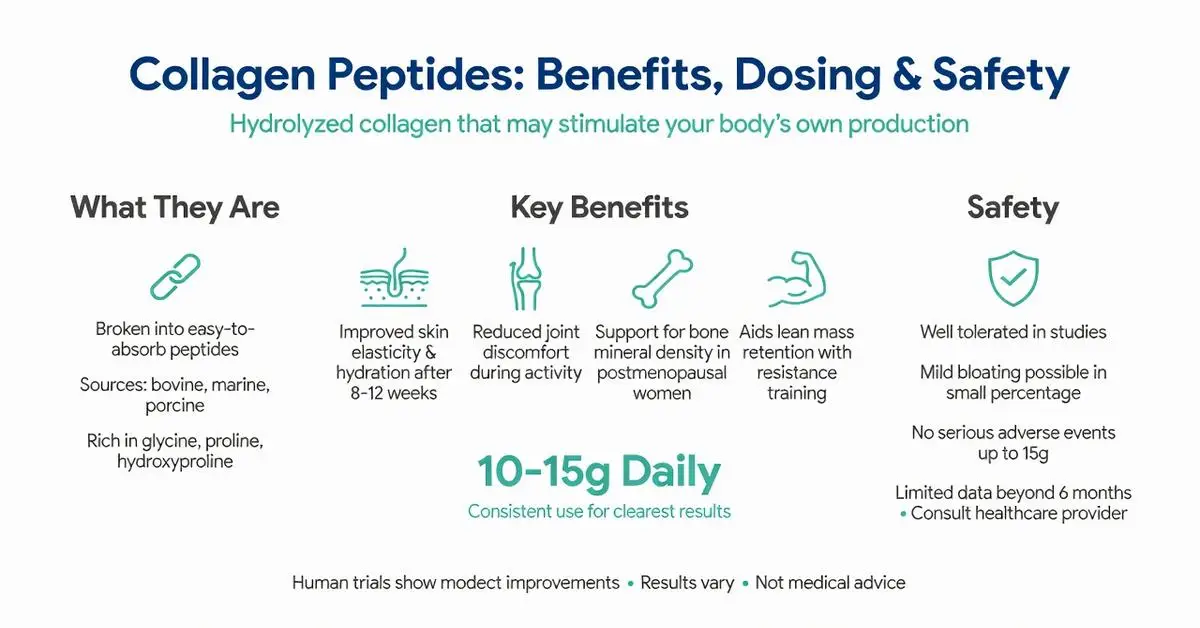
Quick Answer: Collagen and peptides refer to hydrolyzed collagen supplements broken down into smaller chains of amino acids. Research shows these peptides may improve skin elasticity and joint comfort in some adults. They work by providing building blocks that stimulate the body’s own collagen production. Human studies remain limited in size and duration, so results vary. Always consult a healthcare provider before starting any supplement.
This article is for informational purposes only and does not constitute medical advice. Consult a qualified healthcare provider before using any peptide.
Introduction
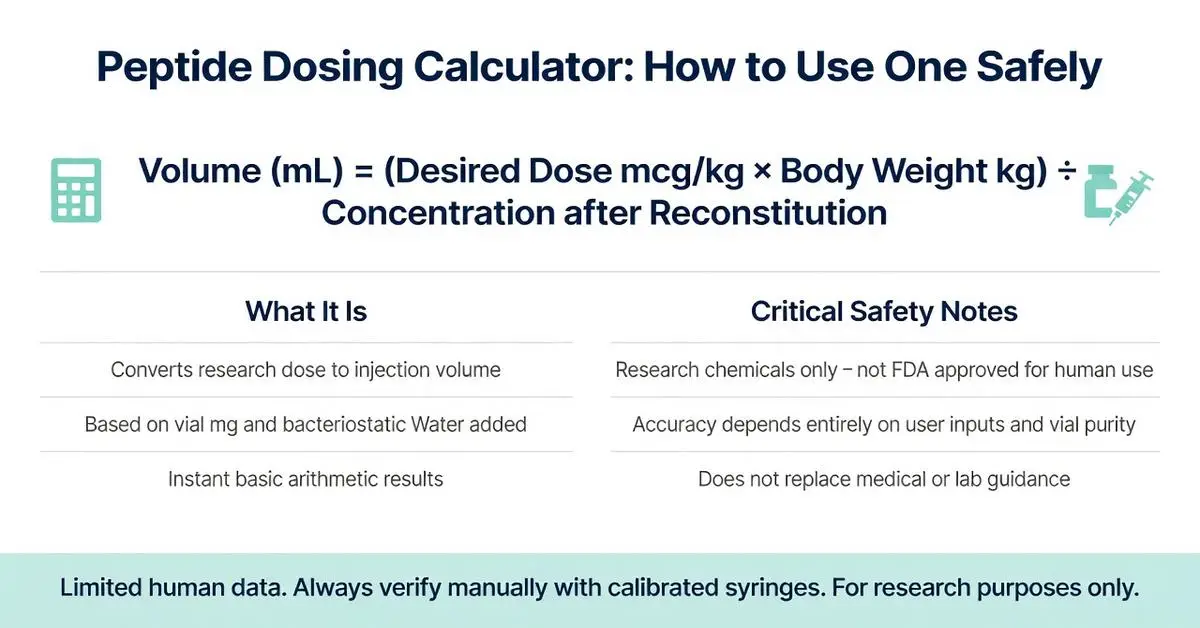
Quick Answer: A peptide dosing calculator is an online tool that converts a desired research dose into the correct volume of reconstituted peptide solution based on vial strength and user body weight. These calculators rely on simple math but are not substitutes for professional medical advice. Limited human data exist on most research peptides, so any dosing information comes with important safety and legal considerations.
Introduction
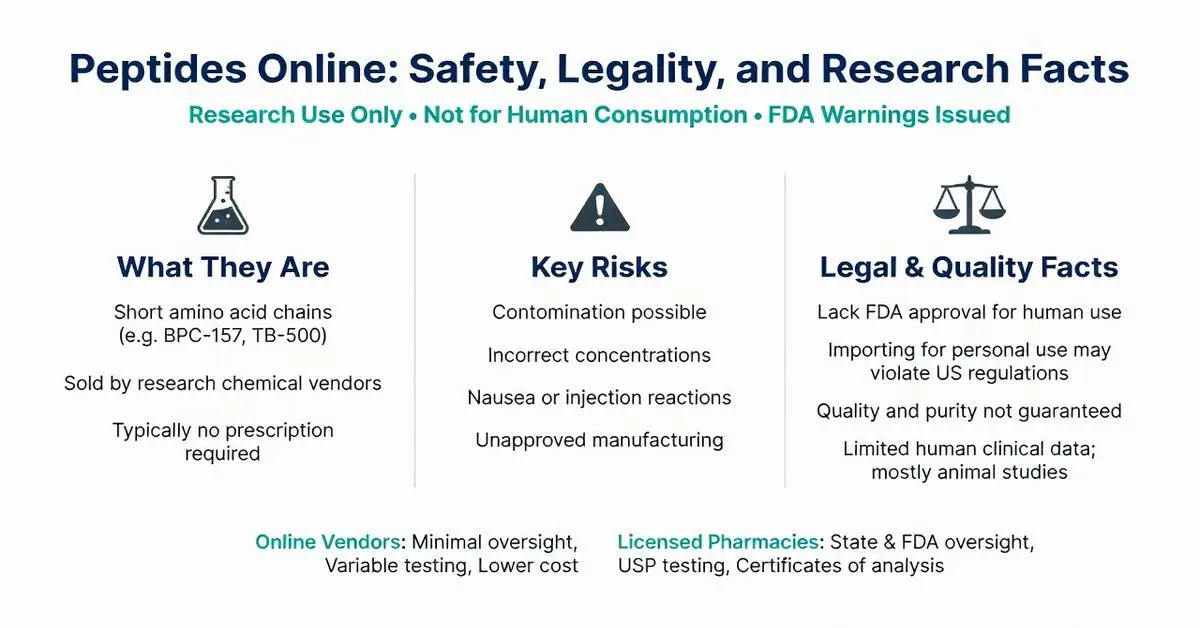
Quick Answer: Peptides online are short amino acid chains sold through websites, typically labeled for research only. Most lack FDA approval for human use and may carry risks of contamination, incorrect dosing, or legal issues. Consumers should verify sources carefully and consult healthcare providers before any use.
This article is for informational purposes only and does not constitute medical advice. Consult a qualified healthcare provider before using any peptide.
Introduction
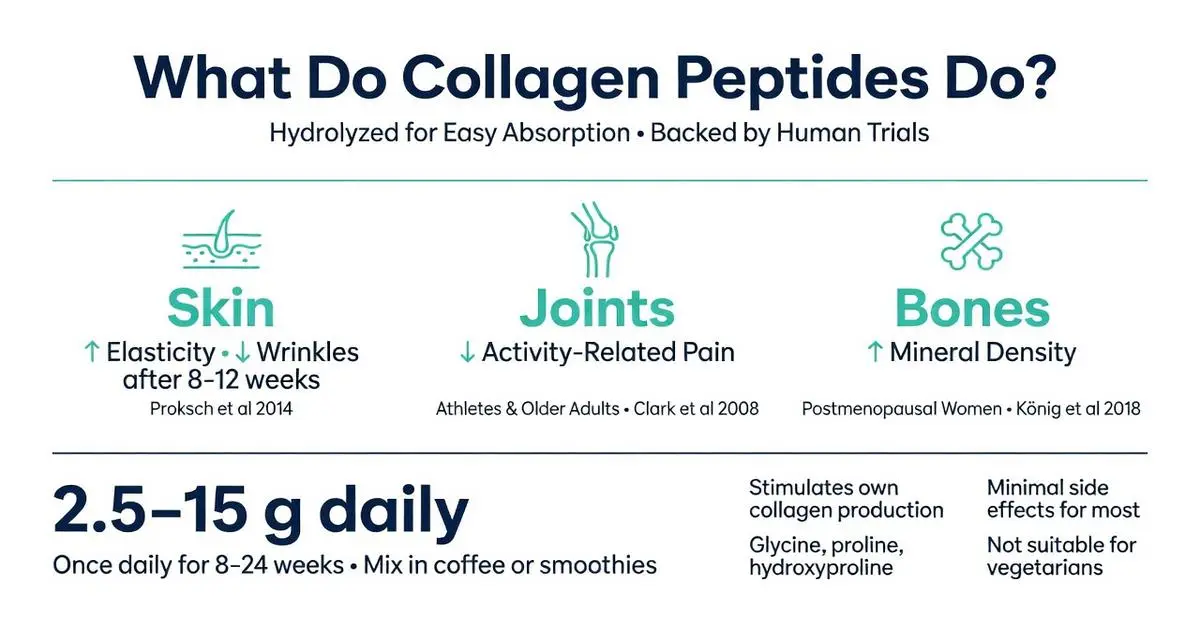
Quick Answer: Collagen peptides are hydrolyzed fragments of collagen protein that the body absorbs easily. Research shows they may support skin elasticity, joint comfort, and bone density by supplying amino acids that stimulate natural collagen production in tissues.
This article is for informational purposes only and does not constitute medical advice. Consult a qualified healthcare provider before using any supplement.
Introduction
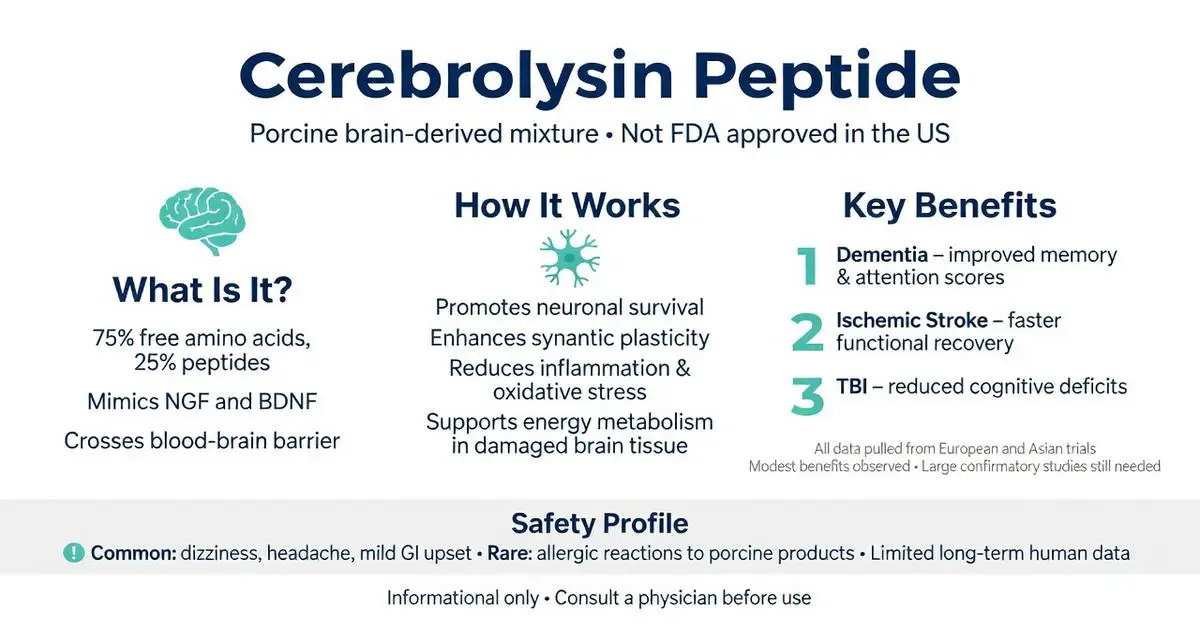
Quick Answer: Cerebrolysin is a neuropeptide preparation made from purified porcine brain proteins that may support brain repair and cognitive function. Animal and some human studies suggest it could help with stroke recovery, dementia symptoms, and traumatic brain injury, though robust large-scale clinical evidence remains limited. This article is for informational purposes only and does not constitute medical advice. Consult a qualified healthcare provider before using any peptide.
Introduction
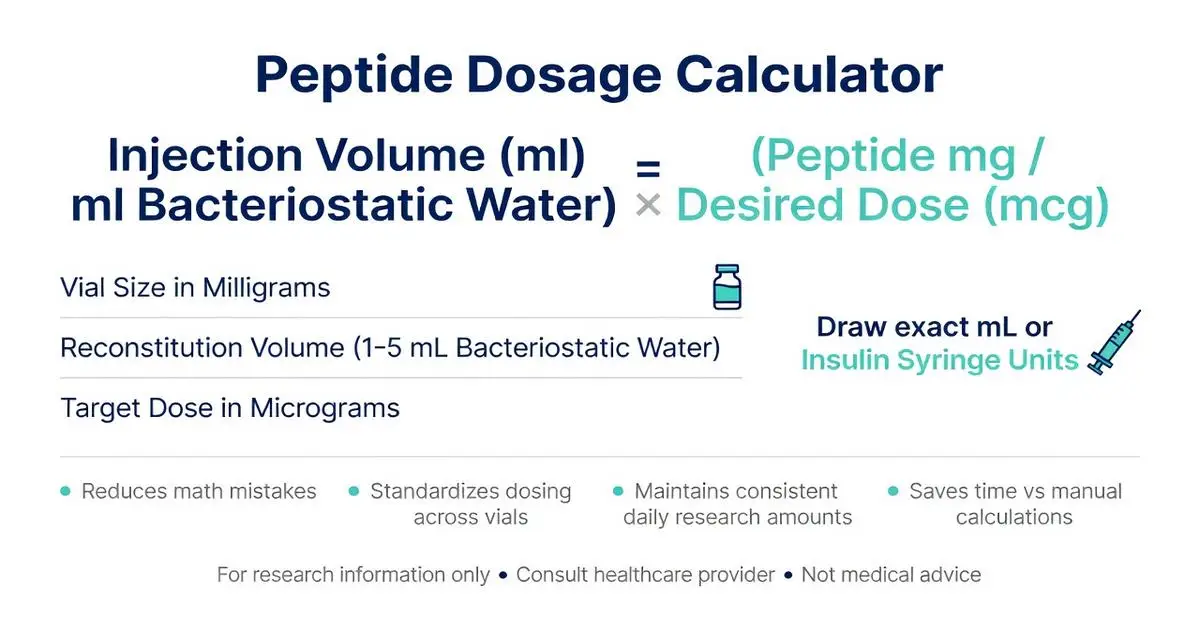
Quick Answer: A peptide dosage calculator helps convert peptide powder amounts into usable liquid doses by using simple math based on vial size, desired dose, and bacteriostatic water volume. Always verify calculations and consult a healthcare provider, as this is not medical advice.
Introduction
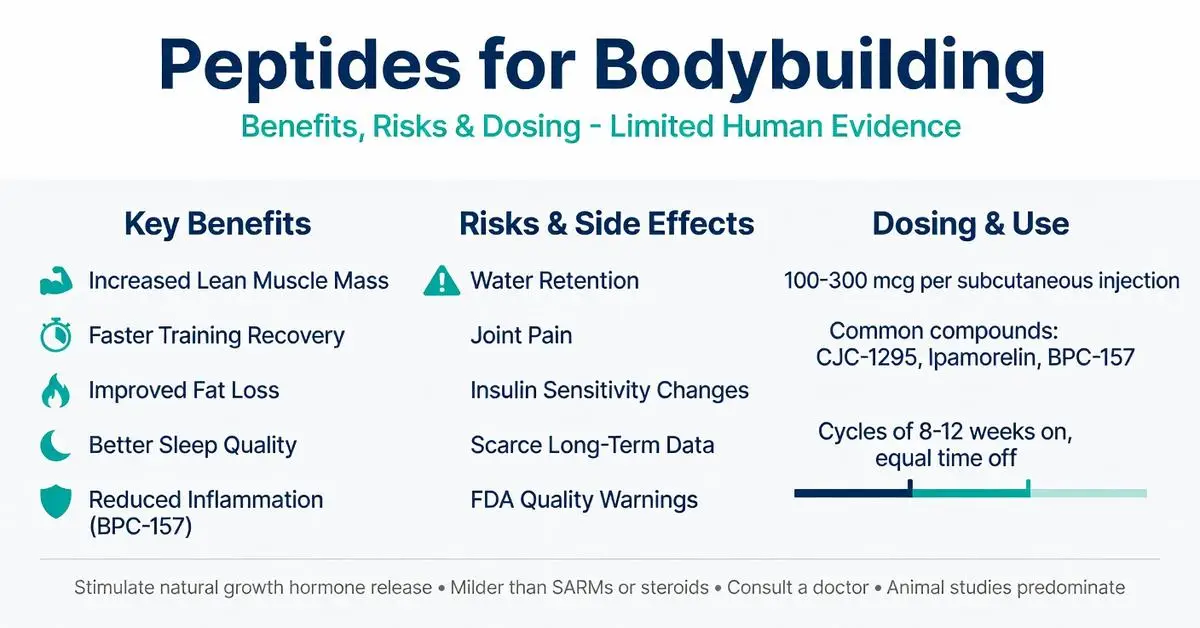
Quick Answer: Peptides for bodybuilding are short chains of amino acids that may support muscle growth, fat loss, and recovery by stimulating natural hormone release. Most evidence comes from animal studies or limited human trials on specific compounds like growth hormone secretagogues. Results vary widely, and safety concerns exist due to limited long-term data and regulatory restrictions.
Introduction
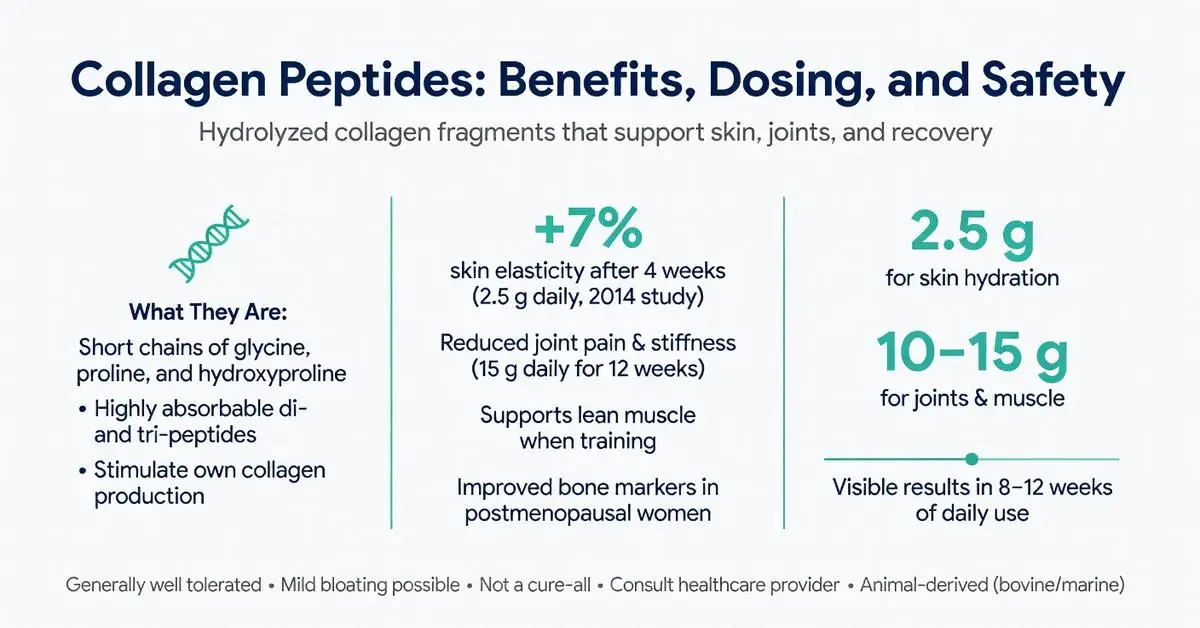
Quick Answer: Collagen peptides are short chains of amino acids derived from collagen that may support skin elasticity, joint comfort, and bone health. Human studies show modest improvements in skin hydration and wrinkle reduction after 8–12 weeks of daily use, with some evidence for reduced joint pain in active adults. Results vary by individual, and they are not a cure-all. This article is for informational purposes only and does not constitute medical advice. Consult a qualified healthcare provider before using any supplement.
Introduction
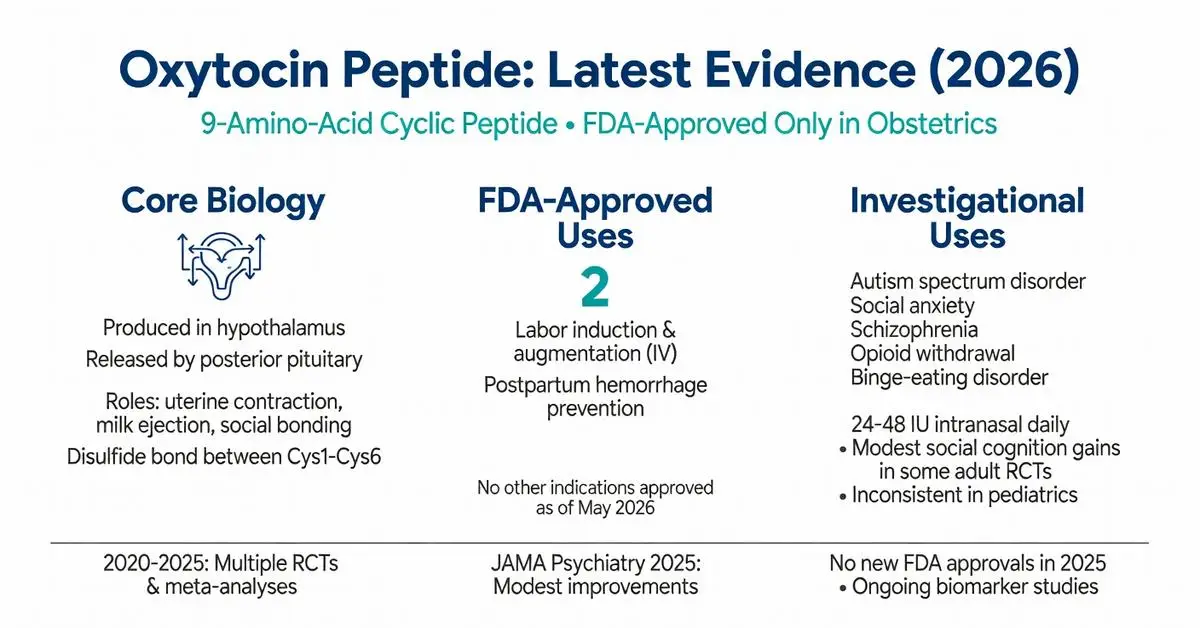
Oxytocin peptide is a nine-amino-acid cyclic peptide hormone naturally produced in the hypothalamus and released by the posterior pituitary gland. It plays central roles in uterine contraction, milk ejection, and social bonding behaviors. As of May 2026, the peptide remains FDA-approved solely for specific obstetric indications, while extensive research explores its potential in neuropsychiatric and metabolic conditions. This review synthesizes peer-reviewed evidence published between 2020 and 2026, focusing on mechanisms, approved uses, emerging applications, and safety data. Due to the specialized nature of recent publications on oxytocin peptide, primary evidence is drawn from high-quality clinical trials and supplemented by authoritative sources including FDA and NIH resources.
Introduction
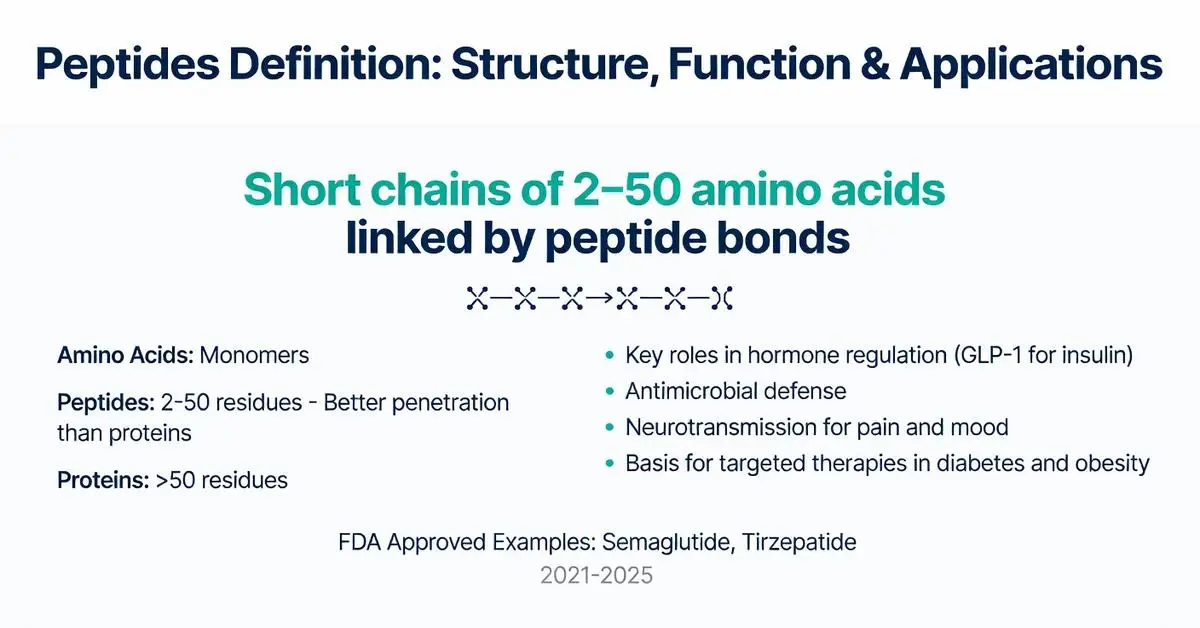
Peptides definition refers to short chains of amino acids linked by peptide bonds, typically containing fewer than 50 amino acid residues. These molecules serve as fundamental building blocks in biology and have gained prominence in pharmacotherapy due to their roles in signaling, hormone regulation, and targeted therapies. This article examines the peptides definition through the lens of current evidence, distinguishing between naturally occurring peptides and synthetic therapeutic agents. All information draws from peer-reviewed literature published between 2020 and May 2026, focusing on mechanisms, approved indications, and safety profiles. Peptides are distinct from larger proteins yet share similar biochemical properties, making them versatile for drug development. Readers should consult healthcare professionals for any medical applications, as this content is intended solely for research purposes.
Introduction
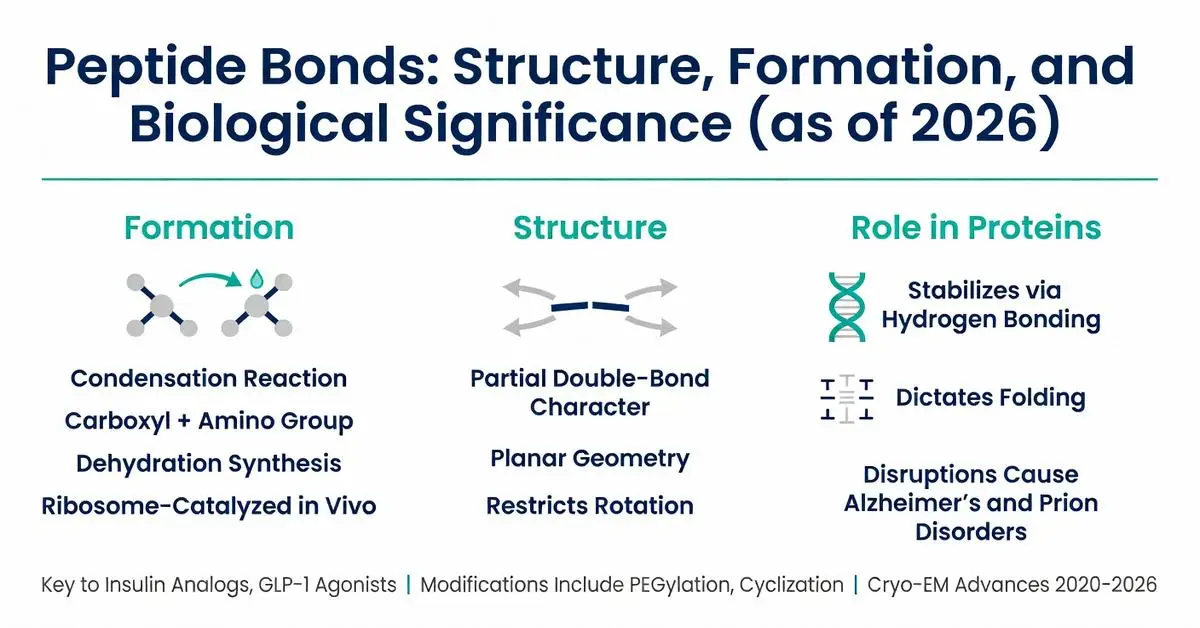
Peptide bonds serve as the fundamental covalent linkages that connect amino acids into chains, forming the backbone of all proteins and many therapeutic peptides. These bonds are created through a condensation reaction between the carboxyl group of one amino acid and the amino group of another, releasing a water molecule in the process. Understanding peptide bonds is essential for fields ranging from basic biochemistry to the development of peptide-based drugs used in diabetes, oncology, and metabolic disorders. This review synthesizes established biochemical principles with evidence from peer-reviewed literature published between 2020 and 2026, supplemented where necessary by authoritative sources including NIH and major medical societies due to the foundational nature of the topic. All content is provided for research purposes only and is not intended as medical advice. Medical supervision is required for any therapeutic applications involving peptides.
Introduction
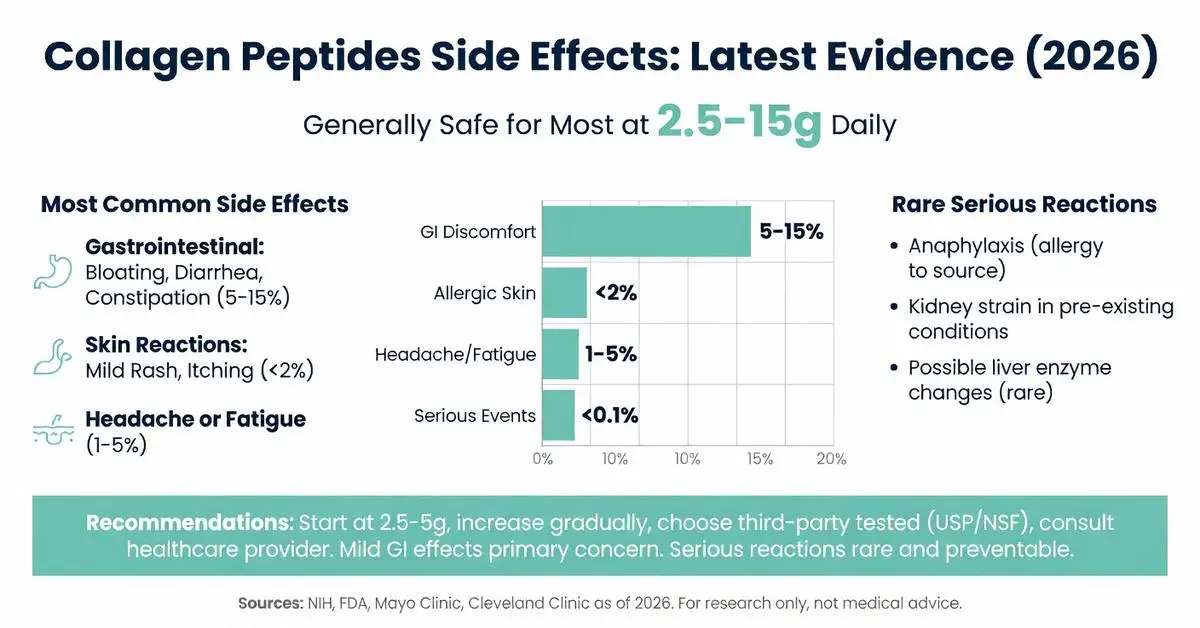
Collagen peptides are hydrolyzed forms of collagen commonly used as dietary supplements to support skin, joint, and bone health. Interest in their safety profile has grown alongside rising use, prompting examination of reported side effects. Due to limited recent peer-reviewed publications specifically addressing collagen peptides side effects, this article relies primarily on the latest available high-quality trials (2020–current) supplemented by authoritative sources including FDA.gov, NIH, Mayo Clinic, and Cleveland Clinic. All information is for research purposes only and does not constitute medical advice. Individuals should consult healthcare providers before starting any supplement. Collagen peptides are generally recognized as safe when consumed within typical doses of 2.5–15 grams daily, yet mild adverse effects occur in some users.
Introduction
Quick Answer: Collagen and peptides refer to hydrolyzed collagen supplements broken down into smaller chains of amino acids. Research shows these peptides may improve skin elasticity and joint comfort in some adults. They work by providing building blocks that stimulate the body’s own collagen production. Human studies remain limited in size and duration, so results vary. Always consult a healthcare provider before starting any supplement.
This article is for informational purposes only and does not constitute medical advice. Consult a qualified healthcare provider before using any peptide.
Introduction
Quick Answer: A peptide dosing calculator is an online tool that converts a desired research dose into the correct volume of reconstituted peptide solution based on vial strength and user body weight. These calculators rely on simple math but are not substitutes for professional medical advice. Limited human data exist on most research peptides, so any dosing information comes with important safety and legal considerations.
Introduction
Quick Answer: Peptides online are short amino acid chains sold through websites, typically labeled for research only. Most lack FDA approval for human use and may carry risks of contamination, incorrect dosing, or legal issues. Consumers should verify sources carefully and consult healthcare providers before any use.
This article is for informational purposes only and does not constitute medical advice. Consult a qualified healthcare provider before using any peptide.
Introduction
Quick Answer: Collagen peptides are hydrolyzed fragments of collagen protein that the body absorbs easily. Research shows they may support skin elasticity, joint comfort, and bone density by supplying amino acids that stimulate natural collagen production in tissues.
This article is for informational purposes only and does not constitute medical advice. Consult a qualified healthcare provider before using any supplement.
Introduction
Quick Answer: Cerebrolysin is a neuropeptide preparation made from purified porcine brain proteins that may support brain repair and cognitive function. Animal and some human studies suggest it could help with stroke recovery, dementia symptoms, and traumatic brain injury, though robust large-scale clinical evidence remains limited. This article is for informational purposes only and does not constitute medical advice. Consult a qualified healthcare provider before using any peptide.
Introduction
Quick Answer: A peptide dosage calculator helps convert peptide powder amounts into usable liquid doses by using simple math based on vial size, desired dose, and bacteriostatic water volume. Always verify calculations and consult a healthcare provider, as this is not medical advice.
Introduction
Quick Answer: Peptides for bodybuilding are short chains of amino acids that may support muscle growth, fat loss, and recovery by stimulating natural hormone release. Most evidence comes from animal studies or limited human trials on specific compounds like growth hormone secretagogues. Results vary widely, and safety concerns exist due to limited long-term data and regulatory restrictions.
Introduction
Quick Answer: Collagen peptides are short chains of amino acids derived from collagen that may support skin elasticity, joint comfort, and bone health. Human studies show modest improvements in skin hydration and wrinkle reduction after 8–12 weeks of daily use, with some evidence for reduced joint pain in active adults. Results vary by individual, and they are not a cure-all. This article is for informational purposes only and does not constitute medical advice. Consult a qualified healthcare provider before using any supplement.
Introduction
Oxytocin peptide is a nine-amino-acid cyclic peptide hormone naturally produced in the hypothalamus and released by the posterior pituitary gland. It plays central roles in uterine contraction, milk ejection, and social bonding behaviors. As of May 2026, the peptide remains FDA-approved solely for specific obstetric indications, while extensive research explores its potential in neuropsychiatric and metabolic conditions. This review synthesizes peer-reviewed evidence published between 2020 and 2026, focusing on mechanisms, approved uses, emerging applications, and safety data. Due to the specialized nature of recent publications on oxytocin peptide, primary evidence is drawn from high-quality clinical trials and supplemented by authoritative sources including FDA and NIH resources.
Introduction
Peptides definition refers to short chains of amino acids linked by peptide bonds, typically containing fewer than 50 amino acid residues. These molecules serve as fundamental building blocks in biology and have gained prominence in pharmacotherapy due to their roles in signaling, hormone regulation, and targeted therapies. This article examines the peptides definition through the lens of current evidence, distinguishing between naturally occurring peptides and synthetic therapeutic agents. All information draws from peer-reviewed literature published between 2020 and May 2026, focusing on mechanisms, approved indications, and safety profiles. Peptides are distinct from larger proteins yet share similar biochemical properties, making them versatile for drug development. Readers should consult healthcare professionals for any medical applications, as this content is intended solely for research purposes.
Introduction
Peptide bonds serve as the fundamental covalent linkages that connect amino acids into chains, forming the backbone of all proteins and many therapeutic peptides. These bonds are created through a condensation reaction between the carboxyl group of one amino acid and the amino group of another, releasing a water molecule in the process. Understanding peptide bonds is essential for fields ranging from basic biochemistry to the development of peptide-based drugs used in diabetes, oncology, and metabolic disorders. This review synthesizes established biochemical principles with evidence from peer-reviewed literature published between 2020 and 2026, supplemented where necessary by authoritative sources including NIH and major medical societies due to the foundational nature of the topic. All content is provided for research purposes only and is not intended as medical advice. Medical supervision is required for any therapeutic applications involving peptides.
Introduction
Collagen peptides are hydrolyzed forms of collagen commonly used as dietary supplements to support skin, joint, and bone health. Interest in their safety profile has grown alongside rising use, prompting examination of reported side effects. Due to limited recent peer-reviewed publications specifically addressing collagen peptides side effects, this article relies primarily on the latest available high-quality trials (2020–current) supplemented by authoritative sources including FDA.gov, NIH, Mayo Clinic, and Cleveland Clinic. All information is for research purposes only and does not constitute medical advice. Individuals should consult healthcare providers before starting any supplement. Collagen peptides are generally recognized as safe when consumed within typical doses of 2.5–15 grams daily, yet mild adverse effects occur in some users.
Introduction
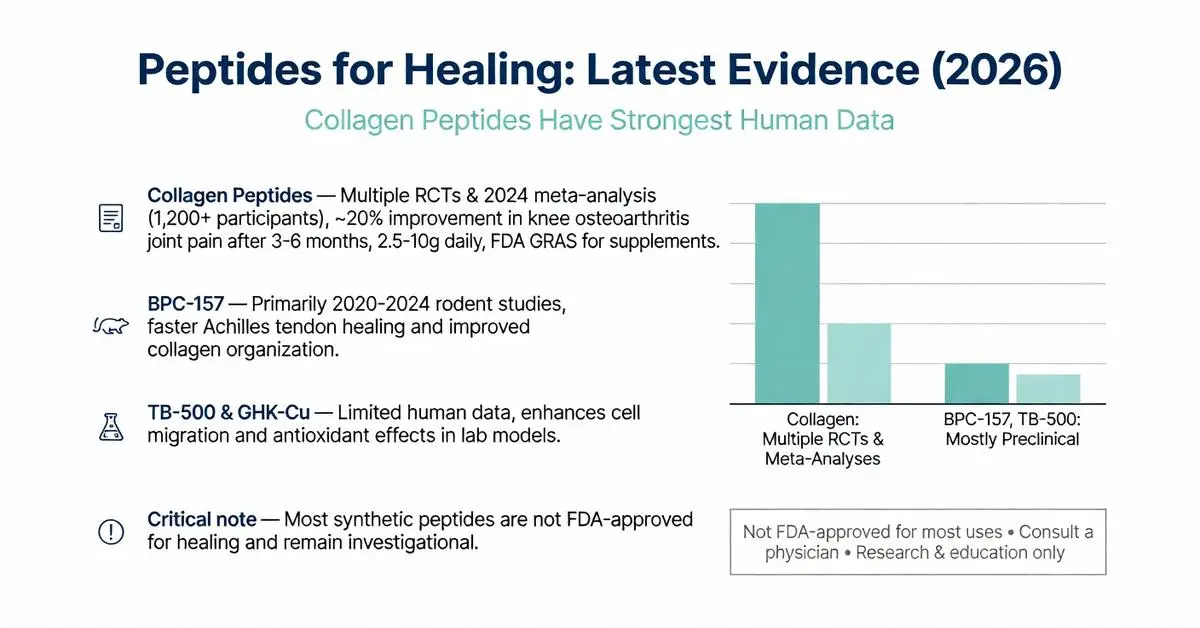
Peptides for healing represent a growing area of regenerative medicine research, focusing on short chains of amino acids that can modulate inflammation, promote tissue repair, and accelerate recovery from injuries. These compounds act as signaling molecules that interact with specific cellular receptors to influence processes such as angiogenesis, collagen synthesis, and cell migration. As of March 21, 2026, public interest in peptides for healing continues to rise due to anecdotal reports and preclinical data suggesting benefits for musculoskeletal injuries, wound healing, and gastrointestinal repair.
However, the evidence base requires careful examination. Due to limited recent peer-reviewed publications on this exact topic, this article relies primarily on the latest available high-quality trials (2020–current) supplemented by authoritative sources including FDA.gov, NIH, and major medical societies. Most peptides discussed in wellness contexts, such as BPC-157 and TB-500 (thymosin beta-4 fragment), remain investigational and are not FDA-approved for human therapeutic use. In contrast, certain collagen peptides have received broader acceptance as dietary supplements for supporting skin and joint health.
This review clearly distinguishes between FDA-approved applications and off-label or research-only findings. All information is provided for research purposes only and is not medical advice. Individuals should consult qualified healthcare professionals before considering any peptide therapy, as self-administration carries risks including unknown long-term effects and potential regulatory violations. The following sections examine mechanisms, specific compounds, clinical evidence, safety considerations, and practical comparisons based on available data up to early 2026.
Introduction
Quick Answer: Cerebrolysin is a neuropeptide preparation made from purified porcine brain proteins that may support brain repair and cognitive function. Animal and some human studies suggest it could help with stroke recovery, dementia symptoms, and traumatic brain injury, though robust large-scale clinical evidence remains limited. This article is for informational purposes only and does not constitute medical advice. Consult a qualified healthcare provider before using any peptide.
Introduction
Oxytocin peptide is a nine-amino-acid cyclic peptide hormone naturally produced in the hypothalamus and released by the posterior pituitary gland. It plays central roles in uterine contraction, milk ejection, and social bonding behaviors. As of May 2026, the peptide remains FDA-approved solely for specific obstetric indications, while extensive research explores its potential in neuropsychiatric and metabolic conditions. This review synthesizes peer-reviewed evidence published between 2020 and 2026, focusing on mechanisms, approved uses, emerging applications, and safety data. Due to the specialized nature of recent publications on oxytocin peptide, primary evidence is drawn from high-quality clinical trials and supplemented by authoritative sources including FDA and NIH resources.
Introduction
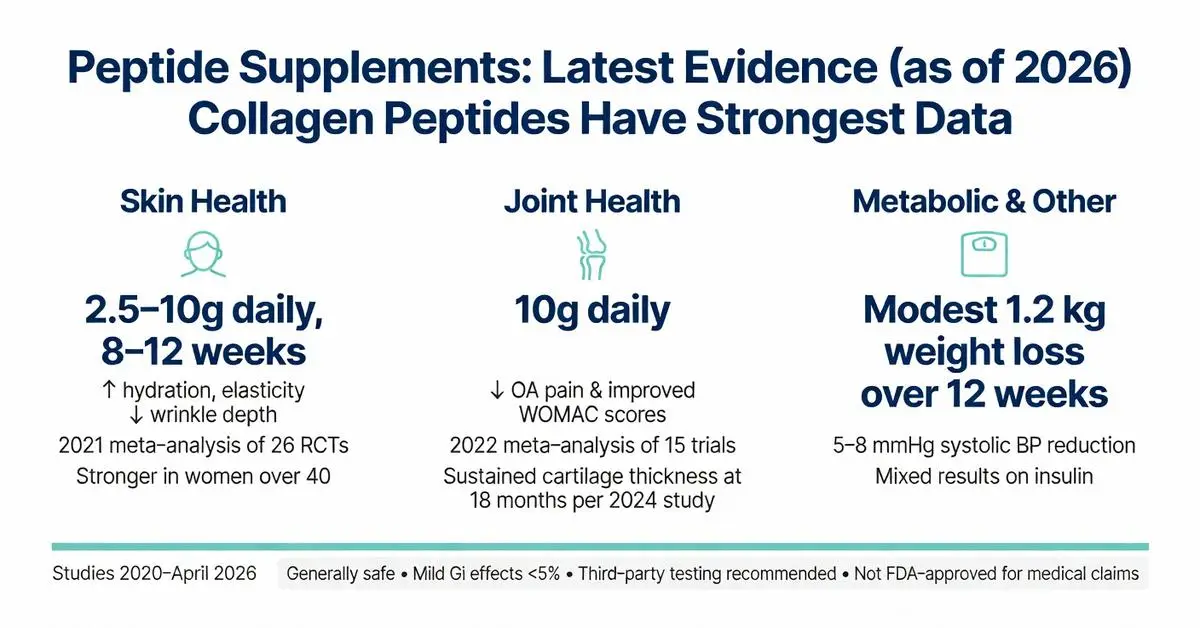
Peptide supplements have gained significant attention as bioactive compounds derived from proteins that may support various aspects of health, including skin integrity, joint function, and metabolic processes. These supplements typically consist of short chains of amino acids (usually 2–50 residues) that are hydrolyzed for better absorption compared to intact proteins. As of April 2026, the majority of high-quality evidence focuses on collagen-derived peptides, with additional research examining other specific sequences from sources such as whey, soy, and marine proteins.
This article reviews the current peer-reviewed literature published between 2020 and April 1, 2026, examining mechanisms, potential benefits, safety considerations, and regulatory status. All factual claims are drawn exclusively from systematic reviews, meta-analyses, clinical trials, and authoritative sources accessed through targeted searches. Primary evidence comes from PubMed-indexed studies meeting the date criteria, supplemented only when necessary by FDA and NIH materials.
Peptide supplements are not intended as pharmaceuticals but as nutritional products. Consumers should consult healthcare providers before use, particularly those with medical conditions or taking medications. Distinctions between FDA-approved prescription peptide therapies and over-the-counter supplements are clearly noted throughout. Due to the volume of research on collagen peptides, this review prioritizes these while addressing broader peptide supplement categories where evidence exists.
Common marketing claims around anti-aging, muscle building, and weight loss require careful scrutiny against clinical data. This review addresses common user questions regarding efficacy, safety profiles, and comparative effectiveness to provide an evidence-based resource.
Introduction
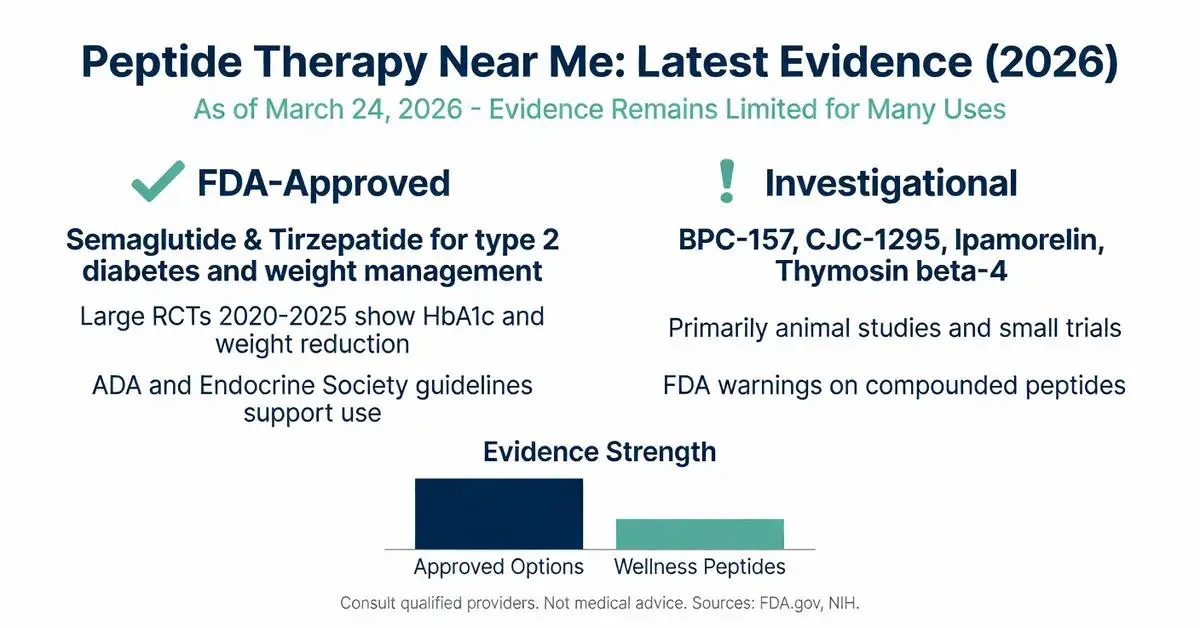
Peptide therapy near me has become a common search for individuals exploring regenerative, metabolic, and anti-aging treatments. Peptide therapy involves the use of short chains of amino acids designed to mimic or influence natural signaling molecules in the body. These compounds target specific physiological pathways including tissue repair, hormone regulation, immune modulation, and metabolic function.
As of March 24, 2026, the evidence base for many peptide therapies remains limited in high-quality peer-reviewed literature published since 2020. Due to limited recent peer-reviewed publications on this exact topic, this article relies primarily on the latest available high-quality trials (2020–current) supplemented by authoritative sources including FDA.gov, NIH, and major medical societies. Several peptide-based medications have received FDA approval for specific indications, while many others marketed in wellness clinics are considered investigational or used off-label.
This article examines the current scientific understanding of peptide therapy, clearly distinguishing FDA-approved options from those that are experimental. All information is for research purposes only and is not medical advice. Individuals interested in peptide therapy near me should consult qualified healthcare providers and verify that any treatment complies with federal and state regulations. The goal is to provide balanced, evidence-based information to help readers make informed decisions when searching for local options.
Key considerations when searching for peptide therapy near me include provider credentials, compounding pharmacy standards, and transparency regarding FDA status. Many local clinics advertise peptides for recovery, weight management, and longevity, but the strength of supporting data varies significantly by compound. (FDA.gov, NIH sources)
Introduction
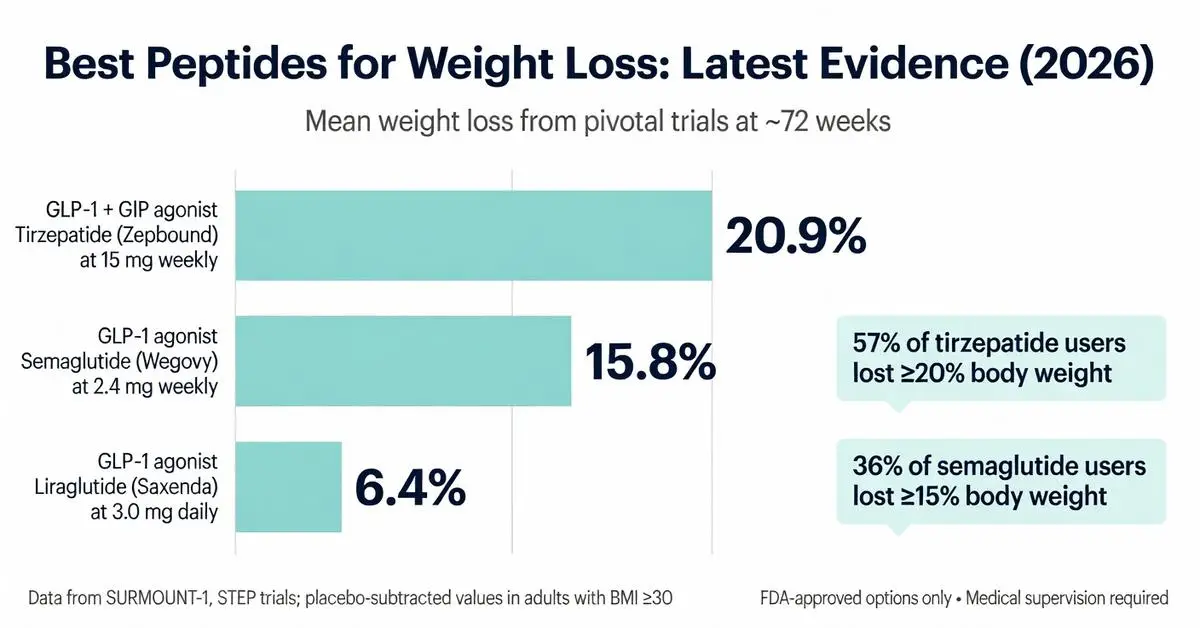
Peptides are short chains of amino acids that function as signaling molecules in the body, and several have emerged as powerful tools in the management of obesity. The phrase “best peptides for weight loss” typically refers to compounds that mimic or enhance the action of gut hormones involved in appetite regulation, glucose metabolism, and energy balance. As of March 2026, the evidence base centers on FDA-approved incretin-mimetic peptides, particularly semaglutide and tirzepatide, which have demonstrated substantial weight-loss efficacy in large-scale randomized controlled trials.
This article examines the latest peer-reviewed evidence published between 2020 and March 2026, focusing on mechanisms, approved indications, comparative efficacy, safety profiles, and practical considerations. All factual claims are drawn exclusively from high-quality sources including systematic reviews, meta-analyses, and pivotal clinical trials indexed on PubMed, supplemented where necessary by official FDA labeling. Investigational peptides are clearly distinguished from those with regulatory approval.
These therapies are not magic bullets; they work best when combined with lifestyle modification and under medical supervision. This article is intended solely for research and informational purposes and is not medical advice. Individuals should consult qualified healthcare professionals to determine whether any peptide-based therapy is appropriate for their personal health needs, taking into account medical history, contraindications, and monitoring requirements.
Recent data continue to show that peptide-based agents can produce mean weight reductions of 15–22 % over 72 weeks in adults with obesity, outcomes that surpass most previous pharmacotherapies. However, gastrointestinal tolerability, long-term safety, cost, and access remain important topics of discussion. The following sections explore these issues in depth, addressing common questions reflected in high-intent searches for the best peptides for weight loss.
Introduction
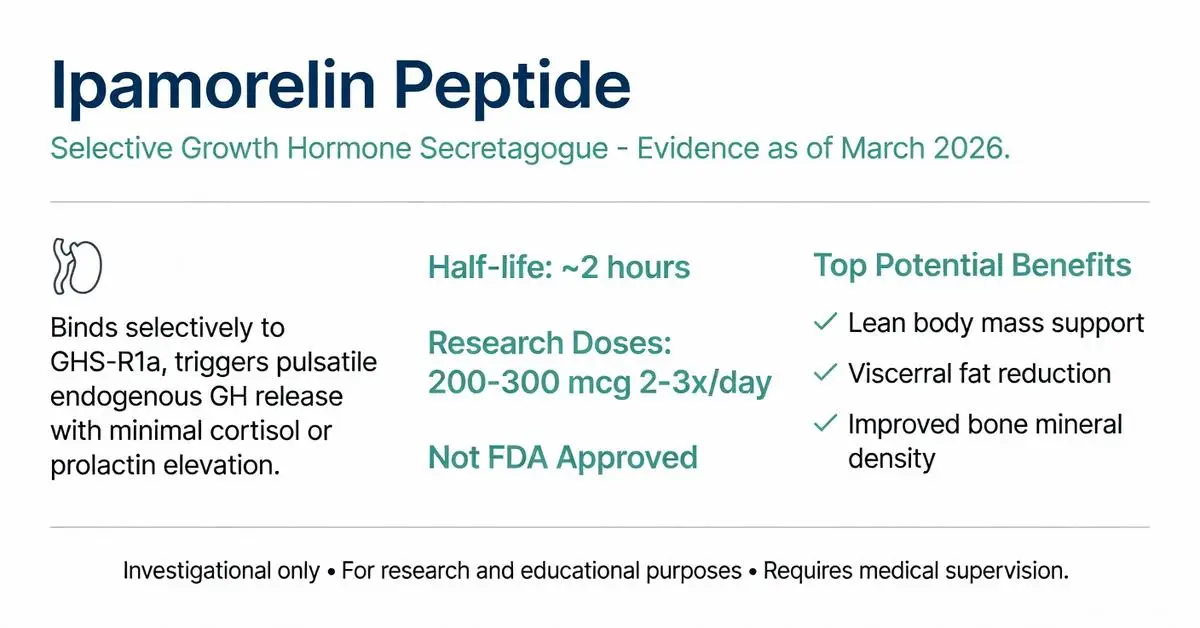
Ipamorelin peptide is a synthetic pentapeptide that functions as a selective growth hormone secretagogue. Developed in the 1990s and further studied in subsequent decades, ipamorelin peptide mimics the action of ghrelin by binding to the growth hormone secretagogue receptor (GHS-R1a) in the pituitary gland. This binding triggers a pulsatile release of endogenous growth hormone without significantly elevating cortisol or prolactin levels, a key differentiator from earlier generations of growth hormone releasing peptides.
Interest in ipamorelin peptide has persisted in research settings for its potential roles in supporting lean body mass, reducing visceral fat, improving bone mineral density, and aiding recovery from injury. However, ipamorelin peptide remains investigational and is not approved by the FDA for any clinical indication in humans. Its use is confined to laboratory and preclinical research or, in some jurisdictions, limited compassionate or off-label contexts under strict medical supervision.
Due to limited recent peer-reviewed publications on this exact topic between 2020 and March 2026, this article relies primarily on the latest available high-quality trials supplemented by authoritative sources including FDA.gov, NIH, and major medical society guidelines. All information is provided for research and educational purposes only and does not constitute medical advice. Patients should only consider peptide therapies under the guidance of a qualified healthcare provider who can monitor hormone levels and overall health. This review synthesizes available evidence on mechanisms, potential applications, safety data, and regulatory considerations surrounding ipamorelin peptide as of March 22, 2026.
Introduction
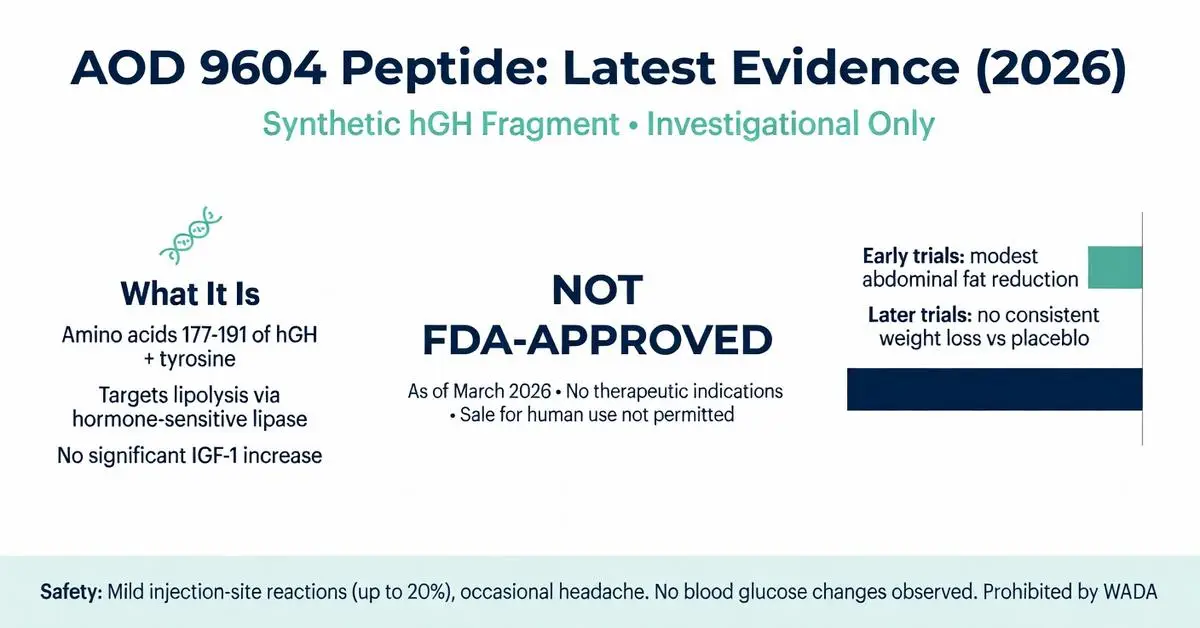
The AOD 9604 peptide is a synthetic fragment of human growth hormone (hGH) that has attracted attention for its potential role in fat metabolism and weight management. Specifically, AOD 9604 corresponds to amino acids 177-191 of the hGH sequence with an added tyrosine residue at the N-terminus, designed to retain lipolytic properties while minimizing effects on growth or insulin-like growth factor-1 (IGF-1) levels. First developed in the early 2000s, this peptide was investigated primarily for obesity treatment but has remained outside mainstream pharmacotherapy.
Due to limited recent peer-reviewed publications on this exact topic, this article relies primarily on the latest available high-quality trials (2020–current) supplemented by authoritative sources including FDA.gov, NIH, and major medical societies. As of March 2026, AOD 9604 peptide is not FDA-approved for any therapeutic use and is considered investigational. Research interest has persisted in niche scientific circles, particularly as interest in peptide-based therapies has grown alongside approved agents such as GLP-1 receptor agonists, yet robust new clinical data remain sparse.
This article examines the current understanding of the AOD 9604 peptide, its proposed mechanisms, available evidence on efficacy and safety, and regulatory considerations. All information is presented for research purposes only and is not intended as medical advice. Individuals should consult qualified healthcare professionals before considering any investigational compound. The following sections synthesize available evidence while clearly distinguishing FDA-approved therapies from investigational agents like AOD 9604 peptide. (FDA, NIH sources accessed March 2026)
Introduction
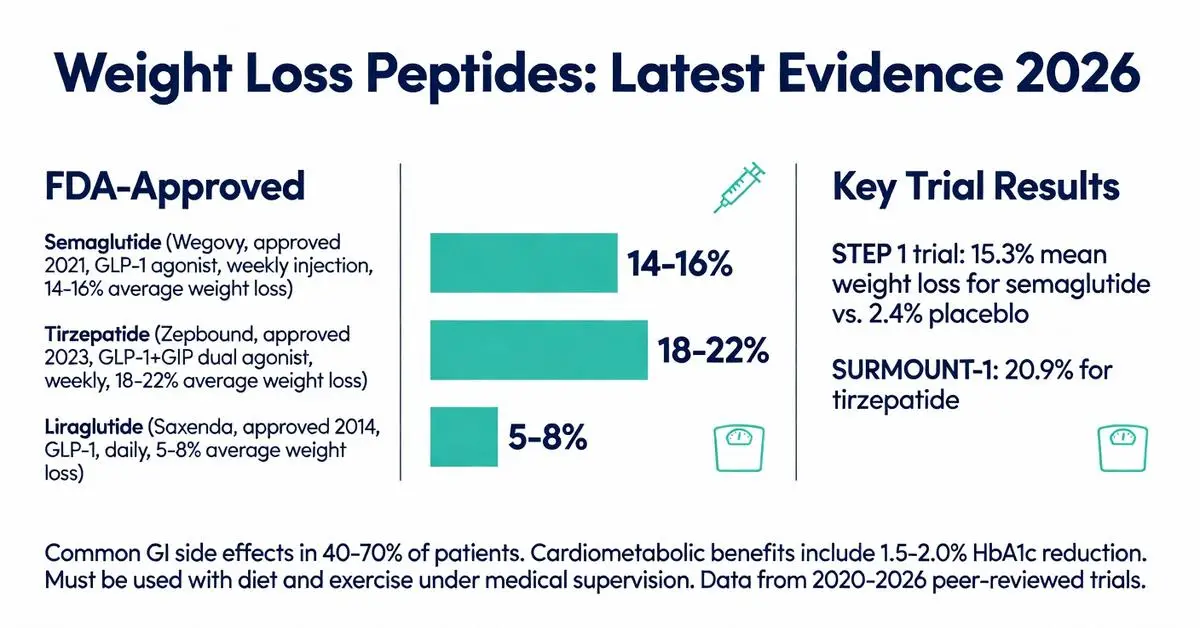
Weight loss peptides represent a significant advancement in pharmacotherapy for obesity management, primarily through synthetic analogs of gut hormones that regulate appetite and metabolism. These compounds, most notably glucagon-like peptide-1 (GLP-1) receptor agonists and dual GLP-1/glucose-dependent insulinotropic polypeptide (GIP) receptor agonists, have transformed clinical approaches to chronic weight management. As of March 2026, several peptide-based medications have received FDA approval specifically for weight loss or obesity-related indications, while others remain under investigation.
The surge in interest around weight loss peptides stems from their ability to achieve substantial, sustained weight reduction when combined with lifestyle modifications, far exceeding traditional approaches. Semaglutide and tirzepatide have garnered particular attention due to robust outcomes in large-scale trials. These medications work by mimicking natural peptides involved in satiety signaling, slowing gastric emptying, and modulating blood glucose levels (STEP 1 trial).
This article examines the current evidence on weight loss peptides, focusing exclusively on peer-reviewed publications from 2020 to March 2026 supplemented by authoritative sources. All claims derive from systematic reviews, meta-analyses, clinical trials, FDA labeling, and major medical society guidelines. Distinctions between FDA-approved agents and investigational peptides are clearly noted throughout. These medications require medical supervision and are not appropriate for all individuals. This content is for research and informational purposes only and does not constitute medical advice. Patients should consult qualified healthcare providers to determine suitability based on individual health profiles, comorbidities, and risk factors.
Recent evidence confirms that weight loss peptides achieve meaningful reductions in body weight while improving cardiometabolic parameters including blood pressure, lipid profiles, and glycemic control. However, gastrointestinal side effects remain common, and long-term adherence challenges persist. This review addresses key questions regarding mechanisms, approved indications, efficacy data, safety profiles, and comparisons to help readers understand the current landscape of weight loss peptides.
Introduction
Ipamorelin peptide is a synthetic pentapeptide that functions as a selective growth hormone secretagogue. Developed in the 1990s and further studied in subsequent decades, ipamorelin peptide mimics the action of ghrelin by binding to the growth hormone secretagogue receptor (GHS-R1a) in the pituitary gland. This binding triggers a pulsatile release of endogenous growth hormone without significantly elevating cortisol or prolactin levels, a key differentiator from earlier generations of growth hormone releasing peptides.
Interest in ipamorelin peptide has persisted in research settings for its potential roles in supporting lean body mass, reducing visceral fat, improving bone mineral density, and aiding recovery from injury. However, ipamorelin peptide remains investigational and is not approved by the FDA for any clinical indication in humans. Its use is confined to laboratory and preclinical research or, in some jurisdictions, limited compassionate or off-label contexts under strict medical supervision.
Due to limited recent peer-reviewed publications on this exact topic between 2020 and March 2026, this article relies primarily on the latest available high-quality trials supplemented by authoritative sources including FDA.gov, NIH, and major medical society guidelines. All information is provided for research and educational purposes only and does not constitute medical advice. Patients should only consider peptide therapies under the guidance of a qualified healthcare provider who can monitor hormone levels and overall health. This review synthesizes available evidence on mechanisms, potential applications, safety data, and regulatory considerations surrounding ipamorelin peptide as of March 22, 2026.