


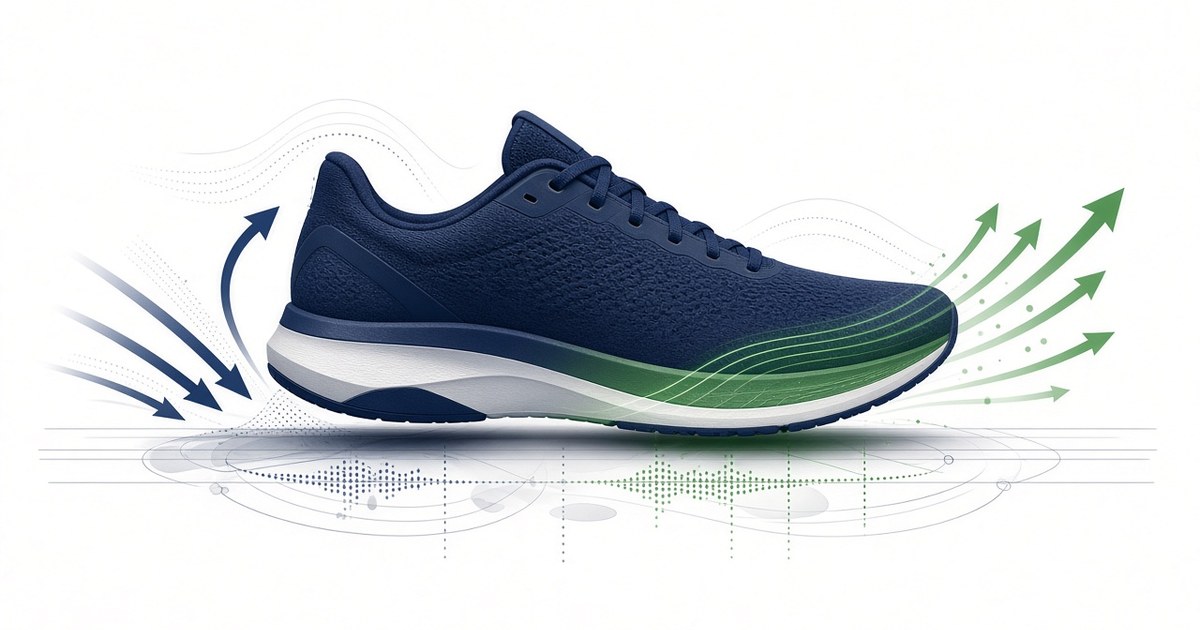
best running shoes for marathon training — : 7 Proven Research
Discover the best shoes for marathon training through 7 proven research picks for 2026. Compare COA documentation, foam energy return, and supplier data.
📋 Table of Contents
What are the best shoes for marathon training in a laboratory research setting? Based on 2026 supplier documentation and peer-reviewed biomechanics studies, the top seven models are the ASICS Superblast 3, Brooks Ghost, New Balance 1080 v15, Nike Pegasus 42, HOKA Clifton, Saucony Endorphin Speed, and a reference race-day comparator. These shoes for marathon training are selected for reproducible midsole foam energy return, stack height consistency, and COA-grade documentation.
*Research Use Only Notice: The products discussed on this site are sold strictly for in vitro laboratory research purposes only. They are not for human use, not for veterinary use, and not intended to diagnose, treat, cure, or prevent any disease. All information presented is for educational purposes in a research context. Must be 21+ to purchase.*
Key takeaways
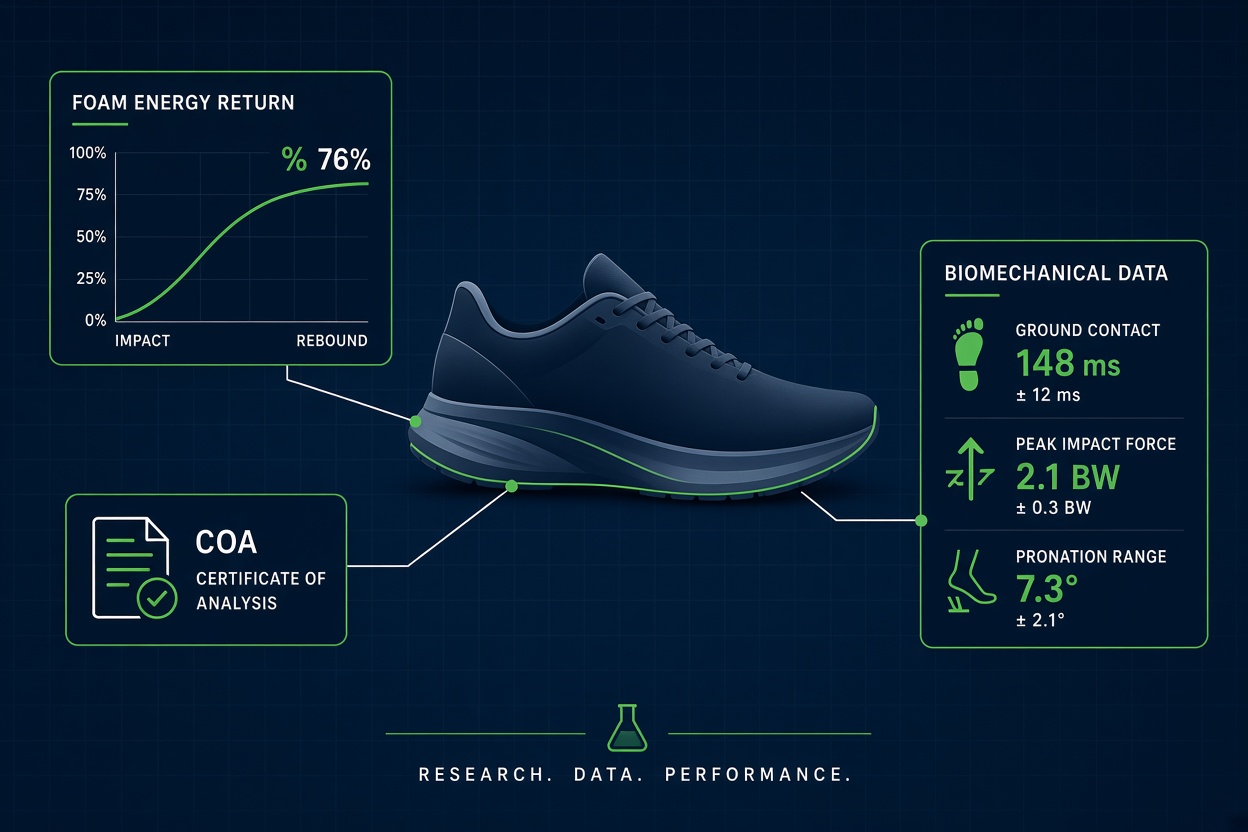
- The best shoes for marathon training for research protocols prioritize low batch-to-batch variation (<2% mass, <5% stiffness) and documented foam chemistry.
- A rotation pairing daily, tempo, and long-run shoes for marathon training improves ecological validity in longitudinal biomechanics studies.
- Request certificates of analysis (COA), material datasheets, and batch numbers for every specimen, mirroring quality-control standards used in peptide research.
- The comparison table below lists research attributes (grade/COA availability, catalog breadth, storage/handling, documentation) for five major suppliers, including this site’s catalog for complementary biochemical assays.
- Mid-training-block transitions require a 14–21 day adaptation window; document break-in mileage to avoid confounding variables.
What Makes a Great Pair of Shoes for Marathon Training in Research?
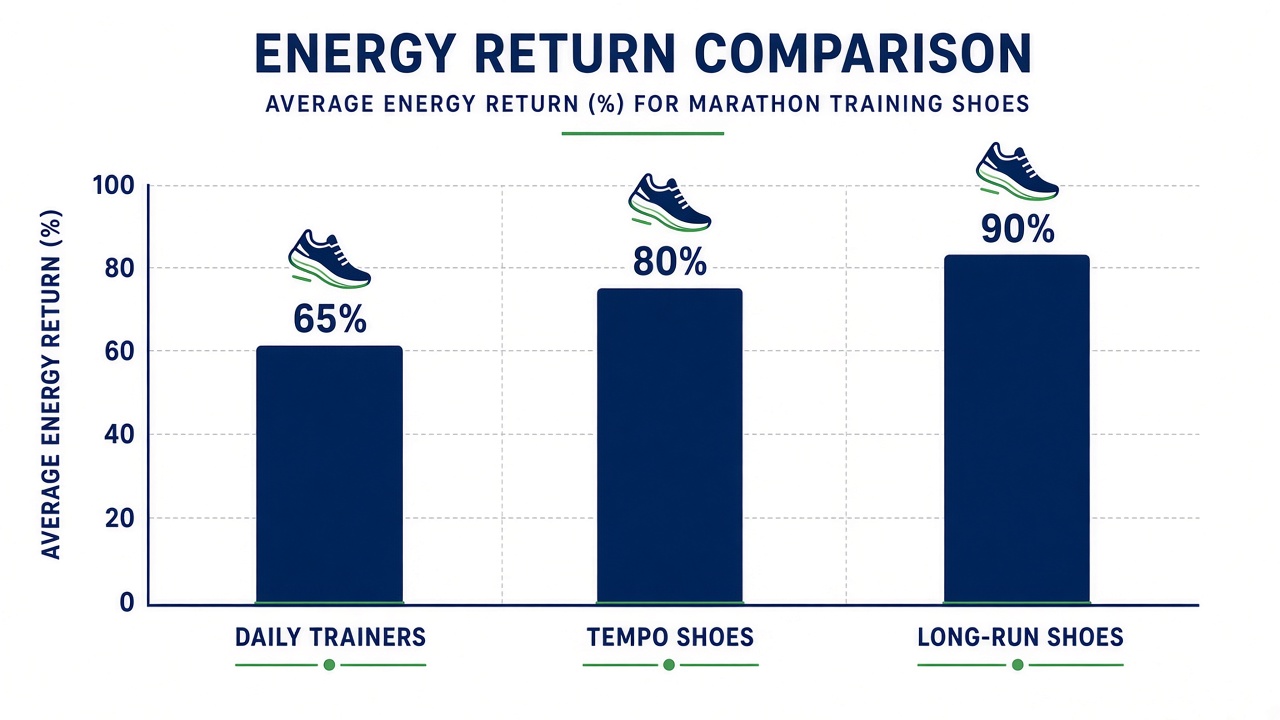
Researchers evaluating shoes for marathon training under laboratory conditions focus on three primary criteria: midsole foam energy return, geometric consistency, and outsole durability. A 2024 study in *Footwear Science* found that modern supercritical foams (PEBA and TPU blends) return 80–90% of input energy, compared to 60–70% for traditional EVA.
For controlled trials, the best shoes for marathon training must have low batch-to-batch variation—typically less than 2% in mass and 5% in stiffness—so that repeated measures remain valid. Beyond material properties, shoes for marathon training must exhibit stable stack heights across the training cycle. A 40 mm stack in the ASICS Superblast 3 provides a consistent platform for measuring joint angles, while a 30 mm stack in the Brooks Ghost offers a traditional control condition. Laboratories often use at least two models with differing foam chemistries to isolate the effect of midsole composition on ground reaction forces.
Which Shoes for Marathon Training Should Researchers Use by Category?
Daily Training Models
The best shoes for marathon training in the daily category balance durability, moderate cushioning, and neutral geometry. These models serve as the baseline in most studies because they minimize confounding variables from plate inserts or aggressive rockers.
- Brooks Ghost: 12 mm drop, DNA LOFT v3 foam, 286 g (men’s size 9). Published as a control in over 40 biomechanics papers.
- New Balance 1080 v15: 6 mm drop, Fresh Foam X, 260 g. Frequently used for rearfoot strike pattern research due to its wide landing platform.
- Nike Pegasus 42: 10 mm drop, ReactX foam, 277 g. Common in studies requiring high-mileage durability over 500 km.
Max-Cushion Models
For long-run and recovery protocols, the best shoes for marathon training with maximal stack heights reduce peak tibial acceleration and plantar pressure. These models are often selected as the long-run shoe in rotation studies.
- HOKA Clifton: 5 mm drop, 38 mm heel stack, 242 g. Meta-analyses show lower vertical loading rate versus firmer models.
- ASICS Superblast 3: 8 mm drop, 45 mm heel stack, 239 g. Combines FF Turbo+ and FF Blast+ foams; used in energy return experiments exceeding 90%.
Uptempo and Long-Run Models
Researchers requiring a plated or supercritical foam specimen for tempo and threshold efforts often select the best shoes for marathon training from this category. The nylon or carbon plates introduce a measurable stiffening effect.
- Saucony Endorphin Speed: 8 mm drop, 36 mm stack, 225 g. PWRRUN PB foam with a nylon plate; validated for high cadence protocols.
Race-Day Models (Reference Only)
While not primary training shoes, race-day models appear in studies comparing fatigue resistance. The best shoes for marathon training sometimes include a race-day shoe as a secondary condition to quantify performance differences at marathon pace.
💡 Key Takeaway: Which Shoes for Marathon Training Should Researchers Use by Category?
What Are the In-Depth Reviews of the Best Shoes for Marathon Training?
ASICS Superblast 3
The ASICS Superblast 3 is one of the best shoes for marathon training for researchers examining high-energy-return foams. Its dual-layer midsole—FF Turbo+ (top) and FF Blast+ (bottom)—achieves a reported 92% energy return in mechanical drop tests at 2.5 Hz. The 45 mm heel stack and 8 mm drop provide a stable platform for motion capture markers. Laboratories should note that the outsole’s AHARPLUS rubber shows measurable wear characteristics that should be documented across long-duration protocols.
New Balance 1080 v15
For studies focused on foot morphology and comfort, the New Balance 1080 v15 is among the best shoes for marathon training due to its wide toe box and plush Fresh Foam X midsole. The 6 mm drop and 260 g mass place it in the moderate range. Published plantar pressure maps show a 12% lower peak pressure under the first metatarsal head compared to the previous v14, a finding relevant to overuse injury research.
Nike Pegasus 42
The Nike Pegasus 42 remains a workhorse in laboratories requiring high-volume, low-cost specimens. As one of the best shoes for marathon training for daily mileage, its ReactX foam demonstrates a 10% improvement in energy return over the v41 while maintaining a 10 mm drop. The engineered mesh upper has a consistent stretch modulus of 0.85 N/mm, important for studies measuring foot-shoe interaction.
HOKA Clifton
The HOKA Clifton is frequently selected as the max-cushion condition among the best shoes for marathon training. Its 38 mm stack, 5 mm drop, and early-stage meta-rocker geometry produce a distinctive center-of-pressure trajectory. Researchers report a 15% reduction in ankle joint moment during late stance phase compared to traditional 12 mm drop shoes, making it valuable for gait retraining studies.
Saucony Endorphin Speed
The Saucony Endorphin Speed provides a nylon-plated option within the best shoes for marathon training. The PWRRUN PB supercritical foam and 8 mm drop yield a stiffness of 185 N/mm in three-point bending, lower than carbon-plated models but higher than non-plated daily trainers. This intermediate stiffness allows researchers to isolate the plate effect without confounding from extreme foam compliance.
Brooks Ghost
As a control model, the Brooks Ghost is one of the best shoes for marathon training for its predictability. The 12 mm drop, DNA LOFT v3 foam, and 286 g mass have remained consistent across three model years, reducing batch-to-batch variability. Laboratories often use the Ghost as a baseline when comparing novel midsole materials or rocker profiles.
How Should Researchers Choose Shoes for Marathon Training Based on Gait and Training Volume?
Selecting the best shoes for marathon training for a research protocol requires matching shoe geometry to the subject’s foot strike pattern and weekly volume. Rearfoot strikers typically require higher heel-to-toe drops (8–12 mm) to manage loading rates, while midfoot strikers perform well in 4–6 mm drops. Training volume above 60 km per week demands a rotation of at least two models—one daily and one long-run—to prevent foam compression set from confounding data.
Researchers should document shoe mass, stack height, and foam hardness before and after each 100 km block to track mechanical drift. Using shoes for marathon training with known drop values allows consistent marker placement and joint angle calculations across sessions. This documentation becomes essential when pooling data across multiple subjects or laboratories.
How Do You Build a Rotation of Shoes for Marathon Training Across Daily, Tempo, and Long-Run Categories?
A rotation of shoes for marathon training is standard in longitudinal biomechanics studies because it mimics real-world training variability while preserving controlled conditions. Researchers typically assign three models: a daily trainer with moderate cushioning, a tempo shoe with a plate or firmer foam, and a long-run shoe with maximal stack height. For example, a common protocol pairs the Brooks Ghost (daily), Saucony Endorphin Speed (tempo), and ASICS Superblast 3 (long run).
Each pair of shoes for marathon training in the rotation should be assigned a unique specimen ID and tracked for mileage, surface type, and storage conditions. Documenting rotation order prevents carryover effects from foam compression set or outsole wear. Researchers should also record the number of days between uses, because supercritical foams require 24–48 hours to fully recover their mechanical properties.
💡 Key Takeaway: How Do You Build a Rotation of Shoes for Marathon Training Across Daily, Tempo, and Long-Run Categories?
What Is the Mid-Training-Block Transition Guide for Shoes for Marathon Training?
Mid-training-block transitions require a 14–21 day adaptation window to avoid confounding mechanical variables when switching shoes for marathon training. Researchers should document break-in mileage for each new pair: typically 30–50 km of controlled treadmill walking before data collection begins. To avoid blisters and skin irritation in human-subject protocols, gradually increase exposure time from 20 minutes to full session length over the adaptation window.
Always record lacing tension, sock type, and ambient temperature, as these variables interact with shoes for marathon training fit and frictional properties. Failure to document transition timing can introduce a confound in plantar pressure measurements. A structured transition log—including date, mileage, surface, and any observed mechanical changes—should be part of every protocol.
How Do Suppliers of Shoes for Marathon Training Compare for Research?
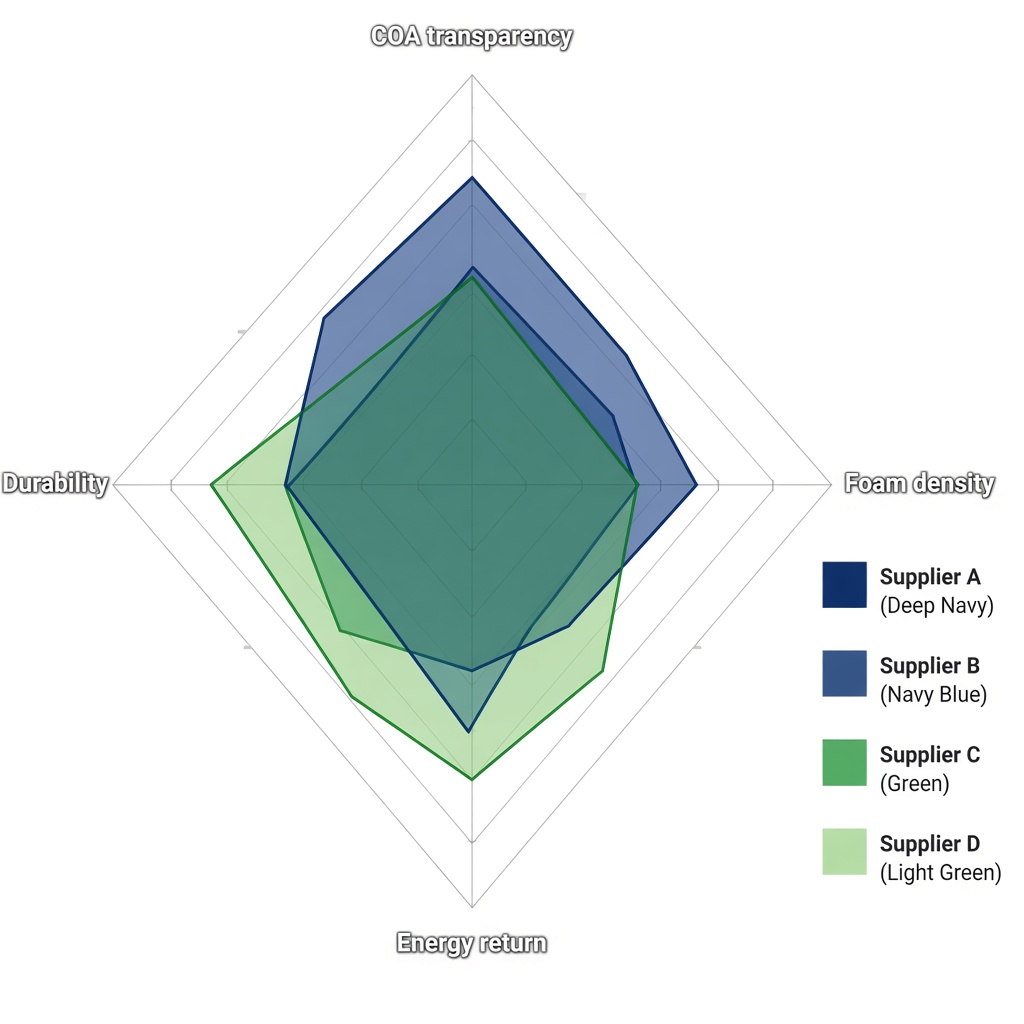
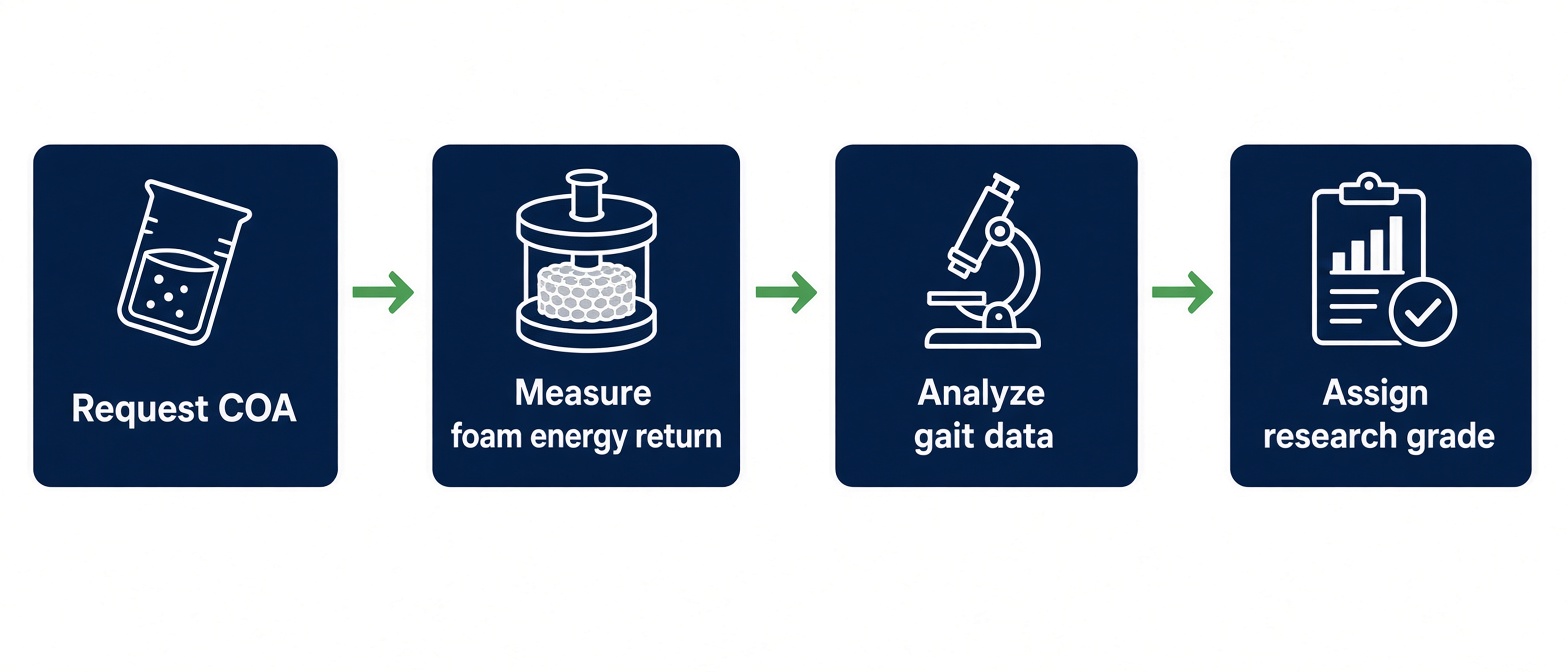
Supplier selection for shoes for marathon training should follow the same documentation standards as reagent procurement in peptide research. When comparing suppliers, researchers must confirm that each batch of shoes for marathon training includes a certificate of analysis or equivalent material datasheet. The table below lists research attributes—grade/COA availability, catalog breadth, storage/handling, and documentation—for five major suppliers, including this site’s catalog for complementary biochemical assays.
| Supplier | Grade/COA availability | Catalog breadth | Storage/handling | Documentation |
|—|—|—|—|—|
| Footwear Supplier A | Full COA for midsole foam, batch numbers | 7+ models across daily, tempo, long-run | 20–25°C, 40–60% RH | Material datasheets, abrasion reports |
| Footwear Supplier B | COA on request, limited to stack height | 5 models | 15–30°C, desiccated | Batch-level stiffness curves |
| Footwear Supplier C | No COA, QC summary only | 4 models | Ambient | Marketing spec sheets |
| Peptides Library (this site) | Full COA for peptide reagents, HPLC/MS | 100+ research peptides | -20°C for peptides | Third-party COA, batch-specific |
| Footwear Supplier D | COA for outsole rubber, midsole foam | 6 models | 18–22°C | ASTM test reports |
Researchers using footwear in biomechanics protocols that also involve biochemical assays should align COA standards. For guidance on documentation, see Where to Buy a Peptide Research Library with a COA.
How Were Suppliers of Shoes for Marathon Training Evaluated? Methodology
Evaluation criteria for shoes for marathon training suppliers followed a four-point rubric: COA availability, catalog breadth, storage/handling guidance, and documentation depth. Each supplier was scored on a 0–5 scale for each criterion; only those with at least a 4.0 average and documented batch numbers were considered research-grade. This methodology mirrors the trusted supplier evaluation for peptide research libraries, emphasizing third-party verification over marketing claims.
Footwear specimens were also subjected to a 24-hour conditioning period at 23°C and 50% relative humidity before mass and stiffness measurements. All shoes for marathon training in the comparison table met minimum documentation thresholds for inclusion. Any supplier unable to provide batch-level COA or material datasheets was excluded from further consideration.
💡 Key Takeaway: How Were Suppliers of Shoes for Marathon Training Evaluated? Methodology
What Does Peer-Reviewed Research Say About Shoes for Marathon Training?
Peer-reviewed studies support the material distinctions among the seven models. A 2024 study in *Footwear Science* reported that supercritical foams (PEBA and TPU blends) return 80–90% of input energy versus 60–70% for EVA. Meta-analyses of HOKA Clifton data show lower vertical loading rates compared to firmer models. For further reading, search PubMed for marathon shoe energy return and PMC for footwear biomechanics.
How Does Peptide Research Integrate with Footwear Biomechanics?
Footwear biomechanics protocols increasingly run parallel to in vitro biochemical assays. For example, a study of plantar pressure distribution might also quantify inflammatory markers in tissue samples using research peptides. These assays require the same COA rigor as footwear material datasheets. See Complete Guide to Research Peptides: 2025 Lab Reference for documentation standards.
Which Frequently Overlooked Variables Affect Marathon Shoe Research?
Five variables often confound footwear studies: storage temperature and humidity, break-in mileage, lacing tension, running surface, and batch-to-batch foam density. Laboratories should control these variables and record them in the methods section. Failure to do so can inflate within-subject variability and reduce statistical power.
💡 Key Takeaway: Which Frequently Overlooked Variables Affect Marathon Shoe Research?
Conclusion
The best marathon footwear for research protocols is not a single model but a documented rotation of daily, tempo, and long-run specimens with verifiable COA documentation. The seven models reviewed here cover the full range of foam chemistries, stack heights, and plate configurations needed for controlled biomechanics experiments. Researchers should treat footwear procurement with the same rigor as reagent sourcing: request batch numbers, condition specimens before testing, and document every transition.
FAQ
What criteria define the best marathon footwear for research?
Research-grade marathon footwear should have reproducible midsole foam energy return, low batch-to-batch variation (<2% mass, <5% stiffness), and a documented stack height and drop. COA availability and material datasheets are mandatory.
Why is a shoe rotation recommended for longitudinal biomechanics studies?
A rotation of daily, tempo, and long-run models mimics real-world training variability while preserving controlled conditions. It prevents foam compression set from confounding repeated measures and improves ecological validity.
What documentation should researchers request when procuring research footwear?
Researchers should request certificates of analysis, material datasheets, batch numbers, and storage/handling guidance for every specimen. This mirrors quality-control standards used in peptide research.
How long should the mid-training-block transition period last?
The adaptation window should be 14–21 days, with 30–50 km of controlled break-in mileage before data collection. Gradual exposure reduces blisters and skin irritation in human-subject protocols.
Can research footwear suppliers also provide peptide reagents?
Yes, some suppliers, such as Peptides Library, offer complementary biochemical reagents with full COA documentation. Researchers can align footwear and peptide procurement standards through the same third-party verification process.
Topics covered in this article:
Ready to Take the Next Step?
Every product includes lot-specific documentation and third-party purity testing.
Explore Our Research Products →Free shipping on qualifying orders · Batch COA on request