


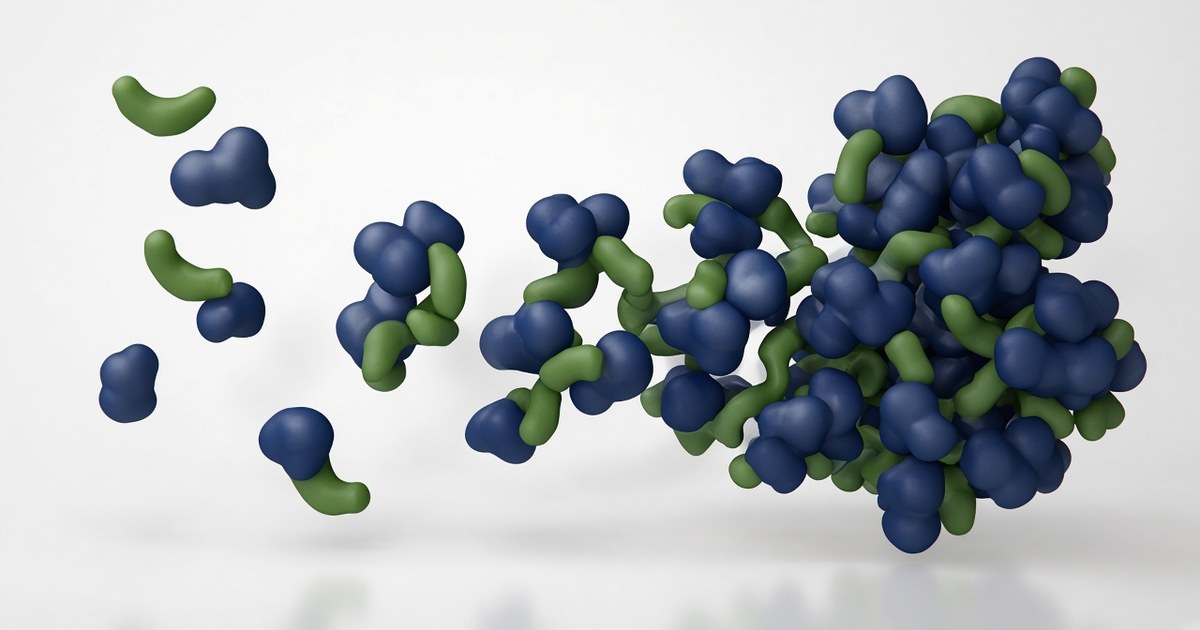
How Peptide Aggregation Alters Stability and Activity
Peptide aggregation alters stability and activity by reducing soluble monomer and changing conformation. Explore proven formulation strategies.
📋 Table of Contents
peptide aggregation alters stability and activity by shifting individual peptide molecules from their intended soluble monomeric state into self-associated dimers, oligomers, fibrils, or insoluble particles. This reduces the effective free peptide concentration, changes conformation, lowers receptor binding, and increases immunogenicity risk. For research laboratories, peptide aggregation is a primary reason why a sequence can appear inactive or inconsistent across assays even when chemical purity remains high.
Key takeaways
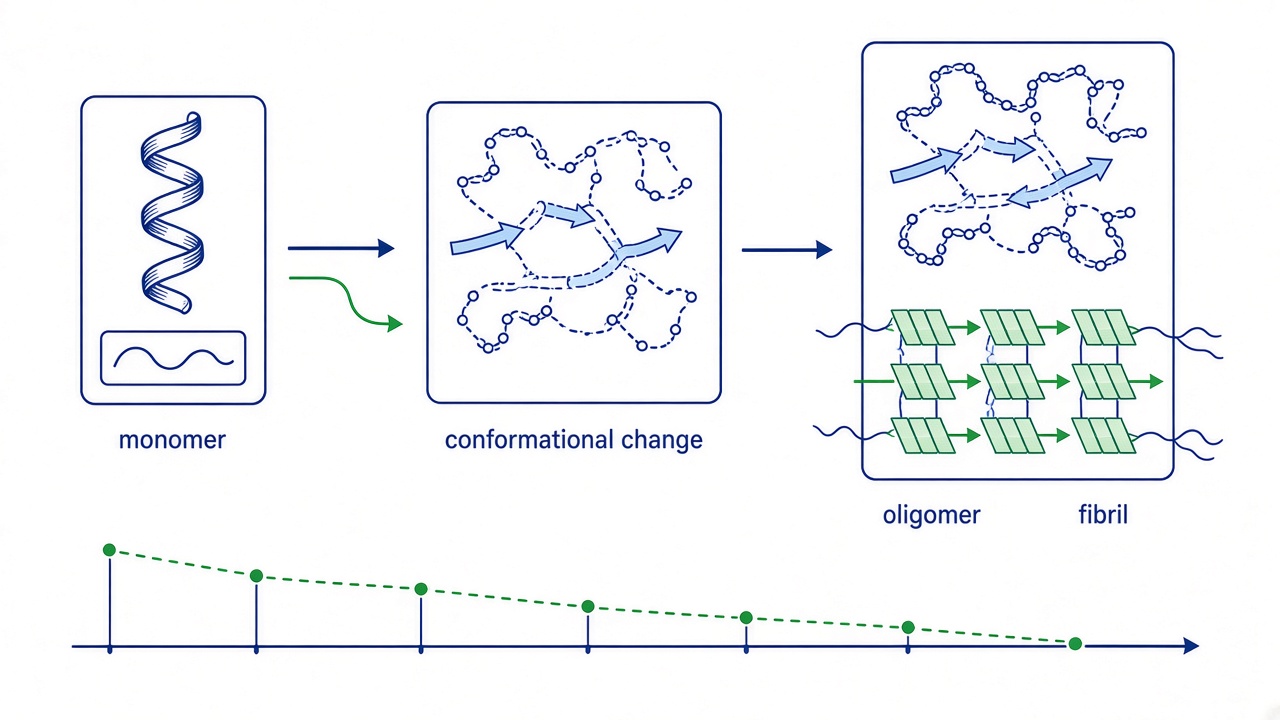
- peptide aggregation refers to self-association into dimers, oligomers, larger particles, fibrils, or insoluble material; assemblies may be reversible or irreversible.
- Aggregation reduces physical stability by causing haze, precipitation, surface adsorption, and mixed populations of soluble and insoluble species.
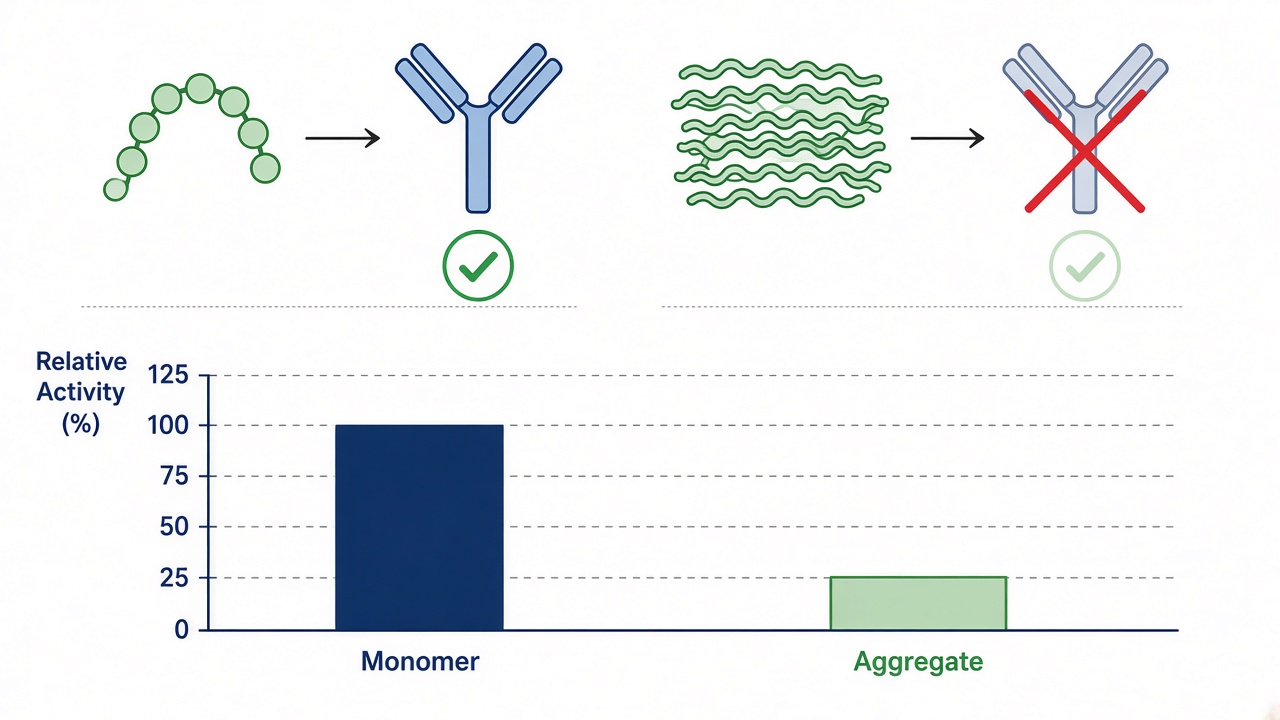
- Biological activity drops because aggregated peptides mask receptor-binding regions, adopt altered conformations, and lower free monomer concentration.
- FDA guidance links peptide aggregation and peptide-related impurities to product quality and immunogenicity risk, even for short peptides under eight amino acids.
- Formulation pH, ionic strength, temperature stress, agitation, freeze-thaw, concentration, impurities, and container surfaces are key triggers that labs can control.
What is peptide aggregation and how does it shift molecular state?
peptide aggregation is self-association, where individual peptide molecules interact through hydrophobic, electrostatic, or hydrogen-bonding forces and assemble into dimers, oligomers, larger particles, fibrils, or insoluble material. Those assemblies may be reversible or irreversible, and they may be microscopic and difficult to detect without proper analytical tools. Reviews of peptide therapeutics describe aggregation as a direct cause of reduced physical stability and altered biological behavior. Regulatory guidance links aggregation propensity and peptide-related impurities to changes in product quality and immunogenicity risk.
A useful model is to view peptide aggregation as a shift away from the intended molecular state: if a peptide is designed to act as a soluble monomer, every step toward a clustered or misfolded state changes what the peptide does, where it goes, and how a research system responds.
| Aggregation-related change | What happens at the molecular level | Likely practical effect |
|—|—|—|
| Self-association | Monomers interact through hydrophobic, electrostatic, or hydrogen-bonding forces | Lower effective free peptide concentration |
| Conformational change | Aggregated species adopt different shapes than the intended form | Reduced receptor binding or altered activity |
| Solubility loss | Larger assemblies become less soluble | Haze, precipitation, adsorption to surfaces |
| Heterogeneous particle formation | A mixture of monomers, oligomers, and particles appears | Harder quality control and variable dosing |
| Immune recognition risk | Aggregates and impurities may be seen differently by the immune system | Higher immunogenicity concern |
How does peptide aggregation change physical stability?
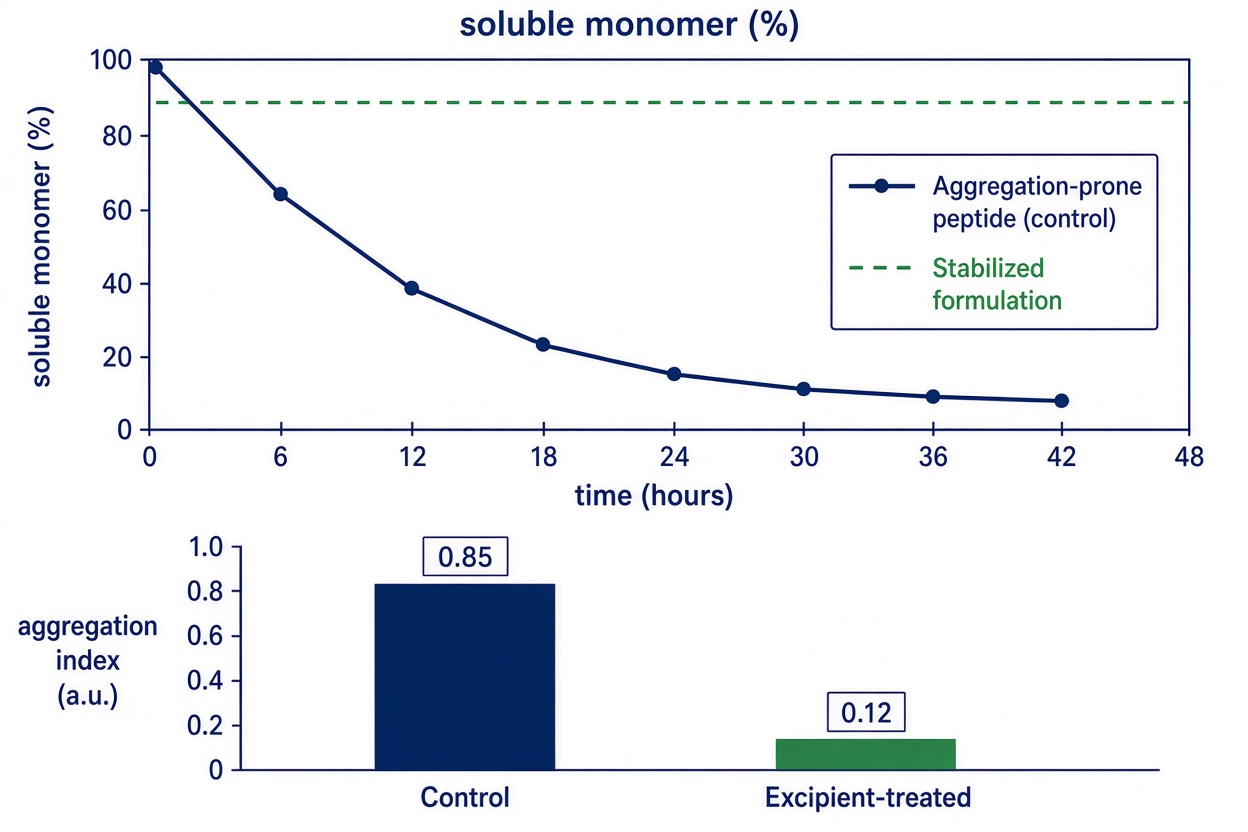
Physical stability is often described in simple terms: does the peptide remain dissolved, intact, and consistent over time? peptide aggregation disrupts each part of that picture. As peptides aggregate, they can move out of solution or form mixed populations of soluble and insoluble species. A sample that looked uniform on day one can become a blend of monomer, small aggregates, and larger particles after storage, agitation, or repeated temperature shifts. Even if the peptide’s primary sequence remains chemically unchanged, its usable form may no longer be the same.
Conformation is part of the story as well. Many peptides are flexible molecules, and that flexibility helps them interact with membranes, enzymes, or receptors. peptide aggregation can stabilize alternative conformations that were not intended in the design or formulation stage. Once that happens, the peptide may show different solubility, different exposure of key residues, and different behavior in bioassays.
Stress conditions often accelerate the problem. Heat, pH drift, interfacial exposure, freeze-thaw cycles, and high concentration can all raise aggregation propensity. FDA guidance for synthetic peptide products has emphasized that development changes should not increase the tendency to form aggregates, especially under stress conditions. See FDA guidance for synthetic peptide products for the current regulatory view.
💡 Key Takeaway: How does peptide aggregation change physical stability?
Why does peptide aggregation reduce biological activity?
A peptide does not need to degrade chemically to lose activity. It only needs to become unavailable in the right form. If receptor binding requires a monomeric structure, peptide aggregation can sharply reduce apparent potency by lowering the fraction of peptide in the active monomeric state. Some molecules are tied up in clusters. Others present the wrong conformation. Still others adsorb to container walls or precipitate, lowering the delivered amount. In practice, this can look like weak assay performance, inconsistent response curves, or poor reproducibility between lots and timepoints.
This effect is especially important in research workflows, where investigators may assume a sequence is inactive when the actual problem is physical state. peptide aggregation during reconstitution, dilution, or incubation can produce misleading data long before anyone suspects formulation failure. For a broader overview of peptide handling in research, see the Complete Guide to Research Peptides: 2025 Lab Reference.
Common ways activity drops include:
- Lower free monomer concentration
- Masking of receptor-binding regions
- Altered conformation in solution
- Reduced diffusion and target access
- Surface loss during handling
Some aggregates may also create new biological behavior rather than simple inactivity. That can mean off-target interactions, membrane disruption, or cell stress signals that are unrelated to the intended mechanism. So the risk is not just weaker activity, but changed activity.
Why does peptide aggregation matter for immunogenicity risk?
This is where the topic moves from quality control to safety assessment. FDA materials on peptide products make clear that immunogenicity risk should generally be assessed, and that aggregates and peptide-related impurities are part of that risk picture. For very short peptides, the immune concern may be lower in many cases, yet FDA has noted that even peptides under eight amino acids are not automatically free of concern if aggregates or impurities are present. That distinction is important: a neat sequence on paper is not the whole product. What matters is the real formulation, the real impurity profile, and the real aggregate population generated during manufacturing, storage, transport, and use.
See PubMed search for peptide aggregation for peer-reviewed studies on this topic.
When antidrug antibodies develop, the consequences can extend well beyond a lab measurement. Regulatory assessment looks at effects on:
- PK: changes in exposure, clearance, or bioavailability
- PD: weaker or distorted pharmacologic response
- Efficacy: loss of intended clinical effect
- Safety: hypersensitivity, immune activation, or other adverse outcomes
Recent FDA safety communications have continued to flag certain compounded peptides for immunogenicity concerns tied to peptide aggregation and peptide-related impurities. That signals a practical point: peptide aggregation is not only a theoretical formulation problem discussed in journals. It still appears in active regulatory safety reviews.
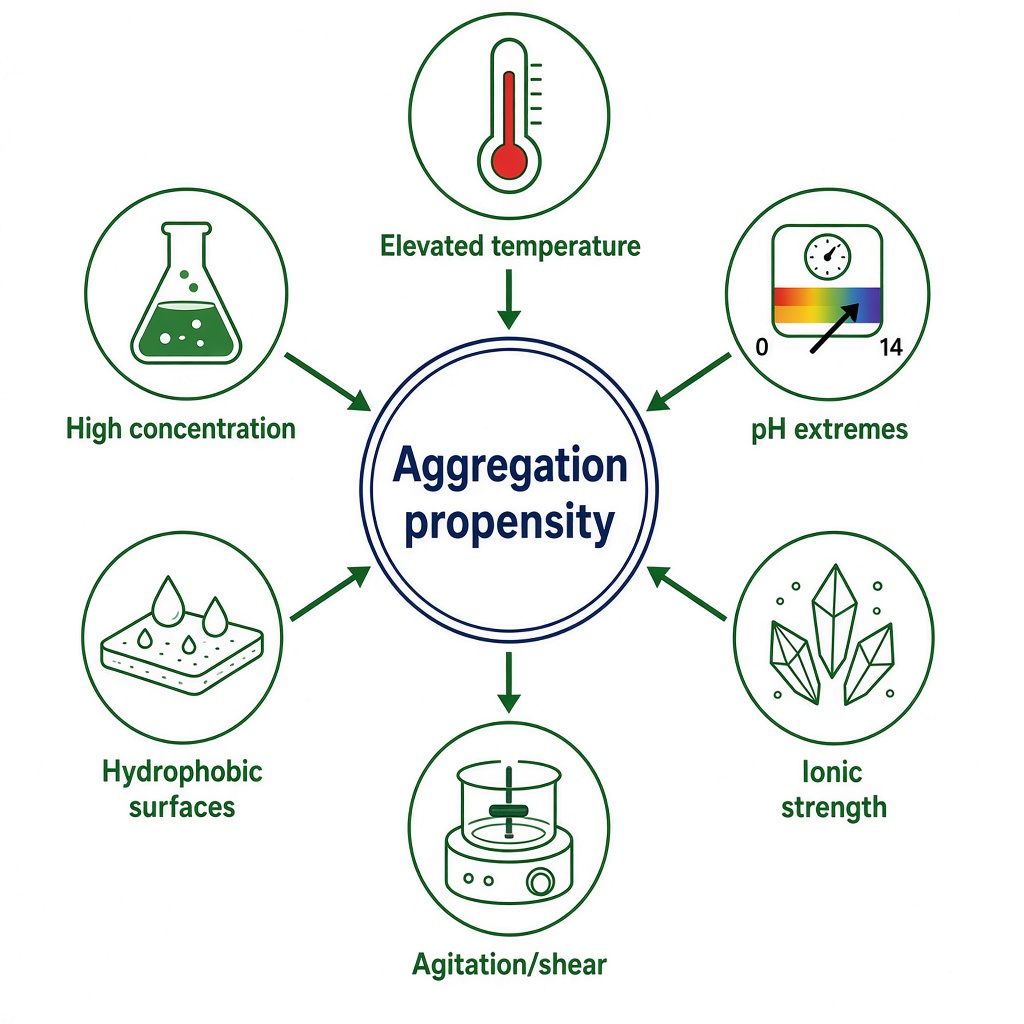
What are the common triggers of peptide aggregation propensity?
peptide aggregation rarely comes from one cause alone. More often, several small stresses push a peptide across a threshold. Sequence-level features matter: hydrophobic residues, charge distribution, aromatic stacking potential, and regions that favor beta-sheet formation can all increase self-association. Concentration matters too, because molecules that encounter each other more often have more chances to cluster. Formulation and handling can amplify or restrain those built-in tendencies.
Key triggers include:
- pH shifts: move the peptide closer to its isoelectric region or alter charge balance
- High ionic strength: screen electrostatic repulsion and allow closer peptide-peptide contact
- Temperature stress: increase unfolding, mobility, or kinetic access to aggregate states
- Agitation and interfaces: expose peptides to air-liquid or solid-liquid surfaces that promote nucleation
- Repeated freeze-thaw: create local concentration gradients and interfacial stress
- High concentration: raise collision frequency and self-association probability
- Impurities: seed aggregation or alter physicochemical behavior
Each of these triggers can raise peptide aggregation propensity in a sequence-dependent way. Container choice can matter more than many teams expect. Peptides may adsorb to glass, plastics, filters, tubing, or syringe components. Once surface interactions begin, nucleation of larger assemblies can follow. That is one reason why a peptide may behave acceptably in one workflow and poorly in another, even when the nominal formulation looks identical.
💡 Key Takeaway: What are the common triggers of peptide aggregation propensity?
How can formulation strategies reduce peptide aggregation?
There is no universal anti-aggregation recipe, because the forces behind peptide aggregation differ from one peptide to another. Still, good formulation practice follows a clear logic: preserve the desired conformation, maintain solubility, reduce harmful interfaces, and limit process stress.
pH selection is often the first major lever. A formulation can sometimes be tuned to a range where the peptide remains charged enough to resist self-association while still staying chemically stable. Buffer identity, ionic strength, and concentration also matter, since they shape electrostatic interactions and local microenvironments around the peptide.
Excipients are chosen with similar care. Some help stabilize conformation, some reduce surface adsorption, and some improve reconstitution or storage behavior. In other cases, lyophilization is preferred to long-term aqueous storage, because dry-state storage can slow many aggregation pathways. For example, lyophilization can reduce peptide aggregation by removing water and limiting molecular mobility. Always confirm that the chosen formulation is appropriate for the specific peptide and the intended in vitro research use.
A practical formulation checklist includes:
- Select pH away from the peptide’s isoelectric point, where possible
- Use a buffer with adequate ionic strength to reduce surface interactions
- Add a stabilizing excipient if the peptide has exposed hydrophobic patches
- Avoid unnecessary agitation during reconstitution and dilution
- Prefer single-use aliquots to limit freeze-thaw cycles
- Document the formulation, storage temperature, and lot number for every experiment
How should research labs detect and monitor peptide aggregation?
Visual inspection is the first screen, but it is not enough. Many peptide aggregates are subvisible or soluble and will not produce haze or particles visible to the naked eye. Labs should combine orthogonal methods to catch aggregation early and to distinguish reversible oligomers from irreversible fibrils or precipitates.
Common detection approaches include dynamic light scattering (DLS) for size distribution, size-exclusion chromatography (SEC) for soluble aggregate content, and thioflavin T fluorescence for amyloid-like fibril formation. Turbidity measurements can track larger particle formation, while circular dichroism can report conformational changes that often precede aggregation. For research-use-only workflows, the goal is not regulatory release testing but consistent lot-to-lot comparison and early troubleshooting.
Which analytical methods best characterize peptide aggregation?
The table below summarizes methods that are widely used in peptide research laboratories.
| Method | What it detects | Key limitation |
|—|—|—|
| Dynamic light scattering (DLS) | Hydrodynamic size distribution of particles and aggregates | Poor resolution of closely sized species; sensitive to dust |
| Size-exclusion chromatography (SEC) | Soluble monomer, dimer, and oligomer content | May disturb weak aggregates; column adsorption possible |
| Thioflavin T fluorescence | Beta-sheet-rich amyloid-like fibrils | Does not detect amorphous aggregates well |
| Turbidity or optical density | Larger insoluble particles and precipitation | Not sensitive to soluble oligomers |
| Circular dichroism (CD) | Secondary structure and conformational shifts | Requires careful buffer subtraction; low throughput |
No single method is sufficient. A practical QC panel for peptide aggregation typically includes SEC plus DLS, with visual inspection and pH measurement at a minimum. Request certificates of analysis (COAs) that report HPLC purity, peptide content, residual TFA, and water content, because these measurable attributes help labs compare lots and anticipate aggregation risk. For supplier-specific quality comparisons, see Peptide Library Price and Quality Comparison for Research Labs.
💡 Key Takeaway: Which analytical methods best characterize peptide aggregation?
What storage and handling practices limit peptide aggregation?
Storage conditions directly influence aggregation kinetics. Most research peptides should be stored lyophilized at -20°C or -80°C in a dry, dark environment, then reconstituted only when needed. Avoid repeated freeze-thaw cycles by aliquoting the reconstituted solution into single-use volumes. Use low-protein-binding tubes and avoid vigorous vortexing after reconstitution. Filter only when necessary, because filters can introduce shear and surface nucleation. Record the storage temperature, reconstitution solvent, and time-to-use for every aliquot.
How do you choose a research peptide supplier to minimize peptide aggregation risk?
Supplier quality affects aggregation propensity through purity, residual impurities, and handling. Request a COA that includes HPLC purity, mass spec identity, peptide content, residual TFA, and water content. Ask whether the supplier performs aggregation-related stress testing or provides stability data under recommended storage conditions. Compare suppliers using documented quality metrics rather than price alone. For current vendor evaluations, see Best Places to Buy Research Peptides for a Lab in 2026. If your work involves cell-penetrating peptides, review Cell-Penetrating Peptides: Which Suppliers Are Trustworthy in 2026? for aggregation-relevant handling notes.
FAQ
Does peptide aggregation always mean the peptide is degraded?
No. peptide aggregation can occur without any change in primary sequence. The peptide may remain chemically intact but become physically unavailable in the intended monomeric form. Chemical degradation and physical aggregation are separate but often related stability risks.
Can a peptide under eight amino acids still pose an immunogenicity risk from aggregation?
Yes. FDA has noted that even peptides under eight amino acids are not automatically free of concern if aggregates or peptide-related impurities are present. Even short sequences can experience peptide aggregation if formulation stress is high. The real formulation and aggregate population matter more than sequence length alone.
What is the single most effective way to prevent peptide aggregation in a research lab?
There is no single universal method, but controlling pH, avoiding repeated freeze-thaw, using low-binding containers, and aliquoting single-use volumes are the most consistently effective practices. Formulation should be matched to the specific peptide’s sequence and intended assay.
How can I tell if my peptide has aggregated if the solution looks clear?
Visual inspection is not sufficient. Many peptide aggregates are soluble or subvisible. Detecting peptide aggregation requires more than visual clarity, because soluble oligomers are common. Use orthogonal methods such as dynamic light scattering, size-exclusion chromatography, or thioflavin T fluorescence to detect oligomers, fibrils, or conformational changes that do not cause visible haze.
Are these aggregation considerations relevant only for therapeutic peptides?
No. peptide aggregation affects any research workflow that uses peptides, including binding assays, cell-based experiments, and structural studies. Even in vitro research can produce misleading data if the peptide is aggregated or adsorbed to surfaces.
*All statements in this article are for laboratory research use only. Nothing here is intended for human or animal therapeutic application.*
Ready to Take the Next Step?
Every product includes lot-specific documentation and third-party purity testing.
Explore Our Research Products →Free shipping on qualifying orders · Batch COA on request