


Peptides Library Peptide Science Research Guide Hub
Peptides library research guide: 7 essential formats, 130+ FDA RLD peptides, 17 revised 2026 guidances. Independent peptide science evidence hub.
📋 Table of Contents
peptides library is an independent, evidence-based peptide science hub that answers a direct question: how can researchers, clinicians, students, and informed consumers evaluate peptide biology, safety, and regulatory status without retailer-driven bias? It consolidates research articles, protocol references, evidence reviews, practical calculators, and brand or product reviews into one citation-focused framework, so you can assess peptide topics faster and with clearer context.
Key takeaways
- peptides library organizes citation-driven research articles, how-to guides, evidence reviews, free calculators, and independent brand reviews.
- More than 130 FDA-approved peptide drug products are designated as reference listed drugs, and peptides represented about 8% of FDA-approved drugs over the past decade.
- FDA published 17 revised draft product-specific guidances for peptide products in July 2026, highlighting higher-order structure, impurities, and immunogenicity concerns.
- The hub maintains an independent, non-retailer editorial stance to clarify evidence, uncertainty, and methodology instead of supporting a sale.
- peptides library serves researchers, healthcare professionals, students, and informed consumers who need structured peptide science.
What Is a Peptides Library and Why Does It Matter for Research?
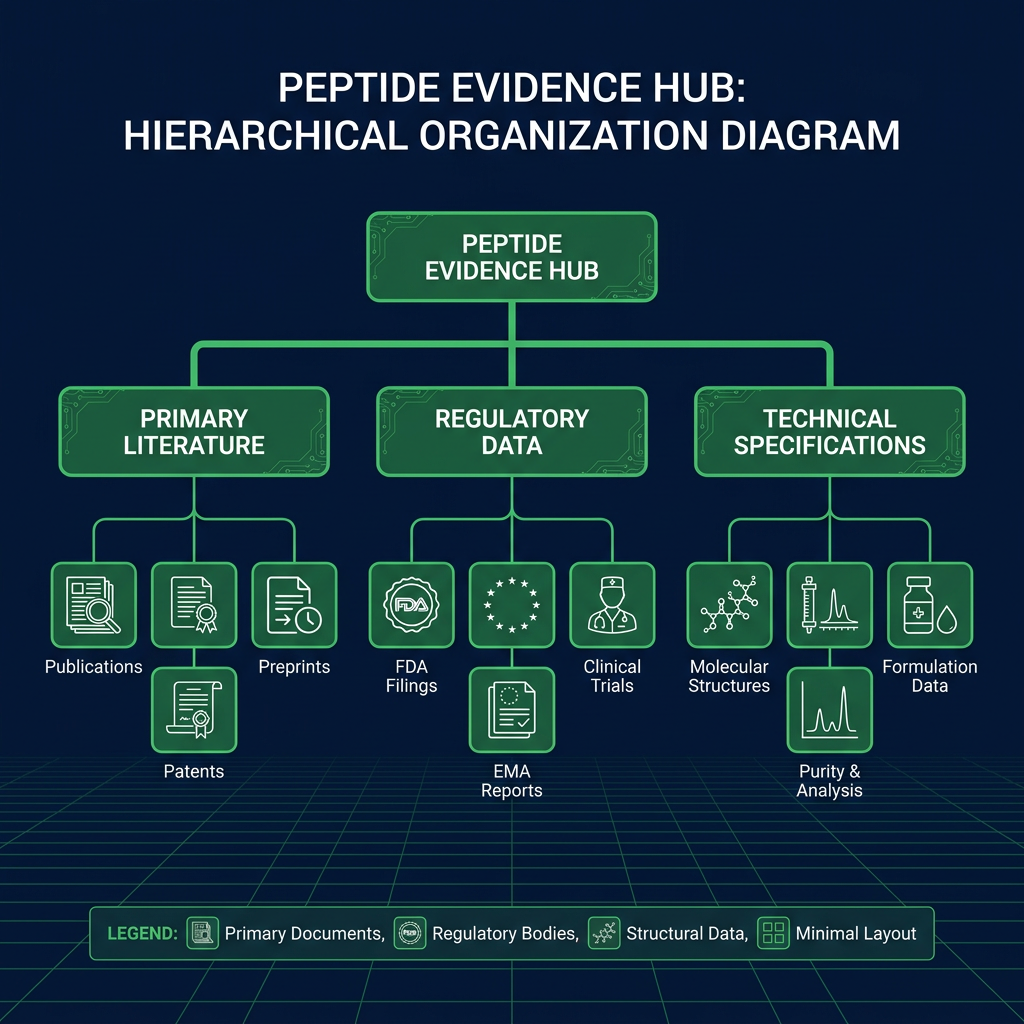
A peptides library in this context is not a physical collection of vials or a vendor catalog. It is a structured editorial knowledge hub that curates peptide science across multiple content formats. The hub treats peptide topics as both research subjects and regulatory categories, which makes the coverage more useful when a question spans mechanism, safety, methodology, and product evaluation. peptides library brings literature summaries, protocol references, and free calculators into one independent framework.
The field is large and active. FDA workshop materials note that more than 130 FDA-approved peptide drug products are designated as reference listed drugs, and recent review literature reported that peptides represented about 8% of FDA-approved drugs over the past decade. This scale means a single peptide question often crosses biology, formulation, immunogenicity, and regulatory equivalence. peptides library helps you connect those moving parts faster instead of piecing together raw literature, agency language, and product claims on your own. For primary literature, consult PubMed and NIH indexed resources.
Unlike a retailer-led education page, this peptides library does not hide technical distinctions or safety concerns to close a sale. It keeps methodology and uncertainty visible, which matters for anyone comparing studies, protocols, or commercial offerings. You can start with a foundational article, move into an evidence review, check a calculator, and compare a brand review without switching to a sales-driven source.
How Does the Peptides Library Organize Evidence for Peptide Science?
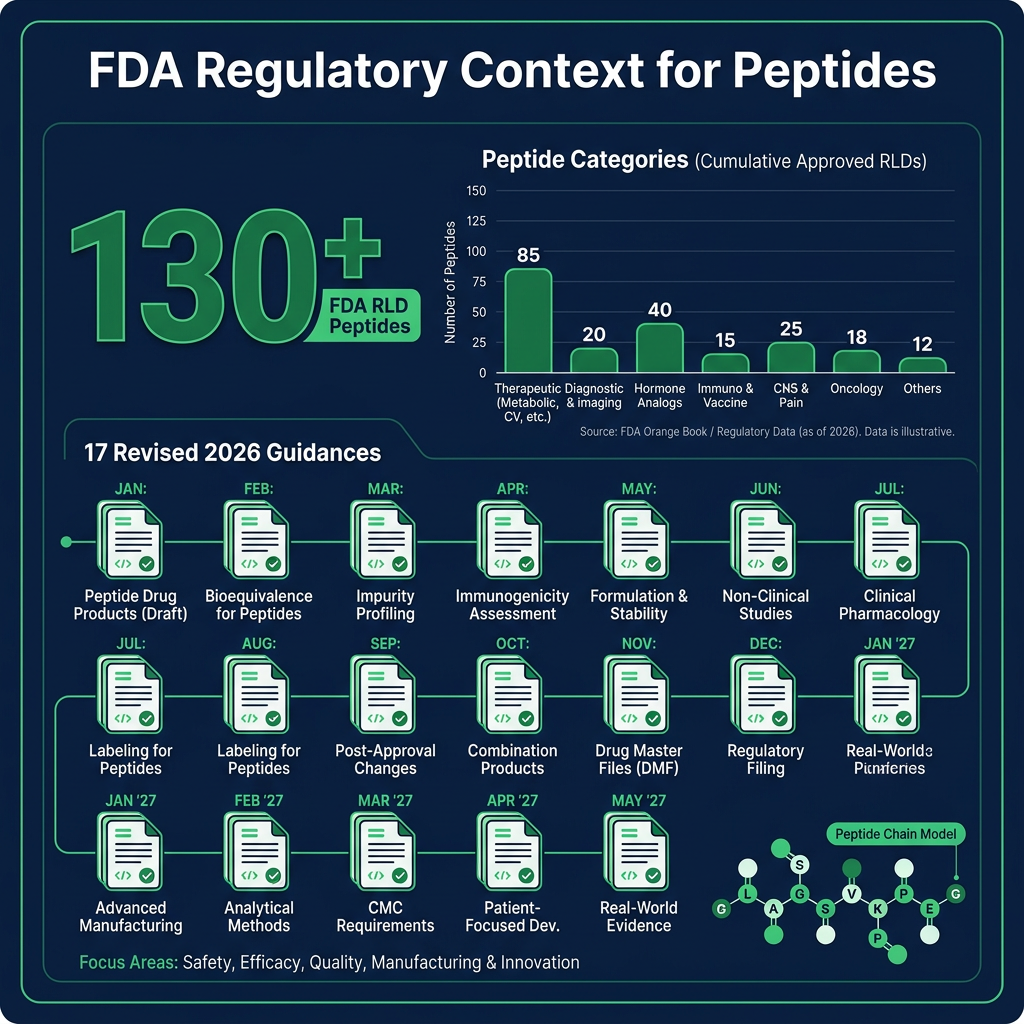
peptides library organizes content into distinct editorial formats so you can choose the depth and angle that matches your task. Research articles focus on peptide biology, mechanisms, applications, safety topics, and emerging research. How-to guides and protocol references help you interpret methods, understand common workflows, and frame research questions more efficiently. Evidence reviews compare findings, limitations, and relevance so you can judge a topic with more context.
The hub also includes free peptide calculators for planning, conversions, and other math-heavy steps that slow work down. Independent brand and product reviews help you examine claims, positioning, and differences between offerings with more scrutiny. This structure saves time when your work crosses multiple questions at once. peptides library brings literature summaries, practical references, and free calculators into one editorial framework, so you spend less time assembling the basics and more time judging quality and relevance.
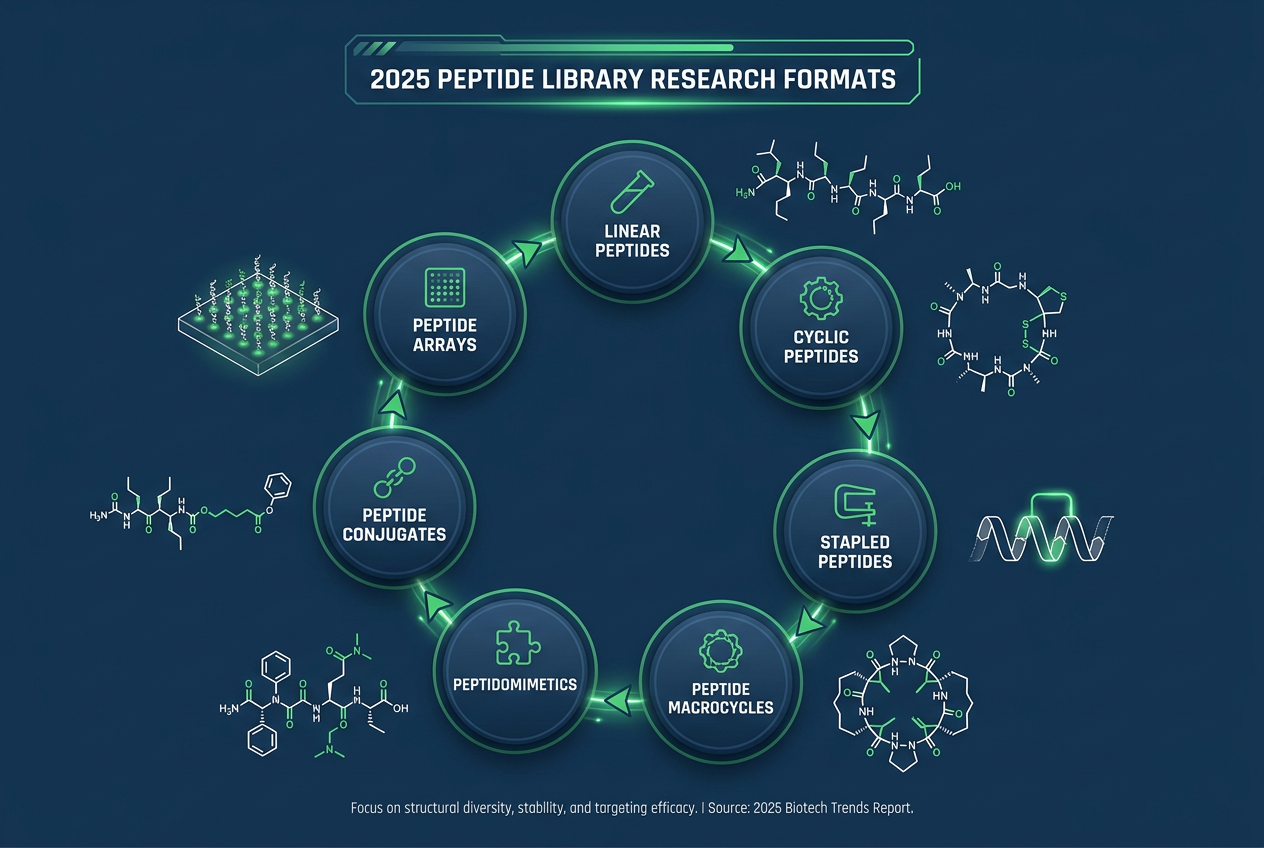
That matters whether you are checking a peptide’s background for research planning, comparing safety considerations, or trying to understand how a product claim lines up with the underlying science. peptides library is built to make those decisions clearer, faster, and less fragmented. For a detailed breakdown of available research formats, see Peptide Libraries: 7 Essential Research Formats for 2025 and Peptide Research Library: A Complete Reference Guide.
💡 Key Takeaway: How Does the Peptides Library Organize Evidence for Peptide Science?
Which Research Formats Does the Peptides Library Offer in 2025?
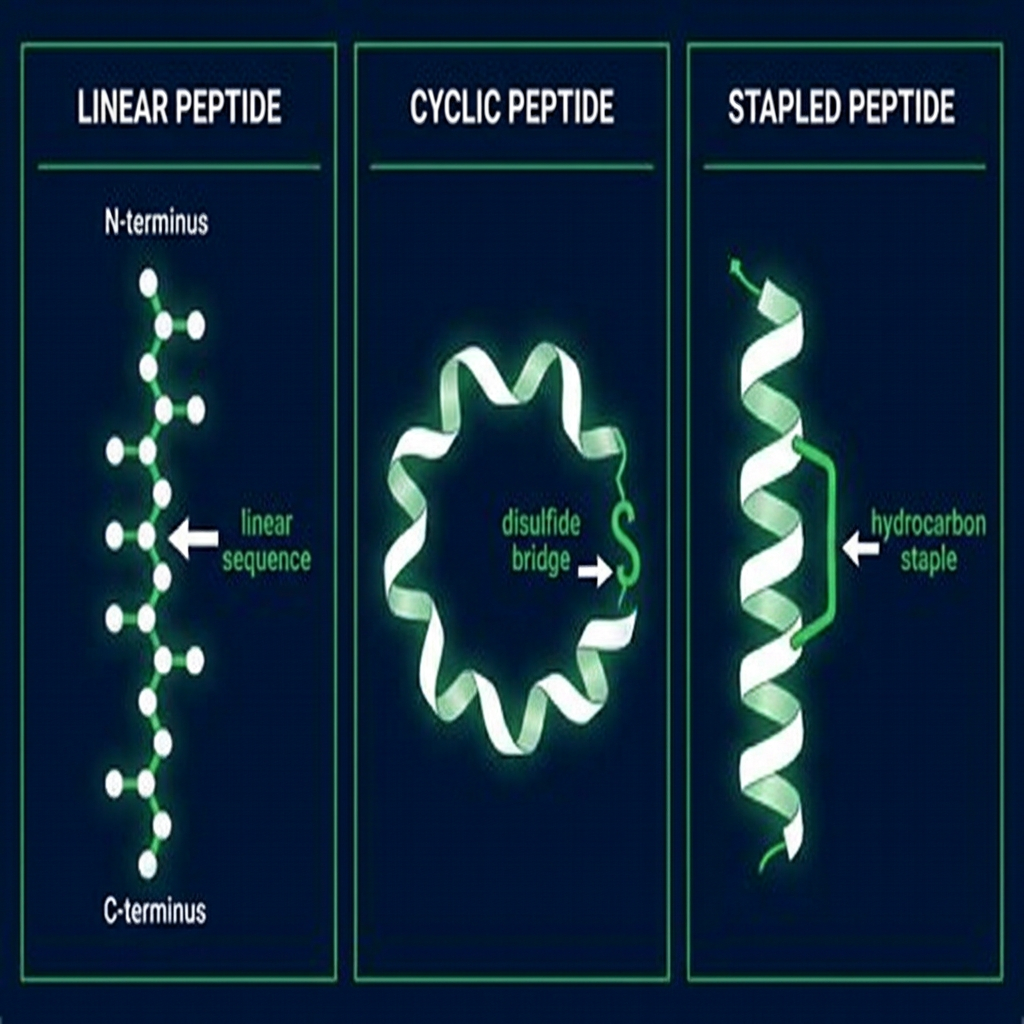
The peptides library offers five primary research formats, each designed for active use rather than passive browsing. You can select a format based on whether you need a foundational overview, a protocol interpretation, a comparative evidence summary, a calculation, or a product evaluation.
- Research articles: citation-focused coverage of peptide biology, mechanisms, applications, safety, and emerging research.
- How-to guides and protocol references: practical material to interpret methods and frame research questions.
- Evidence reviews: focused summaries comparing findings, limitations, and relevance.
- Peptide calculators: free tools for planning, conversions, and math-heavy steps.
- Brand and product reviews: independent evaluations of claims and positioning.

Each format is separated so you do not have to dig through generic explainers. peptides library publishes distinct articles, guides, reviews, calculators, and evaluations to match the task in front of you. This separation improves workflow for advanced readers who need to translate between basic summaries and technical source material, and for newer readers who need a structured foundation before deeper attention. For researchers comparing peptide topics, this peptides library hub reduces the time spent assembling basics and increases time for judging study quality.
Why Does the Peptides Library Track FDA Regulatory Context for Peptides?
Peptide science is shaped by active regulation, not just laboratory findings. peptides library includes FDA context because agency decisions directly affect how you read a paper, a regulatory statement, or a product discussion. FDA activity around generic peptide products has included 17 revised draft product-specific guidances published in July 2026, and agency research has highlighted issues such as higher-order structure, impurities, and immunogenicity. Review the FDA guidance pages for current documents.
peptides library also keeps technical distinctions visible when they affect interpretation. For example, FDA guidance has noted that an alpha amino acid polymer composed of 40 or fewer amino acids is outside the scope of the term protein. This is the kind of detail that can change how you read a study, a regulatory statement, or a product claim. The independent editorial stance means these details are surfaced rather than skipped.
Because the peptides library is not tied to a retailer, it can cover safety questions and methodology gaps that sales pages tend to skip. You can judge whether a claim is scientifically grounded, clinically relevant, or simply incomplete. For further regulatory background, review FDA’s generic drug product-specific guidances and PubMed-indexed peptide literature.

Who Benefits Most from the Peptides Library?
peptides library serves several reader groups that share a common need: reliable peptide science without hours of sorting through fragmented, biased, or overly simplified sources. Researchers get faster access to mechanism summaries, methodology context, protocol references, and evidence synthesis. Healthcare professionals receive readable background on peptide biology, safety topics, therapeutic translation, and regulatory movement.
Students gain a structured, citation-focused starting point that is easier to navigate than raw literature alone. Informed consumers get independent background, practical tools, and brand or product reviews before trusting claims in a fast-moving market. peptides library is especially useful when you already know the peptide category that interests you but need clearer evidence and better organization before going deeper.
If you are looking for an independent knowledge hub rather than a peptide retailer, this peptides library is the right kind of resource. It does not replace primary literature or regulatory review, but it organizes the evidence into formats that are easier to scan, compare, and apply.

💡 Key Takeaway: Who Benefits Most from the Peptides Library?
How Can You Use the Peptides Library to Improve Your Research Workflow?
A practical peptides library workflow starts with a foundational article or evidence review that matches your question. Then you can cross-check safety or methodology issues, understand relevant FDA framing, and move into practical calculations or protocol references without treating every question as a full literature search.
For example, if you are comparing two peptide candidates, you might start with an evidence review, then use a calculator to check a conversion or planning step, and finally read an independent brand review to examine claims. peptides library keeps these steps within one editorial framework, so you do not need to switch between a vendor site and a raw literature database. For a concrete comparison example, see AOD 9604 vs Retatrutide: 7 Research Differences Today.
Advanced readers spend less time translating between basic summaries and technical source material. Newer readers build a more solid foundation before deciding which studies, products, or regulatory documents deserve deeper attention. peptides library helps you move from scattered information to a more confident, evidence-based understanding of peptide science.

What Technical Distinctions Does the Peptides Library Keep Visible?
peptides library surfaces technical distinctions that change interpretation. The alpha amino acid polymer threshold of 40 or fewer amino acids being outside the term protein is one example. Higher-order structure, impurities, and immunogenicity are another set of concerns that affect peptide product equivalence and safety. These details are not buried in footnotes; they are part of the hub’s evidence reviews and regulatory context sections.
This focus on measurable attributes helps you assess purity percentages, certificate of analysis availability, storage conditions, and structural characterization when they appear in research protocols or product documentation. peptides library does not imply human use or dosing; it maintains a research-use-only framing throughout all articles, calculators, and reviews.
By keeping these distinctions visible, the peptides library reduces the risk of misreading a regulatory statement or a product claim. It also helps you ask better questions when reviewing a study or a commercial offering.
Where Should You Start with the Peptides Library?
If you are comparing peptide topics, checking a mechanism, reviewing safety questions, or trying to understand where research meets regulation, start with the peptides library evidence reviews and research articles. You do not need to rely on seller copy first and fill in the scientific gaps later.
Explore the research articles, use a practical calculator, or begin with an evidence review that matches your question. peptides library helps you move from scattered information to a more confident, evidence-based understanding of peptide science. For targeted peptide classes, you can also review Cell Penetrating Peptides for Research | Peptides Library.
💡 Key Takeaway: Where Should You Start with the Peptides Library?
FAQ
What is the main purpose of the peptides library?
The peptides library serves as an independent, citation-driven knowledge hub for peptide science. It organizes research articles, protocol references, evidence reviews, calculators, and brand reviews so researchers, clinicians, students, and informed consumers can evaluate peptide topics without retailer bias.
How many FDA-approved peptide drug products are reference listed drugs?
More than 130 FDA-approved peptide drug products are designated as reference listed drugs. Peptides represented about 8% of FDA-approved drugs over the past decade, and the FDA published 17 revised draft product-specific guidances for peptide products in July 2026.
Does the peptides library provide dosing or human-use guidance?
No. The peptides library maintains a strict research-use-only framing across all articles, calculators, and reviews. It does not provide dosing, human consumption advice, or therapeutic recommendations. Content focuses on evidence, safety context, methodology, and regulatory interpretation for research purposes.
What makes the peptides library different from retailer-led peptide education?
The peptides library takes an independent, non-retailer editorial stance. It clarifies evidence, explains uncertainty, and surfaces methodology and safety questions that sales pages tend to skip, including higher-order structure, impurities, and immunogenicity concerns.
Can I use the peptides library calculators for research planning?
Yes, the hub includes free practical calculators for planning, conversions, and other math-heavy steps. These tools are designed for research workflows and do not replace professional judgment or regulatory review.
Ready to Take the Next Step?
Every product includes lot-specific documentation and third-party purity testing.
Explore Our Research Products →Free shipping on qualifying orders · Batch COA on request