


Peptides Library Gonadorelin Research Overview Hub
Peptides library gonadorelin research evaluates GnRH physiology, hypogonadotropic hypogonadism, and fertility evidence. Explore the complete research hub today.
📋 Table of Contents
Peptides library gonadorelin research answers the core question directly: it is an independent, citation-focused knowledge hub that evaluates gonadorelin as a targeted reproductive endocrine signal—not as a general testosterone, performance, or wellness product. This hub organizes GnRH physiology, fertility-related use cases, safety context, and regulatory framing so researchers, clinicians, students, and informed consumers can judge claims against published evidence rather than marketing language.
Key takeaways
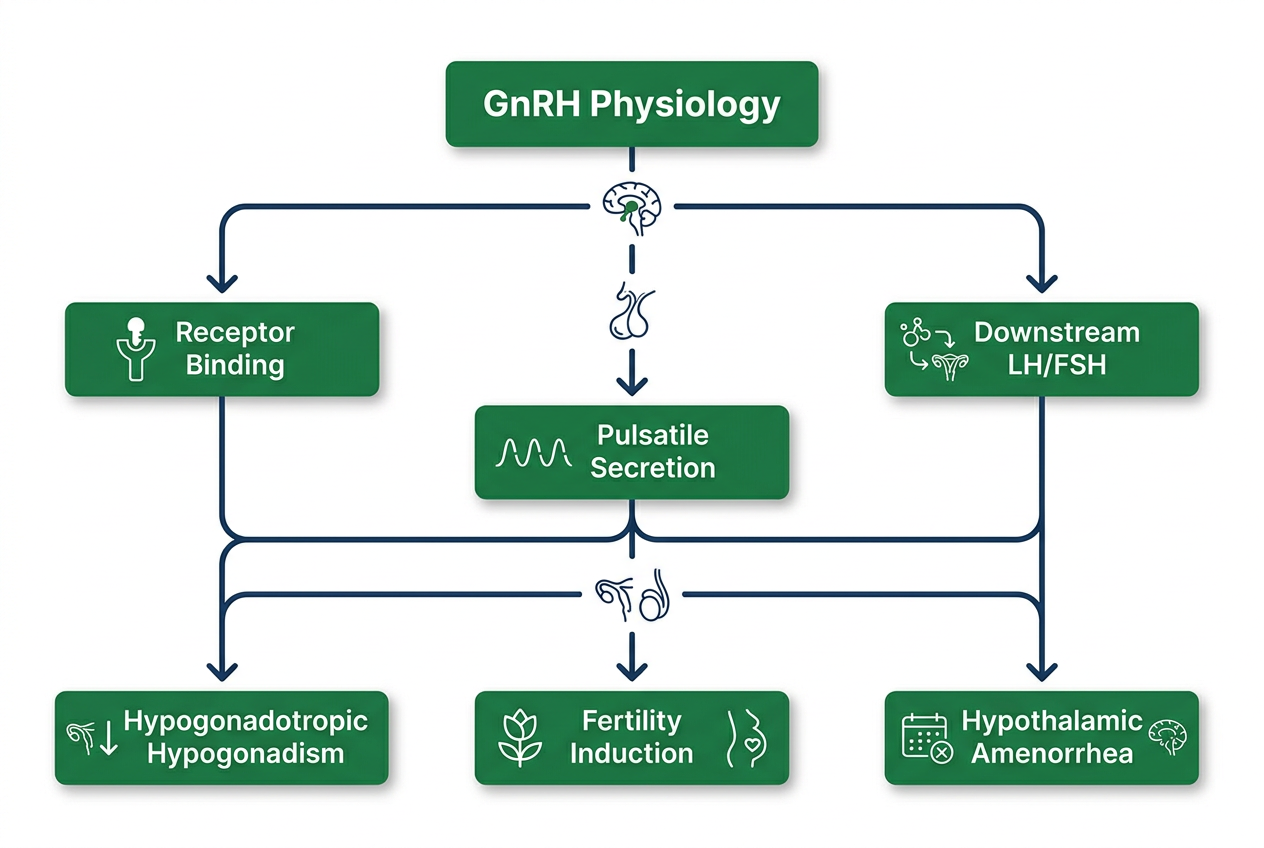
- Peptides library gonadorelin research centers pulsatile GnRH signaling as the mechanism behind LH and FSH stimulation, not continuous exposure.
- The evidence base supports gonadorelin in hypogonadotropic hypogonadism, hypothalamic amenorrhea, and selected ovulation induction contexts.
- GeneReviews data show about 40% normosmic isolated GnRH deficiency and about 60% Kallmann syndrome among IGD cases.
- Peptides Library separates mechanism, human evidence, safety limits, and regulatory status without retailer-style promises.
- The hub includes research articles, how-to guides, evidence reviews, and practical tools like peptide calculators.
What Is the Peptides Library Gonadorelin Research Hub?
If you are evaluating gonadorelin, the main challenge is not finding mentions of the peptide. It is finding a source that explains where gonadorelin actually fits in reproductive endocrinology, what the evidence supports, and where the limits are. Peptides library gonadorelin research provides that clarity through an independent, evidence-based hub built around published physiology, human evidence, safety context, and regulatory framing.
Peptides Library helps researchers, healthcare professionals, students, and informed consumers study gonadorelin as a targeted endocrine signal rather than a general performance or testosterone product. The goal of the peptides library gonadorelin research hub is to make the decision process easier for readers who need a more precise view of GnRH biology, fertility-related use cases, and the difference between plausible mechanism and overstated marketing.
Peptides library gonadorelin research structures coverage around the questions that matter most when you are assessing relevance: what gonadorelin does, when pulsatile GnRH signaling matters, which disorders are most closely tied to deficient GnRH signaling, and what published sources actually say about those scenarios.
That matters because the evidence base is not evenly broad. External references and Peptides Library’s own coverage point in the same direction: gonadorelin is best understood as a replacement signal in selected reproductive-endocrine disorders, especially where hypothalamic GnRH signaling is deficient and downstream pituitary and gonadal responsiveness is still present.
How Does Peptides Library Gonadorelin Research Organize GnRH Physiology and Reproductive Use Cases?
Peptides library gonadorelin research keeps gonadorelin tied to its strongest evidence base, including isolated GnRH deficiency, where GeneReviews reports about 40% normosmic IGD and about 60% Kallmann syndrome. For you, that means less time sorting through vague “hormone optimization” claims and more time focusing on the use cases where gonadorelin has a logical physiological role, such as hypogonadotropic hypogonadism, hypothalamic amenorrhea, ovulation induction in selected contexts, and fertility-related axis activation.
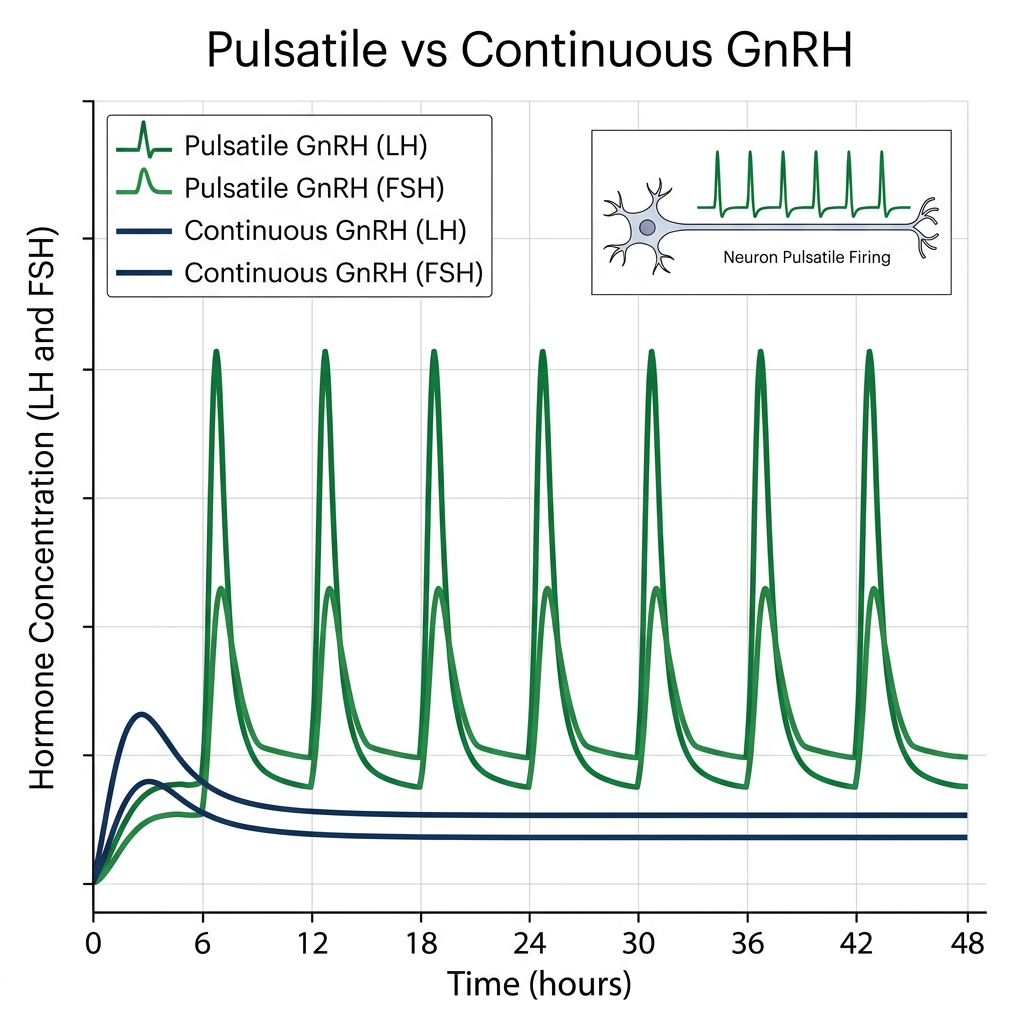
The peptides library gonadorelin research reviews are designed to improve one specific outcome: your ability to judge whether a claim belongs to endocrine replacement logic or to broad peptide hype. Our coverage makes the distinction explicit by centering pulsatile GnRH as the key mechanism behind LH and FSH stimulation, rather than treating gonadorelin like a generic anabolic or wellness tool.
Peptides library gonadorelin research treats pulsatile GnRH, not continuous exposure, as the key gonadorelin dosing concept because continuous signaling can suppress the reproductive axis. That distinction is important if you are reading for clinical relevance, academic study, or careful personal understanding.
Sources such as Endotext describe pulsatile GnRH as necessary for initiation and maintenance of the reproductive axis, while FDA substance records identify gonadorelin in fertility-related contexts such as ovulation induction in women with hypothalamic amenorrhea due to deficient or absent endogenous GnRH secretion.
💡 Key Takeaway: How Does Peptides Library Gonadorelin Research Organize GnRH Physiology and Reproductive Use Cases?
Why Does Peptides Library Gonadorelin Research Prioritize Pulsatile GnRH Signaling?
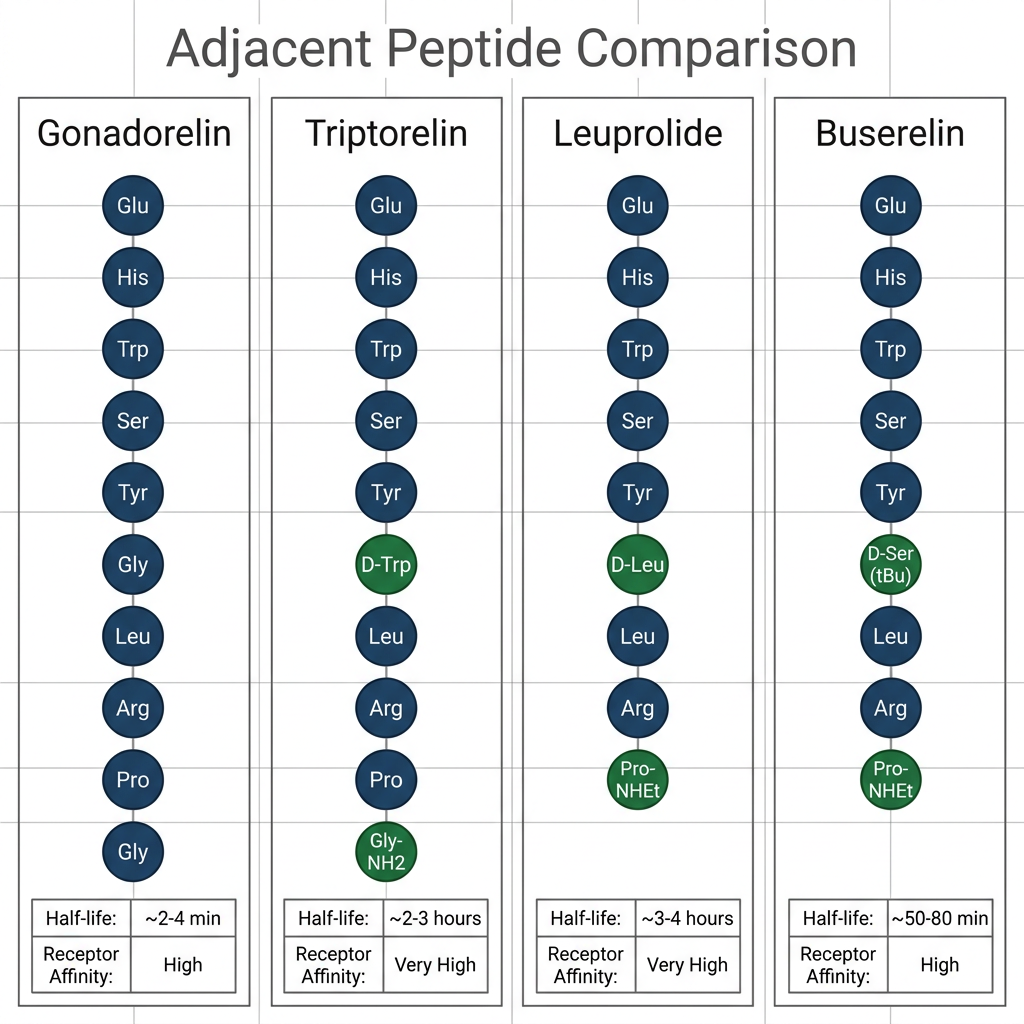
Peptides library gonadorelin research turns those source details into a more usable research path. Instead of giving you a loose summary, we connect mechanism, human context, and practical interpretation so you can see why gonadorelin may fit congenital hypogonadotropic hypogonadism or hypothalamic amenorrhea more clearly than it fits broad “testosterone boosting” narratives.
Our peptides library gonadorelin research also helps when you are comparing related signaling pathways. For example, Peptides Library distinguishes gonadorelin as a direct GnRH signal from kisspeptin-10 as an upstream stimulator of endogenous GnRH release. This is useful if you are reviewing mechanism-specific literature rather than reading peptide categories as if they were interchangeable.
Pulsatile GnRH is not a minor detail. It determines whether the pituitary receives a physiological signal that supports LH and FSH secretion or a continuous signal that can downregulate receptors and suppress reproductive function. Peptides library gonadorelin research keeps this mechanism front and center because it changes how you interpret study results, dosing models, and safety profiles.
!peptides library gonadorelin research pulsatile GnRH comparison
What Evidence Reviews Does Peptides Library Gonadorelin Research Cover for Hypogonadotropic Hypogonadism and Hypothalamic Amenorrhea?
Peptides library gonadorelin research includes focused evidence reviews for hypogonadotropic hypogonadism, hypothalamic amenorrhea, and fertility disturbances. These reviews are built to separate mechanism from human findings, and to show where the evidence is strong, conditional, or narrow.
For hypogonadotropic hypogonadism, the peptides library gonadorelin research hub highlights that gonadorelin is a replacement signal when the hypothalamus fails to secrete GnRH adequately. If the pituitary and gonads remain responsive, pulsatile gonadorelin can restore LH and FSH patterns that support spermatogenesis or folliculogenesis.
For hypothalamic amenorrhea, peptides library gonadorelin research focuses on the FDA substance record context: gonadorelin is identified for ovulation induction in women with hypothalamic amenorrhea due to deficient or absent endogenous GnRH secretion. This is not a broad fertility claim; it is a targeted use case tied to a specific endocrine deficit.
For fertility disturbances more generally, peptides library gonadorelin research does not present gonadorelin as a universal fertility enhancer. Instead, it frames gonadorelin as a tool for axis activation only when the deficit is at the hypothalamic level and downstream responsiveness is preserved.
How Does Peptides Library Gonadorelin Research Separate Mechanism, Human Evidence, Safety Limits, and Regulatory Status?
Peptides library gonadorelin research separates mechanism, human evidence, safety limits, and regulatory status so gonadorelin can be reviewed without retailer-style promises. That makes your research process cleaner. Instead of piecing together endocrinology basics from one source, fertility implications from another, and safety cautions from a third, you can review the topic in a format organized around decision-relevant questions.
The mechanism layer of peptides library gonadorelin research explains how GnRH binds pituitary gonadotrophs and triggers LH and FSH release. The human evidence layer summarizes what published clinical and observational data show for specific indications. The safety layer notes the risks of continuous exposure and the importance of pulsatile administration. The regulatory layer ties gonadorelin to its approved or described fertility-related contexts.
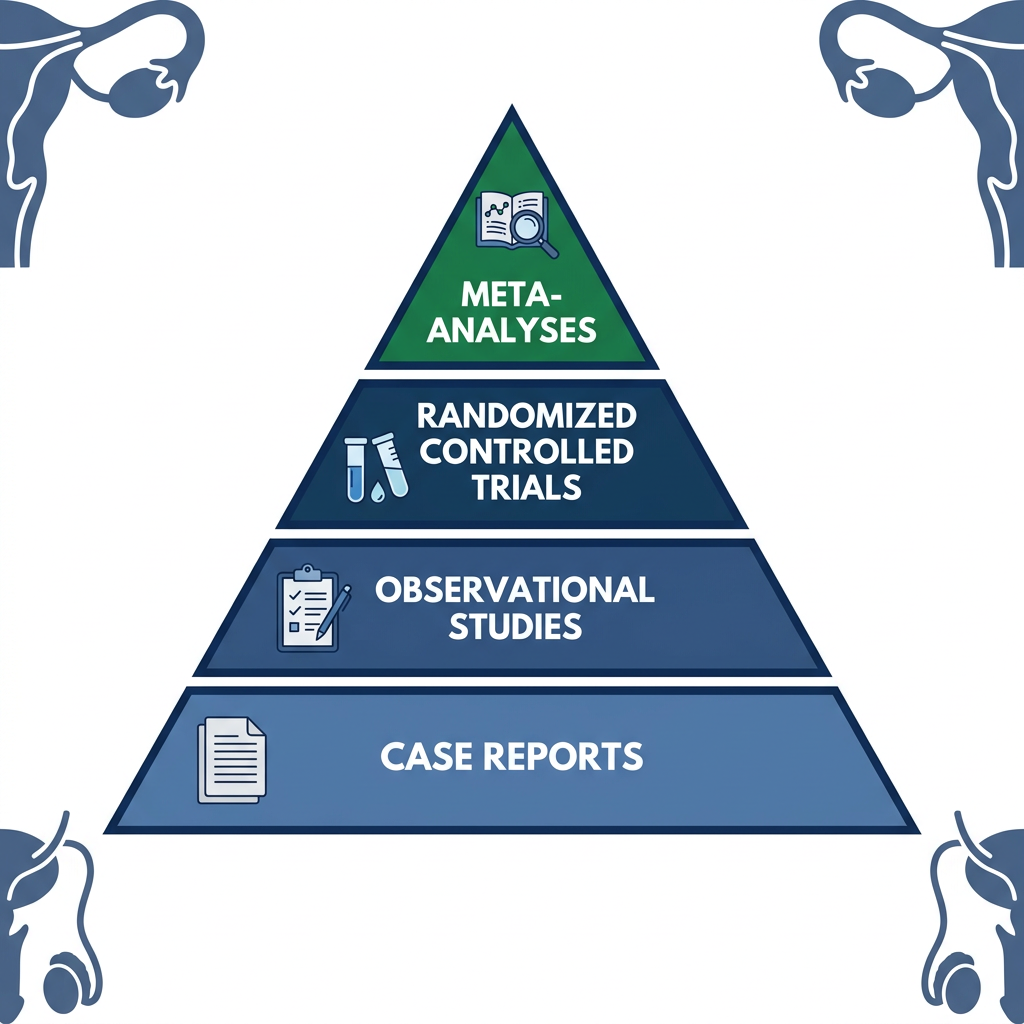
This four-layer approach is the core editorial stance of the peptides library gonadorelin research hub. Because Peptides Library positions itself as an independent, citation-focused resource rather than a retailer, the gonadorelin content is built to help you verify claims, compare source quality, and understand where evidence is narrow, conditional, or stronger than average.
💡 Key Takeaway: How Does Peptides Library Gonadorelin Research Separate Mechanism, Human Evidence, Safety Limits, and Regulatory Status?
What Resources Are Inside the Peptides Library Gonadorelin Research Hub?
Peptides library gonadorelin research combines several content formats so you can move from first-pass orientation to deeper review without leaving the same knowledge environment. That is especially useful for endocrine topics like gonadorelin, where mechanism, patient selection, and administration logic all affect interpretation.
Inside the broader Peptides Library ecosystem, you can expect resources such as:
- Research articles focused on peptide biology, mechanism, and evidence interpretation.
- How-to guides that help you understand methodology, study framing, and practical research questions.
- Evidence reviews that separate mechanism, human findings, safety limits, and regulatory status.
- Practical tools such as peptide calculators, plus brand and product reviews for broader peptide research context.
For a complete orientation, see the Peptide Research Library: A Complete Reference Guide. This guide complements the peptides library gonadorelin research hub by explaining how the broader library organizes evidence across many peptides. You can also review Peptide Library: Research-Grade Peptides for Laboratories to understand the laboratory-grade context behind research peptides.
Who Benefits Most from Peptides Library Gonadorelin Research?
Peptides library gonadorelin research is the right fit if you want source-backed gonadorelin content framed around reproductive endocrinology rather than general peptide enthusiasm. We are especially useful when you need to assess mechanism and indication together, not separately.
This hub is likely a good match if you are trying to:
- Review gonadorelin in the context of hypogonadotropic hypogonadism, isolated GnRH deficiency, Kallmann syndrome, or hypothalamic amenorrhea.
- Understand why pulsatile GnRH signaling matters for LH, FSH, spermatogenesis, folliculogenesis, and fertility-related outcomes.
- Compare gonadorelin with adjacent peptides or upstream reproductive-axis signals.
- Filter out claims that present gonadorelin as a broad testosterone, performance, or wellness shortcut.
Peptides library gonadorelin research may be less useful if you are looking for simplistic peptide sales messaging or a one-size-fits-all hormone narrative. Our coverage is built for readers who value citations, mechanism, and realistic boundaries on what current evidence can support.
Which Adjacent Peptides Does Peptides Library Gonadorelin Research Compare?
Peptides library gonadorelin research does not treat gonadorelin in isolation. It compares gonadorelin with adjacent peptides and upstream signals so you can see where each molecule fits in the reproductive axis.
The clearest comparison in the peptides library gonadorelin research hub is between gonadorelin and kisspeptin-10. Gonadorelin is a direct GnRH receptor agonist; kisspeptin-10 stimulates endogenous GnRH release from hypothalamic neurons. This distinction matters because gonadorelin bypasses the kisspeptin-GnRH step, while kisspeptin-10 requires intact GnRH neurons.
Peptides library gonadorelin research also frames comparisons with other research peptides available in the broader Peptides Library ecosystem. For example, if you are reviewing peptide categories, the Peptide Research Library: A Complete Reference Guide provides cross-peptide orientation. For a different endocrine pathway, see AOD 9604 vs Retatrutide: 7 Research Differences Today. These comparisons help you avoid conflating mechanisms.
💡 Key Takeaway: Which Adjacent Peptides Does Peptides Library Gonadorelin Research Compare?
How to Use Peptides Library Gonadorelin Research for Decision-Making?
Peptides library gonadorelin research gives you a structured decision path. Start with the direct-answer overview to confirm the core endocrine role. Then move to the mechanism section to understand why pulsatile signaling is non-negotiable. Next, review the evidence reviews for hypogonadotropic hypogonadism and hypothalamic amenorrhea to see which claims are supported.
Use the four-layer separation—mechanism, human evidence, safety limits, regulatory status—to test any claim you encounter. If a claim ignores pulsatile GnRH or presents gonadorelin as a broad testosterone booster, the peptides library gonadorelin research framework flags it as unsupported.
For practical tools, the Peptide Research Library: A Complete Reference Guide includes calculators and methodology guidance. If you are also reviewing other peptide classes, Cell Penetrating Peptides for Research | Peptides Library can help you understand delivery concepts that affect research design.
FAQ
What is the main focus of peptides library gonadorelin research?
Peptides library gonadorelin research focuses on reproductive endocrinology, specifically GnRH physiology, pulsatile signaling, and fertility-related use cases like hypogonadotropic hypogonadism and hypothalamic amenorrhea. It avoids broad performance or testosterone claims.
Why does peptides library gonadorelin research emphasize pulsatile GnRH over continuous exposure?
Because continuous GnRH exposure can suppress the reproductive axis, while pulsatile signaling is necessary for LH and FSH secretion. Peptides library gonadorelin research keeps this distinction central to avoid misinterpretation of dosing models and safety data.
Does peptides library gonadorelin research support using gonadorelin as a general testosterone booster?
No. Peptides library gonadorelin research explicitly separates gonadorelin from broad testosterone or performance claims. The evidence supports gonadorelin as a replacement signal in specific reproductive-endocrine disorders, not as a general anabolic tool.
What conditions does peptides library gonadorelin research cover?
Peptides library gonadorelin research covers hypogonadotropic hypogonadism, isolated GnRH deficiency, Kallmann syndrome, hypothalamic amenorrhea, and selected ovulation induction contexts. It also addresses fertility-related axis activation only when downstream pituitary and gonadal responsiveness is preserved.
How does peptides library gonadorelin research compare gonadorelin with kisspeptin-10?
Peptides library gonadorelin research distinguishes gonadorelin as a direct GnRH receptor agonist from kisspeptin-10 as an upstream stimulator of endogenous GnRH release. This comparison helps researchers understand mechanism-specific literature and avoid treating peptide categories as interchangeable.
Ready to Take the Next Step?
Every product includes lot-specific documentation and third-party purity testing.
Explore Our Research Products →Free shipping on qualifying orders · Batch COA on request