



Peptides Library Thymosin Alpha 1 Research Guide Hub
Peptides library thymosin alpha research hub organizes Ta1 mechanisms, clinical evidence, and FDA status into one citation-focused view for researchers.
📋 Table of Contents
peptides library thymosin alpha is a citation-focused research hub that organizes thymosin alpha 1 mechanism papers, clinical signals, and U.S. regulatory facts into one reviewable view. If you are evaluating Ta1, the real challenge is not finding claims; it is sorting mechanism research, human evidence, and FDA status without retailer noise. This hub helps researchers, clinicians, students, and informed readers assess Ta1 with more confidence and less noise.
Key takeaways
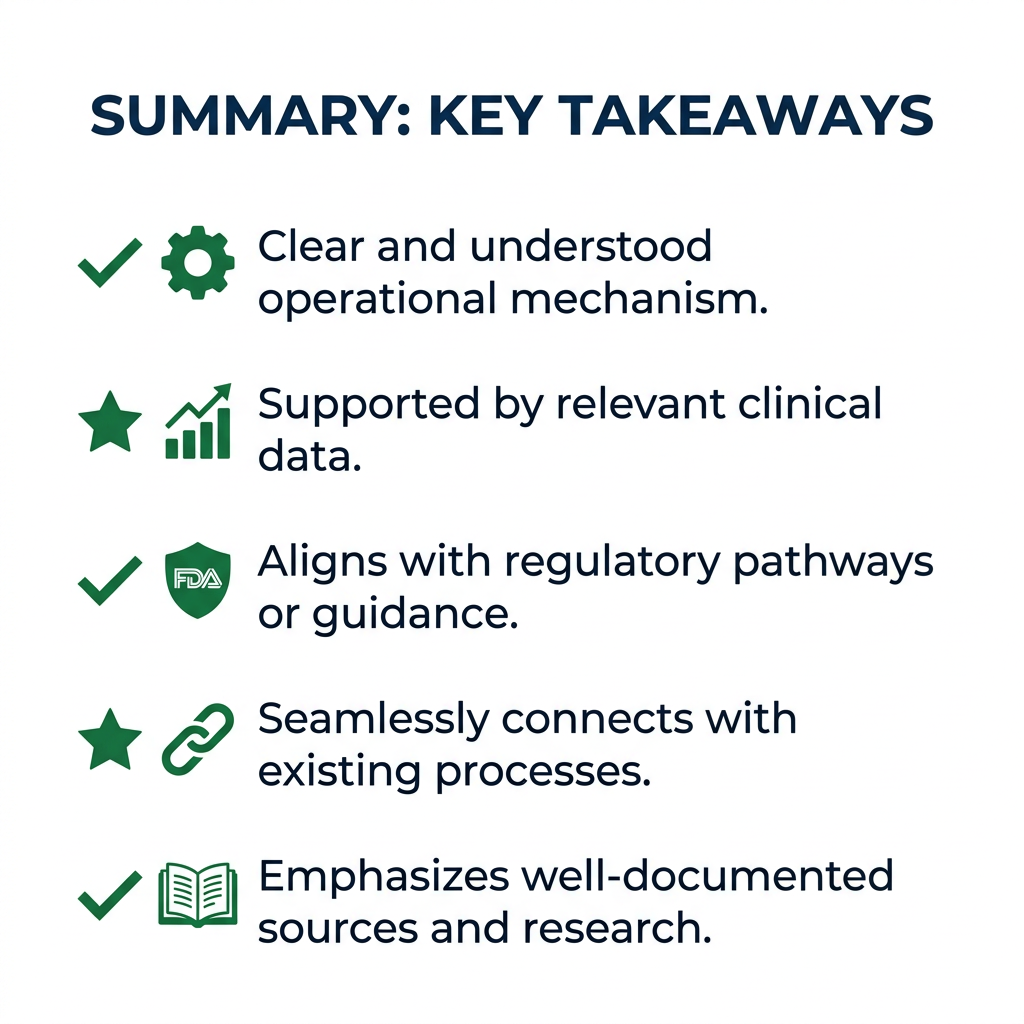
- peptides library thymosin alpha structures Ta1 coverage around the questions advanced readers ask: what the peptide is, which immune pathways are discussed, which cell types are involved, and how mechanisms are framed in current reviews.
- The hub keeps mixed Ta1 evidence visible, including adult COVID-19 reviews where the overall effect remained unclear, instead of smoothing over inconsistent human outcomes.
- FDA materials cited in peptides library thymosin alpha coverage state that no drug products containing Ta1 have been approved in the United States, and FDA has flagged compounding and unapproved product claims.
- Peptides Library is an independent online knowledge hub, not a peptide retailer, so its Ta1 content stays centered on evidence interpretation rather than product promotion.
- The platform pairs PubMed-indexed thymosin alpha 1 research with FDA approval and compounding context so you can review both the science and the boundaries.
What is peptides library thymosin alpha and why does it matter for Ta1 research?
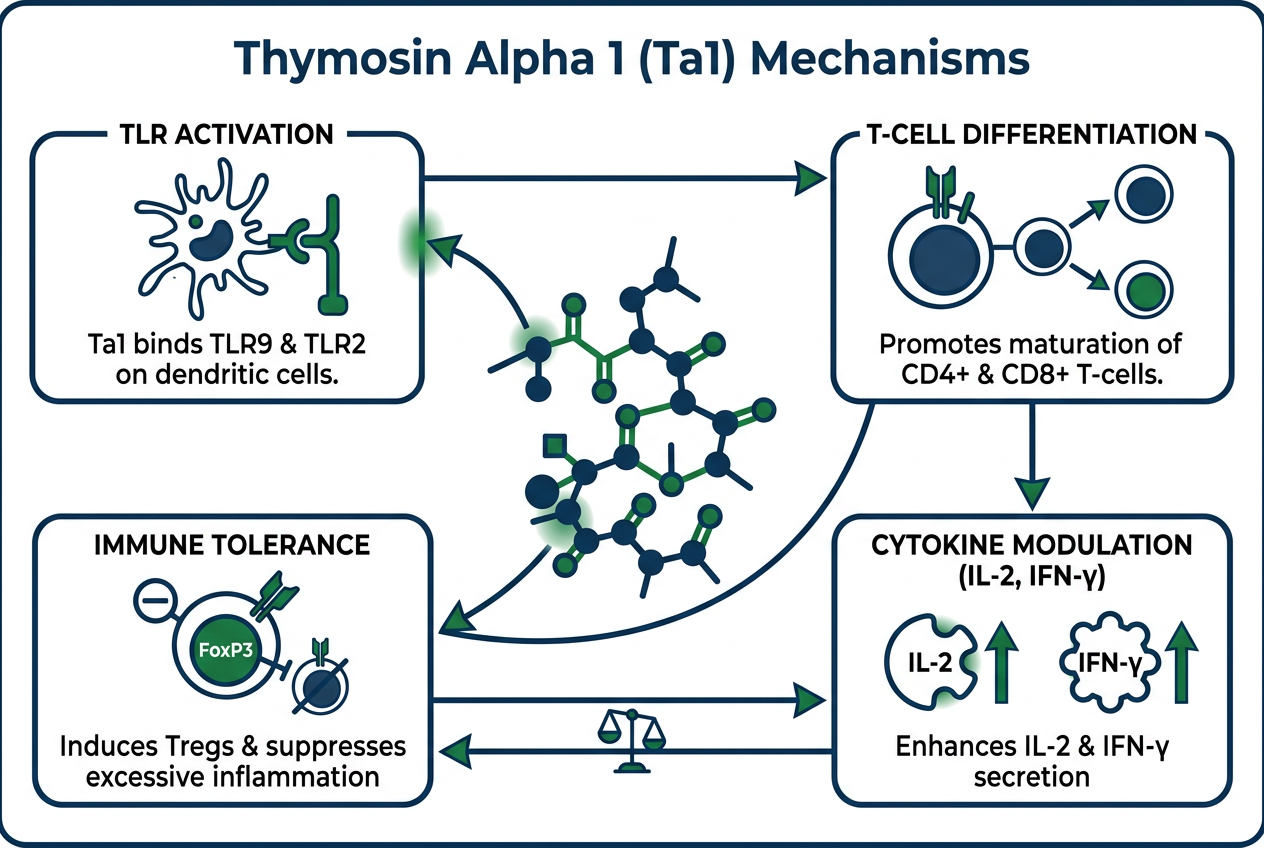
peptides library thymosin alpha is the hub’s structured coverage of thymosin alpha 1, a highly conserved 28-amino-acid peptide with reported activity across T cells, B cells, macrophages, natural killer cells, and Toll-like receptor linked signaling. Peptides Library brings that work together in a citation-focused research hub so you can assess Ta1 with more confidence and less noise. The platform is not positioned as a peptide retailer, and its thymosin alpha 1 coverage stays centered on evidence interpretation.
When you read about peptides library thymosin alpha, you are reading an independent online knowledge hub for peptide science. It helps researchers, healthcare professionals, students, and informed consumers understand what thymosin alpha 1 is, where the immune biology looks meaningful, where human evidence is mixed, and why FDA status matters before you rely on marketing language or secondhand summaries. That independence matters because many Ta1 pages online are written to move a product, not to improve understanding.
The core value of the hub is that it translates broad claims into specific research terms. Instead of leaving you with vague language about immune support or infection-related applications, the coverage points to TLR3, TLR4, TLR9, IRF3, NF-κB, T-cell maturity, differentiation, lymphocytopenia, and T-cell exhaustion. This lets you trace what a claim is actually referring to in the literature before you accept it. The hub does not ask you to choose between detail and clarity; it provides both in one reviewable structure.
What mechanisms does peptides library thymosin alpha organize for faster review?
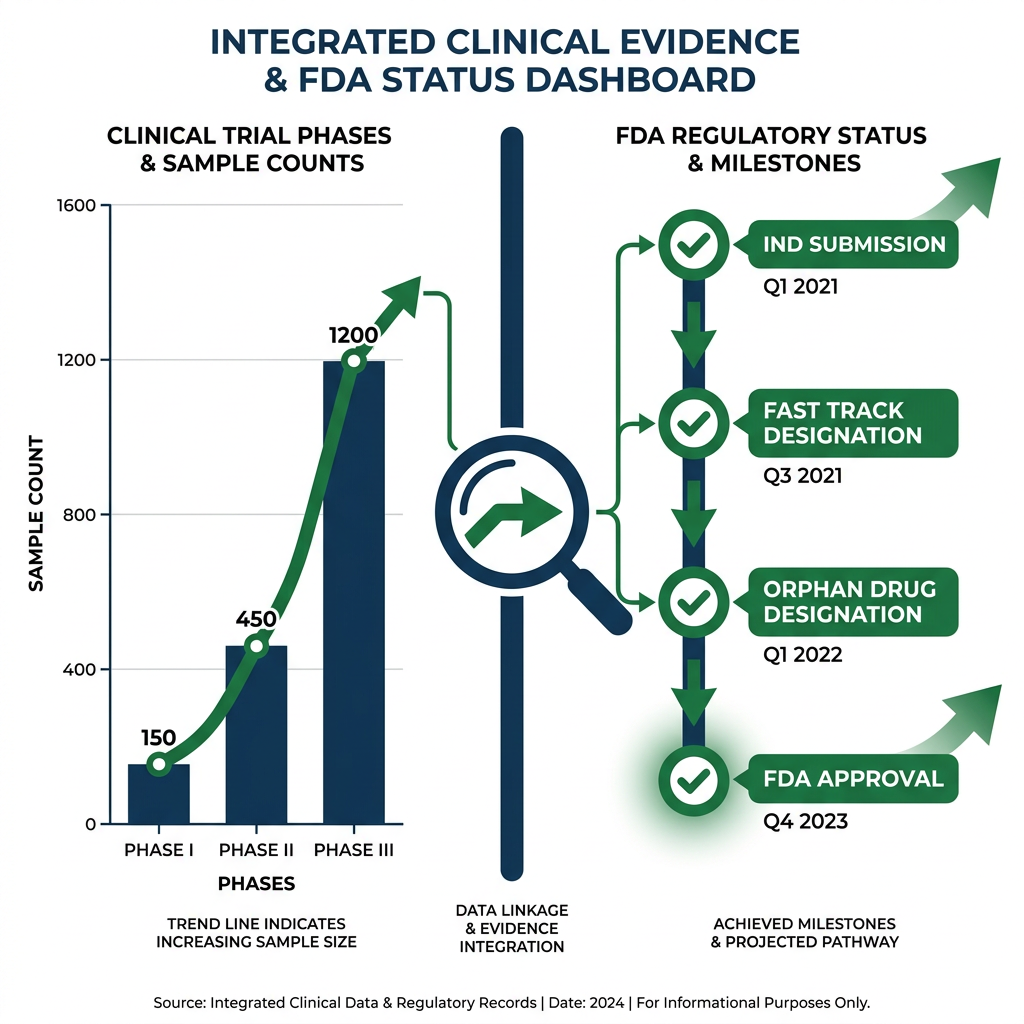
peptides library thymosin alpha organizes thymosin alpha 1 mechanism research around the questions advanced readers actually ask: what the peptide is, which immune pathways are discussed, which cell types are involved, and how those mechanisms are framed in current reviews. The Ta1 research pages pull together evidence describing thymosin alpha 1 as a highly conserved 28-amino-acid peptide, with reported activity across T cells, B cells, macrophages, natural killer cells, and Toll-like receptor linked signaling.
That matters when you are trying to interpret claims about immune modulation or infection-related applications. peptides library thymosin alpha translates broad claims into specific research terms such as TLR3, TLR4, TLR9, IRF3, NF-κB, T-cell maturity, differentiation, lymphocytopenia, and T-cell exhaustion. For example, a retailer may say supports the immune system, but the hub helps you ask whether the underlying paper is describing TLR3 or TLR9 signaling, T-cell differentiation, or macrophage activity. You can verify these terms against PubMed and NCBI indexed reviews.
The mechanism view within the hub is deliberately citation-focused. Our role is not to sell thymosin alpha 1. Instead, the hub gives you a research-first view, which means the value is in the citations, the framing, and the ability to compare mechanism-focused findings with real-world regulatory and clinical context. This reduces the need to keep mechanism papers in one tab and regulatory warnings in another. The hub also avoids treating every positive mechanism as a proven outcome, which is a common failure in retailer-led content.
A quick mechanism checklist used throughout the Ta1 coverage includes the following questions:
- Which immune cell types are named in the paper: T cells, B cells, macrophages, or natural killer cells?
- Which Toll-like receptors are discussed: TLR3, TLR4, or TLR9?
- Does the paper describe IRF3 or NF-κB signaling, or only broad immune language?
- Are the outcomes framed as in vitro, animal, or human data?
- Does the claim match the citation, or has marketing language stretched the mechanism?
This checklist helps you move from a vague claim to a specific, checkable mechanism term. The hub’s role is not to interpret the biology for you, but to organize it so that you can interpret it faster and with fewer blind spots.
💡 Key Takeaway: What mechanisms does peptides library thymosin alpha organize for faster review?
How does peptides library thymosin alpha keep clinical evidence and FDA status in the same view?
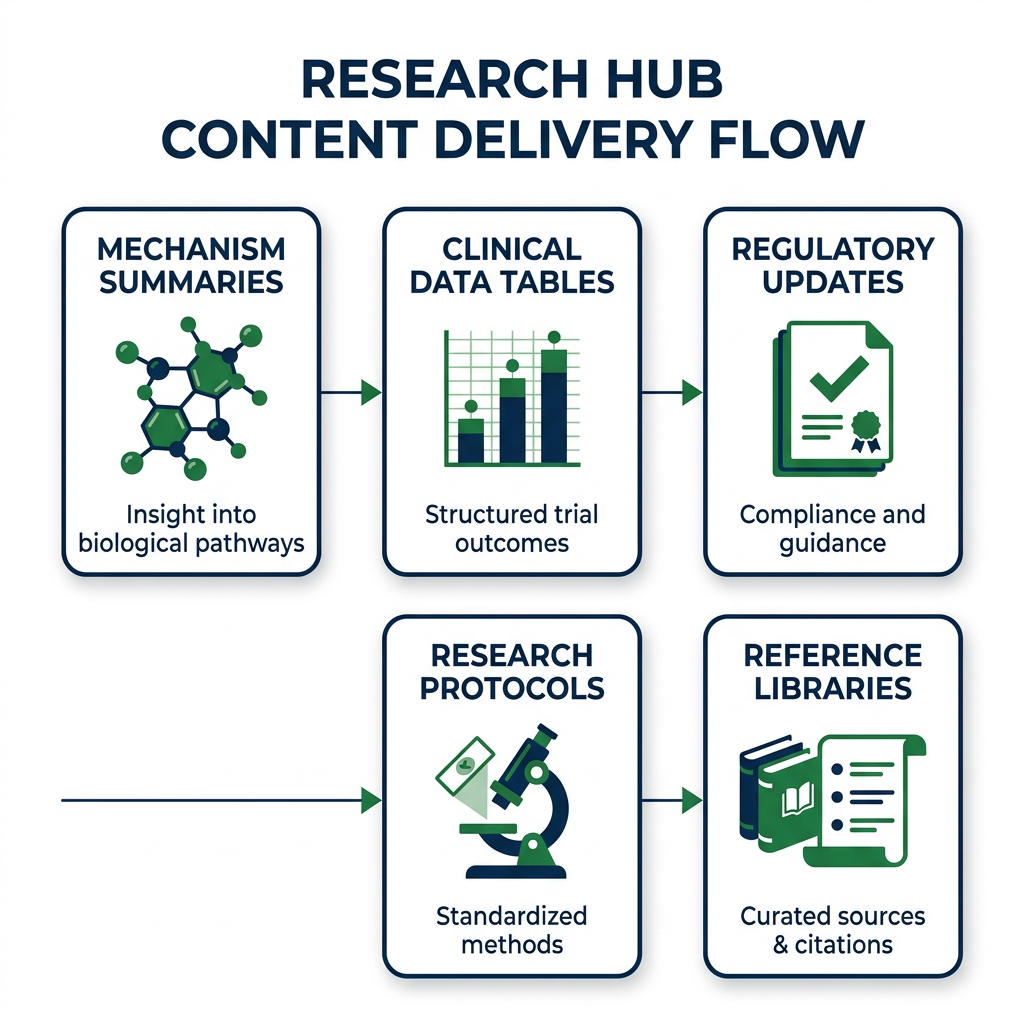
peptides library thymosin alpha has meaningful immunology research behind it, but the clinical picture is not clean. The hub makes that visible instead of smoothing it over. Its Ta1 guides note that recent reviews discuss possible benefits in some settings, including reports of improved overall survival in certain surgically resectable non-small cell lung cancer and liver cancer contexts, while systematic COVID-19 evidence remains mixed and unclear.
That balance is important if you are screening literature for research design, patient education, internal review, or your own understanding. A peptide can look biologically interesting and still have inconsistent human outcomes. peptides library thymosin alpha helps you hold both facts at the same time. For example, a review may show a survival signal in one cancer subset, but the same review may not support a general immune-boosting claim. The hub keeps that distinction explicit.
On the regulatory side, the hub also keeps U.S. status close to the science. FDA materials cited in the coverage state that no drug products containing Ta1 have been approved in the United States, and FDA has flagged compounding and unapproved product claims related to thymosin alpha 1. You can verify current statements directly on the FDA site. When you read the hub, you do not have to piece together mechanism papers in one tab and regulatory warnings in another.
This combined clinical-regulatory view matters because many online summaries separate biology from boundaries. The hub deliberately pairs PubMed-indexed thymosin alpha 1 research with FDA approval and compounding context so you can review both the science and the boundaries in a single workflow. That saves time and reduces the risk of overreading a mechanism paper as proof of clinical benefit. The hub also states when FDA materials indicate that no U.S. approved drug products containing Ta1 exist and when compounding concerns have been raised, so you do not have to hunt for that context separately.
Who benefits from peptides library thymosin alpha research hub?
peptides library thymosin alpha is built for people who need substance, not hype. If you are comparing papers, reviewing product claims, preparing educational materials, or simply trying to understand where Ta1 stands, the content is designed to shorten that process. Readers typically come to Peptides Library for help with needs like these:
- Researchers: Quickly map immune cell targets, signaling pathways, and study themes before diving into full papers.
- Healthcare professionals: Check mechanism discussions, human evidence, and FDA status in one place before referencing Ta1 in a broader evidence conversation.
- Students and trainees: Build a working understanding of thymosin alpha 1 using citation-focused summaries and source-specific terminology.
- Informed consumers: Filter out retailer-driven claims and see what the literature and regulators actually say.
Because peptides library thymosin alpha is not positioned as a peptide retailer, the coverage stays centered on evidence interpretation. That gives you a more useful starting point when your goal is understanding, not impulse buying. If you need a broader peptide reference, the Peptide Research Library: A Complete Reference Guide provides additional framework context, while Cell Penetrating Peptides for Research | Peptides Library covers a related mechanism area often confused with immune peptides.
The audience fit is also about workflow. Researchers may use the hub to quickly identify whether a Ta1 claim traces to TLR signaling or to a review-level clinical summary. Clinicians may use it to check whether an FDA warning exists before citing Ta1 in a broader conversation. Students may use it to learn how to separate biological plausibility from clinical certainty. Informed consumers may use it to filter promotional language. In every case, the hub reduces the need to rely on secondhand summaries.
Which content types does peptides library thymosin alpha deliver?
peptides library thymosin alpha delivers content through evidence reviews, research articles, how-to style guides, and related peptide science resources that help you move from curiosity to a more disciplined reading of the topic. For Ta1, that means explaining how a mechanism-focused candidate is discussed across immune pathways while also showing where study outcomes diverge and where FDA boundaries are explicit.
This approach improves practical decision-making. If you are reading about thymalfasin, infection-related claims, cancer-adjacent discussions, or immune modulation language, peptides library thymosin alpha helps you identify whether the claim is rooted in cell signaling, observational clinical use, a review article, or unsupported commercial positioning. The content is structured for claim checks, not just summaries.
The broader platform also adds value around the edges of your research workflow. Peptides Library includes practical peptide tools, evidence-based educational content, and brand or product reviews where they help readers interpret quality signals and marketing claims. In the thymosin alpha 1 context, that means you can stay inside one ecosystem while checking terminology, mechanisms, and regulatory considerations. For a wider look at research-grade peptide organization, the Peptide Library: Research-Grade Peptides for Laboratories page offers a complementary view.
A claim-check table used in the Ta1 coverage:
| Claim type | What the hub helps you verify |
|—|—|
| Supports the immune system | Which immune cell types and TLR pathways are actually cited? |
| Improves survival in cancer | Is the evidence from surgically resectable NSCLC or liver cancer subsets, and is it review-level? |
| Works for COVID-19 | Do systematic reviews show mixed or unclear effects? |
| FDA approved | Does FDA materials state no approved drug products containing Ta1 exist? |
| Research-grade only | Is the framing consistent with research-use-only language and no human-use dosing? |
This table is a practical tool, not a conclusion. It helps you separate a mechanism claim from a clinical outcome claim and a regulatory claim, which are often collapsed in promotional content.
💡 Key Takeaway: Which content types does peptides library thymosin alpha deliver?
Why is peptides library thymosin alpha stronger than retailer-led Ta1 content?
Many thymosin alpha 1 pages online are written to move a product. peptides library thymosin alpha is built to improve your understanding first. That difference shows up in how the hub writes. Instead of treating every positive mechanism as a proven outcome, it separates biological plausibility from clinical certainty. Instead of ignoring regulatory issues, it states when FDA materials indicate that no U.S. approved drug products containing Ta1 exist and when compounding concerns have been raised. Instead of hiding the mixed evidence, it shows where findings remain unsettled.
For advanced readers, that independence saves time. You spend less effort filtering promotional language and more effort working with the actual structure of the evidence. A retailer-led page may list every TLR pathway as a benefit, but peptides library thymosin alpha reminds you that TLR3, TLR4, or TLR9 signaling in a cell model is not the same as a human outcome. That distinction is the core reason the hub exists.
The independence also shows in the absence of dosing recommendations, human consumption language, or purchase prompts. The hub keeps all statements research-use-only compliant. No prices are invented, no human-use claims are implied, and the hub never positions Ta1 as a consumer product. This makes the content suitable for citation-focused review, educational material preparation, and internal evidence screening.
A simple comparison:
- Retailer-led content: emphasizes positive mechanism language, omits mixed COVID-19 evidence, rarely mentions FDA approval status, and leads toward a purchase.
- The hub: names specific pathways and cell types, keeps mixed clinical evidence visible, states FDA boundaries explicitly, and leads toward a more disciplined reading.
When is peptides library thymosin alpha hub the right fit for your workflow?
peptides library thymosin alpha is the right fit if you want a serious, readable starting point for thymosin alpha 1 research that does not ask you to choose between detail and clarity. You will get the most value from the Ta1 coverage if you need to:
- understand reported immune mechanisms across multiple cell types
- compare promising review-level biology with inconsistent clinical outcomes
- verify FDA approval status and compounding context
- read peptide content written for evidence review rather than product promotion
If you are looking for a sales page, peptides library thymosin alpha is not built for that. If you want a citation-focused thymosin alpha 1 research hub that makes the science, limitations, and regulatory context easier to evaluate, that is exactly where the hub helps. The content is designed to shorten the process of moving from curiosity to a more disciplined reading of the topic.
The right-fit checklist for using the hub includes:
- Do you need to trace a Ta1 claim back to TLR3, TLR4, TLR9, IRF3, NF-κB, or a specific immune cell type?
- Do you need to compare promising review-level biology with inconsistent clinical outcomes in one view?
- Do you need to verify whether FDA materials indicate no approved drug products containing Ta1 exist?
- Do you need research-use-only framing without dosing or human consumption language?
- Do you need internal links to related peptide science resources for a broader workflow?
If most answers are yes, the hub is a strong fit.
How should researchers use peptides library thymosin alpha to check Ta1 claims?
Researchers can use peptides library thymosin alpha as a first-pass filter before diving into full papers. Start by identifying the specific mechanism term in the claim. If a product page says supports immune function, search the hub’s Ta1 coverage for TLR3, TLR4, TLR9, IRF3, NF-κB, T-cell maturity, differentiation, lymphocytopenia, or T-cell exhaustion. This tells you whether the claim has a traceable mechanism or is just broad marketing language.
Next, check the clinical context. The hub notes that recent reviews discuss possible benefits in some settings, including reports of improved overall survival in certain surgically resectable non-small cell lung cancer and liver cancer contexts, while systematic COVID-19 evidence remains mixed and unclear. If a claim implies general benefit across all infections or cancers, the hub helps you flag that overreach.
Finally, verify regulatory status. FDA materials cited in the hub state that no drug products containing Ta1 have been approved in the United States, and FDA has flagged compounding and unapproved product claims. Use the FDA site for the most current statements. This three-step approach—mechanism, clinical, regulatory—is the practical decision-making method the hub supports.
💡 Key Takeaway: How should researchers use peptides library thymosin alpha to check Ta1 claims?
FAQ
What is peptides library thymosin alpha?
peptides library thymosin alpha is a citation-focused research hub that organizes thymosin alpha 1 mechanism papers, clinical signals, and U.S. regulatory facts into one reviewable view. It is not a peptide retailer and does not sell Ta1.
Does peptides library thymosin alpha claim that Ta1 is FDA approved?
No. FDA materials cited in the hub state that no drug products containing Ta1 have been approved in the United States, and FDA has flagged compounding and unapproved product claims related to thymosin alpha 1.
Which immune pathways does peptides library thymosin alpha cover for Ta1?
The hub covers reported activity across T cells, B cells, macrophages, natural killer cells, and Toll-like receptor linked signaling, including TLR3, TLR4, TLR9, IRF3, NF-κB, T-cell maturity, differentiation, lymphocytopenia, and T-cell exhaustion.
Is peptides library thymosin alpha suitable for human use guidance?
No. The hub keeps all statements research-use-only compliant. It provides no dosing, no human consumption language, and no purchase prompts.
How does peptides library thymosin alpha handle mixed clinical evidence?
It keeps the mixed evidence visible. The hub notes that recent reviews discuss possible benefits in some cancer settings, including improved overall survival in certain surgically resectable non-small cell lung cancer and liver cancer contexts, while systematic COVID-19 evidence remains mixed and unclear.
Ready to Take the Next Step?
Every product includes lot-specific documentation and third-party purity testing.
Explore Our Research Products →Free shipping on qualifying orders · Batch COA on request