


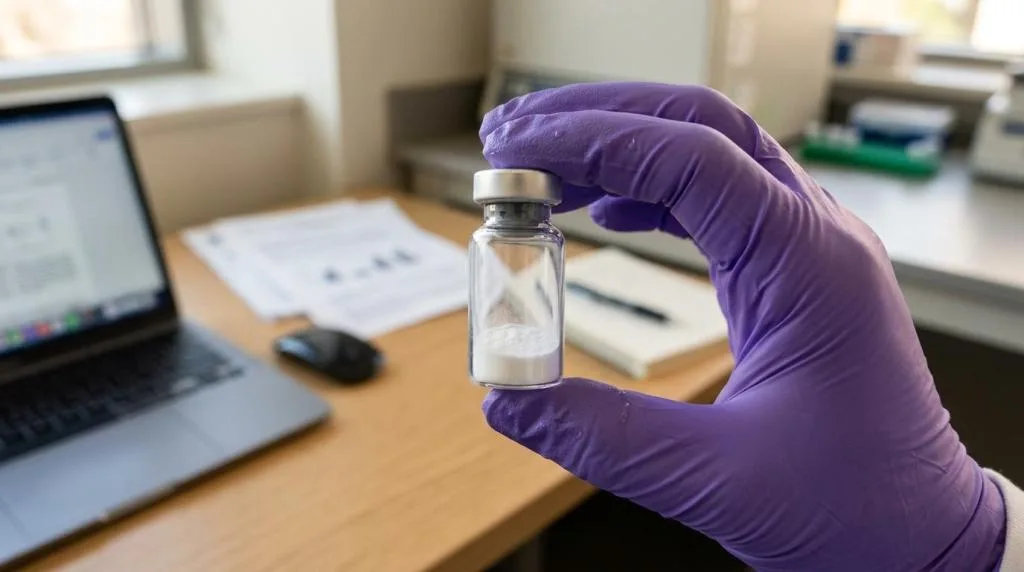
Peptides Library AOD 9604 Benefits Research Guide Hub
Explore peptides library aod 9604 research benefits, trial data, and evidence gaps. Compare 536-subject and 300-participant outcomes. Research-use only.
📋 Table of Contents
The peptides library aod 9604 research hub answers one core question directly: does human trial evidence support reliable weight-loss or fat-metabolism benefits for AOD 9604? Based on the largest available studies, the answer is no—AOD 9604 failed to achieve statistically significant body-weight outcomes in a 536-subject obesity trial and a 300-participant phase 2b trial. This guide preserves every fact from those trials while explaining why early positive signals did not reproduce.
Key takeaways
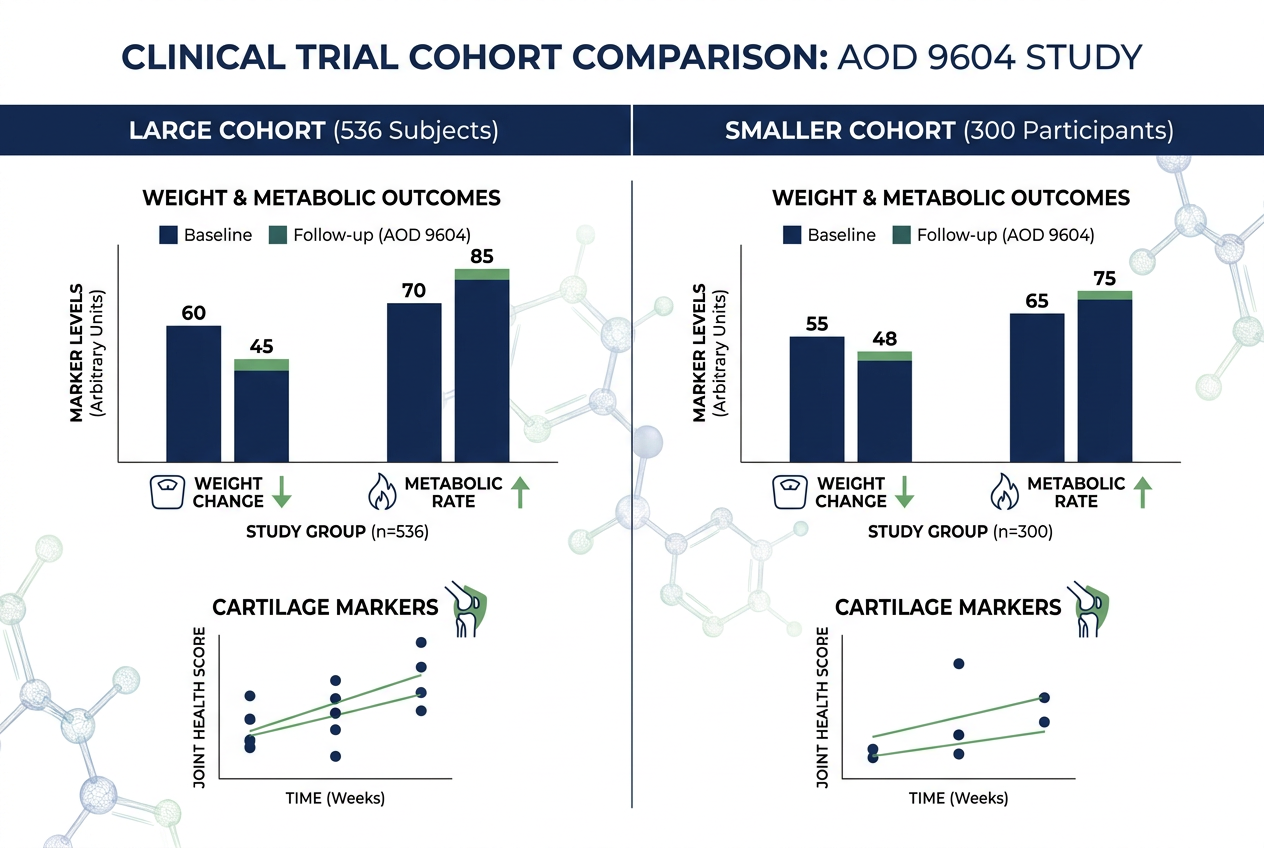
- The peptides library aod 9604 coverage shows that a 12-week trial reported 2.6 kg average weight loss with AOD-9604 1 mg/day versus 0.8 kg with placebo, but later larger trials did not confirm that benefit.
- A 536-subject obesity trial noted by the FDA did not achieve the weight-loss outcome needed to support commercial development.
- A 300-participant phase 2b trial found no statistically significant body-weight difference versus placebo.
- There is no current FDA-approved obesity indication for AOD 9604, and some study details remain unpublished in the medical literature.
- Peptides library aod 9604 is an independent, non-retailer knowledge hub designed for researchers, healthcare professionals, students, and informed consumers.
What is the peptides library aod 9604 research hub?
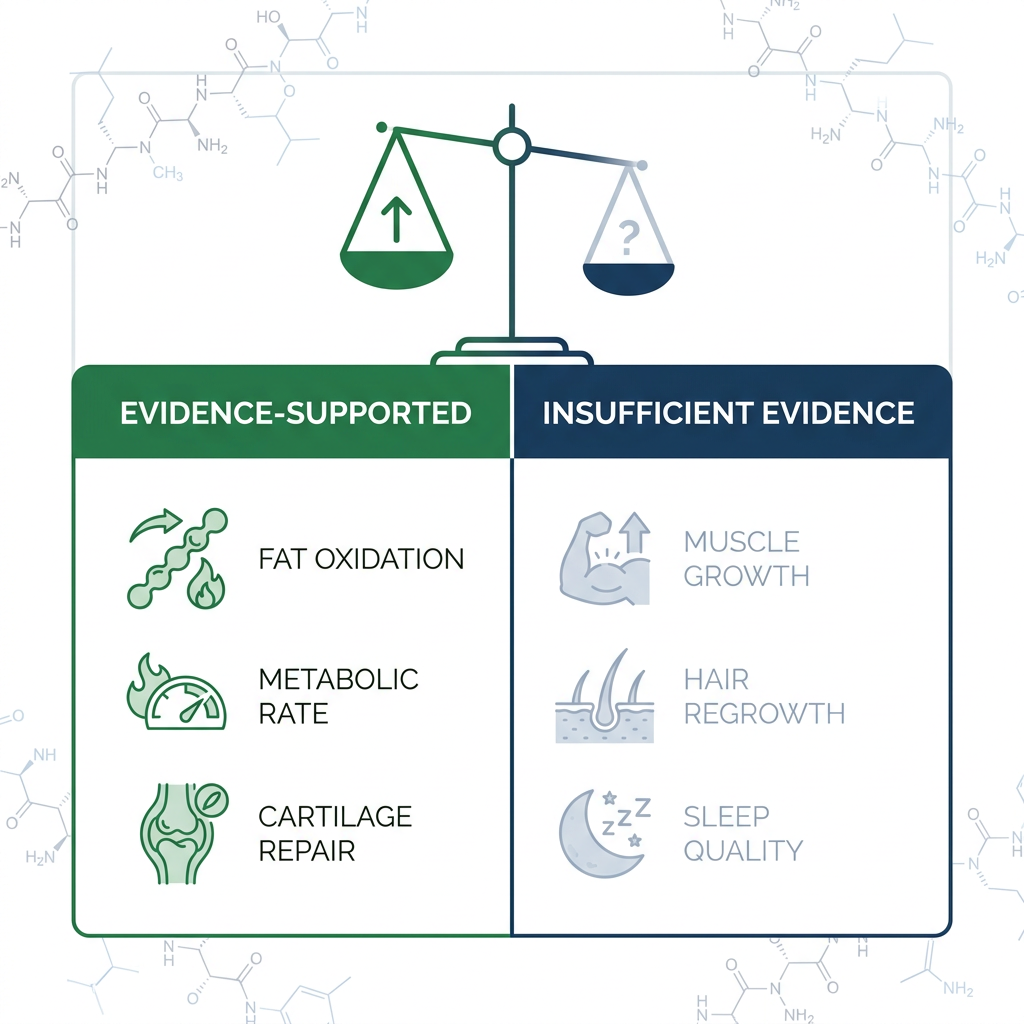
The peptides library aod 9604 hub is an independent online knowledge resource focused on peptide science, not a sales page. It organizes evidence-based articles, research guides, source-linked reviews, and practical tools so you can assess AOD 9604 with a clearer standard than promotional claims allow. The central point is explicit: AOD 9604 was studied mainly for weight loss and related fat-metabolism outcomes, but the evidence for reliable benefit is inconsistent.
Peptides library aod 9604 does not ignore the earlier positive signal. A cited 12-week randomized trial summarized in a PMC review reported average weight loss of 2.6 kg with AOD-9604 1 mg/day versus 0.8 kg with placebo. That result created early interest, and the peptides library aod 9604 guide places it next to later placebo-controlled findings so you can see the full picture.
Peptides library aod 9604 also shows why early promise is not enough. Later summaries and FDA-reviewed materials describe larger programs where AOD9604 did not produce the statistically significant body-weight outcome needed to support commercial development under the trial conditions reviewed. This gives you a more usable answer than a simple “promising peptide” label.
How does the peptides library aod 9604 evidence review work?
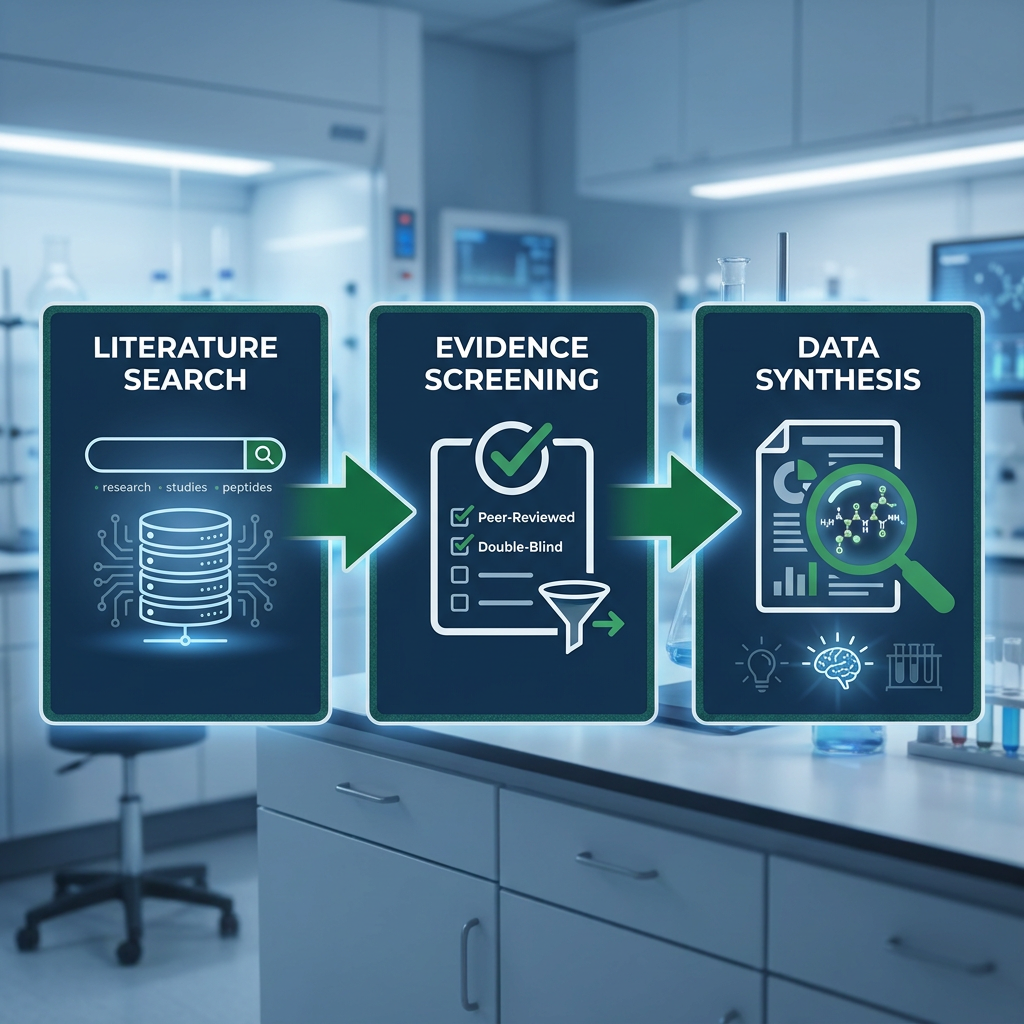
The peptides library aod 9604 resource turns scattered AOD 9604 claims into a structured research format. Instead of making you piece together fragments from sales pages, forum posts, and isolated abstracts, it organizes the evidence so you can compare mechanism claims with human trial results. The hub includes human study summaries, source-linked evidence reviews, practical interpretation, and independent editorial coverage.
Human study summaries in the peptides library aod 9604 guide cover obesity trials, placebo comparisons, body-weight endpoints, and whether results reached statistical significance. Source-linked evidence reviews draw directly on high-value materials such as FDA meeting materials and the PMC review summary. Practical interpretation explains what early positive findings, later negative findings, and unpublished study details mean for real confidence in the compound.
Peptides library aod 9604 also provides free practical tools such as peptide calculators and broader research guidance. These tools help you compare compounds, interpret protocols, and keep your reading grounded in evidence rather than hype. Even when your immediate question is AOD 9604 benefits, the calculators make methodology easier to navigate.
💡 Key Takeaway: How does the peptides library aod 9604 evidence review work?
Which AOD 9604 benefits does the peptides library aod 9604 evidence actually support?
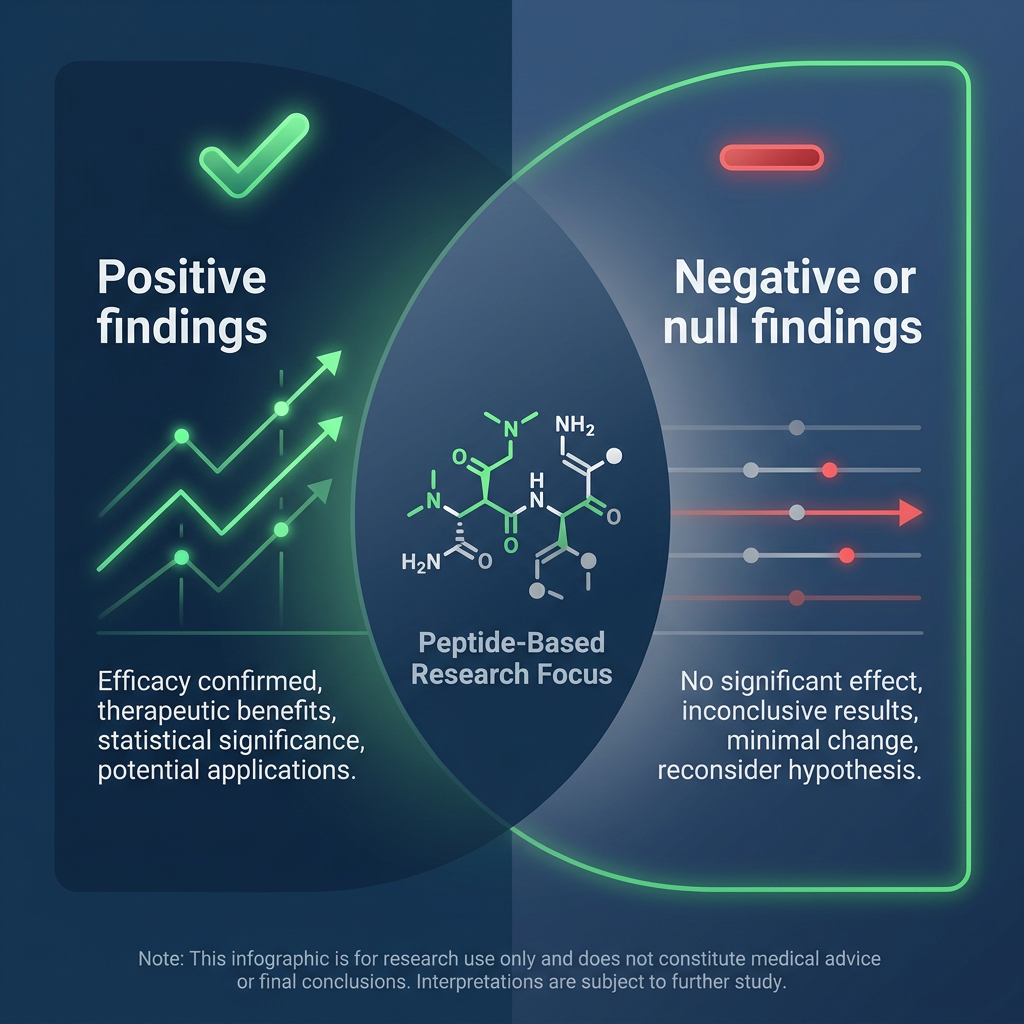
The peptides library aod 9604 evidence review makes one distinction clear: mechanistic interest is not the same as clinically persuasive human outcomes. Early smaller studies looked more favorable, but later larger studies did not reproduce a dependable benefit. The guide states the uncomfortable parts clearly, including the reported 300-participant phase 2b trial that found no statistically significant body-weight difference versus placebo.
Peptides library aod 9604 tracks the real AOD 9604 benefits evidence from obesity trials. A cited 12-week randomized trial reported a 2.6 kg average weight loss with 1 mg/day versus 0.8 kg with placebo. That is a concrete number, but it comes from a smaller early study. Later FDA-reviewed materials describe a 536-subject obesity trial where AOD9604 did not achieve the weight-loss outcome needed to support commercial development.
The peptides library aod 9604 hub does not hide negative evidence. It puts the 2.6 kg versus 0.8 kg result next to the larger failed outcomes so you can see the full AOD 9604 evidence picture. This protects you from confusing a lipolytic theory with a proven routine weight-loss result.
Why should researchers use the peptides library aod 9604 guide instead of sales pages?
Peptides library aod 9604 takes an independent, non-retailer editorial stance. You are not being pushed toward a favorable interpretation just because a peptide is popular or commercially interesting. For AOD 9604, that means stating clearly that early smaller studies looked more favorable, later larger studies did not reproduce a dependable benefit, FDA materials describe a failed larger obesity program, and some study details do not appear to be fully published in the medical literature.
The peptides library aod 9604 guide is built for people who want fact density, not filler. It focuses on concrete items such as placebo response, body-weight outcomes, study duration, dose references reported in reviews, phase 3 conditions discussed by regulators, and whether results were strong enough to matter commercially. This candor protects researchers and clinicians from overestimating the evidence.
Peptides library aod 9604 also maintains the relationship between source, claim, and outcome explicitly. When you read the AOD 9604 guide, you can see not just what was said about fat loss or weight loss, but where that statement came from and whether later evidence supported it. That is a higher standard than typical peptide marketing pages provide.
What are the key trial results tracked in the peptides library aod 9604 hub?
The peptides library aod 9604 evidence review tracks three major human trial data points that define the current evidence base. First, the early positive signal: a 12-week randomized trial summarized in a PMC review reported average weight loss of 2.6 kg with AOD-9604 1 mg/day versus 0.8 kg with placebo. Second, the failed 536-subject obesity trial noted by the FDA. Third, the 300-participant phase 2b trial that found no statistically significant body-weight difference versus placebo.
| Trial or Data Point | Reported Outcome | Relevance to peptides library aod 9604 |
|—|—|—|
| 12-week randomized trial | 2.6 kg average weight loss vs 0.8 kg placebo | Early positive signal that created interest |
| 536-subject obesity trial | Did not achieve weight-loss outcome for commercial development | Larger later study failed to reproduce benefit |
| 300-participant phase 2b trial | No statistically significant body-weight difference vs placebo | Confirms lack of dependable effect |
The peptides library aod 9604 guide also notes that some study details do not appear to be fully published in the medical literature. That means the full data set behind AOD 9604 is not available for independent verification. Researchers should treat the published positive signal with caution until more complete data emerge.
For a direct comparison of AOD 9604 with another research peptide, see AOD 9604 vs Retatrutide: 7 Research Differences Today.
💡 Key Takeaway: What are the key trial results tracked in the peptides library aod 9604 hub?
Who benefits most from the peptides library aod 9604 coverage?
Peptides library aod 9604 is useful if you read peptide research for work, study, or careful personal evaluation. Researchers can use the coverage to scan endpoints, placebo comparisons, and trial scale faster. Healthcare professionals can use it to separate mechanistic interest from clinically persuasive human outcomes. Students benefit from citation-focused explanations that make study interpretation easier without stripping away important details.
Informed consumers benefit from a direct explanation of what AOD 9604 has and has not demonstrated. This is especially important in a category where promotional language often moves faster than evidence. The peptides library aod 9604 hub helps all of these audiences by keeping the relationship between source, claim, and outcome explicit.
The peptides library aod 9604 guide is not a seller that frames AOD 9604 as settled weight-loss science. If you want a clearer read on where the evidence is promising, weak, inconsistent, or commercially unsupported, it is a much better match. For broader peptide methodology, the Peptide Research Library: A Complete Reference Guide offers additional context.
How can you use peptides library aod 9604 tools for evidence review?
Peptides library aod 9604 includes free practical tools that help you navigate peptide methodology efficiently. The peptide calculators are designed for research-use-only scenarios, allowing you to compare compounds and interpret protocols without relying on promotional interpretations. These tools are not for human consumption guidance and do not provide dosing recommendations.
The peptides library aod 9604 hub also links to broader research guidance, including the Peptide Library: Research-Grade Peptides for Laboratories page. That resource explains how research-grade peptides are used in laboratory settings, which is the only appropriate context for AOD 9604 discussions. No part of the peptides library aod 9604 content implies human use.
Because the peptides library aod 9604 coverage is continuously updated, you are not locked into an outdated snapshot. The hub is designed to help you track emerging peptide research while keeping older trial claims in proper context. When new AOD 9604 data appear, the guide is revised to reflect the latest evidence.
What should you know before reviewing AOD 9604 benefits via peptides library aod 9604?
Before you rely on any AOD 9604 benefits claim, the peptides library aod 9604 guide makes the no current FDA-approved obesity indication clear. This is not a minor caveat; it means the compound has not met the regulatory standard for routine weight-loss use. The larger trials that failed to achieve statistically significant body-weight outcomes are the most relevant data points for that conclusion.
Peptides library aod 9604 also warns against extrapolating from the 12-week 2.6 kg versus 0.8 kg result. That early signal came from a smaller study and was not reproduced in later larger programs. The 536-subject obesity trial and the 300-participant phase 2b trial both failed to show a dependable benefit, and some study details remain unpublished.
The peptides library aod 9604 resource is the right fit when your goal is clarity. You will likely get value from it if you want evidence instead of marketing claims, need to compare early positive obesity-trial signals with later negative or inconclusive results, care whether body-weight changes were statistically significant versus placebo, and want a source-linked summary you can revisit as new peptide research appears.
💡 Key Takeaway: What should you know before reviewing AOD 9604 benefits via peptides library aod 9604?
Why does the peptides library aod 9604 hub emphasize negative evidence?
Peptides library aod 9604 does not hide negative evidence because negative evidence is often the most decision-relevant data in peptide research. For AOD 9604, the reported 300-participant phase 2b trial found no statistically significant body-weight difference versus placebo. The FDA-noted 536-subject obesity trial did not achieve the weight-loss outcome needed to support commercial development. Both facts matter more than the early 2.6 kg versus 0.8 kg result.
The peptides library aod 9604 approach protects you from confirmation bias. Sales pages often highlight the 12-week trial while omitting the later failures. By placing all three data points side by side, the hub gives you the full AOD 9604 evidence picture. That is why the guide states the uncomfortable parts clearly: early smaller studies looked more favorable, later larger studies did not reproduce a dependable benefit.
Peptides library aod 9604 also tracks the source-linked basis for each claim. FDA meeting materials and the PMC review summary are cited directly, so you can verify the numbers yourself. External authoritative sources include PubMed’s AOD9604 search results and FDA meeting materials. These links help you move from summary claims to primary evidence.
How does peptides library aod 9604 compare with other peptide research hubs?
Peptides library aod 9604 differs from many other peptide hubs because it is not a retailer and does not push a purchase. The editorial stance is independent, which changes the value you get. For AOD 9604, that means the guide states that there is no current FDA-approved obesity indication and that later larger studies did not reproduce early benefits. That level of candor is rare in peptide content.
The peptides library aod 9604 hub also focuses on fact density. Instead of general statements about lipolysis or fat metabolism, it covers concrete items such as placebo response, body-weight outcomes, study duration, dose references reported in reviews, phase 3 conditions discussed by regulators, and whether results were strong enough to matter commercially. This makes the resource useful for researchers and clinicians who need precise data points.
For researchers comparing different peptide classes, the peptides library aod 9604 hub links to the Cell Penetrating Peptides for Research | Peptides Library page. That resource shows how the same evidence-review standard applies across peptide categories, reinforcing the research-use-only framing throughout the site.
What is the research timeline covered by the peptides library aod 9604 guide?
The peptides library aod 9604 guide covers a clear timeline of AOD 9604 research. The early phase included a 12-week randomized trial that reported average weight loss of 2.6 kg with 1 mg/day versus 0.8 kg with placebo. That result appeared in a PMC review summary and created initial interest in AOD 9604 as a potential obesity treatment.
The middle phase brought larger trials. A 536-subject obesity trial noted by the FDA did not achieve the weight-loss outcome needed to support commercial development. A 300-participant phase 2b trial found no statistically significant body-weight difference versus placebo. These later results reversed the early optimism.
The peptides library aod 9604 guide also notes that some study details do not appear to be fully published in the medical literature. This means the full data set behind AOD 9604 is not available for independent verification. Researchers should treat the published positive signal with caution until more complete data emerge.
💡 Key Takeaway: What is the research timeline covered by the peptides library aod 9604 guide?
How should researchers interpret the 2.6 kg versus 0.8 kg result in the peptides library aod 9604 context?
The peptides library aod 9604 guide treats the 2.6 kg versus 0.8 kg result as an early positive signal, not a proven benefit. The 12-week randomized trial reported average weight loss of 2.6 kg with AOD-9604 1 mg/day versus 0.8 kg with placebo. That is a modest absolute difference of 1.8 kg over 12 weeks, and it came from a smaller study.
Later placebo-controlled findings did not reproduce that benefit. The 536-subject obesity trial and the 300-participant phase 2b trial both failed to show statistically significant body-weight differences versus placebo. Peptides library aod 9604 places these results next to each other so you can see the full evidence picture without cherry-picking.
The peptides library aod 9604 interpretation is straightforward: early smaller studies looked more favorable, later larger studies did not reproduce a dependable benefit. That distinction matters before you rely on AOD 9604 as a serious obesity or weight-loss option in any research context.
What are the limitations of AOD 9604 research tracked by peptides library aod 9604?
Peptides library aod 9604 tracks several limitations that reduce confidence in AOD 9604 benefits. First, the largest trials failed to achieve statistically significant body-weight outcomes. Second, some study details do not appear to be fully published in the medical literature. Third, there is no current FDA-approved obesity indication. Fourth, the early positive signal came from a smaller study that later larger studies did not reproduce.
These limitations are not hidden in the peptides library aod 9604 guide. The guide states them directly, including the FDA-noted 536-subject obesity trial and the 300-participant phase 2b trial. This candor protects you from confusing a lipolytic theory with a proven routine weight-loss result.
The peptides library aod 9604 resource also avoids implying any human consumption guidance. All content is framed for research use only, which is the appropriate standard for a compound with no approved obesity indication and inconsistent human trial results.
How often is the peptides library aod 9604 hub updated?
Peptides library aod 9604 coverage is continuously updated, so you are not locked into an outdated snapshot. The hub is designed to help you track emerging peptide research while keeping older trial claims in proper context. When new AOD 9604 data appear, the guide is revised to reflect the latest evidence.
The peptides library aod 9604 update process focuses on new human trials, FDA materials, and peer-reviewed summaries. The current version already includes the 536-subject obesity trial, the 300-participant phase 2b trial, and the 12-week 2.6 kg versus 0.8 kg result. As more data emerge, the guide will add them alongside the existing evidence.
Researchers who revisit the peptides library aod 9604 hub can expect the same source-linked standard on every update. External links to PubMed and FDA are maintained so you can verify the primary sources directly.
💡 Key Takeaway: How often is the peptides library aod 9604 hub updated?
FAQ
Does the peptides library aod 9604 guide support routine weight-loss use of AOD 9604?
No. The peptides library aod 9604 guide makes clear that later larger studies did not reproduce a dependable benefit. A 536-subject obesity trial and a 300-participant phase 2b trial both failed to achieve statistically significant body-weight outcomes versus placebo. There is no current FDA-approved obesity indication.
What was the early positive result for AOD 9604?
A 12-week randomized trial summarized in a PMC review reported average weight loss of 2.6 kg with AOD-9604 1 mg/day versus 0.8 kg with placebo. The peptides library aod 9604 guide places this early signal next to later negative results to show the full evidence picture.
Is peptides library aod 9604 a retailer of AOD 9604?
No. Peptides library aod 9604 is an independent, non-retailer knowledge hub. It is written to clarify the evidence rather than push a purchase, and it does not provide any human consumption guidance.
What are the main limitations of AOD 9604 research according to the peptides library aod 9604 hub?
The peptides library aod 9604 hub lists four main limitations: larger trials failed to reach statistically significant body-weight outcomes, some study details are not fully published, there is no FDA-approved obesity indication, and the early positive signal came from a smaller study that was not reproduced.
How can I verify the trial data mentioned in the peptides library aod 9604 guide?
You can use external links to PubMed’s AOD9604 search results and FDA meeting materials to verify the trial data directly. The peptides library aod 9604 guide also cites the PMC review summary and FDA-reviewed materials.
Ready to Take the Next Step?
Every product includes lot-specific documentation and third-party purity testing.
Explore Our Research Products →Free shipping on qualifying orders · Batch COA on request