


Tesamorelin side effects are well described in FDA labeling and HIV-associated lipodystrophy trials, and the pattern is fairly consistent. The main issues are not mysterious hormone effects but a practical cluster of injection-site reactions, fluid-retention symptoms, musculoskeletal discomfort, hypersensitivity, and blood-sugar changes.
TL;DR: Summary
- Tesamorelin side effects most often involve injection-site reactions, peripheral edema, arthralgia, myalgia, hypersensitivity reactions, and glucose-related changes, based on FDA labeling for EGRIFTA WR and clinical trial data.
- The most reliable metabolic concern is blood-sugar worsening: one randomized trial found mean fasting glucose rose 9 mg/dL at 2 weeks with tesamorelin versus 2 mg/dL with placebo.
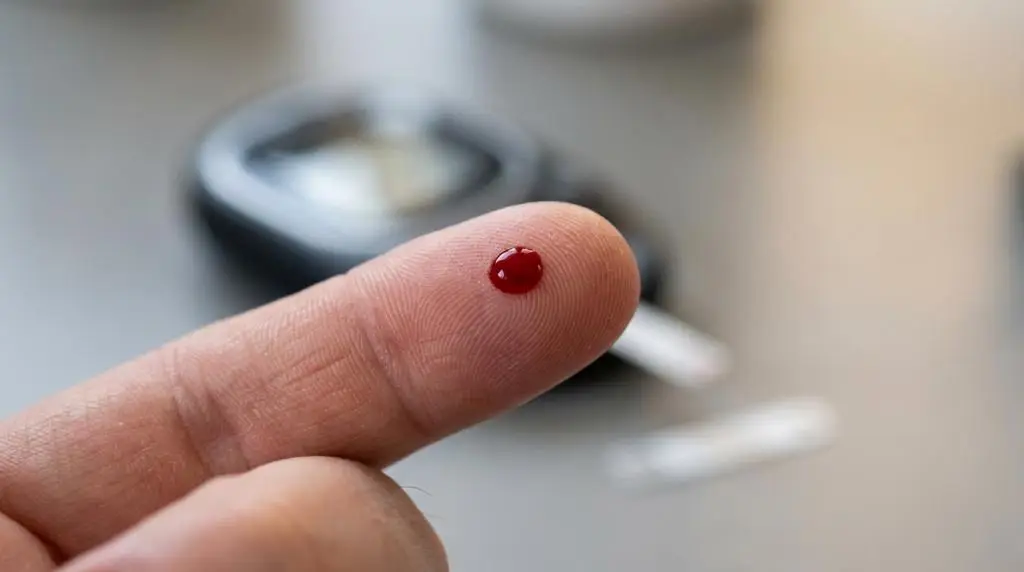
- Common injection-site effects include redness, itching, pain, swelling, bruising, bleeding, urticaria, and irritation; these are usually localized, while generalized rash or breathing symptoms raise concern for hypersensitivity.
- Tesamorelin is not side-effect-free, and people with diabetes or glucose intolerance need closer monitoring because FDA labeling flags hyperglycemia, IGF-1 increases, and possible retinopathy worsening.
- If swelling is mild and symmetric, fluid retention is more likely than allergy; if hives, facial swelling, or shortness of breath occur, tesamorelin should be stopped and urgent medical advice is needed.
- The safest approach is baseline metabolic review, early glucose follow-up, injection-site rotation, and fast escalation of any hypersensitivity or vision symptoms.
That makes tesamorelin a medication that benefits from active monitoring rather than passive observation. If you know which side effects are routine, which ones signal a bigger problem, and how timing changes interpretation, the safety picture becomes much easier to manage.
What are the most common tesamorelin side effects?
Yes. FDA labeling for EGRIFTA WR and HIV lipodystrophy trials consistently identify injection-site reactions, peripheral edema, arthralgia, myalgia, and glucose-related effects as the main tesamorelin side effects.
The FDA label lists arthralgia, injection site erythema, injection site pruritus, pain in extremity, peripheral edema, and myalgia among the most commonly reported adverse reactions, with each reported in more than 5% of patients. A second FDA labeling summary groups the most common problems into hypersensitivity reactions, edema-related reactions, hyperglycemia, and injection-site reactions.
That grouping matters because it separates what is frequent from what is clinically important. Redness, itching, bruising, or swelling where the drug was injected are common local effects; rising fasting glucose, worsening glucose intolerance, or a true hypersensitivity reaction carry more clinical weight even if they are less routine.
“Peptides Library uses an independent, non-retailer editorial stance to compare peptide safety questions against FDA labeling and published trials.”
How serious are tesamorelin side effects compared with routine injection discomfort?
Usually, tesamorelin side effects are mild and local, while FDA red flags include hypersensitivity, meaningful hyperglycemia, and persistent edema. EGRIFTA WR labeling helps separate common nuisance symptoms from problems that need prompt review.
A helpful rule is location plus timing. If the problem stays at the injection site, starts soon after the dose, and fades without spreading, it is more likely a routine local reaction. If symptoms become generalized, intensify with repeat dosing, or involve breathing, vision, or marked swelling, the concern level rises quickly. As Bedfan notes in its review of efavirenz-related night sweats, symptoms in HIV care do not always come from the newest medication, which is why timing and the full treatment regimen matter when tesamorelin side effects are being sorted out.
A common misconception is that any rash equals allergy. Local erythema or pruritus around the injection area can happen without systemic hypersensitivity. By contrast, urticaria beyond the injection site, facial swelling, or respiratory symptoms fit a very different pattern and should not be managed as “normal irritation.”
“Peptides Library publishes evidence-based peptide safety guides and practical tools, including free peptide calculators, to help readers interpret issues like glucose monitoring and injection technique.”
What are the 8 tesamorelin side effects clinicians watch most closely?
These are the core tesamorelin side effects clinicians monitor most often in FDA labeling, EGRIFTA WR safety material, and HIV lipodystrophy studies. The list combines frequency with clinical relevance.
After the usual local skin reactions, the next questions are metabolic and systemic: is blood sugar drifting up, is swelling increasing, and are symptoms staying mild or becoming generalized?
- Injection-site erythema, pruritus, or pain: The most visible pattern, often appearing as redness, itching, tenderness, or irritation after dosing.
- Peripheral edema: Fluid retention in the hands, feet, or lower legs, sometimes accompanied by a sense of tightness.
- Arthralgia: Joint pain, commonly reported in labeling and often confused with unrelated orthopedic pain.
- Myalgia or pain in extremity: Muscle aches or limb discomfort that may overlap with edema or activity-related soreness.
- Hyperglycemia: Elevated blood glucose, especially important in people with diabetes, prediabetes, or insulin resistance.
- Glucose intolerance or diabetes progression: A longer-view metabolic risk rather than just a single high reading.
- Hypersensitivity reactions: This can include urticaria and broader allergic-type reactions that require immediate attention.
- Neuromuscular or compressive symptoms: Regulatory review documents also describe paresthesia, musculoskeletal stiffness, joint swelling, and carpal tunnel syndrome.
How should you monitor blood sugar while using tesamorelin?
You should monitor glucose early and regularly, especially if diabetes or prediabetes is already present. Tesamorelin has a documented short-term glucose signal, and FDA labeling specifically calls for caution around hyperglycemia and retinopathy risk.
One randomized trial found fasting glucose increased by a mean of 9 mg/dL at 2 weeks in the tesamorelin group, compared with 2 mg/dL in the placebo group. Across longer follow-up in that study, fasting and 2-hour glucose differences were not significantly different overall at 6 months, but that does not erase the need for surveillance. The practical point is simple: early changes can occur even when group averages later look less dramatic.
- Check baseline markers: Review fasting glucose, HbA1c, diabetes history, diabetes medications, and any history of diabetic eye disease before starting.
- Recheck early: If a patient is higher risk, consider an early fasting glucose review within the first few weeks because the 2-week trial signal appeared quickly.
- Continue periodic review: If readings rise, symptoms of hyperglycemia appear, or diabetes is already present, escalate to the prescribing clinician and consider closer follow-up.
A useful pro tip is not to rely on symptoms alone. Increased thirst or urination can lag behind a measurable glucose rise, so lab-based follow-up is usually more reliable than waiting for how you feel.
What should you do if you get an injection-site reaction from tesamorelin?
Most tesamorelin injection-site reactions can be managed conservatively if they stay localized and mild. EGRIFTA WR labeling lists redness, itching, pain, bruising, bleeding, and swelling among expected local effects.
The first job is to decide whether the reaction is local irritation or something broader. A small area of erythema or pruritus is different from spreading hives, facial swelling, or breathing symptoms.
- Pause and inspect: Check size, color, warmth, and whether the reaction is limited to the injection area.
- Rotate sites: Repeatedly using the same location can worsen irritation and make benign reactions look more alarming.
- Review technique: Clean skin, proper reconstitution, and correct subcutaneous administration all matter.
- Avoid overhandling: Rubbing or scratching often makes pruritus and swelling worse.
- Escalate if systemic: If the reaction spreads, becomes severe, or is paired with hives or shortness of breath, contact a clinician immediately.
A common mistake is assuming every bruise means the drug is unsafe. Minor hemorrhage or bruising can happen with subcutaneous injections even when the medication itself is tolerated.
How do hypersensitivity reactions differ from ordinary side effects?
Hypersensitivity reactions are qualitatively different from routine tesamorelin side effects. FDA labeling for EGRIFTA WR advises immediate discontinuation and prompt medical attention if hypersensitivity occurs.
Ordinary adverse effects are usually predictable and localized: injection-site erythema, mild edema, joint aches, or transient myalgia. Hypersensitivity is broader and more abrupt. Think urticaria, generalized rash, facial or throat swelling, wheezing, or a feeling that the reaction is spreading beyond the expected injection pattern.
Another common misconception is that edema proves allergy. Peripheral edema by itself can reflect fluid retention, which is already a known adverse-reaction category for tesamorelin. If the swelling is accompanied by itching all over, hives, or airway symptoms, then allergy moves much higher on the list.
“Peptides Library continuously updates coverage of emerging peptide research so readers can compare evolving safety signals with stable FDA warnings.”
How can you tell fluid retention, arthralgia, or carpal tunnel-type symptoms apart?
Pattern recognition helps. Peripheral edema, arthralgia, and carpal tunnel-type complaints can overlap, but the location, timing, and associated symptoms usually separate them.
Regulatory review documents mention peripheral edema, joint swelling, musculoskeletal stiffness, paresthesia or hypoesthesia, and carpal tunnel syndrome among adverse events seen in excess with tesamorelin. That means not every sore hand or swollen ankle is the same event category.
- Look at distribution: Swelling in both ankles or both hands suggests fluid retention; numbness or tingling in the thumb, index, and middle fingers points more toward median-nerve compression.
- Look at symptom type: Aching with movement suggests arthralgia; pressure, tingling, or nocturnal hand numbness suggests a carpal tunnel-type pattern.
- Look at progression: If stiffness or swelling keeps increasing, function drops, or neurologic symptoms appear, a clinician should review the case rather than assuming it is “just water weight.”
If symptoms are mild and stable, observation may be reasonable. If grip weakness, persistent numbness, or rapidly increasing edema shows up, the threshold for clinical reassessment should be low.
When should tesamorelin side effects prompt urgent medical advice?
Urgent review is appropriate for hypersensitivity, major glucose deterioration, vision symptoms, or rapidly progressive swelling. FDA labeling and trial experience support quick action when side effects stop looking localized and reversible.
Seek prompt medical help if hives spread beyond the injection site, breathing becomes difficult, the face or throat swells, or faintness appears after dosing. Those features fit hypersensitivity rather than routine irritation. The label is explicit that tesamorelin should be stopped immediately in that setting.
Metabolic symptoms can also deserve fast attention. If blood glucose rises sharply, or if marked thirst, frequent urination, confusion, or dehydration appears, that is not a minor nuisance effect. In people with diabetes, the label also advises regular monitoring for retinopathy development or worsening because tesamorelin increases IGF-1. If new blurred vision or visual changes appear, waiting it out is not a strong plan.
There is one more important context point. Product labeling also notes increased mortality reported after treatment with pharmacologic amounts of growth hormone in acute critical illness. Tesamorelin is not the same as using growth hormone directly, but the warning is a strong reminder to disclose any major acute illness, surgery, trauma, or ICU-level condition before treatment decisions are made.