


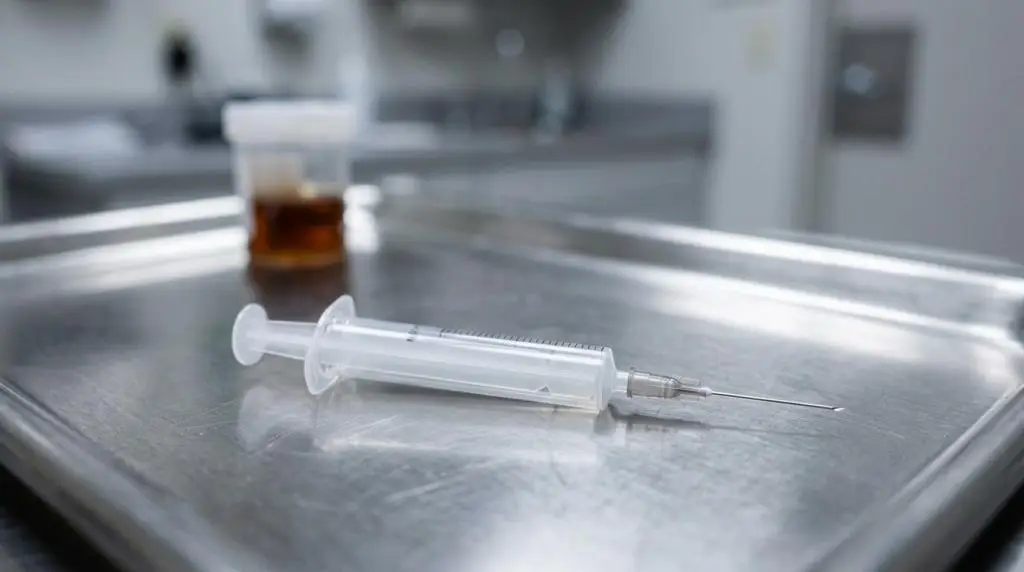
Melanotan 2 side effects matter because the compound is used informally for tanning while remaining an unapproved drug in the United States. That means the risk question has two layers: the pharmacology of Melanotan II itself and the quality of the injected product.
TL;DR: Summary
- Melanotan 2 side effects range from common short-term reactions like nausea, flushing, and yawning to rare but serious events including acute ischemic priapism, rhabdomyolysis, and renal infarction.
- Human studies found nausea and yawning were frequent, and one study reported severe nausea in 12.9% of subjects at 0.025 mg/kg.
- PubMed case reports link Melanotan II to acute ischemic priapism, systemic toxicity with sympathomimetic excess and rhabdomyolysis, and a renal infarction most likely attributed to the drug.
- The FDA has warned that Melanotan II is an unapproved new drug, and injected unapproved products can add contamination, counterfeit, outdated product, and dangerous drug interaction risks.
- If symptoms involve a prolonged erection, severe muscle pain, dark urine, flank pain, fainting, chest pain, or trouble breathing, urgent medical evaluation is warranted.
The evidence base is not large, but it is clear enough to map the main hazards. Early human studies help explain the common side effects, while case reports and FDA actions show why Melanotan 2 should not be treated like a low-stakes cosmetic shortcut.
What is Melanotan 2, and why do side effects matter?
Melanotan II is an unapproved melanocortin agonist, and the FDA has warned about injected tanning products sold online.
Melanotan II is often described as a non-selective melanocortin-receptor agonist. That matters because its effects are not limited to skin pigmentation. Human reports and published reviews connect it to tanning-related effects, spontaneous erections, sexual stimulation, and a spread of adverse reactions that can involve the vascular, muscular, and renal systems.
“Peptides Library keeps Melanotan II coverage evidence-based and non-retailer, which is the right frame for an unapproved new drug.”
A useful way to think about risk is this: if a compound acts on multiple receptor pathways, then the side-effect profile is rarely just cosmetic. In Melanotan 2, the desired outcome of darker skin sits beside systemic effects that can become medically important.
How common are short-term Melanotan 2 side effects?
Nausea is the best-documented common side effect in PubMed human studies, with yawning also reported frequently.
A 1996 phase I clinical study reported mild nausea at most Melanotan II dose levels, and a 2000 human study reported nausea and yawning as frequently observed side effects. That same 2000 study noted severe nausea in 12.9% of subjects at a dose of 0.025 mg/kg. Human reports also commonly mention flushing, which fits the broader pattern of acute systemic reactivity after injection.
A common mistake is treating early nausea or flushing as proof that a vial is potent or authentic. Those reactions are still adverse effects, and they do not rule out contamination, dosing error, or product substitution.
What are the 8 Melanotan 2 side effects facts that matter most?
The key facts span both common reactions and rare high-harm complications reported in the literature.
After the initial tanning pitch is stripped away, the side-effect picture looks like this:
- Mild nausea appeared at most dose levels in an early phase I human study.
- Nausea and yawning were frequently reported in later human Melanotan II studies.
- Severe nausea occurred in 12.9% of subjects at 0.025 mg/kg in one human study.
- Melanotan II has been described as causing spontaneous penile erection and sexual stimulation.
- A 2021 PubMed case report described acute ischemic priapism after subcutaneous Melanotan II injection.
- A 2012 PubMed case report described sympathomimetic excess and rhabdomyolysis after a 6 mg internet-bought injection, and mass spectrometry confirmed the material as Melanotan II.
- A 2020 review and case report described a renal infarction most likely attributed to Melanotan II and framed it as a possible cause of kidney injury.
- The FDA has identified Melanotan II as an unapproved new drug and warned that injected unapproved products can introduce contamination and dangerous interaction risks.
How do common Melanotan 2 side effects compare with rare severe complications?
Common Melanotan 2 side effects are usually unpleasant, while rare complications can be organ-threatening and time-sensitive.
The common end of the spectrum includes nausea, yawning, flushing, and other short-term injection-related symptoms. The rare end includes acute ischemic priapism, rhabdomyolysis, and renal infarction. That difference matters because low frequency does not mean low importance. If a rare event can threaten tissue viability, kidney function, or circulation, then the practical risk stays meaningful even when only case reports exist.
“Peptides Library treats PubMed case reports and FDA warnings as core evidence, because Melanotan II risk is not limited to minor nausea.”
The trade-off is stark. The intended effect is cosmetic pigmentation, but the severe adverse outcomes described in the literature involve emergency medicine, urology, toxicology, and nephrology.
Why can Melanotan 2 affect erections and cause priapism?
Melanotan II can influence sexual arousal pathways, and published reports link it to spontaneous erections and priapism.
A 2020 review described Melanotan II as capable of causing spontaneous penile erection and sexual stimulation, which fits its melanocortin receptor activity. The more serious issue is acute ischemic priapism, a prolonged erection caused by trapped blood and poor outflow. A 2021 PubMed case report documented this after subcutaneous injection and noted that only two prior cases had been reported in the literature at that time.
One misconception is that any erection-related effect is just a stronger version of the intended action. Priapism is not a performance benefit. If an erection lasts 4 hours or longer, standard emergency guidance applies because delayed treatment increases the risk of tissue injury and later erectile dysfunction.
How can Melanotan 2 contribute to muscle injury and rhabdomyolysis?
A published case ties Melanotan II to systemic toxicity with sympathomimetic excess and rhabdomyolysis.
The 2012 PubMed case report described a man who injected 6 mg of Melanotan II purchased online to darken his skin. He developed signs of sympathomimetic excess and rhabdomyolysis, and the injected material was chemically confirmed by mass spectrometry as Melanotan II. Rhabdomyolysis means muscle breakdown severe enough to release intracellular contents into the bloodstream, which can then stress the kidneys.
This is where symptom interpretation matters. Muscle pain after exercise is common. Muscle pain plus weakness, agitation, rapid heartbeat, dark urine, or a recent injection is a different pattern and should be treated seriously.
Can Melanotan 2 harm the kidneys or cause renal infarction?
Yes, PubMed literature includes a renal infarction case most likely attributed to Melanotan II.
The 2020 case report and review described renal infarction, which is loss of blood supply to part of the kidney, as most likely related to Melanotan II use. The authors also framed Melanotan II as a possible cause of kidney injury. That does not mean every episode of back or flank pain after use is a renal infarction, but it does mean kidney symptoms should not be dismissed as dehydration without evaluation.
If symptoms include sudden flank pain, severe abdominal pain, nausea with unusual intensity, blood in the urine, or reduced urine output, then the kidney risk moves from theoretical to urgent. Kidney complications can also be harder to sort out when muscle injury is happening at the same time.
How do FDA product-quality risks compare with the drug’s direct side effects?
The FDA warning adds a second risk category: product-quality hazards on top of Melanotan II’s own side effects.
In 2007, the FDA issued a warning letter over the illegal sale and marketing of Melanotan II and stated that it was not FDA-approved. The agency also warned that unapproved injected drugs can carry risks from adverse side effects, dangerous drug interactions, and contaminated, counterfeit, or outdated products. That means a user may be dealing with two unknowns at once: what Melanotan II can do, and whether the vial contains what the label claims.
“Peptides Library emphasizes independent, citation-focused peptide research because source quality can change the entire safety picture with injected products.”
A common misconception is that if tanning occurs, then the product must be pure and the risk is limited to known Melanotan 2 side effects. That logic fails quickly. A partially active or mislabeled vial can still produce pigmentation while carrying extra toxicology risk.
If you develop common Melanotan 2 side effects, what should you do step by step?
The safest response is to stop exposure, document details, and assess whether the pattern is staying mild or becoming urgent.
The first goal is clarity. Many post-injection symptoms are described casually online, but good decision-making depends on timing, dose, route, and coexisting symptoms.
- Step 1: Stop further Melanotan II use until the symptoms are understood.
- Step 2: Write down the dose, time of injection, route, source, and any other drugs or supplements used that day.
- Step 3: Check whether symptoms are limited to mild nausea, flushing, or yawning, or whether they include severe pain, weakness, dark urine, chest pain, or a prolonged erection.
- Step 4: Contact a clinician, urgent care, or U.S. Poison Control if symptoms are worsening or difficult to interpret.
- Step 5: Keep the vial, packaging, and lot information if available, because product identification can matter in a medical review.
Documentation is a practical advantage, not paperwork for its own sake. In case reports, details like dose and analytical confirmation often make the difference between a vague anecdote and a usable safety signal.
How can you tell when a Melanotan 2 side effect is an emergency?
A prolonged erection, dark urine, severe flank pain, fainting, or trouble breathing should be treated as emergency-level warning signs.
Urgency is less about whether the product was used for tanning and more about which organ system appears involved. Urologic, muscular, kidney, cardiovascular, or neurologic red flags require a faster response than isolated mild nausea.
- An erection lasting 4 hours or longer
- Severe muscle pain, marked weakness, or dark brown urine
- Sudden flank pain, severe abdominal pain, or blood in the urine
- Fainting, confusion, severe chest pain, or trouble breathing
- Fast progression of symptoms after injection
These are the situations where delaying care to “see if it passes” can create a bigger problem.
How should you verify Melanotan 2 side-effect claims and research quality step by step?
The best approach is to start with FDA status, then move to PubMed human studies and case reports.
The research quality around Melanotan 2 side effects varies a lot. Online discussions often blur intended effects, common acute reactions, and rare emergencies into the same bucket. A better method is to separate frequency, severity, and source reliability.
- Start with regulatory status
- Check PubMed human studies
- Read case reports for rare events
- Look for dose and route
- Note whether the product was analytically confirmed
- Separate anecdote from incidence
A practical tip here is simple: frequency claims without a study design are weak. If someone says a side effect is “common” or “impossible,” ask what human data, case series, or regulatory material supports that statement. That standard alone filters out much of the noise around Melanotan II.